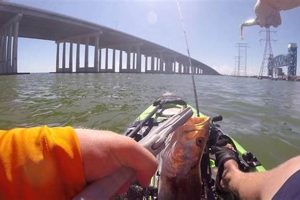
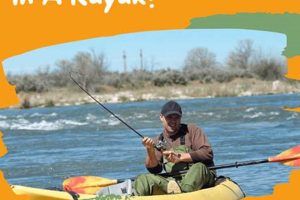
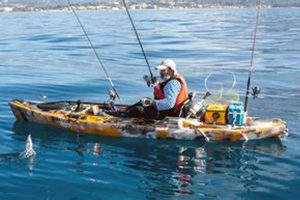
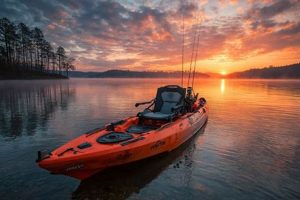
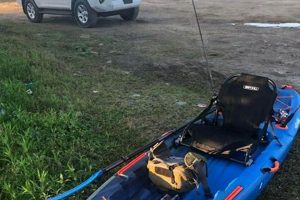
This activity involves angling from a small, human-powered watercraft in the coastal waters off Pompano Beach, Florida. It offers a unique blend of sport and recreation, allowing close contact with the marine environment. Anglers typically target species such as snook, tarpon, snapper, and other nearshore fish.
The shallow waters and diverse ecosystems around Pompano Beach make it an ideal location for this pursuit. Accessibility to diverse fishing grounds, combined with the exercise and challenge of paddling, presents a rewarding experience for anglers of all skill levels. This approach also allows access to areas unreachable by larger vessels, potentially increasing fishing success. Historically, small boats have been utilized for fishing in this region, but the modern kayak offers increased stability, specialized features, and enhanced maneuverability, making it an increasingly popular choice.
Further exploration of this topic will cover essential equipment, recommended launch sites, local regulations, common target species, effective fishing techniques, and safety considerations for a successful and enjoyable experience.
Tips for Kayak Fishing in Pompano Beach
Successful angling from a kayak in Pompano Beach requires preparation and adherence to best practices. The following tips offer guidance for a productive and safe experience.
Tip 1: Check Local Regulations. Regulations regarding licensing, permitted species, and catch limits vary. Compliance with current Florida Fish and Wildlife Conservation Commission rules is essential.
Tip 2: Choose the Right Kayak. Select a kayak designed for stability and fishing. Consider features such as rod holders, storage compartments, and anchor systems.
Tip 3: Utilize Appropriate Gear. Fishing tackle should be matched to the target species. Light to medium tackle is generally suitable for the nearshore waters. Consider using artificial lures or live bait.
Tip 4: Plan the Trip Carefully. Check weather forecasts, tide charts, and water conditions before embarking. Inform someone of the planned route and estimated return time.
Tip 5: Prioritize Safety. Wear a personal flotation device (PFD) at all times. Carry a whistle, signaling device, and first-aid kit. Be aware of boat traffic and potential hazards.
Tip 6: Practice Proper Kayak Handling. Learn basic paddling techniques and maneuvering skills. Practice deploying and retrieving an anchor system effectively. Be prepared to handle changing weather conditions.
Tip 7: Respect the Environment. Practice catch-and-release whenever possible. Dispose of fishing line and other waste responsibly. Minimize disturbance to wildlife and their habitats.
By adhering to these recommendations, anglers can maximize their chances of success while ensuring a safe and responsible fishing experience. Preparation and awareness contribute significantly to enjoyable outings on the water.
This advice provides a foundation for successful kayak fishing. The following section will detail specific techniques and strategies for targeting common species in the Pompano Beach area.
1. Location

Optimal locations are fundamental to successful kayak fishing in Pompano Beach. Strategic site selection maximizes access to target species and enhances the overall fishing experience. The following facets illustrate the critical role location plays in this activity.
- Launch Sites
Convenient launch sites are essential. Public boat ramps, parks with kayak access, and designated launch areas offer safe and legal entry points. Choosing a launch site close to desired fishing grounds minimizes transit time and conserves energy. Examples include the Hillsboro Inlet Park, the 14th Street Fishing Pier, and various public beach access points. The chosen launch site directly influences accessibility to specific fishing areas and impacts the overall efficiency of the trip.
- Nearshore Reefs and Structures
Artificial reefs, natural rock formations, and other underwater structures attract a variety of fish species. Locating these structures is crucial for targeting specific catches. Local knowledge, nautical charts, and fish-finding technology can aid in identifying productive fishing grounds. Nearshore reefs near Pompano Beach offer opportunities to catch snapper, grouper, and other reef-dwelling species.
- Inlets and Channels
Areas where inlets and channels meet the ocean often experience strong currents and shifting water conditions. These areas can be highly productive fishing spots, particularly for species like snook, tarpon, and jacks. However, navigating these areas requires experience and caution due to changing tides and boat traffic. The Hillsboro Inlet, for instance, is a known hotspot for these species but demands careful navigation.
- Grass Flats and Mangrove Shorelines
Shallow grass flats and mangrove shorelines provide habitat for a range of species, including bonefish, permit, and redfish. These areas offer excellent sight-fishing opportunities in calm conditions. Understanding tidal movements is crucial for accessing these shallow-water environments effectively. The Lake Worth Lagoon, accessible from Pompano Beach, presents prime examples of these habitats.
Strategic selection of fishing locations, considering factors such as target species, prevailing conditions, and angler experience, is paramount for successful kayak fishing in Pompano Beach. Understanding the characteristics of different locations, including launch sites, reefs, inlets, and grass flats, allows anglers to optimize their fishing efforts and enhance their chances of a productive and rewarding outing.
2. Equipment
Specialized equipment plays a crucial role in successful kayak fishing at Pompano Beach. Proper gear enhances angler safety, improves fishing effectiveness, and contributes to a more comfortable and enjoyable experience. Selecting appropriate equipment based on target species, fishing location, and personal preferences is essential for maximizing success on the water.
- Kayak Selection
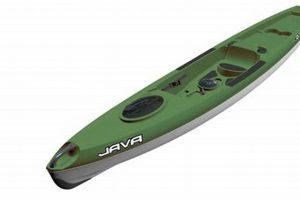
Choosing the right kayak is paramount. Sit-on-top kayaks are generally preferred for fishing due to their stability and self-bailing design. Consider factors such as length, width, weight capacity, and storage space when selecting a kayak. Longer kayaks track better in open water, while shorter kayaks offer increased maneuverability in tighter spaces like mangroves. Specialized fishing kayaks often feature built-in rod holders, anchor trolleys, and other fishing-specific accessories. The chosen kayak directly impacts stability, comfort, and the ability to effectively navigate diverse fishing environments.
- Paddle Choice
An efficient and comfortable paddle is essential for covering distances and maneuvering the kayak effectively. Paddle length should be appropriate for the paddler’s height and the kayak’s width. Lightweight paddles reduce fatigue during long outings. Consider adjustable-length paddles for versatility in different water conditions. A high-quality paddle enhances paddling efficiency, conserves energy, and improves overall boat control, enabling anglers to reach desired fishing spots and position themselves effectively for casting.
- Fishing Gear and Tackle
Appropriate fishing gear is crucial for targeting specific species. Rods, reels, lines, hooks, lures, and bait should be matched to the target fish and the fishing environment. Light to medium tackle is typically suitable for nearshore fishing in Pompano Beach. Consider using braided fishing line for its strength and sensitivity. Live bait, such as shrimp, pilchards, and crabs, can be effective for various species. Artificial lures, including jigs, plugs, and soft plastics, offer versatility and can attract a wide range of game fish.
- Safety Equipment
Prioritizing safety is paramount in kayak fishing. Essential safety gear includes a personal flotation device (PFD), a whistle, a visual distress signal, and a first-aid kit. A communication device, such as a VHF radio or a waterproof cell phone, is highly recommended for emergencies. A leash connecting essential equipment to the kayak prevents loss in the event of a capsize. Carrying appropriate safety equipment is crucial for mitigating risks and ensuring a safe and enjoyable fishing experience.
The careful selection and proper use of equipment significantly impacts the overall kayak fishing experience in Pompano Beach. From the kayak itself to the fishing tackle and essential safety gear, each element contributes to angling success, comfort, and most importantly, angler safety. A well-equipped angler is better prepared to handle the challenges and enjoy the rewards of this exciting fishing style. Investing in high-quality, appropriate equipment contributes directly to a more productive, safer, and ultimately, more enjoyable fishing experience.
3. Techniques
Effective fishing techniques are essential for success in kayak fishing at Pompano Beach. These specialized methods optimize catch rates and enhance the overall angling experience. The following facets illustrate key techniques relevant to this fishing style.
- Drift Fishing
Drift fishing involves allowing the kayak to drift naturally with the current or wind while presenting bait or lures. This technique covers a wider area and allows anglers to explore different depths and structures. Drift fishing can be particularly effective in areas with moving water, such as inlets and channels, where species like snook, tarpon, and jacks are often found. Controlling the drift speed with a drift sock or sea anchor can be beneficial in stronger currents. This method offers a dynamic approach to covering water and targeting a range of species.
- Anchoring and Bottom Fishing
Anchoring the kayak allows anglers to focus their efforts on a specific location, such as a reef, wreck, or other structure. This technique is ideal for bottom fishing, targeting species like snapper, grouper, and seabass. Using appropriate tackle and bait for the target species is crucial. Regularly checking the anchor position ensures the kayak remains in the desired location, particularly in areas with changing currents. Anchoring provides stability and precision when targeting specific bottom-dwelling species.
- Sight Fishing
Sight fishing involves visually locating fish before casting. This technique is highly effective in shallow, clear water environments, such as grass flats and mangrove shorelines. Polarized sunglasses are essential for reducing glare and improving underwater visibility. Quietly approaching fish and presenting lures or bait with precision are key to success. Sight fishing offers a challenging yet rewarding experience, targeting species like bonefish, permit, and redfish in their natural habitat.
- Trolling
Trolling involves dragging lures or bait behind a moving kayak. This technique covers a large area and can be effective for locating active fish. Varying trolling speeds and lure depths can help determine fish preferences. Trolling is often employed when targeting pelagic species like mackerel, kingfish, and bonito. Using a rod holder allows for hands-free trolling and increases the chances of detecting strikes. This active method is particularly well-suited for exploring open water areas and covering extensive ground.
Mastery of these techniques significantly enhances fishing success from a kayak in Pompano Beach. Choosing the right approach based on the target species, location, and environmental conditions maximizes catch rates. Adapting techniques to specific situations contributes to a more productive and rewarding fishing experience, underscoring the importance of technique in the dynamic environment of kayak fishing. Combining these approaches with careful observation and an understanding of fish behavior further refines angling prowess.
4. Safety

Safety is paramount in kayak fishing off Pompano Beach. The marine environment presents inherent risks, requiring careful consideration and proactive measures. Neglecting safety precautions can lead to serious consequences, including injuries, loss of equipment, or even fatalities. Understanding and mitigating these risks is crucial for a successful and enjoyable experience.
Several factors contribute to potential hazards. Changing weather conditions, strong currents, boat traffic, and interactions with marine life all pose challenges. Sudden storms can create dangerous wave conditions for kayakers. Strong currents, particularly around inlets, can swiftly carry a kayak away from the intended location. Collisions with larger vessels pose a significant threat, especially in high-traffic areas. Interactions with marine life, such as sharks or jellyfish, can also create hazardous situations. A real-life example includes instances of kayakers being capsized by unexpected waves near inlets or encountering difficulties navigating strong currents. Practical understanding of these risks enables informed decision-making and appropriate safety measures.
Mitigation strategies are essential for minimizing risks. Wearing a personal flotation device (PFD) is non-negotiable. Checking weather forecasts and understanding tide charts before embarking are critical steps. Carrying a communication device, such as a VHF radio or waterproof cell phone, allows for emergency contact. Informing someone of the planned route and estimated return time provides an additional layer of safety. Carrying a first-aid kit and signaling devices, like a whistle or flares, can be crucial in emergency situations. Adhering to these safety practices significantly reduces risks and promotes responsible enjoyment of kayak fishing in Pompano Beach. Constant vigilance and proactive planning are essential components of a safe and successful experience.
5. Regulations

Adherence to regulations is essential for responsible and sustainable kayak fishing in Pompano Beach. These rules, established by governing bodies such as the Florida Fish and Wildlife Conservation Commission (FWC), aim to protect fish populations, preserve habitats, and ensure the safety of anglers and the environment. Ignoring regulations can result in penalties, including fines and license suspension. Understanding and complying with these rules are fundamental to ethical and legal angling practices.
- Fishing Licenses
Possession of a valid fishing license is mandatory for anyone engaging in recreational fishing in Florida waters, including those fishing from a kayak in Pompano Beach. Different license types exist, catering to residents, non-residents, and specific durations. Acquiring the appropriate license before fishing is crucial for compliance. Information on license types and purchasing options can be found on the FWC website. Failure to present a valid license upon request by law enforcement can result in penalties.
- Size and Bag Limits
Regulations dictate minimum sizes and maximum bag limits for various fish species. These restrictions help maintain healthy fish populations by allowing juveniles to mature and reproduce. Anglers must accurately measure their catch and release any undersized or over-the-limit fish immediately. Regulations vary by species and may change seasonally. Consulting the FWC regulations for current size and bag limits for target species in Pompano Beach is essential. Disregarding these regulations can lead to fines and contribute to the depletion of fish stocks.
- Closed Seasons and Protected Species
Certain species have closed seasons during which harvesting is prohibited to protect them during vulnerable periods, such as spawning. Some species are designated as protected and cannot be harvested at any time. Awareness of these regulations is vital for responsible fishing. For example, snook has specific closed seasons in different regions of Florida. It is the angler’s responsibility to be informed of current regulations regarding closed seasons and protected species in Pompano Beach. Harvesting these fish during prohibited periods carries significant penalties and undermines conservation efforts.
- Restricted Areas and Gear Restrictions
Certain areas may be designated as no-fishing zones or have specific gear restrictions to protect sensitive habitats or species. For example, some areas may prohibit the use of certain types of fishing gear, such as gill nets or specific hook types. Understanding these restrictions is crucial for legal and responsible fishing practices. Local regulations may prohibit fishing near designated swimming areas or within certain distances of bridges or inlets. Disregarding these restrictions can disrupt local ecosystems and incur penalties.
Compliance with fishing regulations is integral to the preservation of healthy fish populations and the long-term sustainability of kayak fishing in Pompano Beach. Understanding and adhering to these rules ensures a responsible and ethical approach to angling, benefiting both the environment and future fishing opportunities. Ignoring regulations undermines conservation efforts and jeopardizes the future of this recreational activity. Responsible anglers prioritize compliance, contributing to the preservation of marine resources and the sustainability of the sport.
6. Species

Target species significantly influence angling strategies and equipment choices in kayak fishing off Pompano Beach. The diverse fish populations inhabiting these waters present a range of opportunities for anglers. Understanding the characteristics and habitats of common target species is crucial for successful kayak fishing.
- Snook
Snook are a prized game fish known for their aggressive strikes and acrobatic fights. They inhabit a variety of nearshore habitats, including inlets, mangrove shorelines, and seagrass beds. Effective techniques for targeting snook from a kayak include live bait fishing with pilchards or pinfish, and using artificial lures such as jigs and topwater plugs. Snook are regulated by size limits and closed seasons, emphasizing the importance of adhering to current FWC regulations.
- Tarpon
Tarpon, often referred to as the “silver king,” are a highly sought-after game fish renowned for their powerful runs and impressive leaps. They frequent inlets, channels, and bridges in Pompano Beach. Targeting tarpon from a kayak requires heavy tackle and specialized techniques. Live crabs and large baitfish are common choices for attracting tarpon. Landing these large fish from a kayak presents a significant challenge and requires skillful angling techniques.
- Snapper
Various snapper species, including mangrove snapper, yellowtail snapper, and lane snapper, inhabit the nearshore reefs and structures around Pompano Beach. These fish are popular targets for kayak anglers due to their abundance and delicious table fare. Effective techniques for catching snapper include bottom fishing with live or cut bait, and using jigs or small artificial lures. Adhering to size and bag limits for snapper is essential for sustainable fishing practices.
- Jacks
Several jack species, such as crevalle jack and bar jack, are common in Pompano Beach waters. These aggressive fish provide exciting fights and readily take a variety of lures and bait. They are often found near structures, inlets, and along beaches. Light to medium tackle is typically suitable for targeting jacks from a kayak. Fast retrieves and active presentations often trigger strikes from these energetic fish.
Knowledge of target species’ behavior, preferred habitats, and effective fishing techniques enhances success in kayak fishing off Pompano Beach. Selecting appropriate tackle, lures, and bait based on the target species increases catch rates. Understanding and adhering to regulations related to size limits, bag limits, and closed seasons for each species ensures responsible and sustainable fishing practices. The diverse species available in these waters contribute to the exciting and rewarding nature of kayak fishing in Pompano Beach. By understanding the nuances of each species, anglers can better tailor their approach and maximize their chances of a successful and enjoyable fishing experience.
7. Tides
Tidal movements significantly influence kayak fishing success in Pompano Beach. Understanding tidal cycles and their impact on fish behavior and accessibility is crucial for optimizing fishing strategies. Tides dictate water depth, current strength, and movement of baitfish, all of which affect fish feeding patterns and locations. Effective anglers consider tidal phases when planning trips and selecting fishing locations.
- Incoming Tides
Incoming tides bring rising water levels and push baitfish closer to shore and into estuaries. This movement attracts predatory fish seeking an easy meal. Areas like mangrove shorelines and grass flats become productive fishing spots during incoming tides. For example, snook and redfish often move into shallow areas with the rising tide to ambush prey. Anglers can capitalize on this behavior by targeting these areas during the flood tide.
- Outgoing Tides
Outgoing tides create strong currents as water flows back out to sea. These currents concentrate baitfish and predatory fish near inlets, channels, and other constrictions. Fishing near these areas during outgoing tides can be highly productive for species like snook, tarpon, and jacks. However, strong currents require careful kayak handling and anchoring techniques. An example includes fishing near the Hillsboro Inlet during an outgoing tide, where anglers can intercept migrating fish.
- High Tides
High tides provide access to shallow-water areas that are inaccessible during other tidal phases. This allows anglers to explore flats, creeks, and backcountry areas where fish may congregate. Calmer water conditions during high tides are also conducive to sight fishing for species like bonefish and permit. However, fish may disperse over larger areas during high tides, making them slightly harder to locate. Exploring shallow grass flats during high tide presents opportunities to sight fish for redfish tailing in shallow water.
- Low Tides
Low tides concentrate fish in deeper channels, holes, and along edges of flats. Understanding bathymetry and identifying these deeper areas is crucial for successful fishing during low tides. This tidal phase can also expose structures and obstacles that are submerged during higher tides, requiring careful navigation. Fishing near drop-offs and channels during low tide can be effective for targeting species like snapper and grouper seeking refuge in deeper water.
Tidal fluctuations are integral to the dynamics of the Pompano Beach nearshore ecosystem. Integrating tidal knowledge into fishing strategies significantly enhances angling success from a kayak. By understanding the influence of incoming, outgoing, high, and low tides on fish behavior and habitat accessibility, anglers can optimize their approach, target specific locations during peak feeding periods, and maximize their catch rates. Careful observation of water movement, current patterns, and baitfish activity, combined with an understanding of tidal cycles, provides a valuable advantage for kayak anglers in Pompano Beach. This knowledge empowers informed decisions regarding location selection, fishing techniques, and overall trip planning, contributing significantly to a productive and rewarding fishing experience.
Frequently Asked Questions
This section addresses common inquiries regarding kayak fishing in Pompano Beach, providing concise and informative responses to facilitate a better understanding of this activity.
Question 1: What are the primary target species for kayak anglers in Pompano Beach?
Common target species include snook, tarpon, snapper (various species), jacks, redfish, and sea trout. Species availability may vary seasonally.
Question 2: Are there specific regulations regarding kayak fishing in this area?
All Florida Fish and Wildlife Conservation Commission (FWC) regulations apply, including licensing requirements, size and bag limits, closed seasons, and protected species. Consult the FWC website for current regulations.
Question 3: What safety precautions should kayak anglers observe in Pompano Beach?
Essential safety measures include wearing a personal flotation device (PFD), checking weather forecasts before embarking, carrying a communication device, informing someone of the trip plan, and carrying a first-aid kit.
Question 4: Where are recommended launch sites for kayak fishing access in Pompano Beach?
Public boat ramps, parks with kayak access points, and designated beach launch areas offer convenient access. Hillsboro Inlet Park and various public beach access points are examples. Researching launch sites near desired fishing areas is recommended.
Question 5: What essential equipment is recommended for kayak fishing in this location?
Essential equipment includes a fishing kayak with appropriate features, a paddle, fishing rods and reels spooled with suitable line, appropriate terminal tackle, and safety gear such as a PFD, whistle, and communication device.
Question 6: What is the typical cost associated with kayak fishing in Pompano Beach?
Costs vary depending on equipment ownership versus rental. Kayak rentals, fishing licenses, bait and tackle, and transportation contribute to overall expenses. Researching rental options and budgeting for associated costs are recommended.
Careful consideration of these commonly asked questions facilitates a more informed and prepared approach to kayak fishing in Pompano Beach. Thorough planning and responsible angling practices contribute to a safe and enjoyable experience.
This FAQ section provides a starting point for anglers new to the area. Further research and consultation with local experts are encouraged for more in-depth information.
Kayak Fishing Pompano Beach
This exploration has provided a comprehensive overview of kayak fishing in Pompano Beach, encompassing key aspects such as location selection, essential equipment, effective fishing techniques, paramount safety considerations, adherence to regulations, prevalent target species, and the significant influence of tides. Each element contributes to a successful and rewarding angling experience.
Strategic planning, informed decision-making, and responsible angling practices are crucial for maximizing enjoyment and preserving this valuable recreational activity. Respect for the marine environment and adherence to sustainable fishing practices ensure the continued viability of kayak fishing in Pompano Beach for future generations.