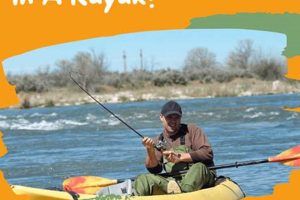
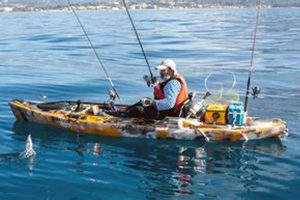
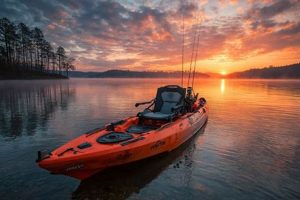
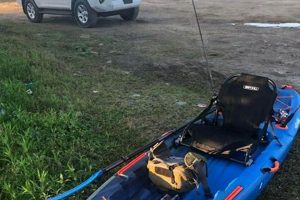
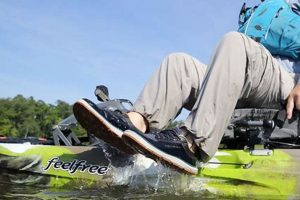
This pursuit combines the tranquility of paddling with the excitement of angling, utilizing specialized small watercraft to access diverse aquatic environments across the state. Imagine casting a line for largemouth bass in the serene waters of Caddo Lake or pursuing redfish along the vibrant Texas coast all from the unique vantage point of a kayak.
The popularity of this activity stems from its accessibility and affordability compared to traditional boat fishing. It opens up opportunities to explore shallow-water fisheries often inaccessible to larger vessels, fostering a deeper connection with nature and providing an excellent workout. Historically, kayaks were used for transportation and subsistence fishing, but the modern iteration emphasizes recreation and sport, contributing significantly to the state’s thriving outdoor recreation economy.
The following sections will delve into essential aspects of this activity, including recommended locations, necessary gear and safety precautions, licensing requirements, and conservation practices. Whether one is a seasoned angler or a novice, valuable insights will be provided to ensure a safe and rewarding experience on Texas waters.
Tips for Kayak Fishing in Texas
Successful outings require careful planning and preparation. These tips offer guidance for maximizing safety and enhancing the overall experience.
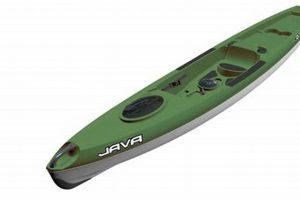
Tip 1: Choose the Right Kayak. Kayak selection depends on the intended fishing environment. Sit-on-top kayaks offer stability and ease of re-entry, ideal for calmer waters. Sit-inside kayaks provide better protection from the elements and are suitable for colder conditions or rougher waters. Pedal-driven kayaks allow hands-free fishing and cover larger distances efficiently.
Tip 2: Prioritize Safety. Always wear a personal flotation device (PFD). Carry a whistle, signaling mirror, and a waterproof communication device. Check weather forecasts before departing and be aware of changing conditions. Inform someone of the planned fishing location and estimated return time.
Tip 3: Pack Essential Gear. Essential gear includes appropriate fishing rods, reels, tackle, and bait suited to the target species. A well-stocked tackle box, including pliers, line cutters, and extra hooks, is crucial. Dry bags protect electronics and other valuables from water damage.
Tip 4: Plan Your Route. Research potential fishing spots in advance, considering water depth, currents, and potential hazards. Utilize nautical charts and online resources to identify productive areas. Factor in travel time to and from the launch site.
Tip 5: Practice Kayak Control. Familiarize oneself with basic paddling techniques and maneuvering before venturing into open water. Practice entering and exiting the kayak and learn how to recover from a capsize. Consider taking a kayaking safety course.
Tip 6: Respect Wildlife and the Environment. Adhere to catch and release guidelines whenever possible. Properly dispose of fishing line and other waste. Avoid disturbing nesting birds or other wildlife. Observe posted regulations and respect private property.
Tip 7: Check Licensing Requirements. Ensure compliance with all state fishing regulations and obtain the necessary licenses and permits. Regulations vary based on location and species targeted. Information is available through the Texas Parks and Wildlife Department.
By adhering to these guidelines, anglers can enhance their enjoyment and ensure a safe and responsible experience on the water. Preparation and awareness contribute significantly to successful and sustainable kayak fishing.
The subsequent conclusion provides a final overview and encourages responsible engagement in this rewarding outdoor pursuit.
1. Location Selection

Location selection significantly impacts the success and overall experience of kayak fishing in Texas. The diverse Texas landscape offers a wide range of fishing environments, each presenting unique opportunities and challenges. Careful consideration of factors such as target species, water conditions, accessibility, and potential hazards is crucial for a productive and enjoyable outing. For example, anglers seeking largemouth bass might choose a freshwater lake or reservoir like Lake Fork or Sam Rayburn, known for their healthy bass populations. Conversely, those targeting redfish or speckled trout would likely opt for coastal estuaries and bays along the Gulf Coast, such as the Laguna Madre or Galveston Bay. The chosen location dictates not only the species available but also the appropriate kayak type, fishing gear, and safety precautions.
The practicality of location selection extends beyond species availability. Factors like water clarity, current strength, and wind conditions influence fishing techniques and kayak maneuverability. Shallow-water flats require kayaks with shallow drafts, while open bays necessitate stability and seaworthiness. River fishing demands awareness of currents and potential obstacles. Accessing the chosen location also presents logistical considerations. Some areas may require permits, while others offer convenient launch points with ample parking. Researching local regulations and available amenities streamlines the planning process and minimizes potential difficulties. Understanding these nuances allows anglers to make informed decisions, optimizing their chances of success while ensuring safety and minimizing environmental impact. For instance, choosing a location with designated kayak launch areas helps prevent erosion and protects sensitive habitats.
In summary, strategic location selection is paramount for a rewarding kayak fishing experience in Texas. Matching the location to target species, considering environmental factors, and understanding logistical aspects contribute significantly to angler success and promote responsible fishing practices. This informed approach ensures both a productive fishing trip and the preservation of Texass diverse aquatic ecosystems.
2. Essential Gear

Appropriate gear is fundamental to successful and safe kayak fishing in Texas. Equipment selection hinges on several factors, including target species, fishing environment, and personal preferences. A well-chosen kayak forms the foundation of the experience, providing stability, maneuverability, and storage capacity. Rods and reels should match the intended species and fishing techniques. Tackle selection, including lures, hooks, lines, and weights, depends on the targeted fish and the specific conditions of the chosen waterway. For example, fishing for redfish in shallow saltwater flats necessitates different gear compared to pursuing largemouth bass in a freshwater lake.
Beyond fishing-specific equipment, safety gear plays a critical role. A personal flotation device (PFD) is paramount for all anglers, regardless of experience or perceived swimming ability. A whistle, signaling mirror, and waterproof communication device are essential for emergencies. Navigation tools, like a GPS unit or nautical charts, aid in route planning and ensure anglers remain oriented, particularly in unfamiliar waters or changing weather. Appropriate clothing and sun protection, including hats, sunglasses, and sunscreen, enhance comfort and protect against the elements. Dry bags or waterproof containers safeguard electronic devices, wallets, and other valuables from water damage. These examples illustrate the diverse range of equipment necessary for a well-prepared kayak fishing trip.
In conclusion, the careful selection and proper utilization of essential gear directly impacts the success and safety of kayak fishing excursions in Texas. Matching equipment to the specific conditions and target species, while prioritizing safety considerations, allows anglers to maximize their experience and enjoy the diverse fishing opportunities the state offers. Understanding the function and importance of each piece of gear ensures preparedness, enhances on-the-water performance, and promotes responsible angling practices.
3. Safety Procedures

Safety procedures are paramount for kayak fishing in Texas, ensuring angler well-being and fostering responsible enjoyment of the sport. The inherent risks associated with on-water activities necessitate a proactive approach to safety, minimizing potential hazards and enabling a positive experience. Understanding and implementing appropriate safety measures contributes significantly to accident prevention and promotes a culture of responsible angling.
- Pre-Trip Planning
Thorough pre-trip planning is the foundation of safe kayak fishing. Checking weather forecasts, informing someone of the intended fishing location and return time, and understanding local regulations are essential steps. Researching potential hazards like currents, tides, and boat traffic allows for informed decision-making and minimizes unforeseen risks. For example, consulting a tide chart before fishing in coastal areas helps anglers avoid being stranded by rapidly changing water levels.
- Essential Safety Equipment
Carrying essential safety equipment is crucial for mitigating risks on the water. A properly fitted personal flotation device (PFD) should always be worn. A whistle, signaling mirror, and a waterproof communication device, such as a VHF radio or a cell phone in a waterproof case, are vital for signaling in emergencies. A first-aid kit equipped to handle common fishing-related injuries, like hook removals and minor cuts, should be readily accessible.
- On-Water Practices
Safe on-water practices contribute significantly to accident prevention. Maintaining awareness of surroundings, including other boat traffic and changing weather conditions, is crucial. Avoiding alcohol consumption while operating a kayak enhances judgment and reaction time. Practicing self-rescue techniques, like re-entering a kayak after a capsize, prepares anglers for unexpected situations. Adhering to navigation rules and maintaining a safe distance from other vessels reduces the risk of collisions.
- Environmental Awareness
Environmental awareness plays a role in angler safety. Understanding potential hazards, such as submerged obstacles, changing tides, and wildlife encounters, informs decision-making and minimizes risks. Respecting wildlife and avoiding disturbing sensitive habitats contributes to a safe and sustainable environment. For instance, awareness of alligator presence in certain Texas waters informs anglers about potential risks and appropriate precautions.
These interconnected safety procedures contribute to a secure and rewarding kayak fishing experience in Texas. By prioritizing pre-trip planning, utilizing essential safety equipment, practicing safe on-water behavior, and maintaining environmental awareness, anglers minimize potential hazards, protect themselves and the environment, and contribute to a culture of responsible angling.
4. Species Targeting
Species targeting is integral to successful kayak fishing in Texas, influencing location choices, equipment selection, and angling techniques. The diverse aquatic ecosystems across the state support a wide range of fish species, each exhibiting unique behaviors and habitat preferences. Understanding these nuances allows anglers to optimize their approach, maximizing catch rates while minimizing environmental impact. For example, targeting redfish in the shallow saltwater flats of the Texas coast requires different gear and techniques compared to pursuing largemouth bass in a freshwater reservoir like Lake Fork. Matching the fishing approach to the specific target species enhances efficiency and promotes responsible angling practices.
The practical significance of species targeting extends beyond equipment selection. Knowledge of a target species’ feeding habits, preferred habitat, and seasonal behavior patterns informs strategic decision-making. Anglers can select locations and times that coincide with peak activity, increasing the likelihood of successful catches. Understanding the preferred prey of the target species dictates bait or lure choices. For instance, targeting trout in the Guadalupe River might involve using small lures that mimic aquatic insects, while pursuing catfish in the Trinity River could necessitate using cut bait or prepared stinkbait. This targeted approach conserves resources, minimizes bycatch, and enhances the overall fishing experience.
In conclusion, species targeting represents a critical element of effective kayak fishing in Texas. By understanding the specific characteristics and behaviors of target species, anglers can refine their approach, maximizing their chances of success while contributing to sustainable fishing practices. This informed decision-making process elevates kayak fishing from a passive recreational activity to a dynamic and engaging pursuit, fostering a deeper appreciation for the diverse aquatic ecosystems and the species that inhabit them.
5. Conservation Ethics
Conservation ethics are intrinsically linked to the sustainability of kayak fishing in Texas. The practice necessitates a responsible approach to interacting with the environment, preserving aquatic ecosystems for future generations. This involves minimizing the impact of fishing activities on fish populations and their habitats. Cause and effect relationships are readily apparent: irresponsible practices, such as discarding fishing line or disturbing nesting areas, directly degrade habitats and negatively affect fish populations. Conversely, ethical angling, including catch and release fishing and proper waste disposal, contributes to healthy ecosystems and robust fish populations. The importance of conservation ethics as a component of kayak fishing stems from the direct interaction anglers have with the natural environment. Kayak anglers often access sensitive shallow-water areas, increasing the potential for environmental impact. For example, dragging kayaks across seagrass beds can damage these vital habitats, impacting the numerous species that rely on them. Therefore, understanding and implementing ethical practices is essential for preserving the integrity of these fragile environments.
Practical applications of conservation ethics in kayak fishing include adhering to catch and release guidelines for non-targeted or undersized fish, minimizing the use of lead tackle to prevent lead poisoning in wildlife, and properly disposing of all fishing line and other waste. Participating in local conservation initiatives, like habitat restoration projects or waterway cleanups, further demonstrates a commitment to environmental stewardship. Real-life examples illustrate the significance of these practices. The Texas Parks and Wildlife Department’s “Take Me Fishing” program promotes responsible angling and educates the public on conservation practices. Organizations like the Coastal Conservation Association (CCA) advocate for habitat preservation and engage in advocacy efforts to protect Texas fisheries. These initiatives highlight the collective responsibility of anglers to protect the resources they enjoy. Furthermore, engaging in ethical angling practices contributes to the long-term health of fish populations, ensuring future generations can enjoy the sport.
In conclusion, conservation ethics are inseparable from the long-term viability of kayak fishing in Texas. Understanding the interconnectedness of angling practices and environmental health is crucial for all participants. By embracing responsible fishing techniques, supporting conservation initiatives, and promoting ethical angling within the community, kayak anglers contribute significantly to preserving the diverse aquatic ecosystems that make Texas a premier fishing destination. Addressing challenges like habitat loss and pollution requires ongoing commitment and collaborative efforts. Linking individual actions to broader conservation goals ensures the sustainability of kayak fishing and protects the natural heritage of Texas for generations to come.
Frequently Asked Questions
This section addresses common inquiries regarding kayak fishing in Texas, providing concise and informative responses to facilitate informed participation.
Question 1: What are the licensing requirements for kayak fishing in Texas?
A valid Texas fishing license is required for anglers aged 17 and older. Specific license types and endorsements may be required depending on the targeted species and fishing location. Consult the Texas Parks and Wildlife Department website for detailed information and current regulations.
Question 2: Are there specific kayak fishing regulations beyond general fishing regulations?
While general fishing regulations apply, additional regulations may pertain to specific bodies of water or protected areas. Always check local regulations before fishing. Kayaks are considered vessels and are subject to boating regulations regarding safety equipment, such as navigation lights and sound-producing devices.
Question 3: Where are some recommended locations for kayak fishing in Texas?
Texas offers a plethora of excellent kayak fishing locations. Popular choices include the coastal bays and estuaries along the Gulf Coast, the Highland Lakes chain, Caddo Lake, and the Devils River. Choosing a location depends on target species and preferred fishing style.
Question 4: What type of kayak is best suited for fishing in Texas?
Kayak selection depends on individual needs and fishing environment. Sit-on-top kayaks offer stability and ease of use, particularly for beginners. Sit-inside kayaks provide greater protection from the elements but can be more challenging to re-enter after a capsize. Pedal-driven kayaks offer increased mobility and hands-free fishing.
Question 5: What essential safety precautions should be taken when kayak fishing in Texas?
Always wear a personal flotation device (PFD). Carry a whistle, signaling mirror, and a waterproof communication device. Check weather forecasts before departing and be aware of changing conditions. Inform someone of the planned fishing location and estimated return time. Be mindful of other boat traffic and potential hazards.
Question 6: What are some recommended resources for learning more about kayak fishing in Texas?
The Texas Parks and Wildlife Department website offers valuable information regarding fishing regulations, licensing, and safety guidelines. Local kayak fishing clubs and online forums provide opportunities for networking, sharing information, and learning from experienced anglers.
Understanding these key aspects of kayak fishing in Texas enhances safety, promotes responsible angling, and contributes to a more rewarding experience. Thorough preparation and adherence to regulations ensure both personal enjoyment and the preservation of Texass aquatic ecosystems.
The next section offers concluding thoughts on kayak fishing in Texas.
Kayak Fishing in Texas
This exploration of kayak fishing in Texas has highlighted its multifaceted nature, encompassing essential aspects such as location selection, gear choices, safety procedures, species targeting, and conservation ethics. Strategic planning and informed decision-making are crucial for maximizing both angler success and environmental stewardship. The accessibility and adaptability of this pursuit contribute to its growing popularity, offering unique opportunities to engage with Texas’s diverse aquatic ecosystems.
The future of kayak fishing in Texas hinges on the continued commitment of anglers to responsible practices. Preserving the integrity of these valuable resources ensures their availability for generations to come. Active participation in conservation initiatives and adherence to ethical angling guidelines are essential for sustaining the sport and safeguarding the natural heritage of Texas.