Small watercraft designed for paddling, often incorporating specialized compartments or areas to keep caught fish fresh and secure, represent a significant advancement in angling. These vessels allow anglers to reach secluded fishing spots and offer a hands-free approach to managing their catch. An example would be a sit-on-top design with a built-in well in the hull, or a recreational kayak outfitted with a removable cooler or insulated bag secured within the cockpit area. This integration streamlines the fishing experience and minimizes the handling of fish, preserving their quality.
The ability to maintain a fresh catch directly on the water enhances both the sporting and culinary aspects of fishing. Historically, anglers relied on stringers or basic containers, which offered limited temperature control and often proved cumbersome. Contemporary integrated storage solutions, however, offer improved hygiene, reduce fish spoilage, and contribute to a more enjoyable and efficient outing on the water. This evolution reflects a growing emphasis on responsible angling practices and maximizing the quality of harvested fish.
This discussion will further examine various types of specialized compartments and accessories, exploring their design, functionality, and suitability for different fishing styles and species. Furthermore, it will delve into the practical considerations of using these features, encompassing topics such as cleaning, maintenance, and best practices for ensuring both angler and environmental safety.
Tips for Effective Fish Storage in Kayaks
Maintaining the quality of caught fish requires careful consideration of storage methods, especially in the confined space of a kayak. These tips offer practical guidance for maximizing freshness and minimizing spoilage during fishing excursions.
Tip 1: Pre-Chill Storage Compartments: Cooling storage areas before departure significantly extends the viability of the catch. This can be achieved using reusable ice packs or by pre-filling wells with ice.
Tip 2: Consider Insulated Bags or Coolers: Purpose-designed insulated containers or bags offer superior temperature regulation compared to open wells, particularly in warm climates. Select sizes appropriate for anticipated catch volumes and kayak dimensions.
Tip 3: Utilize Proper Drainage: Adequate drainage in storage wells prevents the accumulation of water and fish waste, promoting hygiene and preserving fish quality. Ensure drain plugs are functioning correctly and consider adding a layer of ice to facilitate chilling.
Tip 4: Employ Slurry Ice or Flake Ice: Slurry ice, a mixture of ice and water, or flake ice conforms to the shape of the fish, maximizing contact and cooling efficiency. This method also minimizes bruising compared to block ice.
Tip 5: Practice Proper Fish Handling: Minimize handling time and avoid squeezing or damaging the fish. Dispatch fish quickly and humanely upon capture and place them immediately in the chilled storage area.
Tip 6: Regularly Refresh Cooling Medium: Replenish ice or ice packs throughout the fishing trip to maintain a consistently low temperature. Monitor the condition of stored fish and adjust cooling strategies as needed.
Tip 7: Match Storage Capacity to Fishing Goals: Select a kayak and storage solution appropriate for the target species and anticipated catch size. Overfilling storage compartments compromises cooling efficiency and fish quality.
Tip 8: Prioritize Cleanliness: Regularly clean and sanitize all storage areas to prevent bacterial growth and maintain hygienic conditions for preserving the catch.
Implementing these practices ensures a higher quality catch, promoting both culinary satisfaction and responsible resource management. Careful planning and attention to detail contribute significantly to a successful and enjoyable fishing experience.
These tips serve as a foundation for maximizing the benefits of specialized fish storage in kayaks. The subsequent conclusion will reiterate key takeaways and offer final recommendations for anglers seeking to optimize their on-the-water fish handling procedures.
1. Kayak Type

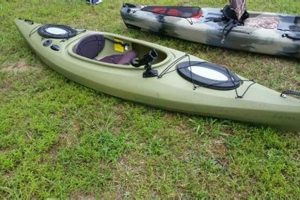
Kayak type significantly influences the practicality and effectiveness of integrated fish storage. Sit-on-top kayaks, characterized by their open deck design, often feature molded-in wells or recesses suitable for holding fish. These wells, while convenient for access, may offer limited temperature control and can be susceptible to water splashing. Sit-in kayaks, with their enclosed cockpits, provide more protection from the elements but require dedicated storage solutions like insulated bags or coolers placed within the cockpit or secured to the deck. The choice between these types depends on factors such as fishing style, target species, and environmental conditions.
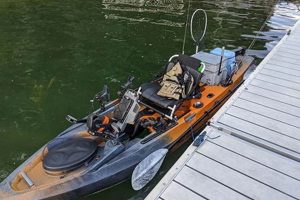
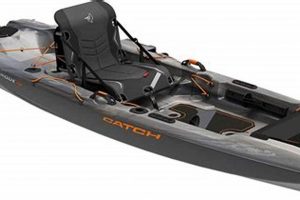
Specialized fishing kayaks frequently incorporate purpose-built storage features. Examples include live wells with recirculating pumps for keeping baitfish alive, large insulated hatches for storing larger catches, and dedicated compartments for tackle and gear. Recreational kayaks, while generally lacking such specialized features, can be adapted using aftermarket accessories like coolers, insulated bags, or fish stringers. Understanding the trade-offs between kayak types and their respective storage capabilities enables anglers to select the most appropriate vessel for their specific needs. For instance, an angler targeting large pelagic species would prioritize a sit-on-top kayak with ample well space or the ability to accommodate a large cooler, while someone fishing for smaller freshwater species might prefer a sit-in kayak with a smaller, insulated storage bag.
Choosing the correct kayak type for effective fish storage is essential for maintaining catch quality and maximizing angling success. The chosen storage method must align with the target species, anticipated catch volume, and the duration of fishing trips. Careful evaluation of these factors ensures that the selected kayak and storage solutions contribute to a positive and productive fishing experience. The specific design and features of a kayak ultimately determine the practicality and success of maintaining a fresh catch. Anglers should carefully consider their individual needs and fishing style when selecting a kayak with appropriate storage capabilities.
2. Storage Capacity
Storage capacity is a critical factor influencing the practicality of a fishing kayak. Adequate space for the intended catch directly impacts the angler’s efficiency and the quality of the harvested fish. Balancing storage volume with kayak stability and maneuverability requires careful consideration of several key aspects.
- Species Size and Target Catch Volume:
The size and number of fish typically caught dictate the necessary storage volume. Anglers targeting larger species like salmon or tuna require significantly more space than those pursuing panfish or trout. Estimating the anticipated catch volume helps determine the appropriate storage capacity. For example, a large cooler might be necessary for offshore fishing trips targeting large game fish, while a smaller insulated bag might suffice for inshore excursions focused on smaller species.
- Storage Compartment Design and Accessibility:
The design and accessibility of storage compartments impact both efficiency and fish preservation. Easy-to-access hatches or wells allow for quick and convenient storage, minimizing handling time and stress on the fish. Well-designed compartments also facilitate proper drainage and cleaning. Recessed wells, for instance, keep fish submerged in water or ice, while raised platforms or baskets provide better drainage and airflow. The choice depends on the intended use and the type of fish being caught.
- Impact on Kayak Stability and Maneuverability:
The weight and distribution of the catch within the kayak can significantly affect its stability and maneuverability. Overloading a kayak with fish compromises its balance, increasing the risk of capsizing. Distributing weight evenly within the storage compartments helps maintain stability and control. Smaller, lighter kayaks are more susceptible to instability from uneven weight distribution than larger, more stable platforms. Careful consideration of weight capacity and distribution is crucial for safe and efficient operation.
- Integration with Other Kayak Features:
Storage capacity should be evaluated in conjunction with other kayak features. The placement and design of storage compartments should not interfere with paddling, casting, or other essential fishing activities. Integration with features like rod holders, live wells, and seating arrangements should be considered to ensure a streamlined and efficient fishing experience. For example, a kayak with a rear storage well might be preferable for anglers who frequently cast from a standing position, while a kayak with a front hatch might be more suitable for those who prioritize easy access to their catch.
Selecting the right storage capacity involves balancing the desired catch volume with the overall performance and handling characteristics of the kayak. Careful consideration of species size, storage design, and weight distribution ensures both a successful fishing trip and the preservation of a high-quality catch. Understanding these interconnected factors enables anglers to make informed decisions when selecting a fishing kayak that meets their specific needs and enhances their overall fishing experience.
3. Cooling Methods

Maintaining a low temperature within a kayak’s fish storage area is crucial for preserving catch quality. Effective cooling methods inhibit bacterial growth and enzymatic activity, maximizing the freshness and palatability of harvested fish. Various cooling strategies exist, each with distinct advantages and limitations in the context of kayak fishing.
- Ice:
Ice, in various forms, remains a prevalent cooling method. Block ice offers extended cooling duration but requires larger storage compartments. Crushed or flaked ice conforms more readily to the shape of the fish, maximizing contact and cooling efficiency. Slurry ice, a mixture of ice and water, provides consistent cooling and minimizes bruising. However, all ice-based methods necessitate regular replenishment and contribute added weight to the kayak.
- Insulated Containers:
Insulated bags or coolers enhance the effectiveness of ice by minimizing temperature fluctuations. These containers offer varying degrees of insulation, impacting cooling duration. Higher-end coolers can maintain ice for several days, while simpler insulated bags offer shorter-term temperature control. Selecting the appropriate insulation level depends on factors like ambient temperature, trip duration, and target species.
- Live Wells with Recirculation or Aeration:
For anglers targeting baitfish or intending to keep fish alive for later release, live wells provide a specialized cooling solution. Recirculating pumps or aeration systems maintain oxygen levels and water temperature within the well, promoting fish survival. These systems require additional space and power considerations within the kayak’s design.
- Pre-Chilling and Drainage:
Pre-chilling storage compartments before departure extends the cooling duration of ice or other methods. Effective drainage systems within storage areas are essential for removing meltwater and fish waste, minimizing bacterial growth and maintaining hygiene. Drain plugs and strategically placed scupper holes facilitate efficient drainage.
The chosen cooling method directly impacts the effectiveness of a kayak’s fish storage system. Balancing cooling capacity, weight considerations, and the specific requirements of the target species ensures that the chosen approach maintains catch quality throughout the fishing excursion. Integrating appropriate cooling strategies enhances both the culinary and sporting aspects of kayak fishing, preserving the freshness and integrity of the harvested fish.
4. Accessibility

Efficient access to stored fish is paramount in kayak angling. Rapid retrieval and minimal handling preserve fish quality and streamline the fishing process. Accessibility considerations encompass physical access to storage compartments, the design of these compartments, and their integration with the overall kayak layout. Compromised accessibility can lead to inefficiencies, reduced catch quality, and potential safety hazards on the water.
- Reach and Positioning of Storage Compartments:
Storage compartments should be positioned within easy reach from the angler’s seated position. Awkwardly placed hatches or wells necessitate excessive stretching or movement, increasing the risk of losing balance or disturbing the kayak’s stability. Optimal placement minimizes disruption to the fishing process and allows for efficient retrieval of fish without compromising safety. For example, a forward-placed hatch within easy arm’s reach is generally more accessible than a rear well requiring the angler to twist and reach behind them.
- Opening and Closure Mechanisms:
Secure yet easily operable latches and closures are essential for efficient access. Complicated or stiff mechanisms can be challenging to operate, especially with wet hands or in rough conditions. Simple, reliable closures minimize handling time and ensure that stored fish remain secure. Examples include hinged lids with secure latches, sliding hatches with easy-grip handles, and zippered closures on insulated bags.
- Compartment Size and Shape:
The dimensions and shape of storage compartments influence accessibility. Narrow or deep compartments can make retrieving fish difficult, especially larger specimens. Wide, shallow compartments offer better visibility and easier access, facilitating quicker retrieval and minimizing handling. Consider the target species and typical catch size when evaluating compartment dimensions. For instance, a large, rectangular hatch is preferable for storing larger fish, while a smaller, circular opening might suffice for smaller species or baitfish.
- Integration with Kayak Layout:
Storage compartment design should integrate seamlessly with the overall kayak layout. Hatches or wells should not obstruct paddling strokes, casting movements, or access to other essential equipment. Careful consideration of placement and design ensures that storage compartments enhance, rather than hinder, the overall fishing experience.
Prioritizing accessibility in kayak fish storage systems contributes significantly to angling efficiency and catch preservation. Well-designed storage solutions enable anglers to quickly and easily manage their catch, minimizing handling time and maximizing the quality of the harvested fish. By carefully considering factors such as reach, opening mechanisms, and compartment design, anglers can optimize their kayak setup for a more productive and enjoyable fishing experience.
5. Cleaning & Maintenance
Maintaining the hygiene and functionality of kayak fish storage systems is crucial for preserving catch quality, preventing equipment degradation, and promoting responsible angling practices. Neglecting cleaning and maintenance can lead to bacterial growth, unpleasant odors, material deterioration, and potential cross-contamination of subsequent catches. Regular cleaning and proper maintenance ensure the longevity of the kayak and its storage components, contributing to a more enjoyable and sustainable fishing experience.
- Cleaning Procedures:
Thorough cleaning after each fishing trip is essential. This involves removing all fish remnants, ice, and water from storage compartments. Washing with mild soap and water, followed by rinsing with fresh water, removes organic matter and prevents bacterial proliferation. For stubborn stains or odors, specialized cleaning solutions designed for marine environments can be employed. Allowing compartments to dry completely before storage prevents mildew and mold growth.
- Material-Specific Care:
Different storage materials require specific cleaning and maintenance procedures. Plastic wells and hatches are generally durable and easy to clean, while insulated bags or coolers require more careful attention to prevent damage to the insulating layers. Avoid using abrasive cleaners or harsh chemicals that can degrade materials. Inspecting compartments regularly for cracks, leaks, or other damage is essential for preventing further deterioration and ensuring optimal functionality.
- Drainage System Maintenance:
Maintaining proper drainage is crucial for preventing water accumulation and bacterial growth. Regularly inspect and clean drain plugs, tubes, and scupper holes to ensure unimpeded water flow. Clearing any debris or obstructions prevents clogs and promotes efficient drainage. Proper drainage also minimizes the risk of stagnant water contributing to unpleasant odors and contamination.
- Long-Term Storage Practices:
Proper storage practices during the off-season preserve the integrity of fish storage systems. Thoroughly clean and dry all compartments before storing the kayak. Storing the kayak in a cool, dry environment, protected from direct sunlight and extreme temperatures, prevents material degradation and minimizes the risk of mold or mildew growth. Covering storage compartments can further protect them from dust and debris.
Diligent cleaning and maintenance practices are integral to the effective use of kayak fish storage systems. Regular cleaning prevents contamination, preserves material integrity, and ensures optimal functionality. By adhering to proper maintenance procedures, anglers can extend the lifespan of their equipment, minimize environmental impact, and enhance the overall enjoyment and success of their fishing excursions. A well-maintained storage system contributes directly to a more hygienic, efficient, and sustainable approach to kayak fishing.
6. Regulations & Ethics
Regulations and ethical considerations are integral to responsible kayak fishing, particularly concerning fish storage. Legal frameworks, such as catch limits, size restrictions, and permitted species, directly influence storage practices. Exceeding catch limits necessitates discarding fish, potentially impacting fish populations and ecosystem balance. Storing undersized or prohibited species raises ethical and legal concerns, undermining conservation efforts. For instance, exceeding the daily limit of trout while kayak fishing and storing them illegally could result in fines and suspension of fishing privileges. Similarly, keeping an undersized bass, even if unintentionally caught, violates regulations designed to protect breeding populations. Ethical considerations extend beyond legal requirements, encompassing practices that minimize stress on captured fish and ensure their humane treatment prior to storage or release. Utilizing appropriate storage methods, such as properly sized live wells or adequately chilled containers, reflects an ethical commitment to fish welfare.
Practical application of regulations and ethics requires anglers to familiarize themselves with local fishing laws and adopt best practices for fish handling and storage. Carrying a measuring tool and species identification guide facilitates compliance with size and species restrictions. Employing appropriate cooling methods, such as ice or insulated containers, minimizes fish spoilage and preserves quality, reducing waste. Promptly releasing undersized or prohibited species minimizes their stress and maximizes their survival chances. Ethical angling also entails minimizing environmental impact by properly disposing of fishing line and other waste materials, preventing entanglement and pollution. Understanding and adhering to these principles distinguishes responsible anglers committed to both the sport and the sustainability of aquatic resources. For example, using barbless hooks facilitates easier release and minimizes injury to fish, reflecting ethical catch-and-release practices.
Integrating regulations and ethical considerations into kayak fishing with proper storage practices underscores a commitment to conservation and responsible resource management. Adhering to catch limits and size restrictions preserves fish populations for future generations. Employing humane handling and storage techniques minimizes stress on captured fish and promotes their well-being. By embracing ethical angling practices, kayak anglers contribute to the long-term health and sustainability of aquatic ecosystems. Challenges remain, however, including enforcement of regulations and promoting widespread adoption of ethical guidelines. Addressing these challenges requires collaborative efforts between governing bodies, angling communities, and educational initiatives that emphasize responsible fishing practices. The future of kayak fishing, and indeed all forms of angling, depends on a collective commitment to ethical principles and sustainable resource management.
Frequently Asked Questions
This section addresses common inquiries regarding kayaks equipped with fish storage, providing concise and informative responses.
Question 1: What kayak types are best suited for integrated fish storage?
Sit-on-top kayaks often feature built-in wells suitable for holding fish, while sit-in kayaks accommodate coolers or insulated bags. Specialized fishing kayaks may include live wells or dedicated storage compartments. The optimal choice depends on individual fishing styles and target species.
Question 2: How does storage capacity influence kayak stability?
Weight distribution significantly impacts stability. Distributing the catch evenly within storage compartments is crucial, especially in smaller kayaks. Exceeding the kayak’s weight capacity compromises stability and increases the risk of capsizing.
Question 3: What cooling methods are most effective in kayak fish storage?
Ice, in various forms, remains a prevalent cooling method. Insulated containers enhance ice effectiveness. Live wells with recirculation or aeration systems are suitable for keeping baitfish or catch alive for later release. Pre-chilling storage areas and ensuring proper drainage maximize cooling efficiency.
Question 4: How can accessibility to stored fish be maximized in a kayak?
Prioritize compartments within easy reach from the seated position. Simple, reliable opening mechanisms and appropriately sized compartments facilitate quick retrieval and minimize handling. Storage design should not obstruct paddling or casting.
Question 5: What maintenance practices are essential for kayak fish storage systems?
Regular cleaning with mild soap and water after each trip is crucial. Specific material care guidelines should be followed. Maintaining proper drainage and storing the kayak in a cool, dry environment during the off-season preserves system integrity.
Question 6: How do fishing regulations and ethical considerations apply to kayak fish storage?
Adherence to catch limits, size restrictions, and permitted species is essential. Employing humane handling and storage practices minimizes stress on captured fish. Proper disposal of fishing line and other waste reflects responsible angling ethics.
Understanding these aspects contributes to informed decision-making regarding selecting, utilizing, and maintaining kayak fish storage for a successful and responsible fishing experience.
Further exploration of specific kayak models and their unique storage features will provide more detailed guidance for individual angling needs. The subsequent section will showcase examples of popular fishing kayaks known for their innovative storage solutions.
Kayak with Fish Storage
Specialized storage within kayaks has revolutionized angling, offering enhanced catch preservation and streamlined fishing experiences. From integrated wells in sit-on-top designs to specialized compartments in fishing kayaks, these features enable anglers to maintain catch freshness, adhere to regulations, and practice ethical fishing. Effective utilization involves understanding capacity limitations, implementing appropriate cooling strategies, prioritizing accessibility, and adhering to rigorous cleaning and maintenance routines. Choosing the right storage solution depends on target species, fishing style, and environmental conditions. Proper integration of storage features enhances kayak stability, maneuverability, and overall fishing efficiency.
As angling continues to evolve, advancements in kayak fish storage technology promise further improvements in catch preservation and angling practices. Focusing on sustainable materials, innovative cooling technologies, and integrated design features will enhance both the practicality and ethical dimensions of the sport. Responsible angling practices, combined with well-maintained storage solutions, ensure the preservation of aquatic resources and the future enjoyment of kayak fishing for generations to come. Continued exploration of angler needs and environmental considerations will drive innovation and promote responsible stewardship of aquatic ecosystems.