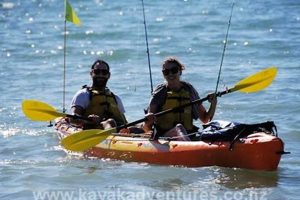
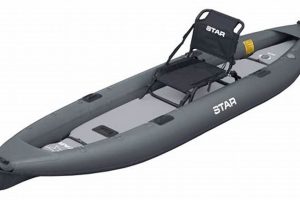
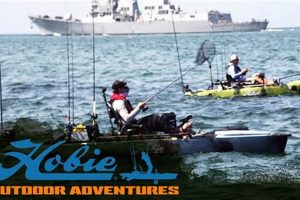
The practice of angling from a small, human-powered watercraft offers a unique way to experience the diverse marine environment off the coast of this Southern California city. It combines the tranquility and physical engagement of paddling with the thrill of pursuing a variety of fish species. This activity typically involves specialized kayaks designed for stability and equipped with features like rod holders, storage compartments, and anchor systems.
This approach to angling provides access to shallow waters and secluded coves often inaccessible to larger vessels, allowing for a closer connection with nature and enhanced fishing opportunities. Historically, small boats have been utilized for fishing in the region, but the modern adaptation with specialized kayaks has significantly increased the popularity and accessibility of this pursuit. The low environmental impact compared to motorized boats further contributes to its appeal.
The following sections will delve into specific aspects of this pursuit, including popular target species, recommended equipment, suitable launch locations, safety regulations, and responsible angling practices.
Tips for Kayak Angling in San Diego
Careful planning and preparation contribute significantly to a successful and enjoyable experience on the water. The following tips offer valuable guidance for anglers of all skill levels.
Tip 1: Check Weather and Tide Conditions: Consulting marine forecasts before embarking is crucial. Wind, swell, and tidal currents can significantly impact safety and fishing success. Calm conditions are generally preferred, especially for beginners.
Tip 2: Choose Appropriate Kayak and Gear: Selecting a kayak designed for stability and fishing is essential. Key features include rod holders, ample storage, and an anchor system. Essential gear includes appropriate fishing rods, reels, tackle, and safety equipment.
Tip 3: Plan Your Route and Launch Location: Identifying suitable launch sites and planning a fishing route in advance can optimize time on the water. Consider factors such as target species, water depth, and potential hazards.
Tip 4: Prioritize Safety: Wearing a personal flotation device is paramount. Carrying a whistle, signaling device, and communication equipment is also highly recommended. Informing someone of your fishing plans and estimated return time is a crucial safety precaution.
Tip 5: Understand Local Regulations: Familiarizing oneself with fishing licenses, size and catch limits, and protected species regulations is essential for responsible angling.
Tip 6: Practice Proper Kayak Handling: Mastering basic paddling techniques and maneuvering skills enhances safety and efficiency on the water. Practicing in calm conditions before venturing into more challenging environments is advisable.
Tip 7: Respect the Environment: Adhering to Leave No Trace principles, properly disposing of fishing line and other waste, and avoiding disturbance of marine life contribute to the preservation of the coastal ecosystem.
By adhering to these guidelines, anglers can enhance their safety, improve their chances of success, and contribute to the responsible enjoyment of San Diego’s unique coastal fishing opportunities.
Equipped with these insights, anglers are well-prepared to explore the exciting world of kayak fishing in San Diego. The concluding section will offer further resources and information for planning your next adventure.
1. Launch Locations

Launch locations play a critical role in the overall kayak fishing experience in San Diego. Appropriate site selection significantly influences accessibility, target species, and overall safety. Factors such as parking availability, water conditions, proximity to target fishing grounds, and presence of facilities like restrooms and fish cleaning stations should be considered. Choosing a launch site poorly matched to skill level or environmental conditions can lead to difficulties launching and landing, increased exposure to hazards, and a less productive fishing trip. Conversely, careful selection facilitates a smooth and enjoyable experience.
For example, La Jolla Shores, known for its calm waters and gentle slope, provides an ideal launch point for beginners. Shelter Island offers convenient access to deeper waters suitable for targeting pelagic species. Mission Bay, with its network of channels and varying depths, caters to anglers seeking diverse habitats and species. Coronado Ferry Landing, while offering stunning views and access to the bay, presents challenges due to higher boat traffic and stronger currents, requiring more advanced paddling skills. Understanding these nuances enables anglers to choose locations aligned with their experience and fishing objectives.
Strategic launch site selection optimizes access to prime fishing grounds. La Jolla Shores provides proximity to kelp forests teeming with calico bass and halibut. Launching from Mission Bay allows access to shallow-water flats ideal for targeting spotted bay bass. Choosing a launch location near a desired fishing area minimizes transit time, maximizing fishing time and reducing physical exertion. Careful consideration of launch location relative to target species and prevailing conditions ultimately enhances fishing success and overall enjoyment. Understanding the specific characteristics of various San Diego launch sites is therefore essential for a rewarding kayak fishing experience.
2. Target Species

The diverse marine ecosystem off the coast of San Diego presents kayak anglers with a wide array of target species. Understanding the habits and preferred habitats of these fish is crucial for a successful fishing experience. Strategic species selection influences tackle choices, fishing techniques, and location selection, ultimately maximizing angling opportunities.
- Calico Bass (Paralabrax clathratus)
Calico bass, a popular target for kayak anglers, inhabit kelp forests and rocky reefs, often found near La Jolla and Point Loma. Their aggressive nature and tendency to strike a variety of lures make them an exciting quarry. Knowledge of their feeding patterns and preferred structures enhances the likelihood of a successful catch.
- Halibut (Paralichthys californicus)
Halibut, prized for their size and fighting ability, prefer sandy bottom habitats in bays and near shore areas like Mission Bay and Coronado. Anglers often employ live bait or artificial lures presented near the seafloor to entice these ambush predators. Patience and understanding of their camouflage tactics are key to success.
- Yellowtail (Seriola lalandi)
Yellowtail, powerful pelagic fish, migrate through San Diego waters seasonally, offering an exciting challenge for experienced kayak anglers. Targeting these fish requires specialized tackle and techniques, often involving trolling or live bait fishing near offshore structures. Their strong runs and acrobatic displays provide a thrilling angling experience.
- Barracuda (Sphyraena spp.)
Barracuda, known for their sharp teeth and aggressive strikes, are often encountered near kelp beds and reefs throughout the San Diego coastline. While not typically a primary target, their opportunistic feeding habits can lead to incidental catches while fishing for other species. Exercise caution when handling these fish due to their sharp teeth.
Selecting appropriate target species based on skill level, desired angling experience, and seasonal availability contributes significantly to a successful kayak fishing trip in San Diego. Matching fishing techniques and location choices to the specific habits of target species maximizes catch rates and enhances overall enjoyment. Further research into the behavior and preferred habitats of these and other local species will further refine angling strategies and contribute to a more rewarding experience on the water.
3. Kayak Selection
Appropriate kayak selection is paramount for a successful and enjoyable kayak fishing experience in San Diego. The chosen vessel directly impacts stability, maneuverability, and accessibility to diverse fishing locations. Careful consideration of hull design, features, and storage capacity ensures optimal performance and angler comfort. A poorly chosen kayak can compromise safety, limit fishing effectiveness, and detract from the overall experience. Conversely, a well-suited kayak enhances stability in varying water conditions, facilitates efficient paddling to target locations, and provides convenient storage for essential gear.
- Hull Design
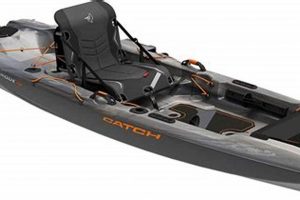
Hull design significantly influences kayak performance in San Diego waters. Sit-on-top kayaks, known for their self-bailing capabilities and stability, are generally preferred for fishing. Their open design allows for easy entry and exit, crucial in the dynamic coastal environment. Longer, narrower hulls offer enhanced speed and tracking for covering greater distances, beneficial for accessing offshore fishing grounds. Shorter, wider hulls provide increased stability, crucial for casting and reeling in fish, particularly in challenging conditions. Choosing a hull design aligned with individual needs and the intended fishing environment is essential.
- Features
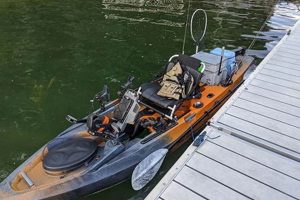
Specialized features enhance the functionality and convenience of fishing kayaks. Built-in rod holders secure fishing rods, allowing for hands-free operation while paddling or handling other equipment. Storage compartments, including hatches and tank wells, provide secure storage for tackle boxes, safety gear, and personal belongings. Anchor systems, particularly those with retractable anchors, offer precise positioning in desired fishing locations. These features contribute to a more organized, efficient, and enjoyable fishing experience.
- Propulsion
While traditional paddle kayaks offer a quiet and eco-friendly approach, pedal-powered kayaks offer increased speed and range. This can be advantageous when covering larger distances or fishing in areas with currents. Electric motor-powered kayaks offer even greater range and the ability to navigate against currents and winds. These alternative propulsion systems offer different advantages and trade-offs, depending on individual needs and fishing preferences.
- Capacity
Kayak capacity, determined by weight limits and storage space, influences both safety and practicality. Exceeding the maximum weight capacity compromises stability and increases the risk of capsizing. Adequate storage space is essential for carrying fishing gear, safety equipment, and personal items. Careful consideration of these factors ensures a comfortable and safe fishing experience, particularly in challenging conditions. Anglers should accurately assess their weight, including gear, and choose a kayak with sufficient capacity.
Careful consideration of these facets of kayak selection contributes significantly to a safe, productive, and enjoyable kayak fishing experience in San Diego. Matching the kayak’s characteristics to the specific demands of the local environment, target species, and individual angling style optimizes performance and enhances the overall experience on the water.
4. Essential Gear

Effective kayak fishing in San Diego requires specialized equipment tailored to the local environment and target species. Essential gear directly impacts angler safety, fishing success, and overall enjoyment. Careful selection and proper utilization of equipment are crucial for navigating the coastal waters, presenting lures effectively, and landing fish safely. Neglecting essential gear can compromise safety, limit fishing effectiveness, and detract from the overall experience.
Safety Equipment: Personal flotation devices (PFDs) are non-negotiable for kayak anglers. A well-fitting PFD provides essential buoyancy in the event of capsizing, a critical safety consideration in the dynamic ocean environment. A whistle or air horn enables signaling for assistance in emergencies. A waterproof VHF radio facilitates communication with other boaters and emergency services, particularly important in offshore areas. A first-aid kit equipped to address common fishing-related injuries, such as hook removals and minor cuts, is also essential. Carrying a signaling device, such as a mirror or flare, further enhances safety in the event of becoming stranded.
Fishing Gear: Rod and reel selection depends on target species and fishing techniques. Medium-light to medium-heavy spinning or baitcasting rods paired with appropriate reels are versatile choices for targeting common San Diego species like calico bass, halibut, and yellowtail. Tackle selection includes a variety of lures, hooks, weights, and lines suited to the target species and fishing conditions. A landing net facilitates safe and efficient retrieval of fish, minimizing handling time and reducing stress on the catch. A fish finder or GPS unit aids in locating productive fishing areas and navigating safely, particularly in unfamiliar waters. A tackle box or bag provides organized storage for essential fishing gear.
Kayak Accessories: A comfortable and adjustable seat enhances comfort during long hours on the water. A paddle leash prevents accidental loss of the paddle, a critical piece of equipment for maneuvering and returning to shore. An anchor system, preferably with a retractable anchor, provides precise positioning in desired fishing locations, particularly important in areas with current or wind. Rod holders secure fishing rods, allowing hands-free operation while paddling or handling other equipment. Dry bags or waterproof containers protect electronics, valuables, and other essential items from water damage. Carrying a spare paddle ensures redundancy in case of breakage or loss, a crucial safety consideration, especially in remote locations. A bilge pump or bailer aids in removing water from the kayak, crucial for maintaining stability and preventing swamping in rough conditions.
Careful selection and appropriate utilization of essential gear contribute significantly to a safe, successful, and rewarding kayak fishing experience in San Diego. Understanding the function and importance of each piece of equipment enhances angler preparedness, improves fishing effectiveness, and prioritizes safety on the water.
5. Safety Procedures

Safety procedures are integral to responsible kayak fishing in San Diego. The coastal environment presents inherent risks, including changing weather conditions, vessel traffic, and potential encounters with marine life. Adherence to established safety protocols significantly mitigates these risks, ensuring angler well-being and fostering a positive experience. Neglecting safety precautions can lead to serious consequences, ranging from minor injuries to life-threatening situations. A comprehensive understanding of safety procedures is therefore paramount for all kayak anglers.
One crucial aspect of kayak fishing safety involves continuous monitoring of weather and sea conditions. Sudden changes in wind speed, wave height, or current strength can create hazardous situations for kayakers. Checking marine forecasts before embarking and remaining vigilant throughout the trip allows anglers to anticipate and react appropriately to changing conditions. For instance, unexpectedly strong winds can push a kayak offshore, while large swells can capsize an unstable vessel. Carrying appropriate safety equipment, such as a VHF radio for communication and signaling devices for emergencies, further enhances preparedness. A readily accessible first-aid kit enables immediate response to minor injuries. Understanding self-rescue techniques, including re-entering a capsized kayak, equips anglers to handle unexpected events. Sharing trip plans with someone on shore, including intended launch and return times, provides an additional layer of safety.
Navigating shared waterways safely requires understanding and adhering to established boating regulations. Maintaining a safe distance from motorized vessels and understanding right-of-way rules reduces the risk of collisions. Awareness of designated swimming areas and restricted zones minimizes conflicts with other water users. Proper lighting and signaling devices enhance visibility, particularly during low-light conditions. Responsible waste disposal practices, including proper disposal of fishing line and other debris, contribute to a safe and sustainable environment for all. Ultimately, a comprehensive understanding and consistent application of safety procedures are essential for a positive and safe kayak fishing experience in San Diego. Prioritizing safety not only protects individual anglers but also fosters a culture of responsible use of the coastal environment.
6. Local Regulations
Adherence to local regulations is essential for responsible and sustainable kayak fishing in San Diego. These regulations aim to protect fish populations, preserve marine habitats, and ensure the safety of all water users. Understanding and complying with these rules contribute to the long-term health of the ecosystem and the continued enjoyment of this recreational activity. Non-compliance can result in fines, legal penalties, and damage to the environment.
- Fishing Licenses and Permits
Valid fishing licenses are mandatory for all anglers in San Diego, including those fishing from kayaks. Different license types exist depending on residency, age, and fishing methods. Additional permits may be required for specific species or fishing locations. Acquiring the correct licenses and permits before embarking on a fishing trip ensures compliance and avoids potential penalties.
- Size and Catch Limits
Regulations dictate minimum sizes and maximum catch limits for various fish species. These limits are designed to protect vulnerable populations and maintain sustainable fish stocks. Anglers must accurately measure their catch and release any undersized or over-the-limit fish immediately. Familiarization with species-specific regulations is crucial for responsible angling.
- Marine Protected Areas (MPAs)
Designated MPAs exist along the San Diego coastline to conserve sensitive marine habitats and biodiversity. Regulations within MPAs may restrict fishing activities, anchoring, or access altogether. Understanding MPA boundaries and specific restrictions is essential for avoiding unintentional violations and contributing to the preservation of these vital areas. Maps and online resources provide detailed information on MPA locations and regulations.
- Boating and Safety Regulations
Kayak anglers must adhere to general boating and safety regulations, including navigation rules, equipment requirements, and speed limits. Proper lighting and signaling devices are crucial for visibility, particularly during low-light conditions. Wearing a personal flotation device (PFD) is mandatory for all kayak anglers. Compliance with these regulations enhances safety on the water and reduces the risk of accidents.
By understanding and adhering to these local regulations, kayak anglers in San Diego contribute to the sustainability of local fisheries, the protection of marine ecosystems, and the overall safety of the coastal environment. Responsible angling practices ensure the continued enjoyment of this recreational activity for future generations. Consulting official resources, such as the California Department of Fish and Wildlife website, provides the most up-to-date and accurate information regarding local fishing regulations.
7. Environmental Impact

Minimizing environmental impact is a crucial aspect of responsible kayak fishing in San Diego. The coastal ecosystem, while resilient, remains vulnerable to human activities. Sustainable angling practices ensure the preservation of this valuable resource for future generations. Understanding potential impacts and adopting appropriate mitigation strategies are essential for all kayak anglers.
- Disturbance of Marine Habitats
Kayaks, due to their quiet and non-motorized nature, offer a less intrusive way to access sensitive marine habitats compared to motorized vessels. However, improper anchoring practices can damage fragile seagrass beds and coral reefs. Dragging anchors across these habitats can uproot vegetation and break coral structures, disrupting the ecosystem. Utilizing appropriate anchoring techniques, such as deploying anchors in sandy areas or using drift socks in shallow water, minimizes disturbance. Careful maneuvering in shallow areas prevents grounding and minimizes sediment disturbance, which can negatively impact water quality and marine life.
- Pollution from Fishing Gear
Discarded fishing line poses a significant threat to marine wildlife. Birds, sea turtles, and marine mammals can become entangled in discarded line, leading to injury or death. Lost or abandoned fishing gear, including hooks and weights, can also injure or kill marine animals. Responsible disposal of fishing line and gear in designated receptacles or by taking it home for proper disposal prevents entanglement and minimizes pollution. Using biodegradable fishing lines and opting for lead-free weights further reduces environmental impact.
- Interaction with Wildlife
Close proximity to marine wildlife offered by kayak fishing necessitates responsible viewing practices. Harassing or disturbing marine mammals, seabirds, and other wildlife can disrupt their natural behaviors and cause stress. Maintaining a safe distance, avoiding sudden movements, and refraining from feeding wildlife minimizes disturbance and allows for observation without interference. Understanding the sensitive nature of the coastal ecosystem and respecting its inhabitants contribute to its long-term health.
- Introduction of Invasive Species
Kayaks can inadvertently transport invasive species between different bodies of water. Aquatic plants and invertebrates can attach to kayaks and gear, potentially introducing non-native species into new environments. Thoroughly cleaning kayaks and equipment after each use, including removing any visible plant material or organisms, helps prevent the spread of invasive species, which can outcompete native species and disrupt the ecological balance. Draining bilge water and live wells before leaving a launch site further minimizes the risk of introducing invasive species.
By understanding and addressing these environmental impacts, kayak anglers in San Diego can contribute to the preservation of the coastal ecosystem. Adopting sustainable fishing practices and promoting responsible behavior on the water ensures the continued enjoyment of this recreational activity while minimizing its ecological footprint. Continued education and awareness of environmental issues further enhance the sustainability of kayak fishing in the region.
Frequently Asked Questions
This section addresses common inquiries regarding kayak fishing in San Diego, providing concise and informative responses to facilitate informed decision-making and enhance the overall experience.
Question 1: What are the most suitable kayak launch locations in San Diego?
Several launch sites cater to varying skill levels and target species. La Jolla Shores offers calm waters ideal for beginners, while Shelter Island provides access to deeper waters. Mission Bay’s diverse habitats suit various fishing styles. Selection depends on angler experience and target species.
Question 2: What essential gear is required for kayak fishing?
Essential gear includes a properly fitted personal flotation device (PFD), a paddle with a leash, appropriate fishing rods and reels, tackle suited to target species, and a landing net. Navigation tools like a GPS or fish finder enhance safety and efficiency. Storage solutions like a tackle box or dry bag keep gear organized and protected.
Question 3: Are there specific regulations regarding fishing licenses and catch limits?
A valid California fishing license is required for all anglers, including those fishing from kayaks. Specific regulations dictate size and catch limits for various species. Consulting the California Department of Fish and Wildlife website provides detailed information on current regulations.
Question 4: What safety precautions should one take while kayak fishing?
Checking weather forecasts before embarking is crucial. Informing someone of fishing plans, including intended location and return time, enhances safety. Carrying a VHF radio, signaling devices, and a first-aid kit is highly recommended. Wearing a PFD is mandatory. Understanding self-rescue techniques and navigation rules is essential.
Question 5: What are the primary target species for kayak anglers in San Diego?
Popular target species include calico bass, halibut, yellowtail, and barracuda. Species selection influences fishing location, tackle choices, and techniques. Researching the habits and habitats of target species enhances fishing success.
Question 6: How can one minimize environmental impact while kayak fishing?
Utilizing appropriate anchoring techniques avoids damage to sensitive habitats. Responsible disposal of fishing line and gear prevents entanglement of marine wildlife and pollution. Respecting marine protected areas and observing wildlife from a safe distance minimizes disturbance. Cleaning kayaks and equipment after each use prevents the spread of invasive species.
Careful consideration of these frequently asked questions enhances preparedness, promotes safety, and fosters responsible angling practices, contributing to a more rewarding and sustainable kayak fishing experience in San Diego.
The following resources provide additional information and support for planning a kayak fishing trip in San Diego.
Conclusion
This exploration of angling from human-powered watercraft in San Diego has highlighted the unique blend of recreational enjoyment and environmental responsibility it offers. From launch site selection and species targeting to equipment choices and safety procedures, informed preparation is crucial for a successful and sustainable experience. Adherence to local regulations and mindful interaction with the marine environment ensure the preservation of this valuable resource.
The accessibility and adaptability of this pursuit offer a unique connection with the coastal ecosystem. Continued education, responsible angling practices, and a commitment to conservation will ensure the enduring appeal and sustainability of this rewarding activity within San Diego’s vibrant coastal community.