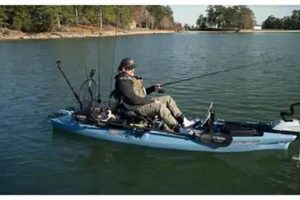
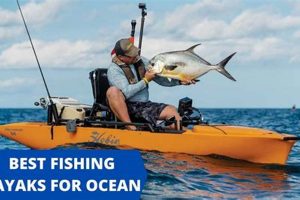
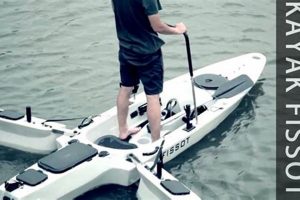
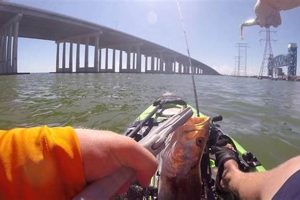
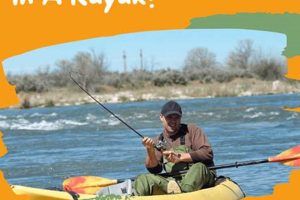
This activity involves the use of small, human-powered vessels to pursue finfish and other aquatic life in the coastal waters near the town of Rockport. Anglers utilize specialized equipment designed for stability and maneuverability in a marine environment. Common targets might include redfish, speckled trout, flounder, and other species depending on the season and location.
The sheltered bays and estuaries surrounding Rockport offer calm waters ideal for this pursuit, contributing to its popularity among both residents and visitors. Its accessibility allows individuals to experience the natural beauty of the Texas coast while enjoying a recreational activity steeped in local tradition. The shallow-water access provided by kayaks allows anglers to reach areas inaccessible to larger boats, potentially increasing fishing success. It also offers a low-impact, environmentally friendly method for interacting with the coastal ecosystem.
Further exploration will detail specific locations, techniques, regulations, and necessary equipment for a successful and enjoyable experience in this unique coastal fishery.
Tips for Kayak Fishing in Rockport
Careful planning and preparation contribute significantly to a safe and productive fishing experience from a kayak in Rockport waters. The following tips offer guidance for anglers of all skill levels.
Tip 1: Check Weather and Tide Charts: Wind, tides, and currents significantly impact kayak handling. Consulting forecasts before departure is crucial for safety and efficient fishing.
Tip 2: Prioritize Safety Equipment: A personal flotation device (PFD) is essential. A whistle, signaling mirror, and VHF radio are also recommended for emergencies.
Tip 3: Plan a Float Plan: Inform someone onshore of the intended fishing location and expected return time. This ensures a timely response in case of unforeseen circumstances.
Tip 4: Pack Essential Gear Efficiently: Organize tackle, rods, and other equipment within easy reach while maintaining kayak stability. Dry bags protect valuable items from water damage.
Tip 5: Respect Local Regulations: Obtain necessary fishing licenses and adhere to size and catch limits for targeted species. This helps preserve the local ecosystem.
Tip 6: Practice Kayak Handling in Calm Water: Familiarize oneself with kayak control and maneuvering before venturing into open water or challenging conditions. This builds confidence and enhances safety.
Tip 7: Consider Guided Trips for Beginners: Local guides can provide valuable insights into productive fishing spots, techniques, and local regulations, enhancing the experience for novice anglers.
Adherence to these guidelines enhances safety and increases the likelihood of a successful and enjoyable fishing trip in Rockport’s coastal waters.
By considering these elements, anglers can contribute to a sustainable and rewarding experience within this unique coastal environment.
1. Location Selection
Location selection plays a crucial role in successful kayak fishing near Rockport. The diverse estuarine environment offers a range of habitats, each with distinct characteristics influencing fish behavior and accessibility. Selecting a location requires careful consideration of target species, tidal conditions, wind patterns, and potential hazards. For instance, shallow flats within Little Bay may hold redfish and speckled trout during higher tides, while deeper channels near Goose Island State Park become productive for black drum during cooler months. Areas protected from prevailing winds offer calmer conditions, essential for kayak stability and efficient angling.
Matching location choice to target species and prevailing conditions maximizes fishing success. Redfish often inhabit shallow grass beds, requiring stealthy approaches and specialized tackle. Trout may congregate near oyster reefs or drop-offs, demanding precise lure presentation. Understanding these habitat preferences and adjusting location accordingly significantly increases the likelihood of encountering targeted species. Further, considering factors like boat traffic, proximity to launch sites, and the presence of submerged obstacles ensures both safety and efficient use of fishing time.
Strategic location selection contributes significantly to a positive kayak fishing experience in Rockport. By analyzing environmental factors, understanding target species behavior, and prioritizing safety, anglers can maximize their chances of a successful and enjoyable outing. Overlooking this critical aspect can lead to unproductive fishing trips and potentially hazardous situations. Thorough pre-trip planning and informed decision-making regarding location choice remain essential for optimizing fishing outcomes in this dynamic coastal environment.
2. Kayak Stability
Kayak stability represents a critical factor in successful and safe angling excursions within the Rockport coastal environment. Maintaining balance and control directly impacts an angler’s ability to cast, retrieve, and land fish effectively while minimizing the risk of capsizing. Various factors influence stability, demanding careful consideration during kayak selection and operation.
- Hull Design and Width
Wider hulls generally offer greater primary stability, resisting initial tipping motions. Shorter, wider kayaks provide a stable platform ideal for calm waters and sight casting. Longer, narrower kayaks prioritize speed and tracking but sacrifice some initial stability. The choice depends on the intended fishing locations and conditions typical of Rockport waters, from sheltered bays to more exposed areas.
- Weight Distribution and Center of Gravity
Proper weight distribution within the kayak significantly influences stability. Distributing gear evenly and keeping heavier items low within the hull lowers the center of gravity, enhancing stability. Sudden weight shifts, such as those during casting or landing a fish, can compromise stability if not anticipated and counteracted. Understanding weight management within the kayak is essential for safe and effective fishing in the varied conditions found in Rockport.
- Water Conditions and Environmental Factors
Water conditions, including wind, waves, and currents, significantly impact kayak stability. Calm, protected bays offer predictable conditions conducive to stable kayak fishing. Open water areas subject to wind and waves require kayaks with greater secondary stabilitythe ability to resist capsizing after initial tipping. Anglers must assess prevailing conditions in Rockport waters before venturing out and choose appropriate locations and paddling techniques accordingly.
- Angler Experience and Technique
Angler experience plays a role in maintaining kayak stability. Proper paddling technique and body positioning contribute to balance and control. Learning to brace and recover from tipping motions enhances confidence and safety. Novice anglers benefit from practicing basic kayak maneuvers in calm water before venturing into more challenging conditions found in certain Rockport fishing areas. Experience builds confidence and enables anglers to react effectively to unexpected movements or changes in water conditions.
Understanding these facets of kayak stability enhances both safety and fishing efficacy in Rockport’s diverse aquatic environments. Matching kayak selection and operational techniques to anticipated conditions and angler experience levels promotes a productive and enjoyable fishing experience while mitigating risks associated with unstable kayak handling. Proper preparation regarding stability considerations ensures anglers can confidently focus on the pursuit of fish within Rockport’s unique coastal fishery.
3. Appropriate Gear

Appropriate gear selection significantly influences success and safety in Rockport kayak fishing. This encompasses equipment choices directly related to angling effectiveness and items crucial for personal safety and comfort. Tackle selection must consider target species and prevailing conditions. For example, pursuing redfish in shallow grass flats necessitates lighter rods, reels spooled with braided line, and lures designed for weedless retrieval. Targeting trout in deeper channels requires different rod actions, line weights, and lure selections. Understanding these nuances allows anglers to adapt to diverse fishing scenarios encountered in Rockport waters. Beyond fishing-specific equipment, personal safety gear remains paramount. A properly fitted personal flotation device (PFD) is non-negotiable, providing essential buoyancy in case of capsize or unexpected immersion. Additional safety equipment, such as a whistle, signaling mirror, and VHF radio, enhances emergency preparedness. These items facilitate communication and potential rescue operations, especially in remote areas within the Rockport estuary system. Furthermore, comfort and functionality contribute to overall fishing enjoyment and endurance. Appropriate clothing suited to weather conditions, including sun protection and rain gear, ensures anglers remain comfortable throughout their outing. Dry bags protect electronics and other sensitive items from water damage, preserving functionality and value. Comfortable seating within the kayak promotes proper posture and reduces fatigue during extended fishing periods.
The connection between appropriate gear and successful Rockport kayak fishing extends beyond simply catching fish. It encompasses a broader understanding of safety, comfort, and preparedness. While specialized fishing tackle enhances angling effectiveness, appropriate safety gear mitigates risks inherent in the coastal environment. Consideration of comfort factors, including clothing and kayak outfitting, enables anglers to fully enjoy their experience and remain focused on fishing rather than distractions caused by discomfort or equipment malfunction. Selecting the right gear demonstrates a commitment to responsible angling practices and contributes to a positive overall experience in Rockport’s unique fishery.
Investing in appropriate gear for Rockport kayak fishing represents an investment in safety, comfort, and overall fishing success. Careful consideration of tackle selection, safety equipment, and personal comfort needs enhances the fishing experience and minimizes potential risks associated with this activity. Anglers should prioritize equipping themselves with the right tools for the job, ensuring both a productive and enjoyable time on the water while prioritizing personal safety and responsible angling practices. This approach ultimately contributes to the long-term health and sustainability of the Rockport fishery.
4. Tidal Awareness

Tidal awareness constitutes a crucial element for successful kayak fishing in Rockport. Tidal fluctuations significantly influence fish behavior, access to fishing grounds, and kayak navigation within the complex estuarine system. Understanding tidal cycles, currents, and their effects allows anglers to optimize fishing strategies and prioritize safety.
Tidal currents dictate the movement of baitfish and, consequently, the predatory fish that pursue them. Incoming tides often bring clearer, cooler water and stimulate feeding activity. Outgoing tides can concentrate fish in channels and deeper holes as water recedes from shallow flats. Awareness of these patterns enables anglers to position themselves strategically for intercepting fish movement. For instance, fishing near inlets and channels during an incoming tide can prove productive as baitfish and predators move into shallower areas. Conversely, focusing on deeper pockets and drop-offs during an outgoing tide can yield success as fish concentrate in these remaining areas of deeper water.
Furthermore, tidal influence extends beyond fish behavior. Navigating shallow areas, particularly within the extensive flats characteristic of Rockport, requires careful consideration of tidal stage. High tides provide access to areas unreachable during low tide, expanding fishing grounds and potentially revealing productive areas hidden at other times. Conversely, low tides can restrict access and create navigational hazards, emphasizing the importance of consulting tide charts before venturing out. Failing to account for tidal changes can lead to kayaks becoming grounded or stranded, potentially requiring assistance and disrupting the fishing trip. Knowledge of tidal cycles also aids in predicting current strength and direction, essential for efficient kayak maneuvering and anchoring. Strong currents necessitate adjustments in paddling technique and anchor positioning to maintain desired fishing locations. This understanding helps anglers conserve energy and focus on fishing rather than constantly battling currents. Tidal awareness, therefore, enhances both fishing effectiveness and safety by informing decisions related to location selection, navigation, and strategic angling approaches tailored to prevailing tidal conditions.
5. Target Species
Target species selection significantly shapes the Rockport kayak fishing experience. The diverse fish populations inhabiting these coastal waters offer anglers a range of angling opportunities, each demanding specific techniques and equipment. Understanding the habits and habitats of target species directly influences location choices, tackle selection, and overall fishing success. For example, targeting redfish, a popular species in Rockport, requires knowledge of their preference for shallow grass flats and oyster reefs. Anglers often employ sight-fishing techniques, using specialized lures and tackle to entice these ambush predators. Alternatively, pursuing speckled trout may lead anglers to deeper channels and drop-offs, where these fish often congregate. Different tackle and retrieval techniques become necessary to effectively target trout in these distinct environments. Matching angling strategies to the specific target species maximizes success and fosters a more rewarding fishing experience.
The connection between target species and Rockport kayak fishing extends beyond simply choosing which fish to pursue. It influences the entire angling approach, from pre-trip planning to on-the-water execution. Targeting flounder, for instance, might involve drifting slowly across sandy bottom areas with specific rigs and baits designed for these bottom-dwelling fish. This differs significantly from the active casting and retrieving techniques often employed when targeting redfish or trout. Further, understanding seasonal patterns and migratory behaviors of target species enhances fishing success. Speckled trout may move into shallower waters during warmer months and retreat to deeper areas during colder periods. Recognizing these patterns allows anglers to adjust their location choices and fishing strategies accordingly, maximizing their chances of encountering the desired species.
Effective target species selection within Rockport kayak fishing necessitates a nuanced understanding of fish behavior, habitat preferences, and seasonal influences. This knowledge informs strategic decision-making regarding location, tackle, and techniques, optimizing angling success. By aligning fishing practices with the specific characteristics of target species, anglers enhance their experience and contribute to a more sustainable approach to enjoying the diverse fishery Rockport offers. Ignoring the specific needs and behaviors of target species can lead to unproductive trips and missed opportunities. Thorough preparation and a targeted approach ultimately contribute to a more fulfilling and rewarding kayak fishing adventure.
6. Safety Precautions

Safety precautions are paramount in Rockport kayak fishing. The coastal environment presents inherent risks mitigated through careful planning and adherence to safety guidelines. Understanding these precautions ensures enjoyable and incident-free fishing trips.
- Personal Flotation Devices (PFDs)
Wearing a properly fitted PFD is non-negotiable. PFDs provide essential buoyancy in case of capsize or accidental immersion, significantly increasing survival chances in Rockport’s often unpredictable waters. Selecting a comfortable, Coast Guard-approved PFD ensures adequate protection and encourages consistent wear throughout the fishing trip.
- Weather Monitoring and Trip Planning
Checking weather forecasts before embarking on a kayak fishing trip is crucial. Sudden changes in wind speed and direction can create hazardous conditions for small vessels. Planning trips around favorable weather windows and avoiding venturing out during periods of high winds or storms minimizes risks. Monitoring local weather reports during the trip allows for timely adjustments or returns to shore if conditions deteriorate.
- Communication and Emergency Preparedness
Carrying a waterproof VHF radio and a charged cell phone in a waterproof case allows communication with emergency services or shore contacts if needed. Informing someone onshore of the planned fishing location and expected return time provides an additional safety net. A whistle and signaling mirror offer alternative means of attracting attention in case of emergencies, especially if electronic communication devices fail.
- Navigation and Awareness of Surroundings
Navigating Rockport’s shallow bays and channels requires awareness of potential hazards such as oyster reefs, submerged debris, and changing tides. Carrying a nautical chart or using a GPS device aids in safe navigation. Understanding tidal currents and their potential impact on kayak control is essential. Avoiding areas with heavy boat traffic minimizes collision risks, particularly in narrower channels or during periods of reduced visibility.
Prioritizing these safety precautions reinforces responsible angling practices within the Rockport kayak fishing community. Careful planning, adherence to safety guidelines, and continuous awareness of environmental conditions contribute significantly to accident prevention. By integrating these practices into every fishing trip, anglers protect themselves and contribute to a safer environment for all who enjoy Rockport’s coastal waters.
7. Local Regulations
Adherence to local regulations is essential for the sustainability and responsible enjoyment of rockport kayak fishing. Regulations govern aspects such as licensing requirements, catch limits, size restrictions for harvested species, and permitted fishing areas. These rules aim to preserve fish populations, protect sensitive habitats, and ensure equitable access to resources for all anglers. Ignoring these regulations can result in fines, legal penalties, and damage to the local ecosystem.
Texas Parks and Wildlife Department (TPWD) sets and enforces regulations relevant to rockport kayak fishing. Obtaining a valid Texas fishing license is mandatory before engaging in any fishing activity. Specific regulations apply to popular target species such as redfish, speckled trout, and flounder, including bag limits and size restrictions. For example, redfish caught within specific areas may have slot limits, allowing harvest only within a specified size range. These regulations aim to protect breeding populations and ensure the long-term health of the fishery. Additionally, certain areas may have seasonal closures or restrictions to protect vulnerable habitats during critical periods like spawning seasons. Awareness and compliance with these regulations are crucial for responsible angling.
Understanding and adhering to local regulations contributes directly to the preservation of rockport kayak fishing opportunities for future generations. Compliance ensures the sustainability of fish populations and protects the delicate balance of the coastal ecosystem. Disregarding regulations undermines conservation efforts and jeopardizes the long-term health of the fishery, potentially leading to stricter regulations or even closures in the future. Responsible anglers prioritize compliance, recognizing its significance in maintaining a thriving and accessible fishery for all. Accessing and reviewing current TPWD regulations before each fishing trip represents a best practice for ensuring compliance and contributing to the sustainable management of this valuable coastal resource.
Frequently Asked Questions
This section addresses common inquiries regarding kayak fishing in Rockport, Texas, providing concise and informative responses to facilitate informed decision-making and enhance the overall fishing experience.
Question 1: What are the most common target species for kayak anglers in Rockport?
Redfish, speckled trout, and flounder represent popular target species. Other commonly sought-after fish include black drum, sheepshead, and various species of inshore sharks.
Question 2: Are there specific license requirements for kayak fishing in Rockport?
A valid Texas fishing license is required for anyone engaging in recreational fishing, regardless of whether fishing from a kayak, shore, or other vessel. Licenses can be obtained online through the Texas Parks and Wildlife Department website or at authorized retailers.
Question 3: What are the primary safety considerations for kayak fishing in this area?
Essential safety measures include wearing a personal flotation device (PFD), checking weather forecasts before departure, informing someone of fishing plans, carrying communication devices (VHF radio, cell phone), and being aware of tidal currents and potential navigation hazards.
Question 4: Where can kayaks be launched for fishing access in Rockport?
Numerous public boat ramps and kayak launch sites provide access to Rockport’s fishing areas. Locations include the Rockport Harbor, Goose Island State Park, and various smaller public access points along the coastline. Some private marinas may also offer kayak launch facilities.
Question 5: What type of kayak is best suited for fishing in Rockport’s waters?
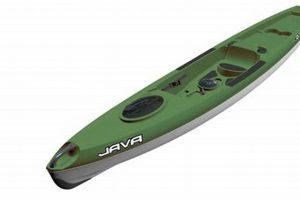
Sit-on-top kayaks are generally preferred for their stability and ease of use in the shallow, often warm waters of Rockport. Kayaks equipped with rod holders, storage compartments, and anchor systems enhance fishing functionality. Kayak selection depends on individual angler preferences, target fishing locations, and prevailing conditions.
Question 6: Are guided kayak fishing trips available in Rockport?
Several local guide services offer guided kayak fishing trips in Rockport. Guided trips provide valuable insights into local fishing hotspots, effective techniques, and relevant regulations, benefiting anglers of all skill levels, particularly those new to the area or kayak fishing.
Careful consideration of these frequently asked questions contributes to a safer, more informed, and ultimately more successful kayak fishing experience in Rockport. Addressing these common inquiries beforehand allows anglers to focus on enjoying their time on the water and maximizing their fishing potential.
Beyond these frequently asked questions, additional resources, including local fishing reports, tide charts, and detailed regulations, can further enhance angling preparedness. Consulting these resources provides up-to-date information crucial for optimizing fishing success and ensuring a safe and enjoyable experience in Rockport’s unique coastal fishery.
Rockport Kayak Fishing
This exploration has provided a comprehensive overview of kayak fishing within the Rockport, Texas coastal region. Key elements influencing successful angling, including location selection, appropriate gear, tidal awareness, target species considerations, safety precautions, and adherence to local regulations, have been examined. Emphasis has been placed on the interconnectedness of these factors, highlighting the importance of a holistic approach to this activity. Understanding and respecting the delicate balance of the coastal ecosystem underpins sustainable fishing practices and contributes to the long-term preservation of this valuable resource.
Successful navigation of this dynamic environment demands both preparation and informed decision-making. Respect for the natural environment and adherence to established regulations ensure continued access to this unique fishery for generations to come. The pursuit offers a rewarding connection with nature and a deeper appreciation for the coastal ecosystem. Continued exploration and responsible engagement contribute to the ongoing vitality of this cherished coastal pursuit.