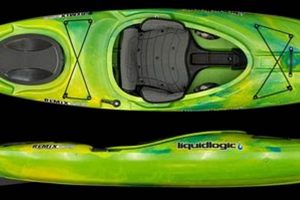
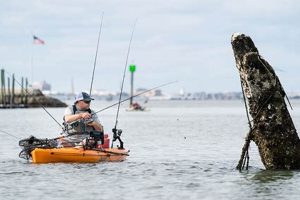
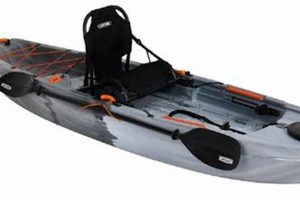
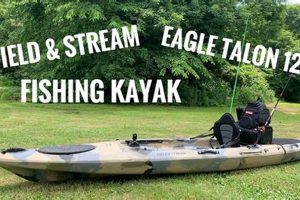
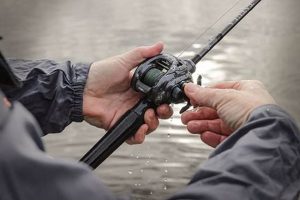
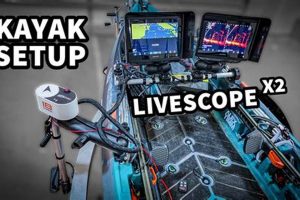
Devices designed to secure fishing rods to kayaks come in various forms, including rod holders, leashes, and mounts. These accessories typically attach to the kayak’s hull or deck and provide a safe and convenient way to store rods while paddling or when multiple lines are deployed. For example, a flush-mounted rod holder allows anglers to troll or position rods strategically while maintaining a low profile.
Secure rod storage is essential for kayak anglers. It prevents rod loss or damage during navigation, especially in challenging waters. Furthermore, dedicated holders allow for hands-free operation, crucial for paddling, landing fish, or managing other equipment. Historically, anglers improvised with rudimentary methods, but the evolution of specialized equipment has significantly enhanced safety and fishing efficiency.
This article will further explore the different types of available equipment, considering factors like material, mounting methods, and compatibility with various kayak designs. Subsequent sections will discuss the advantages and disadvantages of each type, offering guidance for selecting the optimal solution for specific fishing styles and environments.
Tips for Selecting and Utilizing Rod Securing Devices
Choosing and employing appropriate equipment for securing fishing rods contributes significantly to both safety and angling success. The following tips offer guidance for optimizing rod management on a kayak.
Tip 1: Consider the Fishing Environment. Calm, sheltered waters may require less robust securing mechanisms compared to open ocean or rapidly flowing rivers. Choose devices appropriate for the anticipated conditions.
Tip 2: Match the Device to the Kayak. Ensure compatibility between the chosen device and the kayak’s design. Certain mounting systems may not be suitable for all hull materials or configurations.
Tip 3: Prioritize Secure Locking Mechanisms. Opt for devices with robust locking features to prevent accidental rod dislodgement during paddling or when fighting fish.
Tip 4: Evaluate Adjustability and Positioning. Adjustable rod holders allow for customized rod angles, optimizing presentation and retrieval techniques based on target species and fishing style.
Tip 5: Factor in Rod Length and Weight. Select devices capable of accommodating the length and weight of the intended fishing rods to ensure stability and prevent strain on the kayak’s structure.
Tip 6: Regularly Inspect and Maintain Equipment. Periodically check securing devices for signs of wear, corrosion, or damage. Replace any compromised components promptly.
Tip 7: Practice Deployment and Retrieval. Familiarize oneself with the operation of the chosen devices before venturing onto the water. Smooth and efficient rod handling is crucial for safety and responsiveness.
Implementing these tips will improve rod security, enhance angling effectiveness, and mitigate risks associated with equipment loss or damage. Appropriate selection and utilization of rod securing mechanisms contribute significantly to a positive and productive kayak fishing experience.
By considering these factors and selecting appropriate equipment, anglers can enhance safety, improve fishing efficiency, and fully enjoy their time on the water. The following section will offer concluding remarks and summarize key takeaways.
1. Types

Various types of devices exist for securing fishing rods to kayaks, each designed for specific needs and preferences. Selecting the appropriate type is crucial for balancing stability, accessibility, and compatibility with the kayak’s design and the angler’s fishing style.
- Flush Mount Rod Holders
These holders integrate seamlessly with the kayak’s deck or gunwale, minimizing protrusion and maximizing deck space. They offer excellent stability for trolling or storing rods horizontally. Examples include round or rectangular recessed holders. Flush mounts are ideal for anglers who prioritize a streamlined setup and frequently paddle in confined areas. However, they can limit rod angle adjustments compared to other types.
- Track Mounted Rod Holders
Utilizing a track system installed on the kayak, these holders offer greater flexibility in positioning. Anglers can adjust rod placement and angle along the track. This adaptability suits diverse fishing techniques and allows for customized setups. Examples include adjustable rod holders that slide and lock into position on the track. The primary advantage lies in the versatility of rod placement; however, the track system itself adds complexity and potential points of failure compared to simpler mounts.
- Rotating Rod Holders
These holders allow 360-degree rotation, providing maximum freedom in rod orientation. They excel in situations requiring quick adjustments, such as fighting active fish or changing retrieval angles. Examples include holders with rotating bases or articulated arms. While highly adaptable, rotating holders can be less stable than fixed mounts, especially with heavier rods or in rough conditions.
- Rod Leashes and Tethers
These provide a secondary level of security, preventing rod loss in case of accidental dislodgement from the primary holder. Leashes typically attach to the rod handle and a secure point on the kayak. They offer a simple and cost-effective safety measure, especially valuable in turbulent waters or when handling large fish. However, leashes can sometimes tangle with fishing lines if not managed carefully.
Choosing among these types requires careful consideration of individual fishing styles, kayak design, and environmental conditions. Prioritizing stability, adjustability, and ease of use ensures optimal rod management for a safe and efficient kayak fishing experience. Evaluating the trade-offs between these aspects allows for a balanced setup tailored to specific angling needs.
2. Mounting Location
Strategic placement of rod securing devices is paramount for efficient kayak fishing. Mounting location directly impacts accessibility, casting mechanics, and overall boat balance. Careful consideration of potential mounting points ensures an optimized fishing experience tailored to specific needs and techniques.
- Forward Mounting
Positioning rod holders near the bow facilitates trolling and casting while paddling. This location provides easy access and clear casting lanes forward of the kayak. However, forward-mounted rods can interfere with paddle strokes and require careful balance management, particularly in windy conditions or with longer rods.
- Mid-Ship Mounting
Placing rod holders near the cockpit offers a balanced approach, providing relatively easy access while minimizing interference with paddling. This location suits versatile fishing styles and allows for quick transitions between paddling and fishing. Anglers can reach rods easily without excessive leaning or shifting. However, depending on the kayak’s width, mid-ship mounting may restrict casting angles compared to forward or rear positions.
- Rear Mounting
Positioning rod holders behind the angler provides a clear casting area to the rear and keeps rods out of the way while paddling. This location excels for techniques like drift fishing or casting to targets behind the kayak. However, rear-mounted rods can be more difficult to access quickly and may require turning or reaching, potentially impacting stability.
- Gunwale Mounting
Attaching rod holders directly to the gunwale (side) of the kayak offers convenient access and clear casting angles. This placement is versatile, accommodating various rod lengths and fishing styles. Anglers can choose between horizontal or angled mounting depending on specific needs. However, gunwale mounting may increase the kayak’s overall width and potentially create snag points in tight spaces.
Optimal mounting location depends on the specific fishing techniques employed, the kayak’s design, and individual preferences. Balancing accessibility, casting clearance, and boat stability ensures efficient rod management and enhances overall fishing performance. A well-planned mounting strategy contributes significantly to a successful and enjoyable kayak angling experience.
3. Material & Durability

Material selection significantly impacts the longevity and performance of kayak fishing pole attachments. Exposure to harsh environmental conditions, including saltwater, UV radiation, and physical stress, necessitates durable and corrosion-resistant materials. Understanding the properties of common materials allows for informed decisions, ensuring reliable performance and extended lifespan.
- Plastic
Plastic rod holders offer affordability and lightweight construction. High-density polyethylene (HDPE) is a common choice due to its UV resistance and impact strength. However, plastic can become brittle over time with prolonged sun exposure and may not be as robust as metal counterparts. While suitable for recreational use, plastic may not withstand the rigors of frequent or demanding fishing expeditions.
- Aluminum
Aluminum provides a balance of strength, light weight, and corrosion resistance. Anodized aluminum further enhances corrosion protection. While generally durable, aluminum can be susceptible to pitting or oxidation in saltwater environments if not properly maintained. Regular rinsing and periodic application of protective coatings can extend the lifespan of aluminum rod holders.
- Stainless Steel
Stainless steel offers superior corrosion resistance and strength compared to aluminum or plastic. Marine-grade stainless steel is particularly well-suited for saltwater environments due to its high chromium and nickel content. While more expensive, stainless steel provides exceptional durability and longevity, making it a preferred choice for demanding applications and frequent exposure to harsh conditions.
- Composite Materials
Composite materials, such as fiberglass-reinforced nylon, offer a combination of strength, light weight, and corrosion resistance. These materials often incorporate UV inhibitors for added protection against sun damage. Composite rod holders provide a durable and versatile option, balancing performance and cost-effectiveness. They offer a good compromise between the lightweight affordability of plastic and the robust durability of stainless steel.
The chosen material directly influences the overall cost, weight, and durability of the rod securing mechanism. Selecting appropriate materials based on anticipated fishing conditions and frequency of use ensures long-term performance and reliability. Investing in high-quality, durable materials ultimately enhances the kayak fishing experience by minimizing equipment failure and maximizing lifespan.
4. Security & Stability

Secure and stable rod storage is paramount in kayak fishing. A stable system prevents accidental rod loss or damage, particularly during navigation through challenging waters or when battling strong fish. Furthermore, secure storage enhances angler safety by minimizing entanglement risks and keeping the deck clear. The following facets explore the components contributing to robust rod security and stability.
- Locking Mechanisms
Robust locking mechanisms are essential for preventing unintentional rod dislodgement. Examples include lever locks, cam locks, and strap systems. Effective locking mechanisms ensure that rods remain securely in place during paddling, navigating rough waters, or fighting fish. A secure lock minimizes the risk of losing valuable equipment and maintains a safe deck environment.
- Holder Material and Construction
The material and construction of the rod holder itself contribute significantly to overall stability. Durable materials like stainless steel or reinforced composites provide greater rigidity and resistance to stress compared to less robust options. Solid construction with minimal flex ensures that the holder maintains its position and securely grips the rod, even under pressure.
- Mounting System Stability
A stable mounting system is fundamental to overall rod security. Whether flush-mounted, track-mounted, or attached to the gunwale, the mounting system must be securely affixed to the kayak. Loose or poorly installed mounts compromise stability and increase the risk of rod dislodgement. Reinforced mounting plates and high-quality fasteners contribute to a robust and reliable system.
- Rod and Holder Compatibility
Proper fit between the rod and the holder is crucial for stability. The holder should securely grip the rod butt without excessive play or looseness. Using appropriately sized holders for the intended rod diameters prevents slippage and ensures a stable connection. Furthermore, consider rod weight and length when selecting holder size and mounting location to maintain overall kayak balance and prevent tipping.
By addressing these facets, anglers can establish a secure and stable rod storage system. This contributes significantly to safety by preventing equipment loss, minimizing entanglement hazards, and maintaining a clear deck. Furthermore, secure rod storage enhances fishing efficiency by allowing anglers to focus on the task at hand without concern for rod stability or accidental dislodgement.
5. Adjustability
Adjustability in kayak fishing pole attachments significantly impacts angling effectiveness and comfort. Adjustable features allow anglers to optimize rod positioning for various fishing techniques and target species. The ability to alter rod angle, height, and orientation enhances lure presentation, hook sets, and fish fighting capabilities. For example, trolling requires a different rod angle compared to casting or jigging, and adjustable attachments accommodate these variations. Furthermore, angler comfort increases with customizable rod placement, reducing strain during long fishing sessions.
Several types of adjustable attachments exist. Rotating rod holders offer 360-degree rotation, facilitating quick changes in rod orientation. Adjustable-angle rod holders allow for fine-tuning rod angle relative to the waterline, crucial for specific lure presentations or trolling depths. Track-mounted systems provide flexibility in positioning rod holders along the kayak’s gunwales, allowing for customized setups based on individual preferences and fishing styles. The choice of adjustable attachment depends on the target species, fishing techniques employed, and individual ergonomic needs.
Optimizing adjustability enhances fishing success and overall enjoyment. The ability to fine-tune rod positioning improves lure presentation, hook sets, and fish-fighting control. Furthermore, ergonomic adjustments minimize angler fatigue during extended outings. While adjustability adds complexity and potential points of failure, the benefits in terms of versatility and performance outweigh these drawbacks for most kayak anglers. Selecting attachments with appropriate adjustability features is a crucial step in optimizing kayak fishing setups.
6. Compatibility
Compatibility between kayak fishing pole attachments and other components of the fishing setup is crucial for optimal performance, safety, and angler efficiency. Mismatched components can lead to instability, equipment failure, and compromised fishing experiences. Ensuring compatibility across various elements contributes to a seamless and productive angling system.
- Kayak Type and Attachment System
Kayaks vary significantly in design, material, and available mounting points. Sit-on-top kayaks often feature molded-in inserts or track systems for attaching accessories, while sit-inside kayaks may require specialized mounting brackets. Compatibility between the chosen attachment system and the kayak’s structure is paramount. For example, track-mounted rod holders require a compatible track system installed on the kayak. Attempting to install incompatible systems can damage the kayak or result in unstable attachments.
- Rod Holder and Rod Dimensions
Rod holders must accommodate the specific dimensions of the intended fishing rods. Consider rod butt diameter, length, and weight when selecting a rod holder. An improperly sized holder can lead to rod slippage, instability, or even breakage. For instance, a lightweight rod holder designed for spinning rods may not adequately support a heavy-duty saltwater trolling rod. Matching holder size and design to rod dimensions is essential for secure and stable rod storage.
- Attachment Materials and Environmental Conditions
Material compatibility is crucial for longevity and performance in various environments. Saltwater exposure necessitates corrosion-resistant materials like stainless steel or anodized aluminum for rod holders and mounting hardware. Using non-corrosion-resistant materials in saltwater environments can lead to rapid deterioration and equipment failure. Similarly, plastic components may become brittle and susceptible to cracking in extreme cold. Choosing materials compatible with anticipated environmental conditions ensures long-term durability and reliable performance.
- Attachments and Other Kayak Accessories
Compatibility extends beyond rod holders to encompass other kayak accessories such as fish finders, GPS units, and paddle clips. Ensure that installed rod holders do not interfere with the operation or placement of other essential equipment. For example, a poorly positioned rod holder could obstruct access to a fish finder screen or impede paddle strokes. Careful planning and consideration of accessory placement maximize deck space utilization and prevent conflicts between different components.
Addressing compatibility issues across these facets ensures a cohesive and functional kayak fishing system. A well-integrated setup optimizes angler efficiency, maximizes equipment performance, and enhances safety on the water. Careful consideration of compatibility issues contributes to a more productive and enjoyable kayak fishing experience.
7. Maintenance
Regular maintenance of kayak fishing pole attachments is essential for ensuring their longevity, reliability, and safe operation. Neglecting maintenance can lead to equipment failure, compromised safety, and a diminished fishing experience. Proper care preserves the functionality of these attachments, maximizing their lifespan and contributing to successful angling outings.
- Cleaning
Regular cleaning removes salt, grime, and debris that can corrode metal components and degrade plastic parts. After each fishing trip, rinse attachments with fresh water, paying particular attention to crevices and moving parts. For stubborn deposits, use a mild detergent and a soft brush. Thorough cleaning prevents the buildup of corrosive elements and maintains the appearance and functionality of the attachments.
- Inspection
Periodically inspect attachments for signs of wear, corrosion, or damage. Check for loose screws, cracks in plastic components, and signs of rust or oxidation on metal parts. Pay close attention to moving parts, such as rotating mechanisms or locking levers, ensuring smooth operation and secure engagement. Early detection of potential issues allows for timely repairs or replacements, preventing catastrophic failures on the water.
- Lubrication
Moving parts, such as rotating bases or adjustable mechanisms, benefit from periodic lubrication. Apply a marine-grade lubricant to these parts to ensure smooth operation and prevent sticking or binding. Avoid using petroleum-based lubricants, as these can degrade certain plastics. Proper lubrication minimizes friction, extends the lifespan of moving components, and maintains smooth adjustability.
- Tightening and Replacement
Regularly check and tighten all screws and fasteners on rod holders and mounting hardware. Loose screws can compromise stability and lead to equipment failure. Replace any worn or damaged components promptly. For example, replace cracked plastic parts or corroded metal screws to maintain structural integrity and prevent potential hazards. Addressing these issues proactively ensures the continued safety and reliability of the attachments.
Implementing a regular maintenance routine preserves the functionality and extends the lifespan of kayak fishing pole attachments. Proper care minimizes the risk of equipment failure, enhances safety on the water, and contributes to a more enjoyable and productive fishing experience. By prioritizing maintenance, anglers protect their investment and ensure the continued reliability of their equipment.
Frequently Asked Questions
This section addresses common inquiries regarding kayak fishing pole attachments, providing concise and informative responses to facilitate informed decision-making and enhance understanding of these essential angling tools.
Question 1: What types of fishing pole attachments are best suited for kayaks?
Several types are available, including flush mount, track mount, and rotating rod holders, as well as rod leashes. The optimal choice depends on individual fishing style, kayak design, and desired level of adjustability. Flush mounts offer a streamlined profile, track mounts provide flexibility, rotating holders maximize adjustability, and leashes enhance security.
Question 2: How does one choose the correct mounting location for rod holders on a kayak?
Mounting location depends on factors such as fishing technique, kayak stability, and angler preference. Forward mounting facilitates trolling and casting, mid-ship mounting provides balance and accessibility, and rear mounting keeps rods out of the way while paddling. Gunwale mounting maximizes casting angles but may increase overall width.
Question 3: What materials are commonly used in kayak fishing pole attachments, and what are their respective advantages?
Common materials include plastic, aluminum, stainless steel, and composite materials. Plastic offers affordability and lightweight construction, aluminum balances strength and weight, stainless steel provides superior corrosion resistance, and composites offer a combination of durability and light weight. Material choice depends on budget, desired durability, and exposure to environmental factors.
Question 4: How can one ensure the security and stability of fishing rods on a kayak?
Security and stability are crucial for preventing rod loss or damage. Robust locking mechanisms, durable holder construction, stable mounting systems, and proper rod and holder compatibility contribute to a secure setup. Regularly inspect attachments for wear or damage and ensure proper installation to maintain stability.
Question 5: Why is adjustability important in kayak fishing pole attachments?
Adjustability allows anglers to optimize rod positioning for various fishing techniques and target species. Adjustable rod holders enable fine-tuning of rod angle, height, and orientation, improving lure presentation, hook sets, and fish-fighting control. Enhanced adjustability contributes to greater versatility and overall fishing effectiveness.
Question 6: What compatibility considerations are essential when selecting kayak fishing pole attachments?
Compatibility encompasses various factors, including kayak type and attachment system, rod holder and rod dimensions, material compatibility with environmental conditions, and compatibility with other kayak accessories. Ensuring compatibility across these elements prevents instability, equipment failure, and interference between components, promoting a seamless and efficient fishing setup.
Understanding these aspects of kayak fishing pole attachments enables informed choices, enhancing safety, efficiency, and overall fishing success. Proper selection, installation, and maintenance of these tools contribute significantly to a positive and productive kayak angling experience.
For further information on specific product recommendations and installation guidance, please consult the following resources.
Kayak Fishing Pole Attachment
Effective management of fishing rods is paramount for safe and successful kayak angling. This article explored crucial aspects of kayak fishing pole attachments, emphasizing the importance of selecting appropriate types, materials, mounting locations, and ensuring compatibility with both the kayak and intended fishing style. Security and stability were highlighted as critical factors for preventing equipment loss and enhancing angler safety. Furthermore, the significance of adjustability for optimizing fishing techniques and maintaining angler comfort was underscored. Finally, the necessity of regular maintenance to ensure longevity and reliable performance was detailed. Each facet contributes to a comprehensive understanding of these essential tools, empowering informed decisions and enhancing the overall kayak fishing experience.
Strategic selection and utilization of kayak fishing pole attachments significantly impact angling success and safety on the water. Investing in quality equipment and adhering to proper maintenance practices ensures long-term reliability and performance. As kayak fishing continues to grow in popularity, ongoing innovation in attachment design and technology promises further enhancements to this essential aspect of the sport. Prioritizing thoughtful equipment choices allows anglers to fully embrace the dynamic and rewarding nature of kayak fishing while minimizing risks and maximizing enjoyment on the water.