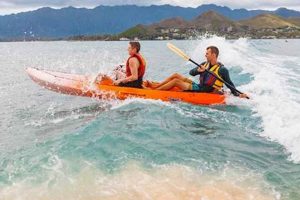
This activity involves the use of small, human-powered vessels to pursue finfish and other aquatic life within the estuarine system near Murrells Inlet, South Carolina. It offers a unique blend of recreation and sport, allowing close interaction with nature while leveraging the maneuverability of kayaks to access shallow or otherwise difficult-to-reach areas.
The shallow-water accessibility afforded by this pursuit allows anglers to target species like redfish, flounder, and speckled trout, often within inches of the shoreline vegetation. This method presents a low-impact alternative to motorized boating, minimizing disturbance to the delicate ecosystem. Historically, small watercraft have been used for fishing in this area, reflecting a longstanding connection between the local community and the abundant natural resources. The modern iteration, using specialized kayaks designed for angling, combines this tradition with contemporary technology and sportfishing techniques.
This approach to angling raises important considerations, including suitable equipment selection, appropriate fishing techniques for the target species and prevailing conditions, and the importance of conservation practices for ensuring the continued health of this valuable estuary. These topics will be explored further below.
Tips for Kayak Fishing in Murrells Inlet
Successful angling in this environment requires preparation and awareness. The following tips offer guidance for a productive and enjoyable experience.
Tip 1: Understand Tidal Influences: Tides significantly impact fish behavior and accessibility. Consulting a tide chart prior to launching allows anglers to plan accordingly, targeting areas likely to hold fish during specific tidal stages.
Tip 2: Choose Appropriate Tackle: Lighter tackle is generally preferred, matching the target species and prevalent conditions. Rods and reels suitable for inshore saltwater fishing are recommended.
Tip 3: Prioritize Safety Equipment: A personal flotation device is essential. Additional safety gear, such as a whistle, signaling mirror, and first-aid kit, should also be carried.
Tip 4: Employ Stealth Tactics: Kayaks offer a quiet approach, allowing close proximity to fish. Minimizing noise and movement enhances fishing success.
Tip 5: Respect Local Regulations: Adherence to fishing regulations, including licensing requirements and catch limits, ensures the sustainability of the fishery.
Tip 6: Practice Catch and Release: Carefully handling and releasing fish minimizes stress and contributes to the long-term health of the fish population.
Tip 7: Be Weather Aware: Check weather forecasts before heading out. Conditions can change quickly, and being prepared for wind, rain, or changes in temperature is crucial.
Tip 8: Consider a Local Guide: For those unfamiliar with the area, a local guide can provide valuable insights into fishing hotspots, techniques, and navigation.
By following these guidelines, anglers can maximize their chances of success while contributing to the preservation of this valuable resource.
These considerations, combined with an understanding of local regulations and best practices, contribute to a rewarding and sustainable angling experience.
1. Tidal Currents

Tidal currents play a critical role in the Murrells Inlet ecosystem, significantly influencing fish behavior and, consequently, angling success. Understanding these currents is essential for effective kayak fishing in this dynamic environment.
- Influence on Fish Feeding Patterns
Tidal flows dictate the movement of baitfish and crustaceans, concentrating prey species in specific areas. Predatory fish, such as redfish, flounder, and speckled trout, follow these movements, creating predictable feeding patterns. Anglers who understand these patterns can position themselves strategically for increased success.
- Accessibility to Shallow-Water Habitats
The rising and falling tides grant access to shallow flats, creeks, and marshes that serve as crucial feeding and spawning grounds for many fish species. Kayak anglers can leverage this to their advantage, navigating shallow areas inaccessible to larger vessels. Timing fishing trips with appropriate tidal stages is crucial for maximizing access.
- Current Strength and Direction
The strength and direction of tidal currents vary throughout the tidal cycle. Strong currents can make kayak control challenging, particularly in narrow channels or near inlets. Understanding current dynamics allows anglers to choose appropriate fishing locations and techniques, such as drifting or anchoring, based on prevailing conditions.
- Safety Considerations
Strong currents can pose safety risks, especially for less experienced kayakers. Awareness of tidal current predictions is essential for planning safe navigation and avoiding hazardous situations. Particular caution should be exercised near inlets and during periods of significant tidal exchange.
By considering the influence of tidal currents on fish behavior, accessibility, and safety, kayak anglers can significantly enhance their chances of a successful and enjoyable fishing experience in Murrells Inlet. This understanding allows for strategic planning and informed decision-making, leading to a more productive and rewarding interaction with this dynamic estuarine environment.
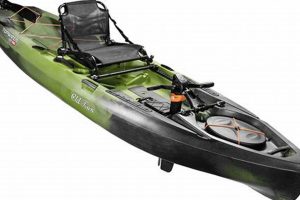
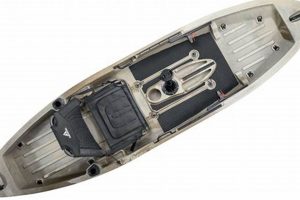
2. Kayak Selection
Kayak selection significantly impacts the overall experience and success of fishing in Murrells Inlet. Choosing the right kayak involves careful consideration of the unique characteristics of this estuarine environment, including tidal currents, shallow-water access, and the target species. Several factors influence optimal kayak selection.
Stability: Murrells Inlet experiences varying tidal currents and wind conditions. A stable kayak platform is essential for safe and comfortable fishing, particularly when casting, reeling, or landing fish. Wider kayaks and those with a lower center of gravity generally offer greater stability. Sit-on-top kayaks are often preferred for their inherent stability and self-bailing capabilities, making them suitable for the occasionally challenging conditions encountered in the inlet.
Maneuverability: Navigating the intricate channels, creeks, and flats of Murrells Inlet requires a kayak with good maneuverability. Shorter kayaks with a defined keel or tracking fin provide better responsiveness and directional control, allowing anglers to navigate tight spaces and position themselves effectively for fishing. This is particularly important when targeting fish in shallow or vegetated areas.
Storage: Adequate storage space is crucial for carrying fishing gear, tackle boxes, safety equipment, and personal items. Kayaks equipped with built-in storage compartments, hatches, or bungee systems provide convenient and secure storage solutions. The amount of storage needed depends on the length of fishing trips and the quantity of equipment carried.
Propulsion: Kayaks can be propelled using paddles, pedals, or electric motors. Paddle kayaks are generally more affordable and offer a quieter, more traditional experience. Pedal-powered kayaks allow anglers to maintain their position and free their hands for fishing, while electric motors provide greater range and speed for accessing distant fishing spots. The choice depends on individual preferences, fishing style, and physical capabilities.
Careful selection contributes to safety, efficiency, and enjoyment. A stable, maneuverable, and well-equipped kayak enables anglers to confidently navigate the inlet’s waters, access prime fishing locations, and focus on the pursuit of their target species. Understanding the interplay of these factors leads to informed decisions and enhances the overall kayak fishing experience in Murrells Inlet.
3. Target Species

The diverse estuarine environment of Murrells Inlet supports a rich variety of fish species, creating ample opportunities for kayak anglers. Understanding the characteristics and habitats of these target species is crucial for successful angling. Effective strategies involve selecting appropriate tackle, employing suitable fishing techniques, and adhering to ethical fishing practices.
- Redfish (Sciaenops ocellatus)
Redfish, also known as red drum, are a popular target species in Murrells Inlet. They are known for their powerful runs and acrobatic fights. Redfish inhabit shallow grassy flats, oyster beds, and creek mouths. Anglers often target them using live bait, such as shrimp or crabs, or artificial lures that mimic their prey. Their copper-bronze coloration and distinctive black spot near the tail base make them readily identifiable.
- Flounder (Paralichthys spp.)
Several flounder species, including southern flounder and summer flounder, are prevalent in Murrells Inlet. These flatfish are ambush predators, camouflaging themselves on the sandy or muddy bottom. Anglers often target flounder using live bait or jigs tipped with artificial trailers. Their subtle movements and ability to blend seamlessly with their surroundings require anglers to employ patience and keen observation.
- Speckled Trout (Cynoscion nebulosus)
Speckled trout, also known as spotted seatrout, are another prized gamefish in Murrells Inlet. They inhabit grassy flats, oyster bars, and deeper channels. Anglers often target them using topwater lures, soft plastic jerkbaits, or live shrimp. Their distinctive silver sides with black spots make them easily recognizable.
- Black Drum (Pogonias cromis)
Black drum are a robust species often found near docks, pilings, and oyster beds. They are opportunistic feeders, consuming a variety of crustaceans and mollusks. Anglers often target them using bait such as shrimp, crabs, or clams. Their dark coloration and characteristic “drumming” sounds distinguish them from other species.
Targeting these species in the shallow waters of Murrells Inlet presents a unique angling experience. Kayak fishing provides access to areas often inaccessible to larger boats, increasing the chances of encountering these sought-after fish. Knowledge of their preferred habitats, feeding patterns, and effective fishing techniques enhances the likelihood of a successful and rewarding fishing trip. Respectful angling practices, including catch and release where appropriate, ensure the sustainability of these valuable fish populations for future generations.
4. Fishing Techniques
Effective fishing techniques are essential for successful kayak angling in Murrells Inlet. The unique characteristics of this estuarine environment, including shallow waters, tidal currents, and diverse fish species, necessitate specialized approaches. Adapting techniques to these specific conditions significantly enhances angling success.
- Drift Fishing
Drift fishing involves allowing the kayak to drift naturally with the current while presenting bait or lures. This technique is particularly effective in covering large areas and targeting species like redfish and speckled trout that patrol shallow flats and creek mouths. Controlling the drift speed with a drift anchor or paddle adjustments allows anglers to maintain optimal bait presentation. Wind conditions and tidal flow influence drift direction and speed, requiring continuous adjustment and awareness.
- Anchoring and Bottom Fishing
Anchoring the kayak provides a stationary platform for targeting bottom-dwelling species like flounder and black drum. Positioning the kayak near structure, such as oyster beds or docks, concentrates fish activity. Using bait or lures presented near the bottom increases the chances of attracting these species. Proper anchor placement is crucial to prevent drifting and maintain an optimal fishing position.
- Sight Fishing
The clear, shallow waters of Murrells Inlet often allow for sight fishing, a technique that involves spotting fish before casting. This requires keen observation and stealthy kayak maneuvering to avoid spooking fish. Polarized sunglasses enhance visibility by reducing glare and allowing anglers to see fish in the water column. Accurate casting and precise lure presentation are essential for success in sight fishing.
- Trolling
Trolling involves dragging lures or bait behind a moving kayak. This technique is effective for covering water and locating active fish. Varying trolling speed and lure depth allows anglers to target different species and water columns. Using a trolling motor or paddle propulsion maintains a consistent trolling speed. Monitoring rod tips and line tension indicates strikes from fish.
Employing these diverse fishing techniques, tailored to the target species and prevailing conditions, enhances angling success in Murrells Inlet. Adaptability and an understanding of fish behavior are key to choosing the most effective approach. Combining these techniques with appropriate kayak positioning and a respect for the environment contributes to a rewarding and sustainable kayak fishing experience.
5. Safety Precautions

Safe practices are paramount for kayak fishing in Murrells Inlet. The dynamic estuarine environment presents inherent risks, and responsible anglers prioritize safety to ensure a positive and incident-free experience. Careful planning, appropriate equipment, and continuous awareness contribute significantly to mitigating potential hazards.
- Personal Flotation Devices (PFDs)
Wearing a properly fitted PFD is non-negotiable. Even experienced swimmers can encounter unexpected situations, such as capsizing or sudden immersion in cold water. A PFD provides essential buoyancy and can prevent drowning. Federal regulations mandate PFD carriage on kayaks, and responsible anglers wear them consistently throughout their fishing trip.
- Weather Awareness
Murrells Inlet’s weather can change rapidly. Checking marine weather forecasts before embarking and remaining vigilant for changing conditions during the trip are crucial. Sudden storms, strong winds, and lightning strikes pose significant threats. Having a plan for seeking shelter or returning to shore promptly is essential. Portable weather radios or smartphone apps provide real-time updates and alerts.
- Navigation and Communication
Navigating the inlet’s intricate waterways requires familiarity with local charts, markers, and potential hazards. Carrying a waterproof chart or GPS device aids in maintaining orientation and avoiding shallow areas or obstructions. A fully charged cell phone or VHF radio allows communication in case of emergencies. Informing someone ashore of the planned fishing route and estimated return time is a prudent safety measure.
- Tidal Current Awareness
Strong tidal currents can pose challenges for kayak anglers, particularly near inlets and during significant tidal exchanges. Understanding tidal current predictions and planning fishing trips accordingly minimizes risks. Avoiding areas with strong currents during peak flows is advisable, especially for less experienced kayakers. Carrying a paddle leash prevents loss of the primary means of propulsion in case of capsizing.
Prioritizing these safety precautions allows anglers to fully enjoy the Murrells Inlet kayak fishing experience while minimizing potential risks. A proactive approach to safety, combined with a respect for the dynamic estuarine environment, contributes to a rewarding and incident-free angling adventure.
6. Conservation Ethics
Conservation ethics are integral to the sustainability of Murrells Inlet as a valuable fishing resource. Responsible angling practices ensure the continued health of the ecosystem and preserve fish populations for future generations. Kayak fishing, due to its low-impact nature, offers a unique opportunity to engage with the environment in a sustainable manner. Embracing conservation principles enhances the angling experience while contributing to the long-term well-being of this vital estuary.
- Catch and Release Practices
Practicing catch and release minimizes stress on fish populations and promotes their long-term survival. Proper handling techniques, such as using wet hands or a landing net, minimize damage to the fish’s protective slime coat. Promptly removing hooks and returning fish to the water reduces their exposure to air and stress. Avoiding fishing during periods of high water temperature or low oxygen levels further contributes to fish survival.
- Habitat Preservation
Protecting the fragile estuarine habitats of Murrells Inlet is essential for maintaining healthy fish populations. Avoiding anchoring in sensitive seagrass beds or oyster reefs minimizes physical damage to these crucial ecosystems. Retrieving discarded fishing line and tackle prevents entanglement of marine life and preserves water quality. Minimizing disturbance to shoreline vegetation and bird nesting areas protects the broader ecological balance.
- Responsible Waste Disposal
Proper disposal of all waste materials, including fishing line, bait containers, and food wrappers, prevents pollution and preserves the natural beauty of Murrells Inlet. Carrying a trash bag and disposing of waste responsibly ensures that the environment remains clean and healthy for both fish and humans. Disposing of fish carcasses properly minimizes negative impacts on water quality and scavengers.
- Adherence to Regulations
Respecting fishing regulations, including size and catch limits, licensing requirements, and seasonal closures, contributes to the sustainable management of fish populations. These regulations are designed to protect vulnerable species and maintain a balanced ecosystem. Staying informed about current regulations and adhering to them ensures compliance and supports conservation efforts.
By integrating these conservation ethics into kayak fishing practices, anglers contribute directly to the preservation of Murrells Inlet. Responsible angling ensures the continued health and abundance of fish populations while protecting the fragile ecosystem. This mindful approach enhances the overall fishing experience, fostering a deeper connection with the natural environment and ensuring its sustainability for generations to come. Murrells Inlet provides a unique opportunity to engage with nature, and embracing conservation principles safeguards this valuable resource for future enjoyment.
Frequently Asked Questions
This section addresses common inquiries regarding kayak fishing in Murrells Inlet, providing concise and informative responses to facilitate informed decision-making and enhance the overall angling experience.
Question 1: What are the primary target species for kayak anglers in Murrells Inlet?
Redfish, flounder, speckled trout, and black drum are among the most frequently targeted species, each presenting unique angling challenges and rewards. Seasonal variations influence species availability and preferred habitats.
Question 2: Are there specific licensing requirements for fishing in Murrells Inlet?
A valid South Carolina fishing license is required for residents and non-residents. Specific license types and exemptions are detailed on the South Carolina Department of Natural Resources website. Compliance ensures legal and ethical angling practices.
Question 3: What safety equipment is recommended for kayak fishing in Murrells Inlet?
A personal flotation device (PFD), whistle, signaling mirror, first-aid kit, and communication device (cell phone or VHF radio) are recommended safety essentials. Weather awareness and appropriate attire are also crucial for safe navigation.
Question 4: Where can fishing kayaks be launched in Murrells Inlet?
Public boat ramps and designated kayak launch sites provide access to the inlet’s waters. Respecting private property and adhering to posted signage ensures legal and courteous access. Local regulations may govern launch site usage and parking.
Question 5: What tidal conditions are most favorable for fishing in Murrells Inlet?
Incoming and outgoing tides generally present optimal fishing opportunities, as moving water stimulates fish activity and concentrates prey species. Consult local tide charts for precise timing and plan fishing trips accordingly. Specific locations may fish better during certain tidal stages.
Question 6: Are guided kayak fishing tours available in Murrells Inlet?
Several local outfitters offer guided kayak fishing tours, providing expert instruction, equipment rentals, and access to prime fishing locations. Guided tours cater to various skill levels and offer a valuable learning experience for novice anglers.
Understanding these frequently asked questions contributes to a safer, more productive, and enjoyable kayak fishing experience. Thorough preparation enhances angling success and promotes responsible engagement with the Murrells Inlet ecosystem.
For further inquiries or specific information regarding local regulations, contact the South Carolina Department of Natural Resources or consult local fishing guides and outfitters.
Murrells Inlet Kayak Fishing
This exploration has highlighted the multifaceted nature of kayak fishing within the Murrells Inlet estuary. Factors influencing success, including tidal currents, kayak selection, target species, effective fishing techniques, necessary safety precautions, and essential conservation ethics, have been examined. Understanding these interconnected elements allows for a more informed and rewarding angling experience.
The dynamic interplay of environmental factors and angler preparedness underscores the unique character of this pursuit. Continued appreciation for the delicate balance within this estuarine system, coupled with responsible angling practices, ensures the preservation of this valuable resource for generations to come. Murrells Inlet offers an exceptional opportunity to connect with nature through the sport of kayak fishing, an opportunity best realized through informed participation and a commitment to conservation.