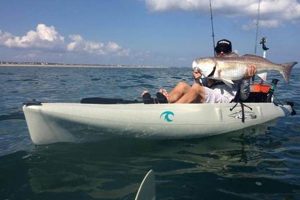
A specialized training program designed to enhance angling skills from a kayak offers instruction on various techniques, including casting, trolling, and navigating waterways effectively. Such programs may cover topics like kayak selection and outfitting, safety procedures, fish identification, and ethical angling practices. For example, a curriculum might incorporate on-water drills for maneuvering in different conditions, anchoring strategies for specific fishing locations, and best practices for catch-and-release methods.
Skill development in this specialized area can lead to increased angling success and improved safety on the water. Proficient kayak anglers demonstrate a greater understanding of water dynamics and fish behavior, leading to more efficient and responsible fishing practices. Historically, the growth of this specialized instruction reflects the increasing popularity of kayak fishing as a recreational activity. This evolution has driven demand for structured learning environments catered to the unique challenges and opportunities presented by this angling method.
This discussion will further explore key aspects of effective instruction, outlining recommended equipment, essential safety protocols, and proven techniques for various species and environments. It will also delve into the broader context of responsible kayak fishing, considering its environmental impact and sustainable practices.
Essential Kayak Fishing Tips
Effective kayak angling requires specialized knowledge and preparation. The following tips offer guidance for enhancing on-water experiences and promoting safe and successful fishing practices.
Tip 1: Stability is Paramount: Choose a kayak designed for stability, especially in challenging conditions. Wider hulls generally offer greater stability than narrower designs. Consider kayak stability ratings and test various models before making a purchase.
Tip 2: Master Paddle Strokes: Efficient paddling conserves energy and allows for precise boat control. Practice different paddle strokes, including forward, reverse, sweep, and draw strokes, to navigate effectively and position the kayak optimally for fishing.
Tip 3: Plan and Prepare: Research fishing locations thoroughly, considering water conditions, tides, and potential hazards. Pack essential safety gear, including a personal flotation device, signaling devices, and a first-aid kit. Inform someone of your planned route and estimated return time.
Tip 4: Organize Gear Strategically: Utilize specialized kayak fishing accessories like rod holders, tackle storage systems, and anchor trolleys to maximize space and maintain a clutter-free fishing platform. Ensure all gear is readily accessible and securely fastened to the kayak.
Tip 5: Practice Casting Techniques: Develop accurate and efficient casting techniques tailored to the kayak fishing environment. Practice casting from a seated position and adapt casting styles to accommodate limited space and potential obstructions.
Tip 6: Respect Aquatic Ecosystems: Practice catch-and-release techniques whenever possible to conserve fish populations. Dispose of fishing line and other waste responsibly to minimize environmental impact. Adhere to local fishing regulations and respect designated fishing zones.
Tip 7: Dress Appropriately: Wear clothing suitable for the prevailing weather conditions and water temperatures. Dress in layers to adapt to changing conditions and consider wearing quick-drying fabrics and water-resistant outerwear.
By implementing these strategies, anglers can significantly enhance their kayak fishing experience. Careful planning, appropriate gear selection, and a focus on safety contribute to both successful angling and responsible environmental stewardship.
These foundational elements provide a basis for continued learning and skill development in the specialized field of kayak angling. Further exploration of specific techniques and advanced practices will enhance angling proficiency and promote long-term enjoyment of this rewarding activity.
1. Specialized Instruction

Within the context of a kayak fishing academy, specialized instruction forms the core of skill development and knowledge acquisition. This tailored approach addresses the unique challenges and opportunities presented by angling from a kayak, differentiating it from traditional shore-based or boat fishing. The following facets highlight key components of this specialized training:
- Kayak Control and Maneuvering
Effective kayak control is paramount for successful fishing. Instruction covers paddling techniques specific to angling, including maneuvering in tight spaces, maintaining position in currents, and utilizing the kayak as a stable fishing platform. Examples include mastering turning strokes, utilizing anchoring systems, and employing drift fishing techniques. Proficient kayak control allows anglers to focus on fishing rather than constantly adjusting their position.
- Equipment Selection and Rigging
Specialized instruction guides participants through the nuances of kayak and gear selection. This includes evaluating hull designs for stability and maneuverability, choosing appropriate paddles and personal flotation devices, and selecting fishing rods, reels, and tackle tailored to kayak angling. For instance, shorter rods are often preferred for casting from a seated position. Proper equipment selection enhances both safety and fishing effectiveness.
- Fishing Techniques and Strategies
Instruction focuses on angling techniques specific to the kayak environment. This includes casting adaptations for limited space, strategies for trolling from a kayak, and best practices for landing and handling fish safely. Specific examples include sidearm casting, vertical jigging, and utilizing specialized kayak fishing accessories like rod holders and anchor trolleys. These techniques maximize angling success from a kayak.
- Safety and Rescue Procedures
Safety is paramount in kayak fishing. Specialized instruction emphasizes self-rescue techniques, including re-entering a kayak after a capsize, and emergency preparedness. This includes carrying essential safety gear, understanding weather patterns, and practicing communication protocols. Comprehensive safety training mitigates risks and builds confidence on the water.
These interconnected facets of specialized instruction form the foundation of a comprehensive kayak fishing academy curriculum. By focusing on these key areas, training programs equip participants with the knowledge, skills, and confidence necessary for safe and successful kayak angling experiences.
2. Safety Procedures

Safety procedures form a critical component of any reputable kayak fishing academy. The inherent risks associated with on-water activities necessitate a strong emphasis on preventative measures and emergency preparedness. A direct correlation exists between comprehensive safety training and reduced accident rates. Academies address potential hazards proactively, equipping participants with the knowledge and skills to mitigate risks effectively. For instance, a capsize recovery technique, a core element of such training, empowers individuals to regain control and stability following an unexpected event. Without proper training, a capsize could lead to disorientation, injury, or even fatality.
Practical application of safety procedures extends beyond theoretical knowledge. Academies often incorporate on-water drills and simulations to reinforce learned skills. Participants practice essential techniques in controlled environments, building muscle memory and confidence. Simulating real-world scenarios, such as recovering a dropped paddle or assisting a fellow angler in distress, enhances preparedness for unforeseen circumstances. Furthermore, instruction on proper gear usage, including personal flotation devices and signaling devices, reinforces the importance of proactive safety measures. Understanding the functionality and limitations of equipment proves crucial in emergency situations.
A well-structured kayak fishing academy instills a safety-conscious mindset that extends beyond the confines of formal training. By emphasizing risk assessment, preventative measures, and emergency response protocols, these programs cultivate responsible angling practices. This focus on safety contributes significantly to the overall success and sustainability of the sport. Challenges may include varying participant skill levels and environmental conditions; however, a comprehensive approach to safety training addresses these variables, ensuring all individuals acquire the necessary skills and knowledge to navigate potential hazards effectively.
3. Equipment Selection

Appropriate equipment selection is crucial for successful and safe kayak fishing. A kayak fishing academy provides comprehensive guidance on choosing and utilizing essential gear, enhancing both performance and safety on the water. Understanding the function and purpose of various equipment components contributes significantly to an angler’s overall proficiency.
- Kayak Choice
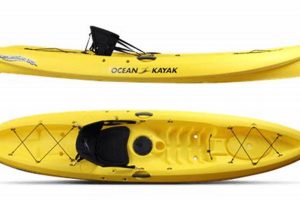
Kayak selection depends on individual needs and fishing environments. Academies educate participants on factors influencing kayak choice, including stability, maneuverability, storage capacity, and intended use. For example, a sit-on-top kayak offers advantages in warmer climates and calmer waters due to its self-bailing design, while a sit-inside kayak provides greater protection in colder conditions. Choosing the appropriate kayak significantly impacts comfort, performance, and safety.
- Paddle Selection
Paddle choice impacts paddling efficiency and overall comfort. Academies guide participants in selecting paddles based on factors such as blade shape, shaft length, and material composition. A paddle with a longer shaft and wider blades generates more power, suitable for longer distances or challenging conditions, whereas a shorter, narrower paddle offers greater maneuverability in tight spaces. Proper paddle selection minimizes fatigue and maximizes efficiency on the water.
- Fishing Gear
Rods, reels, and tackle tailored to kayak fishing enhance angling success. Academies offer instruction on selecting appropriate gear based on target species and fishing techniques. Shorter rods, for instance, are often preferred for casting from a seated position, while specialized reels with enhanced drag systems aid in battling larger fish. Selecting appropriate fishing gear optimizes catch rates and contributes to a more enjoyable fishing experience.
- Safety Equipment
Essential safety equipment includes personal flotation devices (PFDs), signaling devices, and first-aid kits. Academies emphasize the importance of wearing a properly fitted PFD at all times and carrying necessary signaling devices, such as a whistle or flares, for emergency communication. A well-equipped first-aid kit allows for immediate response to minor injuries. Prioritizing safety equipment mitigates risks and ensures preparedness for unforeseen circumstances.
Through comprehensive equipment guidance, kayak fishing academies empower individuals to make informed decisions, enhancing both safety and performance. Proper equipment selection allows anglers to focus on the core aspects of fishing, maximizing enjoyment and success on the water. This knowledge translates directly into improved angling experiences and fosters a deeper appreciation for the sport.
4. Technique Development

Technique development forms a cornerstone of any reputable kayak fishing academy. A direct link exists between refined angling techniques and improved fishing success. Academies provide structured learning environments where individuals acquire and hone skills specific to the kayak fishing platform. This specialized instruction bridges the gap between novice and proficient angling, empowering participants to maximize their potential on the water. For example, learning to cast effectively from a seated position, a skill often challenging for beginners, significantly expands fishing opportunities. Mastery of this technique allows anglers to target specific areas with greater precision, increasing the likelihood of a successful catch. Similarly, understanding how to manage a hooked fish alongside a kayak, while maintaining balance and control, requires specialized training and practice.
Practical application of refined techniques translates directly to improved angling outcomes. Individuals proficient in kayak-specific techniques experience enhanced catch rates and greater overall fishing success. Consider the scenario of presenting a lure to a fish in a swift current. A novice angler might struggle to maintain proper lure presentation, leading to missed opportunities. However, an angler trained in advanced techniques, such as utilizing current seams and controlling kayak position with subtle paddle strokes, can effectively present the lure in the optimal strike zone, increasing the probability of a successful hookup. This practical application underscores the importance of technique development within a kayak fishing academy setting.
In summary, technique development serves as a critical bridge between theoretical knowledge and practical application in kayak fishing. Academies provide the structured environment and expert guidance necessary to cultivate these essential skills. This specialized training equips anglers with the tools to enhance their fishing proficiency and maximize their enjoyment on the water. Challenges may include adapting techniques to varying environmental conditions and individual learning styles; however, a comprehensive approach to technique development addresses these variables, ensuring all participants acquire the skills necessary for successful kayak angling.
5. Location Awareness
Location awareness represents a critical skill set within the context of a kayak fishing academy. A strong understanding of one’s surroundings, including water conditions, navigational hazards, and fish habitats, directly influences both safety and angling success. Academies emphasize the importance of location awareness, equipping participants with the knowledge and tools necessary to navigate effectively and make informed fishing decisions. This understanding extends beyond basic map reading and compass navigation. It encompasses a deeper awareness of environmental factors, such as currents, tides, and weather patterns, that influence fish behavior and overall safety. For example, recognizing the signs of an approaching storm, like darkening skies or shifting winds, allows anglers to make timely decisions about seeking shelter or returning to shore, preventing potentially dangerous situations. Similarly, understanding how tides influence fish movement and feeding patterns allows anglers to position themselves strategically, increasing their chances of a successful catch.
Practical application of location awareness skills enhances angling effectiveness and contributes significantly to responsible fishing practices. Consider the scenario of fishing in an area with submerged structures, such as rocks or reefs. An angler lacking location awareness might inadvertently snag their line or damage their kayak. However, an angler possessing a keen understanding of the underwater terrain can navigate safely and effectively, targeting fish holding in these structures without incident. Furthermore, location awareness promotes environmental stewardship. Understanding sensitive habitats, such as spawning grounds or protected areas, allows anglers to avoid disturbing these crucial ecosystems, contributing to the long-term health of fish populations. Respecting local regulations and adhering to designated fishing zones further demonstrates responsible angling practices.
In summary, location awareness serves as a critical component of a comprehensive kayak fishing academy curriculum. This skill set enhances both angling success and overall safety on the water. Academies equip participants with the knowledge and tools necessary to navigate effectively, make informed fishing decisions, and practice environmental stewardship. Challenges may include adapting to unfamiliar environments and interpreting dynamic conditions; however, a structured approach to location awareness training addresses these variables, empowering anglers to explore diverse waterways confidently and responsibly.
6. Sustainable Practices
Sustainable practices form an integral component of responsible kayak fishing and represent a key area of focus within a reputable kayak fishing academy. The direct connection between angler behavior and environmental impact necessitates a strong emphasis on conservation and stewardship. Academies instill in participants a deep understanding of the delicate balance within aquatic ecosystems, promoting practices that minimize negative impacts and ensure the long-term health of fish populations and their habitats. This education extends beyond catch-and-release techniques, encompassing broader principles of environmental responsibility. For example, proper disposal of fishing line, a seemingly small action, can prevent entanglement of wildlife and minimize plastic pollution in waterways. Similarly, respecting designated no-fishing zones and avoiding disturbance of sensitive habitats, such as spawning grounds, contributes significantly to ecosystem preservation.
Practical application of sustainable practices demonstrates a commitment to responsible angling and ensures the longevity of the sport. Consider the scenario of an angler encountering a distressed or entangled sea turtle. An angler trained in sustainable practices, recognizing the importance of wildlife conservation, would take appropriate action, contacting local authorities or attempting to assist the turtle safely, minimizing further harm. This action reflects a broader understanding of the interconnectedness of aquatic ecosystems and the role anglers play in their preservation. Furthermore, sustainable practices extend to responsible anchoring techniques. Avoiding anchoring in sensitive areas, such as coral reefs or seagrass beds, minimizes damage to these fragile habitats. Utilizing appropriate anchor types and employing proper anchoring procedures further demonstrates a commitment to minimizing environmental impact.
In summary, sustainable practices represent a crucial element of a comprehensive kayak fishing academy curriculum. Integrating these principles into angler education fosters environmental stewardship and ensures the long-term health of aquatic ecosystems. This focus on sustainability benefits not only the environment but also the future of the sport itself. Challenges may include varying levels of environmental awareness among participants and the dynamic nature of ecosystems; however, a structured approach to sustainability training addresses these variables, equipping anglers with the knowledge and motivation to practice responsible kayak fishing for generations to come.
Frequently Asked Questions
The following addresses common inquiries regarding specialized kayak fishing instruction. These responses aim to provide clarity and address potential concerns regarding program content, safety considerations, and overall learning objectives.
Question 1: What are the typical prerequisites for enrolling in a kayak fishing academy?
Prior kayaking experience is not always mandatory, though basic paddling skills are beneficial. Some academies offer introductory courses covering fundamental kayak handling techniques. Emphasis is placed on developing angling skills specific to the kayak platform, regardless of prior experience.
Question 2: How does kayak fishing instruction differ from traditional boat or shore-based fishing instruction?
Kayak fishing presents unique challenges and opportunities requiring specialized techniques. Instruction focuses on maneuvering a kayak effectively, casting from a seated position, and managing fish alongside the vessel. Safety procedures specific to kayak angling are also emphasized.
Question 3: What safety measures are implemented during on-water training sessions?
All participants are required to wear personal flotation devices (PFDs). Instructors hold relevant safety certifications and maintain strict student-to-instructor ratios. On-water activities take place in controlled environments suitable for participant skill levels. Emergency procedures and self-rescue techniques are integral components of training.
Question 4: What equipment is typically provided by the academy, and what equipment should participants bring themselves?
Kayaks, paddles, and basic safety equipment are typically provided. Participants may choose to bring their own fishing gear, though some academies offer rental equipment. Recommended personal items include appropriate clothing, sun protection, and hydration.
Question 5: How do these programs address environmental responsibility and sustainable fishing practices?
Sustainable practices are emphasized throughout the curriculum. Instruction covers proper catch-and-release techniques, minimizing environmental impact, and respecting local regulations. Academies promote ethical angling and stewardship of aquatic resources.
Question 6: What are the typical learning outcomes of a kayak fishing academy, and how do these skills translate to real-world angling scenarios?
Participants gain proficiency in kayak handling, specialized fishing techniques, and safety procedures. These skills translate directly to improved angling success, increased confidence on the water, and a deeper understanding of responsible fishing practices. Graduates are equipped to explore diverse fishing environments safely and effectively.
These responses provide a general overview of key considerations. Specific program details may vary; contacting individual academies directly is recommended for comprehensive information.
The following section delves further into the benefits of specialized kayak fishing instruction, highlighting specific advantages gained through structured learning.
Kayak Fishing Academy
This exploration of specialized kayak fishing instruction has highlighted key components contributing to angler development and responsible angling practices. From equipment selection and technique development to safety procedures and environmental stewardship, a comprehensive training program equips individuals with the necessary skills and knowledge to navigate the complexities of this dynamic sport. The emphasis on location awareness and sustainable practices further underscores the commitment to responsible resource management and long-term ecosystem health. Specialized instruction tailored to the kayak fishing environment bridges the gap between novice and proficient angling, empowering individuals to maximize their potential on the water while minimizing environmental impact.
The evolving landscape of recreational fishing necessitates continued emphasis on education and skill development. Kayak fishing academies represent a valuable resource for individuals seeking to enhance their angling proficiency while fostering a deep respect for aquatic ecosystems. Through structured learning and a commitment to sustainable practices, these programs contribute significantly to the future of the sport, ensuring its responsible enjoyment for generations to come. Pursuit of specialized training not only elevates individual angling experiences but also fosters a collective responsibility towards environmental preservation.