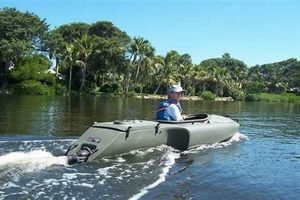
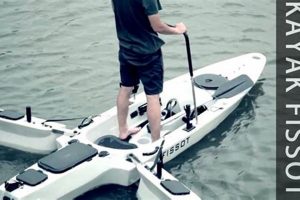
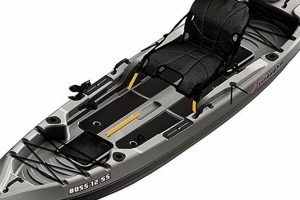
This specialized vessel blends the thrill of surface fishing with the maneuverability and accessibility of kayaks. Imagine a lightweight, nimble craft designed to navigate shallow waters and secluded coves, providing a unique vantage point for observing and targeting fish. These boats are frequently equipped with features like rod holders, storage compartments, and comfortable seating optimized for long hours on the water.
Anglers appreciate this approach for its stealth, allowing them to approach fish in quieter, less intrusive ways. It also opens up opportunities to explore hard-to-reach areas teeming with fish that larger boats can’t access. The evolution of these specialized watercraft has mirrored advancements in kayak design and fishing technology, resulting in more durable, stable, and feature-rich options tailored specifically for this exciting fishing style.
From selecting the right model to understanding essential techniques and equipment, the following sections will delve into the world of this specialized fishing discipline. Readers can expect to learn about various hull designs, paddling techniques, essential gear, and strategies for maximizing success on the water.
Tips for Topwater Kayak Fishing
Successful outings require careful planning and execution. The following tips offer guidance for enhancing on-the-water experiences and improving catch rates.
Tip 1: Choose the Right Vessel: Kayak selection significantly impacts stability and maneuverability. Consider hull design, length, and weight capacity based on individual needs and the target fishing environment. Shorter kayaks offer superior maneuverability in tight spaces, while longer kayaks provide better tracking and speed in open water.
Tip 2: Master Basic Paddling Techniques: Efficient paddling conserves energy and allows for precise boat control, critical for accurate lure presentations. Practice smooth, controlled strokes to minimize disturbance and maximize stealth.
Tip 3: Utilize Quality Gear: Reliable rods, reels, and lines specifically designed for this style are crucial. Select a rod with appropriate action and power for the target species and lure types. Braided fishing line is often preferred for its sensitivity and strength.
Tip 4: Understand Lure Selection and Presentation: Different topwater lures create unique actions and attract various species. Experiment with different lures and retrieves to find what works best in specific conditions.
Tip 5: Focus on Location and Timing: Fish behavior is influenced by environmental factors like water temperature, light levels, and structure. Target areas likely to hold fish, such as weed beds, drop-offs, and shady spots, especially during dawn and dusk.
Tip 6: Practice Proper Hook Setting Techniques: Topwater strikes can be explosive, requiring a swift, firm hookset. Develop a strong hookset motion to ensure solid hookups.
Tip 7: Prioritize Safety: Always wear a personal flotation device (PFD) and carry essential safety equipment, including a whistle, signaling device, and first-aid kit. Check weather conditions before heading out and inform someone of your fishing plans.
By implementing these strategies, anglers can enhance their skills and increase their chances of success, ensuring a rewarding experience on the water.
These insights offer a foundation for successful topwater kayak fishing. The following section will explore specific techniques and strategies in greater detail, empowering anglers to refine their approach and maximize their on-the-water potential.
1. Kayak Stability

Kayak stability plays a pivotal role in successful topwater fishing excursions. A stable platform is essential for accurate casting, effective hooksets, and overall angler comfort, particularly when battling strong fish or navigating challenging water conditions. Instability can lead to missed strikes, lost fish, and even capsizing, significantly impacting the angling experience. Consider the scenario of a large bass striking a topwater lure near submerged timber. A stable kayak allows the angler to maintain balance and leverage while setting the hook and fighting the fish, preventing an untimely spill or lost opportunity.
Various factors influence kayak stability, including hull design, width, and length. Wider kayaks generally offer greater initial stability, making them suitable for calmer waters and less experienced anglers. Longer, narrower kayaks, while less stable initially, often provide superior secondary stability resistance to tipping when leaned which is advantageous in rougher conditions or when making quick maneuvers. For instance, a wide, flat-bottomed kayak provides a stable platform for casting in calm lakes, while a longer, V-hulled kayak offers better performance in choppy coastal waters. Understanding these design characteristics helps anglers select the most appropriate kayak for their intended fishing environment and skill level.
Selecting a kayak with appropriate stability characteristics is paramount for optimizing topwater fishing success and safety. Matching kayak stability to the anticipated water conditions and angler experience level ensures a more comfortable and productive fishing trip. Furthermore, understanding the interplay between stability and other kayak features, such as maneuverability and storage capacity, allows anglers to make informed decisions and select the ideal vessel for their specific needs. This careful consideration ultimately translates to increased enjoyment and success on the water.
2. Maneuverability
Maneuverability is a critical factor in topwater kayak fishing, directly influencing an angler’s ability to access prime fishing locations and effectively present lures. Precise boat control allows for navigating complex environments, such as tight creeks, weed beds, and fallen timber, where predatory fish often ambush prey. Restricted maneuverability can limit access to these productive areas and hinder an angler’s ability to position the kayak for optimal casting angles and lure presentations.
- Navigating Tight Quarters
Kayaks designed for maneuverability excel in confined spaces. A shorter length and responsive hull design enable quick turns and precise adjustments, allowing anglers to navigate narrow channels, weave through submerged obstacles, and access secluded pockets of water often holding trophy fish. Consider a shallow, overgrown creek where largemouth bass lurk beneath overhanging branches. A highly maneuverable kayak allows the angler to silently approach these concealed areas and accurately present lures to the waiting fish.
- Current and Wind Management
Maneuverability becomes paramount when fishing in moving water or windy conditions. The ability to maintain precise boat position and counteract the forces of current or wind is essential for effective lure presentation and drift control. For example, when fishing a river system, a maneuverable kayak allows the angler to hold position upstream of a promising eddy or rock structure, maximizing casting opportunities and ensuring the lure drifts naturally through the target zone.
- Stealth and Approach
A stealthy approach is often crucial for success in topwater fishing. Quiet, controlled movements minimize disturbance and prevent spooking wary fish. Maneuverable kayaks allow for subtle adjustments in position and direction, enabling anglers to approach fish undetected and present lures with precision. Imagine stalking a school of striped bass feeding on the surface in a calm bay. A maneuverable kayak allows the angler to quietly position the boat within casting range without disturbing the fish, maximizing the chances of a successful hookup.
- Efficient Lure Presentation
Precise boat control is essential for effective lure presentation. Maneuverability allows anglers to position the kayak for optimal casting angles and manipulate the lure’s action to entice strikes. For instance, when fishing around submerged structure, a maneuverable kayak allows the angler to position the boat for a clear casting lane and retrieve the lure with precision, maximizing its effectiveness and enticing fish to strike.
The interplay between maneuverability and other kayak features, such as stability and storage capacity, influences overall fishing performance. While maneuverability is paramount for accessing and navigating challenging environments, maintaining stability and having adequate storage for gear are equally important considerations. A well-balanced combination of these attributes optimizes the topwater fishing experience and enhances an angler’s chances of success.
3. Shallow Water Access

Shallow water zones often harbor abundant prey species, attracting predatory fish seeking an easy meal. These areas, characterized by limited depths and often complex structures like submerged vegetation, fallen timber, and rocky bottoms, provide ideal hunting grounds for many game fish. The ability to access these shallow, fish-rich environments is a defining advantage of topwater fishing kayaks, setting them apart from larger, deeper-draft vessels.
- Stealthy Approach
Shallow water fishing necessitates a stealthy approach to avoid spooking wary fish. Kayaks, with their minimal draft and quiet operation, allow anglers to navigate shallows with minimal disturbance, maximizing the chances of a successful approach. Consider a scenario where an angler pursues redfish tailing in the shallow flats of a saltwater marsh. A kayak enables a quiet approach, minimizing pressure waves and allowing the angler to get within casting range without alerting the fish.
- Navigating Complex Structures
Shallow water environments frequently feature intricate structures like submerged logs, weed beds, and oyster reefs. These structures provide cover for both prey and predators, making them prime fishing locations. The maneuverability and shallow draft of kayaks allow anglers to navigate these complex areas, accessing hidden pockets and presenting lures to fish holding tight to cover. For instance, a kayak angler targeting largemouth bass in a shallow lake can navigate through dense lily pads and present a frog lure directly into pockets within the vegetation, enticing strikes from bass lurking beneath the surface.
- Exploiting Shallow Water Feeding Patterns
Many game fish, including species like bass, redfish, and snook, exhibit specific feeding patterns in shallow water. They often target prey trapped against the shoreline, in shallow pockets, or around submerged structures. Kayaks provide the ideal platform to exploit these feeding patterns, allowing anglers to position themselves strategically and present lures in the most effective manner. Picture a tidal creek where snook ambush baitfish swept in by the incoming tide. A kayak allows the angler to position themselves near the creek mouth and intercept the snook as they chase baitfish into the shallows.
- Sight Fishing Opportunities
Shallow, clear water often provides excellent sight fishing opportunities. Anglers can observe fish behavior and target specific individuals, increasing the challenge and excitement of the pursuit. Kayaks enhance sight fishing by providing a low profile and minimal water disturbance, allowing anglers to approach fish without being detected. Envision a shallow, clear spring creek where trout feed on insects drifting in the current. A kayak allows the angler to spot individual fish and present a fly with precision, increasing the likelihood of a successful hookup.
The ability of a topwater fishing kayak to grant access to shallow water environments is a key advantage, opening up a realm of fishing opportunities unavailable to those limited to deeper-draft boats. This specialized access allows anglers to exploit shallow water feeding patterns, navigate complex structures, and employ stealthy approaches, maximizing their chances of success and enhancing the overall fishing experience. The integration of a stable and maneuverable platform with the inherent advantages of shallow water access solidifies the topwater fishing kayak as a highly effective tool for targeting a wide range of species in their preferred habitats.
4. Targeted Species

The selection of a topwater fishing kayak often aligns with the targeted fish species. Different species inhabit diverse environments and exhibit varying behaviors, influencing kayak choice based on factors like maneuverability, stability, and storage capacity. Understanding the target species’ habitat preferences and feeding habits is crucial for maximizing angling success.
- Largemouth Bass
Largemouth bass, a popular target for topwater anglers, frequently inhabit shallow, vegetated areas. Kayaks designed for maneuverability excel in these environments, allowing anglers to navigate tight spaces and present lures effectively near cover. A stable platform is also beneficial for managing powerful strikes and fighting these hard-hitting fish. For example, a shorter, wider kayak with a flat bottom provides stability for hooksets and the maneuverability to navigate through dense weed beds.
- Smallmouth Bass
Smallmouth bass often prefer rocky, clear-water environments with current. A stable kayak with good tracking capabilities is advantageous in these conditions, allowing anglers to maintain position and control in moving water. River-specific kayaks, often longer and narrower than those designed for lakes, offer the necessary stability and tracking performance for pursuing smallmouth bass in flowing water. A kayak with ample storage is also beneficial for carrying tackle and gear for longer excursions in river systems.
- Redfish (Red Drum)
Redfish inhabit shallow saltwater flats, marshes, and estuaries. Kayaks designed for shallow water access, often featuring a shallow draft and flat bottom, excel in these environments. Stability is crucial for sight fishing and making accurate casts in often windy conditions. Kayaks designed specifically for saltwater fishing often include features like rod holders and anchor trolleys, enhancing the angler’s ability to target redfish effectively. For instance, a poling skiff-style kayak offers a shallow draft and a stable platform for sight fishing and poling in shallow saltwater environments.
- Striped Bass
Striped bass can be found in a variety of habitats, from coastal waters to large reservoirs. Kayaks designed for open water, with good tracking and speed, are beneficial for covering larger areas and reaching schools of striped bass. Stability is important for handling these larger, powerful fish, and ample storage is helpful for carrying heavier tackle and gear. For example, a longer, sea kayak-style design with a rudder system provides the necessary stability, speed, and storage capacity for targeting striped bass in larger bodies of water.
Matching kayak selection to the targeted species enhances angling effectiveness and overall enjoyment. Consideration of species-specific habitat preferences, feeding behaviors, and fighting characteristics informs the choice of kayak features like hull design, stability, maneuverability, and storage capacity. By aligning kayak selection with the target species, anglers optimize their chances of success and create a more specialized and rewarding fishing experience.
5. Lure Choice
Lure selection is a critical aspect of topwater kayak fishing, directly influencing angling success. The chosen lure must effectively attract target species while also complementing the kayak’s capabilities and the specific fishing environment. Factors such as water clarity, target species, and prevalent forage influence lure choice. A well-chosen lure maximizes the chances of enticing a strike, while an inappropriate selection can lead to a fruitless outing.
- Poppers
Poppers create a splashing and gurgling disturbance on the surface, mimicking the action of fleeing baitfish or struggling insects. Their noisy presentation attracts predatory fish from a distance, making them effective in murky water or when targeting aggressive species. The kayak’s stability enhances the angler’s ability to impart the characteristic popping action to the lure without compromising balance. For example, a popper might be used to target largemouth bass in a weedy lake or aggressive redfish in a saltwater marsh.
- Walk-the-Dog Lures
Walk-the-dog lures, with their distinctive side-to-side motion, create a subtle subsurface wake, imitating an injured baitfish. This enticing action triggers strikes from predatory fish. The kayak’s maneuverability allows anglers to precisely control the lure’s zigzagging retrieve, maximizing its effectiveness. Consider a scenario where an angler targets striped bass in a tidal river. The walk-the-dog action effectively imitates a struggling baitfish swept along by the current.
- Prop Baits
Prop baits feature small propellers that create a buzzing and churning action on the surface, attracting fish with both visual and auditory stimuli. Their versatility makes them effective in various conditions and for targeting different species. The kayak’s quiet operation complements the lure’s subtle sound, enhancing its fish-attracting capabilities. For example, a prop bait might be used to target smallmouth bass in clear, rocky streams or northern pike in weedy lakes.
- Stick Baits
Stick baits are slender, often cigar-shaped lures designed to be “walked” across the surface with a rhythmic twitching retrieve. They imitate injured baitfish or insects struggling on the water’s surface, enticing strikes from predatory fish. The kayak’s stability aids in maintaining balance during the subtle rod manipulations required for this specialized retrieve. Consider an angler targeting largemouth bass in shallow, weedy areas. The subtle, lifelike action of a stick bait can be highly effective in provoking strikes from wary fish in clear water.
Effective topwater lure selection hinges on understanding the target species, prevailing conditions, and the kayak’s capabilities. Matching lure choice to these factors maximizes angling effectiveness and enhances the overall fishing experience. A well-chosen lure, combined with the maneuverability and stability of a topwater fishing kayak, creates a potent combination for enticing explosive surface strikes and landing trophy fish. The angler’s ability to select and present the appropriate lure often determines the difference between a successful outing and a frustrating one.
6. Casting Techniques
Casting techniques are fundamental to successful topwater kayak fishing, directly influencing lure presentation and the ability to reach target areas effectively. The confined space and unique vantage point of a kayak necessitate adapted casting methods compared to shore-based or boat fishing. Accuracy and control are paramount, minimizing wasted casts and maximizing opportunities to present lures to fish. An angler’s casting proficiency significantly impacts the effectiveness of topwater presentations and, consequently, the likelihood of enticing strikes.
Several factors influence casting techniques from a kayak. Kayak stability affects balance and casting precision, while maneuverability allows adjustments for optimal casting angles. Understanding these factors and adapting casting methods accordingly is crucial. For example, sidearm or underhand casts are often employed to avoid obstructions and maintain balance in a seated position. Similarly, adjusting casting distance and trajectory based on wind and current conditions enhances lure presentation and accuracy. Consider a scenario where an angler targets bass lurking beneath overhanging branches along a narrow creek bank. A precise sidearm cast, executed from a stable kayak position, allows the angler to place the lure accurately near the target area without snagging the overhead vegetation.
Mastering casting techniques specific to kayak fishing maximizes lure presentation effectiveness and expands fishing opportunities. Accurate casts allow anglers to target specific areas, such as pockets within weed beds, submerged structures, or shaded areas along shorelines, with precision. Furthermore, efficient casting conserves energy, allowing anglers to cover more water and fish for extended periods. The ability to accurately and efficiently present topwater lures from a kayak significantly contributes to a more productive and enjoyable fishing experience. Challenges like wind, current, and limited casting space can be overcome with practice and adapted techniques, leading to increased success on the water.
7. Safety Precautions

Safety precautions are paramount in topwater kayak fishing, mitigating inherent risks associated with this activity. The environment presents challenges such as changing weather conditions, fluctuating water levels, and potential encounters with submerged obstacles or other watercraft. These factors, combined with the dynamic nature of topwater fishing involving casting, retrieving, and battling fish necessitate careful planning and adherence to safety protocols. Neglecting these precautions can lead to accidents, injuries, or even fatalities, transforming a recreational outing into a hazardous situation.
Several essential safety measures apply specifically to topwater kayak fishing. Wearing a personal flotation device (PFD) is non-negotiable, providing buoyancy in the event of capsizing or accidental overboard entry. Carrying a whistle or other signaling device enables communication in emergencies, particularly in remote locations or when encountering other boaters. Checking weather forecasts prior to embarking and avoiding fishing during storms or high winds minimizes exposure to hazardous conditions. Informing someone of planned fishing locations and estimated return times adds another layer of security, ensuring assistance can be summoned if needed. Consider a scenario where an angler hooks a large fish that pulls the kayak into a submerged log, causing a capsize. A properly worn PFD keeps the angler afloat, while a whistle allows them to signal for help. The pre-filed float plan ensures rescuers know the angler’s last known location.
Understanding and implementing safety precautions transforms topwater kayak fishing from a potentially risky activity into a safe and enjoyable pursuit. Consistent adherence to safety protocols, coupled with awareness of potential hazards, mitigates risks and ensures angler well-being. This proactive approach not only safeguards against accidents but also fosters a more confident and enjoyable fishing experience, allowing anglers to focus on the thrill of the chase without compromising their safety. Challenges like rapidly changing weather or unexpected encounters with other watercraft can be effectively managed through preparedness and adherence to established safety guidelines. This diligent approach cultivates a culture of safety within the topwater kayak fishing community, protecting both individual anglers and the integrity of the sport.
Frequently Asked Questions
This section addresses common inquiries regarding specialized vessels designed for this fishing method, aiming to provide clear and concise information for anglers of all experience levels. Understanding these key aspects can significantly enhance safety and enjoyment on the water.
Question 1: What are the key advantages of using a specialized vessel for this fishing method over other boat types?
These specialized vessels offer superior maneuverability in shallow water and tighter spaces compared to larger boats, enabling access to areas teeming with fish often unreachable by other means. Their quiet operation also minimizes disturbance, increasing stealth and improving chances of a successful approach.
Question 2: How does one choose the right vessel for individual needs and fishing environments?
Consider factors like hull design (sit-on-top vs. sit-inside), length, width, and weight capacity. Shorter kayaks offer greater maneuverability, while longer ones provide better tracking. Wider kayaks offer more stability, while narrower ones are faster. Weight capacity should accommodate angler weight plus gear.
Question 3: What essential safety gear should be carried on every fishing trip?
Essential safety gear includes a personal flotation device (PFD), a whistle, a signaling device (mirror or flare), a first-aid kit, a communication device (waterproof phone or VHF radio), and navigation tools (map, compass, or GPS). Always inform someone of fishing plans and estimated return time.
Question 4: What are the recommended paddling techniques for this type of fishing?
Efficient and quiet paddling techniques are crucial for stealth and precise boat control. Mastering basic forward and reverse strokes, sweep strokes for turning, and draw strokes for lateral movement allows for efficient maneuvering and minimizes disturbance, increasing chances of a successful approach.
Question 5: How can one improve casting accuracy and distance from a kayak’s seated position?
Practice casting techniques specific to kayak fishing, such as sidearm and underhand casts. Utilizing the kayak’s stability to maintain balance during casting enhances accuracy. Consider rod length and action, as well as lure weight, when choosing appropriate tackle for optimal casting performance.
Question 6: What are the key considerations for choosing appropriate fishing tackle and lures?
Rods, reels, and lines should be suited to the target species and fishing environment. Lure selection depends on factors like water clarity, target species’ feeding habits, and prevalent forage. Experiment with various lure types, sizes, and colors to determine what works best in specific conditions.
Understanding these frequently asked questions equips anglers with the knowledge to make informed decisions, enhancing safety and increasing the likelihood of successful fishing trips. Prioritizing safety and employing effective techniques allows for a more enjoyable and rewarding experience on the water.
The next section will offer insights into advanced techniques, further enhancing angling skills and optimizing success on the water.
Conclusion
This exploration of specialized vessels designed for surface fishing from a kayak has highlighted key aspects, from vessel selection and paddling techniques to lure choices and safety precautions. Understanding the interplay of these elements is crucial for maximizing angling success and ensuring a safe and rewarding experience. Considerations like kayak stability and maneuverability directly impact an angler’s ability to navigate diverse environments and effectively present lures. Furthermore, lure selection based on target species and prevailing conditions significantly influences fishing outcomes.
The information presented serves as a foundation for anglers seeking to refine their skills and optimize their approach. Continued learning, coupled with practical experience on the water, will further enhance angling proficiency. As kayak design and fishing technology evolve, opportunities within this specialized fishing discipline will continue to expand, promising exciting advancements for anglers pursuing the thrill of topwater fishing from a kayak. This pursuit offers a unique connection with nature and the challenge of engaging fish in their natural habitat. It represents a rewarding blend of skill, strategy, and appreciation for the aquatic environment.