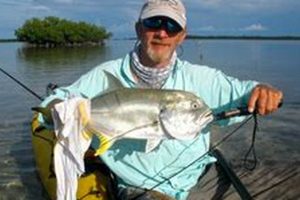
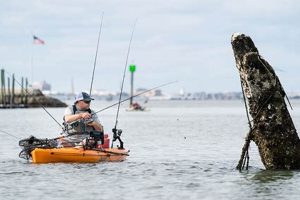
A Hawaiian kayaking trip combined with fishing can lead to unexpected encounters with marine life. These encounters, while sometimes startling, highlight the rich biodiversity of the region and offer unique experiences for those venturing into the ocean. Such events underscore the wild and unpredictable nature of the marine environment, demonstrating the close proximity humans can have with larger, more powerful creatures while participating in recreational activities.
Experiences like these contribute to a deeper understanding of the ocean ecosystem and the need for respectful interaction with marine wildlife. Documenting these events raises awareness about ocean conservation and the importance of preserving these habitats. Furthermore, these occurrences offer valuable opportunities for researchers to learn more about animal behavior and the impact of human activity on marine life. Historically, such interactions have informed local traditions and cultural narratives surrounding the ocean and its inhabitants.
This topic naturally leads into discussions about kayaking safety procedures, responsible fishing practices, and the broader context of human-wildlife interactions in Hawaii’s unique environment. It also opens avenues to explore the diverse species inhabiting Hawaiian waters and the ongoing efforts to protect them. Furthermore, it provides a platform to analyze the psychological and emotional aspects of surprise encounters with nature, highlighting the human element of adventure and exploration.
Safety Tips for Kayak Fishing in Hawaiian Waters
Kayak fishing in Hawaii offers rewarding experiences, but encountering marine wildlife necessitates preparedness. The following precautions enhance safety and promote responsible interactions with the ocean environment.
Tip 1: Awareness of Surroundings: Continuously scan the water for signs of marine life. Changes in water surface, bird activity, or sudden movements may indicate the presence of larger animals. Maintaining vigilance is crucial for anticipating potential interactions.
Tip 2: Secure Equipment: Ensure all fishing gear and personal belongings are properly secured to the kayak. Unexpected encounters can cause sudden movements, and loose items may create hazardous situations.
Tip 3: Maintain a Safe Distance: Observe marine life from a respectful distance, avoiding close approaches that could provoke defensive behavior. Respecting their space minimizes the risk of disruptive interactions.
Tip 4: Proper Kayak Handling: Practice stable kayak maneuvering techniques. Sudden movements or capsizing can escalate encounters with marine life. Confident kayak control is crucial for maintaining a safe and predictable presence in the water.
Tip 5: Knowledge of Local Species: Familiarize oneself with the types of marine life commonly encountered in Hawaiian waters, including their typical behaviors and potential responses to human presence. This knowledge aids in appropriate decision-making during encounters.
Tip 6: Emergency Communication: Carry a waterproof communication device, such as a VHF radio or satellite phone, to contact emergency services if necessary. Reliable communication is vital in unforeseen situations.
Tip 7: Floatation Devices: Always wear a personal flotation device (PFD). Unexpected encounters can lead to capsizing or other emergencies, emphasizing the importance of consistent PFD use.
Adhering to these precautions significantly reduces risks associated with kayak fishing in Hawaiian waters, allowing individuals to enjoy the experience while minimizing negative impacts on the marine environment. Responsible and informed practices promote both personal safety and the preservation of Hawaii’s unique ecosystem.
By understanding and respecting the marine environment, individuals contribute to a safer and more sustainable coexistence with its diverse inhabitants. These practices ensure the continued enjoyment of kayak fishing for future generations.
1. Kayaker's Experience Level

A kayaker’s experience level significantly influences their response to unexpected encounters with marine life in Hawaiian waters. Experience dictates preparedness, influencing decision-making and mitigating potential risks associated with surprise encounters during fishing expeditions.
- Situational Awareness:
Experienced kayakers demonstrate heightened awareness of their surroundings, scanning the water for signs of marine life and anticipating potential interactions. This proactive approach allows for more controlled responses compared to novice kayakers who may be less attuned to subtle environmental cues. An experienced kayaker might recognize the signs of an approaching whale pod and adjust their position accordingly, while a less experienced individual might be caught off guard.
- Equipment Handling:
Proficient kayak handling skills are crucial for navigating unexpected situations. Experienced kayakers maintain better control during surprising encounters, minimizing the risk of capsizing or other hazardous reactions. Their familiarity with their equipment allows for efficient adjustments and maneuvers in response to marine life activity. An experienced kayaker can swiftly adjust their fishing line to avoid entanglement with a curious sea turtle, while a novice might struggle, increasing the risk of both human and animal injury.
- Wildlife Knowledge:
Familiarity with local marine species and their behaviors informs appropriate reactions. Experienced kayakers often possess a deeper understanding of how different species react to human presence, enabling them to make informed decisions that minimize disruption and prioritize safety. Recognizing the distinct behaviors of a playful dolphin versus a defensive shark allows experienced individuals to react accordingly, while a lack of knowledge might lead to inappropriate responses and escalated encounters.
- Emergency Preparedness:
Experience often translates to better preparation for emergencies. Experienced kayakers are more likely to carry essential safety gear, including communication devices and first-aid kits, and possess the skills to utilize them effectively during unexpected events. In the event of a capsize triggered by a surprise encounter, an experienced kayaker is better equipped to manage the situation and communicate their location for assistance, while a novice might lack the necessary skills or equipment, increasing the risk of a negative outcome.
These facets of experience collectively contribute to safer and more informed responses to surprising encounters during kayak fishing trips in Hawaii. While no amount of experience can eliminate the element of surprise in encountering marine wildlife, a higher level of experience significantly enhances preparedness and promotes responsible interactions, allowing for more enjoyable and safer experiences in the ocean environment. This ultimately emphasizes the importance of education and preparation for all individuals venturing into Hawaiian waters.
2. Species Encountered

The nature of a surprising encounter while kayak fishing in Hawaiian waters is heavily influenced by the specific marine species involved. Different species exhibit varying behaviors and reactions to human presence, shaping the overall experience and potential risks for the kayaker. Understanding these nuances is crucial for both safety and appreciating the diversity of Hawaii’s marine ecosystem.
- Large Pelagic Fish (e.g., Marlin, Tuna):
Encounters with large pelagic fish like marlin or tuna can be exhilarating, but also pose challenges. These powerful fish often strike lures aggressively, potentially causing the kayak to be pulled or creating entanglement hazards. Their size and strength can create an unexpected and physically demanding situation for the kayaker, potentially leading to equipment damage or even capsizing if not handled carefully. Furthermore, the excitement of the encounter can be both thrilling and unnerving, especially for less experienced anglers.
- Sharks (e.g., Tiger, Reef):
Shark encounters, while statistically rare, can be particularly startling due to their predatory reputation. Different shark species exhibit varying levels of curiosity and aggression. A curious reef shark might simply investigate the kayak, while a larger tiger shark could exhibit more assertive behavior. Such encounters, even if non-aggressive, can be highly stressful and necessitate calm, controlled reactions from the kayaker to avoid escalating the situation. These encounters underscore the importance of respecting their space and understanding their role in the marine ecosystem.
- Marine Mammals (e.g., Dolphins, Whales):
Encounters with marine mammals, such as dolphins or whales, are often viewed as positive experiences due to their generally gentle nature. However, their large size can still present risks to kayakers. A playful dolphin might unintentionally bump the kayak, while a breaching whale could create significant waves, potentially causing capsizing. Understanding their behavior and maintaining a respectful distance is essential for safe and enjoyable interactions. While often perceived as less threatening than sharks, the sheer size and power of these animals can still present unexpected challenges for kayakers.
- Sea Turtles (e.g., Green, Hawksbill):
Sea turtles are generally docile and pose minimal threat to kayakers. However, accidental entanglement with fishing lines can occur, potentially harming the turtle and creating a difficult situation for the kayaker. Responsible fishing practices and careful line management are crucial for avoiding such incidents. Furthermore, while generally non-confrontational, a startled sea turtle might react unexpectedly, potentially bumping the kayak or causing a minor surprise for the angler.
The specific species encountered significantly shapes the nature of the “frightening surprise” experienced by a kayaker fishing in Hawaii. The size, behavior, and perceived threat level of the animal all contribute to the overall experience, highlighting the dynamic interplay between human recreation and the diverse inhabitants of Hawaii’s marine environment. Understanding these various interactions promotes respect for marine life and encourages responsible practices that minimize disturbance and prioritize safety for both kayakers and the animals they encounter.
3. Environmental conditions

Environmental conditions play a crucial role in shaping the likelihood and nature of surprising encounters during kayak fishing trips in Hawaiian waters. These conditions influence both animal behavior and visibility, directly impacting the kayaker’s awareness and ability to respond to unexpected situations.
Visibility: Water clarity significantly affects a kayaker’s ability to detect marine life. In calm, clear conditions, animals are more easily spotted, allowing for greater preparedness and controlled responses. Conversely, murky water or choppy conditions reduce visibility, increasing the potential for sudden, close-range encounters. A large wave obscuring the approach of a shark or whale could transform a potential sighting into a startling surprise. Similarly, reduced visibility can make it more difficult to anticipate the movements of marine life, increasing the likelihood of unexpected interactions, even with smaller, less intimidating species.
Currents and Tides: Strong currents and changing tides influence the movement and distribution of marine life. Certain species may congregate in specific areas during particular tidal phases or current patterns. Kayakers unaware of these patterns might inadvertently paddle into areas with higher concentrations of marine life, increasing the probability of unexpected encounters. For example, strong currents can bring pelagic fish closer to shore, increasing the likelihood of interactions with species like marlin or tuna. Similarly, certain tide pools attract a variety of marine life, creating potential hotspots for surprise encounters during low tide.
Weather: Weather patterns also influence animal behavior and overall safety conditions. Stormy weather can agitate marine life, making their behavior less predictable and potentially increasing the risk of aggressive encounters. High winds and waves also create challenging paddling conditions, reducing the kayaker’s control and increasing the risk of capsizing. A sudden squall could obscure the approach of a large wave or marine animal, creating a hazardous situation, especially for less experienced kayakers.
Time of Day: Certain species are more active during specific times of day, influencing the likelihood of encounters. For instance, some sharks are more active during dawn and dusk, while certain fish species might feed more actively during daylight hours. Understanding these patterns can help kayakers anticipate potential encounters and make informed decisions about when and where to fish. Fishing in a known shark feeding area during twilight hours, for example, significantly increases the probability of an encounter, potentially transforming it into a startling surprise.
Understanding the influence of environmental conditions on marine life behavior and kayak fishing safety enhances preparedness and promotes responsible interactions. By considering these factors, kayakers can make informed decisions that mitigate risks and contribute to a more enjoyable and safer experience while exploring the diverse ecosystem of Hawaiian waters. Failing to account for these elements increases the potential for negative interactions, highlighting the crucial role of environmental awareness in ensuring a safe and rewarding experience.
4. Fishing Techniques Employed

Fishing techniques employed by kayakers in Hawaiian waters directly influence the likelihood and nature of surprising encounters with marine life. Specific methods can attract certain species, increasing the probability of interactions, some of which may be unexpected and potentially startling. Understanding the implications of various fishing techniques is crucial for anticipating potential encounters and promoting safe interactions.
- Chumming:
Chumming, the practice of dispersing bait or attractants into the water, can attract a wide range of marine life, including larger predators. While effective for attracting target fish, chumming also increases the likelihood of encountering sharks and other opportunistic feeders. This heightened probability of interaction can lead to surprising and potentially intimidating encounters, especially for kayakers unprepared for the arrival of larger species drawn by the chum slick.
- Trolling:
Trolling involves dragging lures or bait behind a moving kayak. This technique can attract fast-moving pelagic fish like marlin and tuna, which can strike with considerable force. The sudden impact and subsequent fight can be a startling experience, especially for novice kayakers. The power and speed of these fish can create an unexpected physical challenge, potentially leading to equipment damage or loss of balance.
- Casting and Retrieving:
Casting and retrieving lures or bait can attract a variety of species depending on the specific lure and location. This technique can lead to unexpected encounters with both target and non-target species. A sudden strike from an unexpected species, such as a barracuda or a large reef fish, can be surprising. Furthermore, casting near structures like reefs or wrecks increases the likelihood of encountering species inhabiting those environments, potentially leading to unexpected interactions.
- Live Bait Fishing:
Using live bait can be highly effective but also increases the chances of attracting larger predators. The struggling movements of live bait can trigger predatory instincts in sharks and other carnivorous species. While increasing the chances of catching a target fish, this technique also heightens the probability of a surprising encounter with a larger, potentially more intimidating species attracted by the live bait’s distress signals.
The chosen fishing technique significantly influences the types of encounters a kayaker might experience in Hawaiian waters. Understanding the potential implications of each method, from attracting larger predators with chum to the sudden strikes elicited by trolling, allows for better preparation and more informed decision-making. By considering these factors, kayakers can better anticipate and manage potential surprises, contributing to safer and more rewarding fishing experiences while minimizing the potential for negative interactions with marine life.
5. Reaction and response
A kayaker’s reaction and response during a surprising encounter with marine life in Hawaiian waters are crucial for both personal safety and the well-being of the animal. These encounters, often characterized by a sudden and unexpected appearance of a marine species, can evoke a range of emotional and physical reactions. Understanding these responses and implementing appropriate strategies can significantly influence the outcome of the interaction. The initial reaction is often instinctive, driven by surprise and potential fear. However, a measured and informed response is critical for de-escalating potentially stressful situations and ensuring a safe outcome.
Consider a scenario where a kayaker hooks a large fish, attracting the attention of a tiger shark. The initial reaction might be panic or fear. However, a calm and controlled response is essential. Cutting the line, if necessary, prioritizes safety and minimizes potential harm to both the kayaker and the shark. Rapid paddling away from the area, while tempting, could exacerbate the situation. A slow, controlled retreat minimizes disturbance and allows the shark to investigate and potentially lose interest. Yelling or splashing, often instinctive reactions, can be perceived as threatening and might escalate the encounter. Remaining calm and quiet reduces the likelihood of provoking further interaction. These responses, grounded in understanding shark behavior, mitigate potential risks and promote a safer outcome.
Another scenario might involve a close encounter with a humpback whale. While generally not aggressive, their immense size can be intimidating. The initial reaction might be awe or excitement, but it’s crucial to maintain a respectful distance. Attempting to approach or touch the whale is disruptive and potentially dangerous. A calm and passive response, allowing the whale to determine the course of interaction, minimizes disturbance and promotes a safer encounter. Sudden movements or loud noises could startle the whale, potentially leading to unpredictable behavior. Quiet observation and slow, controlled paddling minimize the risk of provoking a negative reaction. These measured responses contribute to a positive and respectful interaction, prioritizing the well-being of both the kayaker and the whale. Understanding the potential reactions of both humans and marine life in these scenarios equips kayakers with the knowledge to respond effectively, promoting safety and minimizing the potential for negative outcomes.
6. Conservation Implications

Surprising encounters between kayakers and marine life in Hawaii, while often focusing on the human experience, offer valuable insights into broader conservation implications. These interactions underscore the delicate balance between human recreation and the health of marine ecosystems, highlighting the need for responsible practices and informed decision-making.
- Disruption of Natural Behaviors:
Close encounters, particularly if poorly managed, can disrupt the natural behaviors of marine animals. Repeated disturbances from kayakers seeking close interactions can alter feeding patterns, breeding behaviors, and migration routes. A startled sea turtle might abandon a feeding area, while a harassed whale pod might alter its migratory path. These disruptions, while seemingly minor on an individual level, can have cumulative negative impacts on populations over time.
- Habitat Degradation:
Increased kayaking activity, particularly in sensitive areas, can contribute to habitat degradation. Improper anchoring practices can damage coral reefs and seagrass beds, crucial habitats for many marine species. Furthermore, discarded fishing gear can entangle marine animals, leading to injury or death. These impacts, while often unintentional, underscore the need for responsible kayaking and fishing practices to minimize human impact on these fragile environments.
- Data Collection and Research:
Documented encounters, even surprising and unplanned ones, can provide valuable data for research and conservation efforts. Observations of species distribution, behavior, and interactions with humans contribute to a better understanding of marine ecosystems. A kayaker’s photograph of a rare whale shark sighting, for example, can provide valuable information for researchers tracking its movements and population distribution. These seemingly incidental encounters can contribute significantly to scientific knowledge and inform conservation strategies.
- Public Awareness and Education:
Sharing experiences of surprising encounters, particularly through responsible media channels, can raise public awareness about marine conservation. These stories can educate the public about the diversity of marine life in Hawaii, the importance of respecting their habitats, and the potential consequences of human actions. A kayaker’s account of a close call with a shark can spark discussions about responsible fishing practices and the importance of maintaining a safe distance from marine wildlife, ultimately promoting greater awareness and encouraging more responsible behavior in the future.
The intersection of “kayaker in Hawaii gets frightening surprise while fishing” and conservation implications provides a compelling narrative for promoting responsible interactions with marine life. By recognizing these encounters not just as isolated incidents but as opportunities for learning and improved conservation practices, a greater appreciation for the delicate balance of marine ecosystems can be fostered, promoting a more sustainable coexistence between humans and the ocean environment.
Frequently Asked Questions
Addressing common inquiries regarding unexpected encounters with marine life while kayak fishing in Hawaiian waters provides valuable context for promoting safe and responsible practices. Understanding potential risks and appropriate responses enhances both personal safety and the well-being of the marine environment.
Question 1: How common are surprising encounters with marine life while kayak fishing in Hawaii?
Encounters vary in frequency depending on factors such as location, time of year, and fishing techniques employed. While not every fishing trip guarantees an encounter, the potential for interaction with marine life is a significant aspect of kayaking in Hawaiian waters.
Question 2: What are the most common types of marine life encountered?
Common encounters include sightings of sea turtles, dolphins, and various fish species. Encounters with larger pelagic fish like tuna or marlin are less frequent but possible, particularly when trolling. Sharks are present but encounters are statistically rare.
Question 3: What should one do if a shark approaches the kayak?
Remaining calm and avoiding sudden movements is crucial. If the shark exhibits aggressive behavior or becomes entangled in fishing lines, cutting the line is recommended. Slowly paddling away from the area, while maintaining visual contact, is generally the safest course of action.
Question 4: Are there specific regulations regarding interactions with marine life in Hawaii?
Regulations exist to protect marine species, particularly endangered or threatened species like Hawaiian monk seals and sea turtles. Maintaining a safe distance and refraining from any harassment or physical contact is essential for compliance and responsible interaction. Researching specific regulations before embarking on a kayak fishing trip is advisable.
Question 5: What safety precautions should be taken to minimize the risk of negative encounters?
Carrying essential safety equipment, such as a personal flotation device (PFD), a whistle, and a communication device, is crucial. Informing someone of planned fishing locations and estimated return times is also recommended. Adhering to responsible fishing practices, including proper disposal of fishing lines and hooks, minimizes environmental impact and reduces the risk of entanglement with marine life.
Question 6: How can one contribute to marine conservation efforts while kayak fishing?
Respecting marine wildlife by maintaining a safe distance, avoiding disruptive behaviors, and adhering to local regulations contributes significantly to conservation efforts. Participating in local beach cleanups and reporting any injured or entangled marine animals to the appropriate authorities further supports environmental protection.
Preparedness and respect for the marine environment are fundamental to safe and enjoyable kayak fishing experiences in Hawaii. Understanding potential encounters and implementing appropriate responses ensures both personal safety and the preservation of Hawaii’s unique ecosystem.
Further exploration of specific safety guidelines and regional regulations provides a comprehensive approach to responsible kayak fishing practices in Hawaiian waters.
Conclusion
Exploration of unexpected encounters during kayak fishing trips in Hawaiian waters reveals the dynamic interplay between human recreation and the marine environment. Analysis of contributing factors, including environmental conditions, fishing techniques, and species-specific behaviors, underscores the importance of preparedness and responsible decision-making. Emphasis on appropriate reactions, from maintaining a safe distance to understanding potential threats, promotes both personal safety and the well-being of marine life. Furthermore, recognizing the conservation implications of these encounters highlights the interconnectedness between human actions and the health of the ecosystem.
Continued education and adherence to safe practices are essential for fostering a sustainable coexistence between human activities and the diverse inhabitants of Hawaiian waters. Promoting responsible interactions ensures the preservation of this unique environment for future generations, allowing the awe-inspiring experience of encountering marine life to remain a source of wonder rather than potential peril. The ocean’s unpredictable nature necessitates a commitment to informed practices, ensuring that these surprising encounters remain enriching experiences rather than contributing to environmental degradation or human-wildlife conflict.