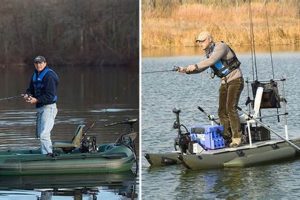
A system designed to secure kayaks, specifically those used for fishing, to the roof of a vehicle facilitates transportation to and from various bodies of water. These systems typically comprise two cradles or saddles that support the hull of the kayak, along with straps and tie-down points for securing it during transit. Specialized features may include integrated rod holders or compatibility with various roof rack types.
Convenient and secure transportation of fishing kayaks enhances access to diverse fishing locations, eliminating the limitations of launching from restricted areas. This accessibility opens up opportunities for anglers to explore different waters and potentially increase their catch. Furthermore, purpose-built transport systems contribute to the longevity of the kayak by preventing damage during travel. The evolution of these systems has mirrored advancements in kayak design and materials, leading to more durable, lightweight, and easily installed solutions.
This discussion will delve further into key considerations for choosing an appropriate system, encompassing topics such as vehicle compatibility, kayak size and weight, material construction, security features, and ease of loading and unloading.
Tips for Transporting Fishing Kayaks
Safe and efficient transport of a fishing kayak requires careful consideration of several factors. The following tips offer guidance for selecting and utilizing appropriate equipment.
Tip 1: Assess Kayak Dimensions and Weight: Accurate measurements of the kayak’s length, width, and weight are crucial for choosing a compatible rack system. Exceeding the rack’s capacity can lead to equipment failure and potential accidents.
Tip 2: Evaluate Vehicle Compatibility: Roof rack type and vehicle specifications determine suitable carrier options. Confirm weight limits and compatibility with factory-installed or aftermarket roof racks before purchase.
Tip 3: Prioritize Secure Fastening: Utilize high-quality straps and tie-down points to secure the kayak firmly to the rack. Regularly inspect straps for wear and tear, replacing them as needed.
Tip 4: Consider Loading and Unloading Methods: Choose a system that aligns with individual physical capabilities and loading environment. Utilize loading assists like rollers or lift systems when appropriate, especially with heavier kayaks.
Tip 5: Factor in Environmental Conditions: Account for prevailing weather conditions, particularly strong winds, when transporting a kayak. Reinforce tie-downs and reduce speed as necessary.
Tip 6: Regular Maintenance: Periodically inspect the rack system for signs of corrosion or damage. Lubricate moving parts and tighten bolts to ensure optimal performance and safety.
Tip 7: Practice Safe Driving Habits: Drive with caution and awareness of the increased height and wind resistance when transporting a kayak. Avoid sudden maneuvers and reduce speed, especially in adverse weather conditions.
Adherence to these guidelines promotes secure and efficient kayak transportation, minimizing the risk of damage to the vessel and ensuring safe travel.
By understanding and applying these tips, individuals can confidently and safely transport their fishing kayaks, maximizing their fishing opportunities.
1. Safety

Safe transportation of fishing kayaks is paramount, impacting not only the preservation of equipment but also the well-being of those on the road. A properly selected and installed rack system minimizes risks associated with improper loading, shifting cargo, and potential detachment during transit. Understanding key safety considerations is essential for responsible kayak transport.
- Secure Fastening and Tie-Downs:
Adequate securing mechanisms prevent kayak movement during transit. High-quality straps and ropes, combined with proper knotting techniques and strategic tie-down points, minimize the risk of the kayak shifting or detaching. Regular inspection and replacement of worn straps are critical for maintaining secure fastening. A loose kayak can pose a significant hazard to other vehicles and potentially cause an accident.
- Proper Weight Distribution and Rack Capacity:
Adhering to the specified weight capacity of the roof rack and kayak carrier is crucial. Overloading can lead to structural failure, potentially causing the kayak and rack system to detach from the vehicle. Evenly distributing the kayak’s weight on the carrier minimizes stress on individual components and enhances stability. Consulting vehicle and equipment specifications ensures appropriate load management.
- Regular System Inspection and Maintenance:
Routine inspections of the rack system, including bolts, straps, and contact points, identify potential wear and tear. Addressing these issues promptly prevents more significant problems and maintains the system’s integrity. Lubricating moving parts and tightening loose connections contributes to the system’s longevity and safe operation.
- Appropriate Driving Practices:
Transporting a kayak alters vehicle handling characteristics, increasing height and wind resistance. Reduced speed and cautious maneuvering, particularly in adverse weather conditions, mitigate the risk of accidents. Height awareness is crucial when approaching low clearances, and sudden braking or sharp turns should be avoided to prevent kayak shifting or detachment.
By integrating these safety practices into kayak transportation routines, individuals contribute to safer roadways and protect their valuable equipment. Neglecting these considerations can result in equipment damage, accidents, and potential injuries. Prioritizing safety ensures enjoyable and worry-free transport to and from fishing destinations.
2. Security
Protecting fishing kayaks during transport and storage is crucial given their value and the potential for theft. A secure rack system plays a vital role in deterring opportunistic thieves and safeguarding investments. Understanding the components and strategies for enhanced security contributes to peace of mind and protects valuable equipment.
- Locking Mechanisms:
Integrated locking systems within the rack itself, such as keyed locks on the carrier or locking straps, provide a primary defense against theft. These mechanisms physically secure the kayak to the vehicle, preventing unauthorized removal. Different lock types offer varying levels of security, from basic keyed locks to more robust cable or combination locks. Choosing high-quality, tamper-resistant locks enhances protection.
- Cable Locks and Security Chains:
Supplementing rack-specific locking mechanisms with additional cable locks or security chains provides an extra layer of deterrence. Looping a cable through the kayak’s grab handles or scupper holes and securing it to a fixed point on the vehicle further complicates theft attempts. Using hardened steel cables and robust padlocks enhances security.
- Garage and Storage Security:
When not in use, storing kayaks securely within a locked garage or shed further minimizes theft risk. For outdoor storage, utilizing heavy-duty covers and securing the kayak to a fixed structure, like a wall or fence, adds an extra layer of protection. Motion-activated lighting and security cameras can further deter potential thieves.
- Parking Considerations:
Strategic parking practices contribute to overall security. Whenever possible, parking in well-lit areas or within sight of surveillance cameras reduces the likelihood of theft attempts. Avoiding overnight parking in unsecured or remote locations further minimizes risk.
Implementing these security measures provides a comprehensive approach to protecting fishing kayaks from theft. Layering security features makes unauthorized removal increasingly difficult and time-consuming, deterring potential thieves. While no system is entirely foolproof, a proactive approach to security significantly reduces vulnerability and safeguards valuable equipment.
3. Capacity (weight/size)
Capacity, encompassing both weight and size limitations, plays a critical role in selecting an appropriate fishing kayak rack system. A mismatch between kayak dimensions and rack capacity can lead to equipment failure, potential damage to the vehicle, and safety hazards. Understanding the interplay between kayak specifications and rack limitations is essential for informed decision-making.
Weight capacity dictates the maximum combined weight the rack system can safely support. This includes the weight of the kayak itself, any installed fishing accessories, and additional gear stored inside. Exceeding this limit stresses the rack’s components, potentially leading to bending, breakage, or detachment during transit. For example, a tandem fishing kayak, fully equipped with gear, can easily exceed the capacity of a lightweight rack designed for smaller recreational kayaks. Similarly, the kayak’s dimensions influence carrier compatibility. Longer kayaks require racks with adequately spaced cradles or saddles to provide proper support and prevent overhang. A short rack used with a longer kayak can create instability and increase the risk of the kayak shifting during transport. Width also factors into compatibility, as some racks are designed for narrower hulls. Attempting to secure a wider kayak onto a narrow rack can damage both the kayak and the carrier.
Careful consideration of both weight and size limitations ensures a safe and secure transportation experience. Consulting manufacturer specifications for both the kayak and the rack system provides accurate capacity information. Selecting a rack system with ample capacity and appropriate dimensions for the specific kayak model minimizes the risk of equipment failure and ensures safe, stable transport. This proactive approach safeguards both the kayak and the vehicle while promoting responsible transportation practices.
4. Vehicle Compatibility

Successful integration of a fishing kayak rack hinges upon careful consideration of vehicle compatibility. A mismatch between the rack system and the vehicle can compromise safety, damage the vehicle, and render the rack unusable. Understanding key compatibility factors ensures proper fit, secure attachment, and safe transport.
- Roof Rack Type:
Vehicles may feature factory-installed roof racks, aftermarket systems, or no roof rack at all. Rack systems are designed for specific roof rack types. Some mount directly to factory crossbars, while others require aftermarket base racks. For vehicles without pre-existing racks, complete systems, including base racks and kayak carriers, are necessary. For example, a rack designed for aerodynamic crossbars may not fit square bars, and attempting to adapt it can compromise stability. Correctly identifying the vehicle’s roof rack type is essential for selecting a compatible system.
- Crossbar Spread and Weight Capacity:
Crossbar spacing, determined by the vehicle’s roof design, limits the types of racks that can be installed. Some racks require specific crossbar spreads for proper fit and stability. Furthermore, roof racks have weight limits, encompassing the combined weight of the rack system, kayak, and gear. Exceeding this limit can damage the vehicle’s roof or cause the rack to fail. Consulting both the vehicle and rack manufacturer’s specifications ensures compatibility and safe operation.
- Attachment Methods and Hardware:
Different rack systems employ various attachment methods, using specific clamps, clips, or bolts designed for certain roof rack profiles. Ensuring the chosen rack utilizes compatible hardware is essential for secure attachment. For instance, a rack requiring T-track mounting will not fit a roof rack with fixed mounting points. Using incorrect hardware can lead to instability and potential detachment during transit.
- Vehicle Specific Considerations:
Certain vehicles, such as those with rain gutters, require specialized rack systems. Additionally, vehicle height, especially with taller SUVs or trucks, can impact loading and unloading, necessitating the use of loading aids. Ignoring these factors can complicate installation and create safety hazards. Researching vehicle-specific recommendations or consulting with rack specialists ensures proper fit and safe operation.
Thorough assessment of these compatibility factors ensures seamless integration of the fishing kayak rack with the vehicle. Neglecting these aspects can compromise safety, damage the vehicle’s roof, and lead to inefficient and potentially dangerous transport. A properly fitted rack system provides a secure and reliable platform for transporting fishing kayaks, facilitating safe and enjoyable outings.
5. Ease of Use

Ease of use represents a critical factor influencing the overall practicality and user experience of a fishing kayak rack system. A cumbersome or complicated system can detract from the enjoyment of fishing trips, potentially leading to frustration and even safety risks. Efficient loading and unloading minimize strain and reduce the risk of damage to both the kayak and the vehicle. Streamlined operation allows anglers to focus on their fishing experience rather than struggling with equipment. Consider, for example, a solo angler attempting to load a heavy fishing kayak onto a high-roof vehicle with a complex, multi-part rack system. The difficulty can be significant, potentially resulting in back strain or damage to the kayak’s hull. Conversely, a well-designed system with features like integrated rollers or lift-assist mechanisms simplifies the process significantly.
Several design elements contribute to ease of use. Saddle-style cradles often facilitate easier loading than J-style carriers, particularly for heavier kayaks. Adjustable cradles accommodate various hull shapes, simplifying securement. Intuitive strap and buckle systems minimize the time and effort required for securing the kayak. Quick-release mechanisms allow for rapid unloading at the destination. Furthermore, lightweight rack materials reduce the overall weight, simplifying installation and handling. For anglers frequently transporting their kayaks, ease of use translates directly to more efficient and enjoyable fishing trips. The ability to quickly and easily load and unload the kayak minimizes pre- and post-fishing chores, maximizing time on the water. This is particularly important for those fishing solo or in remote locations where assistance may not be readily available.
Ultimately, prioritizing ease of use translates to a more positive and efficient kayaking experience. While factors like capacity and security remain crucial, a system that simplifies loading and unloading enhances practicality, reduces physical strain, and minimizes the risk of equipment damage. This consideration empowers anglers to focus on their passion, streamlining the transportation process and maximizing enjoyment on the water.
6. Durability

Durability is a paramount consideration when selecting a fishing kayak rack system. Exposure to harsh environmental conditions, frequent use, and the weight of kayaks necessitate a robust and resilient structure. A durable rack system safeguards both the kayak and the vehicle, ensuring long-term performance and minimizing the risk of damage or failure. Investing in a durable system minimizes long-term costs associated with repairs or replacements, providing a reliable platform for transporting valuable equipment.
- Material Selection:
The materials used in the rack’s construction directly impact its durability. High-quality metals, such as marine-grade aluminum or stainless steel, offer excellent corrosion resistance and strength, withstanding exposure to saltwater, UV radiation, and fluctuating temperatures. While more expensive, these materials offer superior longevity compared to less durable options like coated steel, which can chip and rust over time. For example, a rack constructed from marine-grade aluminum will likely outperform a coated steel rack in coastal environments where saltwater exposure is frequent. The choice of materials reflects a balance between cost and long-term durability.
- Construction Quality and Design:
Robust construction techniques and thoughtful design features contribute significantly to a rack system’s overall durability. Welded joints provide greater strength and resistance to stress compared to bolted connections, especially under heavy loads. Reinforced components in high-stress areas, such as cradle supports and crossbar attachments, further enhance durability. A well-designed system distributes weight evenly, minimizing stress on individual components and preventing premature wear. For instance, a rack with reinforced cradles will better support heavier fishing kayaks compared to a rack with less robust cradles, potentially preventing bending or breakage over time.
- Weather Resistance:
Frequent exposure to various weather conditions, including rain, sun, and snow, necessitates a weather-resistant rack system. UV-resistant coatings protect against sun damage and fading, preserving the rack’s appearance and structural integrity. Corrosion-resistant materials prevent rust and degradation, particularly in coastal environments. For example, a powder-coated steel rack may offer initial protection against rust, but if the coating is scratched or chipped, the underlying steel becomes vulnerable to corrosion. Choosing materials inherently resistant to corrosion provides superior long-term protection.
- Hardware and Fasteners:
Durable hardware and fasteners are essential for maintaining the rack system’s integrity. High-quality stainless steel bolts, nuts, and washers resist corrosion and provide secure attachment. Using appropriate hardware for the specific application, such as nylon locking nuts to prevent loosening due to vibration, further enhances durability. For instance, using stainless steel hardware in a coastal environment significantly extends the lifespan of the rack system compared to using standard steel hardware, which quickly succumbs to corrosion. Attention to detail in hardware selection contributes to the rack’s overall longevity.
By carefully considering these aspects of durability, individuals can select a fishing kayak rack system that withstands the rigors of frequent use and exposure to various environmental conditions. Investing in a durable rack system not only protects the kayak and the vehicle but also provides a reliable platform for years of enjoyable fishing trips. The initial investment in a durable system often translates to long-term cost savings by minimizing the need for repairs or replacements, ultimately enhancing the overall fishing experience.
7. Cost

Cost represents a significant factor influencing purchasing decisions related to fishing kayak rack systems. Understanding the various cost components and their relationship to features, materials, and overall quality enables informed choices aligned with individual budgets and needs. While initial price is a primary consideration, evaluating long-term value, including durability and potential maintenance costs, provides a more comprehensive perspective. A well-informed approach to cost analysis ensures optimal resource allocation and maximizes the return on investment.
- Material and Construction:
Material selection significantly impacts cost. Racks constructed from premium materials like marine-grade aluminum or stainless steel typically command higher prices due to their inherent corrosion resistance and durability. Less expensive options, such as coated steel or plastic components, may offer initial cost savings but potentially compromise long-term durability, leading to higher replacement costs over time. For example, a stainless steel rack, while more expensive initially, may offer a longer lifespan in coastal environments compared to a less expensive coated steel rack, which is more susceptible to corrosion. Therefore, evaluating material choices in relation to anticipated usage environments informs cost-effective decision-making.
- Features and Functionality:
Rack systems offering advanced features, such as integrated locking mechanisms, adjustable cradles, or loading assists, often come at a premium. Basic, no-frills racks typically offer lower entry points but may lack the convenience and security features of more expensive models. For instance, a rack with built-in rollers simplifies loading and unloading, potentially justifying a higher cost for individuals frequently transporting heavier kayaks. Balancing desired features against budgetary constraints ensures optimal value.
- Brand and Reputation:
Established brands with reputations for quality and durability often command higher prices compared to lesser-known manufacturers. While brand recognition can influence cost, it can also indicate a commitment to quality and customer support. Researching brand reputations and reading user reviews provides valuable insights into the potential long-term value of different rack systems. A higher initial investment in a reputable brand may translate to fewer maintenance issues and longer lifespan, potentially offsetting the higher initial cost.
- Installation and Accessories:
Installation costs can factor into the overall expense. Some rack systems require professional installation, adding to the initial outlay. Additionally, necessary accessories, such as tie-down straps, locking cables, or loading assists, represent additional expenses that should be factored into the budget. For example, while a basic rack may seem affordable, the additional cost of essential accessories can significantly impact the overall price. Considering these supplementary costs provides a more accurate picture of the total investment.
By carefully evaluating these cost components, individuals can make informed decisions aligned with their specific needs and budgetary constraints. Prioritizing long-term value, considering durability, maintenance costs, and potential resale value, provides a more comprehensive assessment of overall cost-effectiveness. A balanced approach, weighing initial investment against long-term benefits, ensures a satisfying and sustainable purchase, maximizing the enjoyment of fishing kayak transportation.
Frequently Asked Questions
This section addresses common inquiries regarding fishing kayak rack systems, providing concise and informative responses to facilitate informed decision-making.
Question 1: What type of roof rack is required for transporting a fishing kayak?
Compatibility depends on the specific rack system. Some mount directly to factory-installed crossbars, while others require aftermarket base racks. Vehicles without existing roof racks necessitate complete systems, including base racks and kayak carriers. Consulting vehicle and rack manufacturer specifications ensures proper fit.
Question 2: How is a fishing kayak secured to a roof rack?
Securement involves using high-quality straps and tie-down points. Straps typically loop through the kayak’s grab handles or scupper holes and connect to designated anchor points on the rack system. Proper tensioning and knotting techniques are essential for secure transport. Additional security measures, such as cable locks or security chains, further deter theft.
Question 3: What weight capacity should one consider when choosing a rack system?
Weight capacity represents the maximum combined weight the system can safely support. This includes the kayak’s weight, any installed fishing accessories, and additional gear. Exceeding capacity compromises safety and risks equipment damage. Consulting manufacturer specifications ensures appropriate load management.
Question 4: Are specialized racks necessary for fishing kayaks, or can universal racks be used?
While universal racks can transport some fishing kayaks, specialized racks often offer features tailored to fishing needs, such as integrated rod holders or enhanced stability for wider hulls. Specialized racks may also provide better weight distribution and hull support, minimizing potential damage during transit.
Question 5: How does one load a fishing kayak onto a car roof rack safely and efficiently?
Safe loading practices often involve two individuals, especially with heavier kayaks. Utilizing loading assists, such as rollers or lift systems, minimizes strain and reduces the risk of damage. Proper lifting techniques, avoiding awkward twisting or bending, protect against injury. Practicing loading procedures before embarking on a trip enhances efficiency and safety.
Question 6: What maintenance is required for a fishing kayak roof rack system?
Regular inspection and maintenance ensure optimal performance and longevity. Inspecting straps for wear, lubricating moving parts, and tightening bolts address potential issues before they escalate. Periodic cleaning removes dirt, salt, and debris, protecting against corrosion and extending the lifespan of the rack system.
Understanding these frequently addressed topics empowers informed decisions regarding kayak transport, promoting safety, efficiency, and the protection of valuable equipment. Addressing these considerations enhances the overall kayaking experience, minimizing potential difficulties and maximizing enjoyment on the water.
The following section will explore specific types of fishing kayak rack systems available on the market.
Conclusion
Careful selection of a fishing kayak rack system is paramount for safe, efficient, and secure transport. Key considerations encompass vehicle compatibility, kayak dimensions and weight, material durability, security features, ease of use, and overall cost. Prioritizing these factors ensures appropriate equipment selection, minimizing the risk of damage to the kayak and vehicle while promoting responsible transportation practices. Understanding the interplay between these elements empowers informed decisions aligned with individual needs and circumstances.
Investing in a suitable fishing kayak rack system unlocks access to diverse fishing locations and enhances angling opportunities. Prioritizing safety, security, and responsible transport practices contributes to a more enjoyable and sustainable fishing experience, preserving valuable equipment and promoting safe roadways for all. Diligent research and careful consideration of individual needs ultimately lead to informed decisions, maximizing the benefits and enjoyment of kayak fishing.