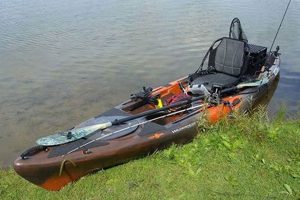
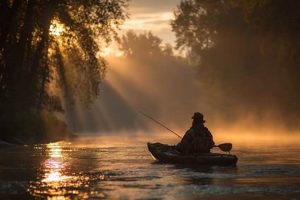
Angling from small, human-powered vessels on Lake Huron offers a unique blend of sport and connection with nature. This approach allows access to shallow waters and diverse fishing grounds often unreachable by larger boats, providing opportunities to target various species such as lake trout, salmon, walleye, and smallmouth bass. The quiet maneuverability of these craft enables anglers to explore complex shorelines, reefs, and inlets, enhancing the fishing experience.
This style of fishing has gained popularity due to its affordability, accessibility, and minimal environmental impact. It provides an intimate, self-reliant angling experience, allowing close interaction with the lake’s ecosystem. Historically, indigenous peoples utilized similar vessels for fishing and transportation on Lake Huron, highlighting a long-standing connection between humans and this body of water. This enduring practice continues to evolve with modern advancements in vessel design and fishing techniques.
Further exploration will cover essential topics including species-specific fishing techniques, recommended equipment, safety precautions for open-water angling, access points, and responsible fishing practices for preserving Lake Hurons ecological integrity.
Tips for Angling from a Kayak on Lake Huron
Careful planning and preparation are essential for a safe and successful outing. These tips provide valuable insights for maximizing one’s experience while minimizing potential risks.
Tip 1: Check the Weather Forecast: Lake Huron’s weather can change rapidly. Consulting marine forecasts before departure is crucial. Postponing trips during high winds, storms, or fog is recommended.
Tip 2: Dress Appropriately: Layering clothing provides adaptable comfort in fluctuating temperatures. Waterproof and windproof outer layers are essential. Wearing a life jacket is mandatory for safety.
Tip 3: Plan a Float Plan: Informing someone about the intended fishing location, launch time, and expected return enhances safety. This allows for timely assistance in case of unexpected delays or emergencies.
Tip 4: Carry Essential Safety Gear: Equipment such as a whistle, signaling mirror, bilge pump, paddle float, and first-aid kit are crucial safety components. A VHF radio enables communication in emergencies.
Tip 5: Respect Navigation Rules and Regulations: Awareness of boating regulations, including navigation lights and right-of-way rules, contributes to overall safety on the water. Maintaining a safe distance from larger vessels is vital.
Tip 6: Understand Water Conditions: Cold water shock can be dangerous. Awareness of water temperatures and appropriate safety precautions, such as wearing a wetsuit or drysuit when necessary, is essential for mitigating risks.
Tip 7: Practice Kayak Handling Skills: Comfortable maneuvering and self-rescue techniques, including re-entering the kayak after capsizing, are crucial for safe open-water paddling.
Adherence to these guidelines promotes a safe and enjoyable experience, enabling anglers to fully appreciate the unique challenges and rewards offered by this style of fishing on Lake Huron.
By emphasizing safety and preparedness, anglers can focus on the rewarding aspects of this unique fishing experience and contribute to a positive and sustainable interaction with Lake Huron’s environment.
1. Safety Equipment
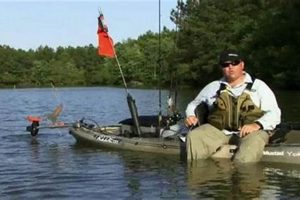
Appropriate safety equipment is paramount for mitigating risks inherent in kayak fishing on Lake Huron. The lake’s unpredictable weather, cold water temperatures, and potential vessel traffic necessitate careful consideration of safety provisions. A properly fitted personal flotation device (PFD) is non-negotiable. Exposure suits, designed for immersion in cold water, are essential, especially during colder months. A reliable communication device, such as a VHF radio or a waterproof cell phone in a floating pouch, allows contact with emergency services if necessary. Navigation lights and a signaling whistle are crucial for visibility and attracting attention in low-light conditions or emergencies. Carrying a first-aid kit equipped to handle common injuries and ailments is also recommended.
The practical significance of this equipment becomes clear when considering potential scenarios. Sudden changes in weather can lead to capsizing, requiring self-rescue and potential immersion in cold water. A PFD provides essential buoyancy, while an exposure suit protects against hypothermia. In the event of an injury or equipment malfunction, a communication device enables contacting help. A signaling whistle or mirror can attract attention from other boaters or search and rescue personnel. A first-aid kit allows for immediate treatment of minor injuries, reducing the risk of complications.
Careful selection and consistent use of appropriate safety equipment directly correlate with increased safety margins while kayak fishing on Lake Huron. While inherent risks exist in any open-water activity, preparedness significantly mitigates those risks, allowing for a more enjoyable and secure angling experience. Neglecting safety precautions can have severe consequences, underscoring the critical connection between proper equipment and angler well-being.
2. Weather Conditions

Weather conditions exert a significant influence on kayak fishing in Lake Huron, impacting both safety and fishing success. Wind speed and direction create wave height and currents, directly affecting kayak maneuverability and stability. Strong winds can make paddling challenging, increasing the risk of capsizing, particularly for less experienced kayakers. Sudden shifts in wind direction or speed can create unpredictable wave patterns, requiring constant vigilance and adjustment of paddling technique. Furthermore, fog significantly reduces visibility, making navigation hazardous and increasing the risk of collisions with other vessels. Rain and cold temperatures contribute to hypothermia risk, especially if combined with wind and water exposure.
Consider a scenario where an angler launches a kayak on a seemingly calm morning. A sudden afternoon thunderstorm generates strong winds and high waves, making paddling back to shore difficult and potentially dangerous. Alternatively, a dense fog bank can roll in unexpectedly, disorienting the angler and making it challenging to locate the launch point. These examples illustrate the practical implications of neglecting weather information before and during a kayak fishing trip on Lake Huron. Accessing real-time weather forecasts and understanding their implications is crucial for making informed decisions about launch locations, trip duration, and necessary safety precautions.
Safe and successful kayak fishing on Lake Huron hinges on careful assessment and continuous monitoring of weather conditions. Neglecting this crucial aspect can lead to hazardous situations, jeopardizing angler safety and diminishing the overall fishing experience. Prioritizing weather awareness enables informed decision-making, contributing to a more enjoyable and secure outing. Integrating weather information into pre-trip planning and on-the-water strategies is fundamental to responsible kayak angling practice.
3. Fishing Regulations
Adhering to fishing regulations is essential for the sustainability of aquatic ecosystems and the continued enjoyment of kayak fishing on Lake Huron. These regulations, established by governing bodies such as the Michigan Department of Natural Resources and the Ontario Ministry of Natural Resources and Forestry (depending on the jurisdictional waters), encompass various aspects of angling activity. Regulations dictate license requirements, catch limits, size restrictions for specific species, permitted fishing methods, and designated seasons. These stipulations aim to protect fish populations, prevent overfishing, and maintain a balanced ecosystem. For instance, size restrictions allow younger fish to mature and reproduce, ensuring the long-term health of the population. Similarly, catch limits prevent depletion of specific species, safeguarding biodiversity.
Ignoring fishing regulations can have significant consequences. Overfishing can deplete fish stocks, impacting the entire food web and the overall health of the lake. Violation of regulations can lead to fines, suspension of fishing privileges, and confiscation of equipment. Moreover, disregard for these rules undermines conservation efforts and jeopardizes the future of the sport. For example, exceeding catch limits for lake trout could negatively impact their population, potentially leading to stricter regulations in the future that restrict fishing opportunities for all anglers. Conversely, respecting these regulations contributes to the long-term health of the fishery, ensuring that future generations can enjoy kayak fishing on Lake Huron.
Understanding and complying with fishing regulations is integral to responsible kayak angling on Lake Huron. This awareness demonstrates respect for the environment, contributes to the sustainability of fish populations, and safeguards the future of the sport. Acquiring the necessary licenses and familiarizing oneself with current regulations before embarking on a fishing trip is essential. Resources such as official government websites and local bait and tackle shops provide up-to-date information on specific rules and regulations. Ultimately, adherence to these guidelines benefits both the ecosystem and the angling community, ensuring the continued enjoyment of kayak fishing on Lake Huron for years to come.

Proficient navigation skills are essential for safe and successful kayak fishing on Lake Huron. The lake’s expansive size, dynamic weather patterns, and potential hazards necessitate a thorough understanding of navigational principles. Accurate chart reading, compass use, and GPS navigation are crucial for maintaining course, locating fishing grounds, and returning safely to shore. Knowledge of nautical charts allows anglers to identify potential hazards such as shoals, reefs, and shipping lanes. Competent compass use provides directional guidance in conditions of limited visibility, such as fog or darkness. GPS technology offers precise location information, enabling efficient navigation to target fishing areas and facilitating rescue in emergencies. Furthermore, understanding water currents and wind effects on kayak drift is vital for maintaining intended position and preventing unintentional drift into hazardous areas.
Consider a scenario where an angler ventures out onto Lake Huron without adequate navigational skills. A sudden fog bank rolls in, obscuring the shoreline and landmarks. Without a compass or GPS, the angler becomes disoriented and struggles to determine the direction back to the launch point. This situation highlights the practical importance of navigational proficiency, particularly in challenging conditions. Another example involves an angler seeking a specific reef structure known for holding fish. Accurate chart reading and GPS navigation allow the angler to locate the reef efficiently, maximizing fishing time and minimizing wasted effort. Furthermore, understanding current patterns enables the angler to position the kayak strategically for optimal drift fishing along the reef structure.
Effective navigation is integral to a positive and safe kayak fishing experience on Lake Huron. This skill set empowers anglers to explore the lake’s vast waters confidently, locate productive fishing areas, and navigate safely in various conditions. Preparation through education and practice enhances navigational proficiency, contributing significantly to both enjoyment and safety on the water. Neglecting navigational skills can lead to disorientation, wasted time, and potentially dangerous situations. A solid understanding of navigation principles is a cornerstone of responsible and successful kayak angling on Lake Huron.
5. Target Species Knowledge

Possessing knowledge of target species significantly enhances angling success and promotes responsible fishing practices on Lake Huron. Understanding the preferred habitats, feeding behaviors, and seasonal movements of various fish species allows anglers to select appropriate gear, utilize effective fishing techniques, and maximize their chances of a successful catch. For instance, lake trout inhabit deeper, colder waters, requiring downriggers or weighted lines to present lures at the appropriate depth. Conversely, smallmouth bass frequent shallower, rocky areas, making them more accessible to topwater lures or crankbaits retrieved near the surface. Recognizing these distinct preferences allows anglers to tailor their approach for each species, increasing the likelihood of a productive outing. Moreover, understanding seasonal spawning behaviors helps anglers locate fish during specific times of the year. For example, walleye migrate to shallower reefs during the spring spawning season, presenting an opportunity for targeted fishing in these areas.
Practical application of species-specific knowledge extends beyond simply catching fish. It contributes to ethical angling practices and conservation efforts. Awareness of size and catch limits for different species ensures compliance with regulations, safeguarding fish populations for future generations. Furthermore, understanding the vulnerability of certain species during specific life stages, such as spawning periods, allows anglers to avoid disturbing them during these critical times. For example, recognizing that lake sturgeon are a threatened species requires careful handling and immediate release if incidentally caught. Such practices demonstrate a responsible approach to angling, minimizing negative impacts on fish populations and preserving the ecological balance of Lake Huron.
In conclusion, a thorough understanding of target species’ ecology and behavior is integral to successful and responsible kayak fishing on Lake Huron. This knowledge informs effective fishing strategies, maximizes catch rates, and promotes conservation efforts. By integrating species-specific information into their angling practices, kayak anglers contribute to the long-term health of the fishery and ensure the continued enjoyment of this recreational activity for generations to come. Lack of this knowledge, conversely, can lead to frustration, wasted effort, and potentially harmful interactions with vulnerable species.
6. Kayak Stability

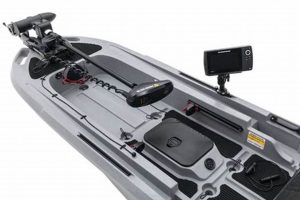
Kayak stability is a critical factor for successful and safe angling on Lake Huron. The lake’s variable conditions, including wind, waves, and currents, can challenge even experienced kayakers. A stable platform is essential for casting, reeling, landing fish, and performing other fishing-related tasks. A stable kayak minimizes the risk of capsizing, particularly when battling larger fish or dealing with unexpected waves. Different kayak designs offer varying degrees of stability. Wider, flatter-bottomed kayaks generally provide greater primary stability (resistance to initial tipping), while longer, narrower kayaks offer better secondary stability (resistance to capsizing after initial tipping). Choosing the right kayak design depends on individual preferences, fishing style, and the anticipated conditions on Lake Huron. For example, anglers targeting larger species in open water may prioritize secondary stability, while those fishing calmer, shallower areas might prefer the maneuverability of a less stable kayak. Modifying kayak stability is possible through the use of outriggers or stabilizers. These additions increase the kayak’s overall stability, particularly primary stability, making it less prone to tipping.
Consider an angler battling a strong lake trout in rough conditions. A stable kayak provides a secure platform for fighting the fish, reducing the risk of capsizing during the struggle. Conversely, an unstable kayak might tip, leading to the loss of the fish and potentially endangering the angler. Another example involves an angler attempting to cast in windy conditions. A stable kayak allows for precise casts and reduces the likelihood of losing balance during the casting motion. An unstable kayak can hinder casting accuracy and increase the risk of tipping, particularly when casting heavier lures or fishing rods. Practical considerations extend beyond fishing itself. Entering and exiting a kayak, especially from a dock or in shallow water, requires stability. A stable kayak makes these transitions easier and safer, reducing the risk of falling.
The relationship between kayak stability and successful angling on Lake Huron is undeniable. Choosing a kayak with appropriate stability for the intended fishing style and anticipated conditions is paramount for both safety and enjoyment. Understanding the nuances of primary and secondary stability informs kayak selection and allows anglers to adapt to varying water conditions. Properly assessing stability needs and considering modifications, such as outriggers, contributes significantly to a positive and safe kayak fishing experience on Lake Huron. Neglecting this aspect can compromise safety, limit fishing effectiveness, and detract from the overall experience. Therefore, careful consideration of kayak stability is an integral part of responsible and productive angling on Lake Huron.
7. Access Points
Suitable access points are crucial for safe and enjoyable kayak fishing on Lake Huron. Choosing an appropriate launch site significantly influences the overall experience, impacting both logistical ease and angler safety. Factors such as parking availability, water conditions, proximity to desired fishing grounds, and prevailing weather patterns must be considered when selecting an access point. Understanding the variety of available access points, their characteristics, and potential limitations is essential for effective planning and execution of kayak fishing trips.
- Public Boat Launches:
Public boat launches provide convenient access to Lake Huron, often featuring paved ramps, ample parking, and designated kayak launch areas. However, these sites can become congested, especially during peak season. Anglers should be prepared to share the space with larger motorized vessels and exercise caution when launching and retrieving kayaks. Examples include the Harrisville State Harbor and the Oscoda Township boat launch, both providing access to popular fishing areas.
- Public Beaches and Parks:
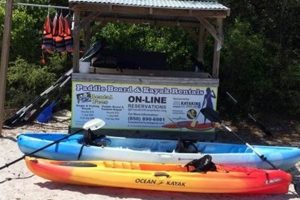
Public beaches and parks often offer suitable access points for kayaks, particularly in calmer, shallower areas. While convenient for launching, these locations may lack dedicated kayak launch facilities, requiring careful maneuvering over sand or uneven terrain. Parking availability can also be limited during peak season. Examples include Tawas Point State Park and Hoeft State Park, which offer scenic beach access for kayak anglers.
- Private Access Points:
Private access points, such as resorts or private property with waterfront access, may offer exclusive launching opportunities for guests or members. These locations often provide a quieter, less congested experience. However, access is typically restricted, and permission must be obtained before using private launch sites.
- Remote or Unimproved Access Points:
Remote or unimproved access points, such as secluded coves or undeveloped shoreline areas, offer adventurous anglers the opportunity to explore less frequented fishing grounds. These locations often require navigating challenging terrain or paddling longer distances to reach desired fishing areas. Careful assessment of water conditions, weather forecasts, and safety precautions is paramount when utilizing remote access points. Carrying essential safety gear and informing someone of the intended location are crucial safety measures.
Careful selection of access points, based on individual needs and the specific fishing goals, significantly contributes to a positive and safe kayak fishing experience on Lake Huron. Considering factors like parking availability, water conditions, proximity to fishing grounds, and potential congestion allows anglers to optimize their time on the water and minimize potential difficulties. Understanding the characteristics of different access point types empowers anglers to make informed decisions that enhance their enjoyment and safety while kayak fishing on Lake Huron.
Frequently Asked Questions
This section addresses common inquiries regarding angling from a kayak on Lake Huron, providing concise and informative responses.
Question 1: What are the primary target species for kayak anglers on Lake Huron?
Common targets include lake trout, salmon, walleye, smallmouth bass, and northern pike. Species availability varies depending on location and season.
Question 2: Are specific licenses or permits required for kayak fishing?
Valid fishing licenses are mandatory. Requirements vary depending on jurisdictional waters (Michigan or Ontario) and angler residency. Consult relevant governing bodies for specific regulations.
Question 3: What safety precautions are essential for kayak fishing on Lake Huron?
Wearing a personal flotation device (PFD), carrying a communication device (VHF radio or cell phone), and informing someone of trip plans are crucial. Checking weather forecasts and dressing appropriately for cold water conditions are also essential.
Question 4: What type of kayak is best suited for fishing on Lake Huron?
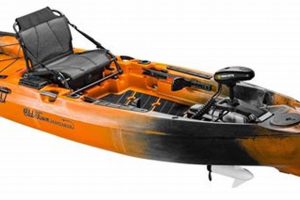
Sit-on-top kayaks are generally preferred for their stability and self-bailing capabilities. Kayak selection depends on individual preferences, fishing style, and anticipated conditions. Factors such as length, width, and hull design influence stability and maneuverability.
Question 5: Where can reliable information on access points and launch sites be found?
Information on public access points is available through government websites (Michigan DNR, Ontario MNRF), local tourism offices, and online resources dedicated to paddling and fishing. Local bait and tackle shops can often provide valuable insights.
Question 6: What impact does weather have on kayak fishing in Lake Huron?
Weather conditions significantly impact safety and fishing success. Wind, waves, and fog can create hazardous conditions. Checking marine forecasts before departure and continuously monitoring weather during outings is crucial.
Careful consideration of these frequently asked questions contributes significantly to a safer and more productive kayak fishing experience. Thorough preparation and adherence to safety guidelines are paramount for maximizing enjoyment on the water.
For further information or specific inquiries, consulting local resources or relevant governing bodies is recommended.
Kayak Fishing Lake Huron
Navigating the complexities of kayak fishing on Lake Huron requires diligent preparation, informed decision-making, and a profound respect for the environment. From understanding weather patterns and species-specific behaviors to selecting appropriate safety gear and adhering to fishing regulations, each element contributes significantly to a successful and sustainable angling experience. The importance of kayak stability, proficient navigation skills, and careful selection of access points has been underscored, highlighting the interconnectedness of these factors in ensuring both safety and enjoyment on the water.
Lake Huron offers exceptional angling opportunities for those willing to embrace the challenges and rewards inherent in this unique pursuit. Continued exploration of this vast and dynamic ecosystem, coupled with a commitment to responsible angling practices, will ensure the preservation of this valuable resource for generations to come. Prioritizing safety, adhering to regulations, and respecting the delicate balance of nature will allow anglers to experience the full potential of kayak fishing on Lake Huron while contributing to its long-term health and sustainability.