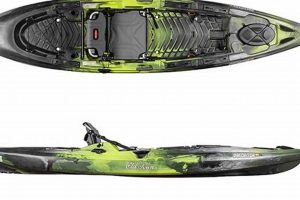
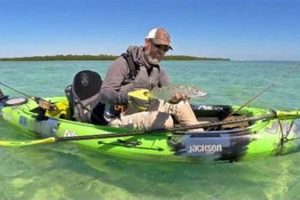
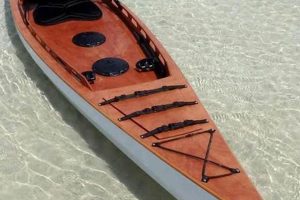
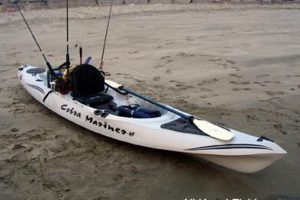
This sit-on-top vessel, manufactured by Wilderness Systems, blends stability and maneuverability for anglers. The 13.5-foot length offers ample storage for gear and provides a stable platform for casting and reeling. Its design caters to both novice and experienced kayak fishermen, incorporating features like adjustable seating, multiple rod holders, and integrated accessory tracks.
Anglers benefit from the combination of speed and stability this watercraft offers, allowing them to cover more water efficiently while maintaining balance. The brand, Wilderness Systems, is known for its durable and innovative kayak designs. This particular model contributes to the ongoing evolution of fishing kayaks by offering features specifically tailored to the needs of modern anglers, improving both comfort and fishing efficacy. This type of vessel allows access to shallower waters often inaccessible to larger boats, expanding fishing opportunities.
Further exploration will cover specific design elements, performance characteristics, user experiences, and comparisons with similar kayaks on the market. This information will help prospective buyers understand the advantages and disadvantages of this craft and make informed purchasing decisions.
Tips for Utilizing a 13.5-Foot Sit-On-Top Fishing Kayak
Optimal use of a fishing kayak maximizes angler efficiency and safety. These tips offer guidance for leveraging the features and design elements commonly found in such vessels.
Tip 1: Weight Distribution and Balance: Even weight distribution is crucial for stability. Gear should be stored strategically, balancing heavier items closer to the center and distributing lighter items evenly. This enhances maneuverability and reduces the risk of capsizing.
Tip 2: Paddle Selection and Technique: Selecting a paddle of appropriate length and using proper paddling techniques increases efficiency and reduces fatigue. Research efficient paddle strokes for improved speed and control.
Tip 3: Safety Gear and Precautions: Wearing a personal flotation device (PFD) is paramount. Carrying a whistle, signaling device, and first-aid kit is recommended. Checking weather conditions before embarking on any fishing trip is essential.
Tip 4: Anchor Positioning and Deployment: Understanding proper anchor deployment is essential for maintaining position in desired fishing areas. Different anchor types are suitable for varying bottom conditions. Researching anchor selection and techniques enhances fishing effectiveness.
Tip 5: Effective Fish Finder and Electronics Usage: Understanding the capabilities of fish finders and other electronic devices enhances fish-finding capabilities. Learning to interpret data from these devices increases the likelihood of a successful fishing experience.
Tip 6: Kayak Maintenance and Storage: Proper maintenance, including rinsing after each use and storing the kayak out of direct sunlight, prolongs its lifespan. Regular inspection of hull integrity and fittings ensures continued safe operation.
Tip 7: Fishing Techniques and Adaptations: Adapting fishing techniques to the kayak environment enhances success. Using shorter rods and adjusting retrieval methods improves maneuverability and control while fighting fish.
By adhering to these tips, anglers can enhance their safety, improve their fishing performance, and extend the life of their kayak, maximizing enjoyment on the water.
The following section will summarize key findings and offer final recommendations regarding the selection and use of a fishing kayak.
1. Sit-on-top Design
The sit-on-top design is a defining characteristic of the Wilderness Systems Radar 135 fishing kayak, significantly influencing its functionality and suitability for angling. This design eliminates the enclosed cockpit found in traditional sit-inside kayaks, providing several key advantages for fishermen. Anglers benefit from increased freedom of movement, facilitating casting, fighting fish, and re-entry in the event of an accidental capsize. The open design also allows for easier access to gear and equipment stored on deck. Self-bailing scupper holes contribute to the kayak’s ability to shed water quickly, maintaining stability even in challenging conditions. This design choice contributes significantly to the kayak’s suitability for fishing applications, where mobility and stability are paramount.
Consider a scenario where an angler hooks a large fish. The sit-on-top design allows for greater range of motion during the fight, minimizing the risk of capsizing due to restricted movement. Additionally, the elevated seating position enhances visibility, improving situational awareness on the water. In warmer climates, the open design contributes to improved ventilation and cooling, enhancing angler comfort during extended fishing trips. Conversely, in colder conditions, anglers can utilize specialized clothing and accessories designed for sit-on-top kayaks, maintaining warmth and comfort. This adaptability across different climates underscores the versatility of the sit-on-top design.
In summary, the sit-on-top design is an integral component of the Radar 135, directly contributing to its performance and practicality as a fishing kayak. This design’s benefits, including increased stability, enhanced mobility, and self-bailing capabilities, are crucial for anglers seeking a platform optimized for fishing. While other kayak designs offer alternative advantages, the sit-on-top configuration remains a popular and effective choice for anglers seeking a versatile and stable fishing platform.
2. Thirteen and a half feet length

The 13.5-foot length of the Wilderness Systems Radar 135 fishing kayak represents a deliberate design choice impacting performance characteristics. This length contributes to a balance between maneuverability and tracking performance. Shorter kayaks are generally more agile in tight spaces, while longer kayaks tend to track straighter and maintain momentum more effectively. The Radar 135’s length positions it within a range suitable for a variety of fishing environments, from smaller rivers and lakes to larger bodies of water. For example, navigating narrow creeks and inlets benefits from a kayak capable of turning quickly, while covering longer distances in open water requires efficient tracking. The 13.5-foot length seeks to address these potentially competing needs, offering a compromise suitable for diverse fishing scenarios.
The length also influences storage capacity and hull speed. A longer hull generally provides more storage space for fishing gear and equipment. Hull speed, the theoretical maximum speed a displacement hull can achieve based on its waterline length, increases with length. Therefore, the Radar 135’s length contributes to a reasonably efficient hull speed for covering water and reaching fishing spots. Consider an angler needing to transport multiple rods, tackle boxes, and potentially even a small cooler. The 13.5-foot length provides sufficient deck space and internal storage to accommodate such gear, enhancing the practicality of longer fishing trips. Similarly, the enhanced hull speed allows for more efficient travel, maximizing fishing time.
In summary, the 13.5-foot length of the Radar 135 is not arbitrary but a carefully considered design element impacting performance characteristics. The length contributes to a balance between maneuverability and tracking, influences storage capacity, and affects hull speed. Understanding the relationship between length and performance allows anglers to make informed decisions based on their individual fishing needs and preferences. This length represents a compromise aimed at maximizing versatility across a range of fishing environments and scenarios.
3. Targeted for fishing

The “targeted for fishing” designation applied to the Wilderness Systems Radar 135 signifies more than just a general-purpose kayak with fishing potential. It highlights a deliberate design philosophy and the incorporation of features specifically engineered to enhance angling experiences. This focus influences numerous aspects of the kayak’s construction, from stability and storage to specialized features like rod holders, accessory tracks, and transducer mounts. Cause and effect are evident; the desire for a dedicated fishing platform resulted in the inclusion of these specific design elements. Without these features, the kayak’s effectiveness as a fishing platform would be significantly diminished. Imagine trying to manage a fishing rod, tackle, and navigate simultaneously in a kayak lacking dedicated storage and rod holders; the experience would be cumbersome and inefficient. The Radar 135’s targeted design addresses these challenges, optimizing the fishing experience.
The practical significance of understanding this targeted design lies in the angler’s ability to leverage these features effectively. For instance, strategically utilizing the provided rod holders frees up hands for other tasks, like paddling or managing tackle. Integrated accessory tracks allow for customization with fish finders, GPS units, and other electronic devices crucial for modern angling techniques. Consider a scenario where an angler needs to position their kayak precisely over a submerged structure identified on a fish finder; the integrated transducer mount and accessory tracks facilitate seamless integration and utilization of these technologies, maximizing fishing success. Understanding how each feature contributes to the overall fishing experience is crucial for maximizing the kayak’s potential.
In summary, the “targeted for fishing” designation for the Radar 135 is not simply a marketing label but a fundamental design principle shaping its form and function. This targeted design, evidenced by the integration of fishing-specific features, transforms a general-purpose vessel into a specialized platform optimized for angling. Recognizing and utilizing these features allows anglers to enhance their efficiency, improve their chances of success, and enjoy a more comfortable and productive fishing experience on the water.
4. Manufactured by Wilderness Systems

The association between “Manufactured by Wilderness Systems” and the Radar 135 fishing kayak signifies more than simple branding. It represents a connection to a legacy of kayak design and manufacturing, influencing perceptions of quality, durability, and performance. Wilderness Systems, established in 1986, has cultivated a reputation for innovation and performance-driven kayak designs. This reputation directly impacts consumer perception of the Radar 135, imbuing it with an inherent level of expected quality and performance. The company’s history of producing durable, well-designed kayaks creates a cause-and-effect relationship; the manufacturer’s reputation influences the perceived value and expected performance of the product. Consider a consumer choosing between two similarly priced kayaks; the reputation of a well-established manufacturer like Wilderness Systems can be a decisive factor in the purchasing decision. This influence underscores the importance of brand recognition and reputation within the kayak market.
This connection also implies adherence to specific manufacturing standards and processes. Wilderness Systems employs proprietary technologies and construction methods aimed at producing kayaks that meet stringent performance and durability criteria. For example, their utilization of specific hull designs and materials impacts the kayak’s on-water performance and longevity. Understanding this connection allows consumers to make informed decisions based not only on the features of the Radar 135 itself but also on the reputation and manufacturing expertise of Wilderness Systems. This knowledge translates into practical applications, such as anticipating a certain level of product support and warranty coverage, factors often associated with established manufacturers. Choosing a kayak manufactured by a reputable company often implies access to a network of dealers and service centers, crucial for addressing potential warranty issues or obtaining replacement parts.
In summary, “Manufactured by Wilderness Systems” is not merely a label but a significant factor influencing the perception and value of the Radar 135 fishing kayak. The manufacturer’s established reputation, commitment to innovation, and adherence to specific manufacturing processes contribute to consumer confidence and expectations regarding quality, performance, and durability. Understanding this connection provides valuable context for evaluating the kayak and making informed purchasing decisions, ultimately linking the product to a broader legacy of kayak design and manufacturing excellence.
5. Enhanced Stability
Enhanced stability forms a cornerstone of the Wilderness Systems Radar 135 fishing kayak’s design, directly influencing its suitability for angling. Stability in a kayak, especially one designed for fishing, is paramount. It allows anglers to cast, reel, and land fish without compromising balance or risking capsize. The Radar 135 achieves this enhanced stability through a combination of design elements, including a wider hull, a lower center of gravity, and carefully considered weight distribution. Cause and effect are evident; a wider hull inherently provides greater initial stability, while a lower center of gravity reduces the likelihood of tipping. Without this emphasis on stability, the kayak’s practicality as a fishing platform would be significantly diminished. Imagine attempting to hook a struggling fish in a less stable kayak; the risk of capsize would be significantly higher, potentially leading to lost gear and compromising angler safety. The Radar 135’s stability mitigates these risks, allowing anglers to focus on fishing.
The practical implications of this enhanced stability extend beyond simply preventing capsize. It allows anglers to stand up and fish, providing a higher vantage point for spotting fish and improving casting accuracy. This ability to stand contributes significantly to the kayak’s versatility and effectiveness as a fishing platform. Consider a scenario where an angler needs to sight-cast to a school of fish in shallow water; the stability of the Radar 135 allows them to stand and make accurate casts, maximizing their chances of success. Furthermore, enhanced stability contributes to angler confidence, particularly in challenging conditions such as windy days or choppy water. This confidence translates to a more enjoyable and productive fishing experience.
In summary, enhanced stability is not merely a desirable feature of the Radar 135; it is a fundamental design principle that defines its functionality as a fishing kayak. This stability, achieved through careful design and engineering, directly influences angler safety, performance, and overall enjoyment on the water. Understanding the importance of stability and how the Radar 135 achieves it provides valuable context for appreciating its design and making informed decisions about its suitability for individual fishing needs.
6. Ample Storage
Ample storage is integral to the Wilderness Systems Radar 135 fishing kayak’s utility, directly impacting its effectiveness as a dedicated fishing platform. Kayak fishing necessitates carrying various gear, including rods, reels, tackle boxes, safety equipment, and potentially even fish handling equipment or a small cooler. Insufficient storage compromises organization, accessibility, and overall fishing efficiency. Cause and effect are evident; the demand for carrying essential fishing gear necessitates sufficient storage space. Without ample storage, anglers face limitations in carrying essential equipment, potentially impacting fishing success and overall experience. Imagine attempting a multi-day fishing trip in a kayak lacking sufficient storage; essential gear would need to be left behind, compromising preparedness and limiting options on the water. The Radar 135’s ample storage addresses this challenge, facilitating extended and well-equipped fishing excursions.
The practical significance of ample storage extends beyond simply carrying more gear. Well-designed storage compartments and features, such as tank wells, hatches, and bungee systems, contribute to efficient organization and accessibility. A dedicated tackle storage compartment keeps lures and hooks readily available, while a larger tank well can accommodate a cooler or dry bag. Consider a scenario where an angler needs to quickly change lures based on changing fishing conditions; readily accessible tackle storage significantly reduces downtime and maximizes fishing time. Furthermore, secure storage prevents gear from shifting or getting lost during transit or while maneuvering through challenging water conditions, ensuring valuable equipment remains safe and protected. This contributes not only to efficiency but also to peace of mind, allowing anglers to focus on fishing rather than managing precariously balanced gear.
In summary, ample storage is not simply a convenient feature of the Radar 135; it is a crucial design element that directly enhances its functionality as a dedicated fishing kayak. The ability to carry and organize essential gear efficiently contributes to a more productive, comfortable, and ultimately more successful fishing experience. Understanding the importance of ample storage and how the Radar 135 provides it offers valuable insights into its design and suitability for anglers seeking a well-equipped and versatile fishing platform.
7. Customizable Features
Customizable features represent a significant advantage of the Wilderness Systems Radar 135 fishing kayak, allowing anglers to tailor the vessel to individual preferences and fishing styles. This adaptability enhances comfort, efficiency, and overall fishing performance. The ability to modify the kayak with specific accessories transforms a general-purpose fishing platform into a personalized and highly effective tool. Understanding the range of customizable features and their potential benefits is crucial for maximizing the Radar 135’s versatility.
- Accessory Tracks and Mounting Points:
Integrated accessory tracks provide a platform for mounting various accessories, including rod holders, fish finders, GPS units, camera mounts, and other electronic devices. This adaptability allows anglers to customize their setup based on specific fishing needs and preferences. For example, an angler targeting specific species might choose to mount specialized rod holders and a fish finder tailored to that species’ habitat. The availability of multiple mounting points ensures flexibility in positioning these accessories for optimal access and functionality.
- Adjustable Seating System:
The Radar 135 typically features an adjustable seating system, allowing anglers to fine-tune seat position and back support for optimal comfort during long hours on the water. This adjustability accommodates different body types and preferences, mitigating fatigue and enhancing overall fishing experience. An angler with back problems, for instance, can adjust the seat to provide optimal lumbar support, ensuring comfort and reducing strain during extended fishing trips.
- Rudders and Propulsion Systems:
While not always standard, the Radar 135 is compatible with rudder systems and alternative propulsion options like pedal drives. Adding a rudder improves tracking and maneuverability, particularly in windy or current-prone conditions. Pedal drives offer hands-free propulsion, allowing anglers to focus on fishing rather than paddling. An angler fishing in a river with strong currents would benefit significantly from a rudder system, maintaining control and precise positioning. Similarly, a pedal drive allows for stealthy approach to fishing areas, minimizing disturbance and increasing chances of success.
- Storage and Organization Solutions:
While the Radar 135 offers ample storage, customizable organization solutions further enhance its practicality. Aftermarket accessories, such as tackle boxes designed to fit specific compartments or additional storage bags, optimize gear organization and accessibility. This level of customization allows anglers to create a highly personalized and efficient storage system tailored to their specific needs and preferences. An angler specializing in fly fishing, for example, might choose specialized fly boxes and storage solutions designed for the unique requirements of fly fishing gear, maximizing efficiency and maintaining order within the kayak’s storage compartments.
These customizable features collectively elevate the Wilderness Systems Radar 135 from a capable fishing kayak to a highly adaptable platform tailored to individual angling styles and preferences. The ability to personalize the kayak with specific accessories and modifications directly contributes to increased efficiency, comfort, and ultimately, greater success on the water. This adaptability represents a significant advantage for anglers seeking a versatile and customizable fishing platform capable of evolving alongside their skills and fishing aspirations. By understanding the range of customizable features available, anglers can maximize the Radar 135s potential and create a truly personalized fishing experience.
Frequently Asked Questions
This section addresses common inquiries regarding the Wilderness Systems Radar 135 fishing kayak, providing concise and informative responses to assist prospective buyers and current owners.
Question 1: What is the weight capacity of the Radar 135?
The Radar 135 typically boasts a weight capacity between 450 and 500 pounds, accommodating angler weight, gear, and any potential catch.
Question 2: What materials are used in its construction?
Wilderness Systems typically constructs the Radar 135 using rotomolded polyethylene, a durable and UV-resistant plastic known for its impact resistance and longevity.
Question 3: Does the Radar 135 come with a paddle?
Paddles are typically sold separately, allowing anglers to select a paddle tailored to their individual preferences and paddling style.
Question 4: How does the Radar 135 perform in windy conditions?
While its sit-on-top design can catch wind, the Radar 135’s length and hull design contribute to reasonable stability. Performance in wind can be further enhanced with the addition of a rudder.
Question 5: Is the Radar 135 suitable for use in saltwater environments?
The Radar 135’s rotomolded polyethylene construction makes it suitable for both freshwater and saltwater use. Regular rinsing after saltwater exposure is recommended to maintain its condition.
Question 6: What is the warranty coverage for the Radar 135?
Warranty coverage may vary, but Wilderness Systems typically offers a limited lifetime warranty on the hull against manufacturing defects. It is advisable to consult authorized dealers or the manufacturer’s website for specific warranty details.
This FAQ section aims to address key questions regarding the Radar 135. Consulting authorized dealers or Wilderness Systems directly can provide further clarification or address specific inquiries not covered here.
The following section will offer concluding remarks and summarize the key features and benefits of the Wilderness Systems Radar 135 fishing kayak.
Conclusion
Exploration of the Wilderness Systems Radar 135 fishing kayak reveals a vessel designed for angling versatility. Key features such as the sit-on-top design, ample storage, and customizable options contribute to its effectiveness as a fishing platform. The 13.5-foot length balances maneuverability and tracking performance, while the enhanced stability contributes to angler confidence and safety. Manufactured by a reputable company known for durable kayak construction, the Radar 135 represents a considered option for anglers seeking a dedicated fishing kayak. Understanding these attributes allows for informed evaluation and selection based on individual fishing needs and preferences.
The Radar 135 exemplifies the ongoing evolution of fishing kayak design, adapting to the ever-changing needs of anglers. Careful consideration of its features, performance characteristics, and potential benefits empowers informed purchasing decisions, ultimately contributing to enhanced fishing experiences on the water.