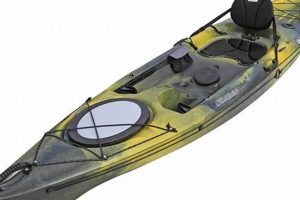
Strategies for angling from a small, human-powered vessel in flowing freshwater environments encompass a range of techniques and considerations. For example, understanding current flow and its impact on fish behavior is crucial, as is selecting appropriate tackle and lures. Specialized equipment, such as anchor systems designed for moving water, also plays a vital role.
Effective approaches to this activity improve angling success and enhance overall safety. A historical perspective reveals that the use of small boats for fishing in rivers dates back centuries, evolving alongside advancements in boat design and fishing technology. Modern techniques build upon this foundation, incorporating specialized gear and knowledge specific to the challenges and opportunities presented by river environments.
The following sections will delve into specific areas of expertise, covering topics such as tackle selection, kayak control in currents, reading river structure, and ethical considerations for responsible angling.
River Kayak Fishing Tips
Successful angling from a kayak in riverine environments requires careful planning and execution. The following tips provide guidance for a productive and safe experience.
Tip 1: Understand River Dynamics: Current speed, depth, and structure significantly influence fish behavior. Analyze these factors to identify likely holding areas and adjust fishing techniques accordingly.
Tip 2: Choose Appropriate Tackle: Shorter rods (6-7 feet) offer better control in confined spaces. Lighter lines and lures are often effective, but heavier tackle might be necessary in stronger currents or for larger target species.
Tip 3: Master Kayak Control: Effective paddling and maneuvering are crucial for maintaining position and navigating currents. Practice eddy turns and ferries to efficiently move across flowing water.
Tip 4: Utilize River Structure: Fish often congregate near logs, rocks, and undercut banks. Target these areas with precise casts and lure presentations.
Tip 5: Employ Effective Anchoring Techniques: Specialized river anchors or stake-out poles provide stability in current. Proper deployment prevents drifting and allows for focused fishing.
Tip 6: Prioritize Safety: Wear a personal flotation device (PFD) and inform someone of your fishing plans. Carry essential safety gear, including a whistle, first-aid kit, and communication device.
Tip 7: Practice Catch and Release: Handle fish carefully and minimize their time out of water. Use appropriate hooks and tools to facilitate quick and safe release.
By adhering to these guidelines, anglers can enhance their chances of success while prioritizing safety and responsible angling practices.
Careful planning and execution are key components of a successful river kayak fishing trip.
1. Current Assessment
Current assessment forms a cornerstone of effective river kayak fishing strategies. Flowing water presents a dynamic environment where current speed, direction, and depth directly influence fish behavior and angling success. A thorough understanding of these factors allows anglers to predict fish location, optimize lure presentation, and control kayak positioning. For example, faster currents often push fish to seek refuge near slower-moving eddies or behind submerged structures. Recognizing these patterns enables targeted casting and increases the likelihood of enticing a strike. Conversely, slower pools may require a more subtle approach, using lighter lures and slower retrieves to avoid spooking fish.
Practical current assessment involves observation and analysis. Visual cues, such as surface ripples and changes in water color, indicate shifts in flow and depth. Feeling the current’s resistance against the kayak paddle offers further insight into its strength. Additionally, observing debris movement provides a clear indication of flow direction and speed. This information, coupled with knowledge of river structure and fish species, allows anglers to formulate an effective fishing plan. For instance, targeting the downstream side of a large rock in fast current, where fish often lie in wait for food, requires precise boat control and lure placementskills informed by accurate current assessment.
Successful river kayak angling relies on understanding the nuances of current dynamics. Challenges arise when currents shift unexpectedly due to rainfall or other environmental factors. Adaptability remains key; continuous assessment and adjustments to techniques are crucial for maintaining effective fishing strategies in dynamic river conditions. This ability to interpret and respond to current changes distinguishes proficient river kayak anglers, enabling them to consistently locate and catch fish while ensuring a safe and productive experience.
2. Tackle Selection
Appropriate tackle selection significantly influences success in river kayak fishing. The dynamic nature of flowing water and the limitations of kayak angling necessitate specialized equipment choices. Optimizing tackle configurations enhances lure presentation, improves hook-set ratios, and aids in managing fish in currents. This detailed exploration examines key facets of tackle selection relevant to river kayak fishing.
- Rod Choice
Shorter rods, typically between 6 and 7 feet, offer advantages in kayak fishing. Their reduced length facilitates casting and maneuvering within the confined space of a kayak. Medium-power, fast-action rods provide a balance between sensitivity for detecting strikes and backbone for setting hooks and fighting fish in current. For example, a 6’6″ medium-power, fast-action spinning rod paired with a 2500 size reel offers versatility for various river species and techniques.
- Line and Leader
Braided line, with its low stretch and high sensitivity, transmits subtle bites readily in moving water. Line weights between 10 and 20 pounds offer sufficient strength for most river species. Fluorocarbon leader material, due to its low visibility and abrasion resistance, improves presentation and durability when fishing near structure. For instance, a 15-pound braided main line with a 12-pound fluorocarbon leader provides a balanced setup for targeting bass or walleye in rocky rivers.
- Lure Selection
Lure choice depends on target species, water clarity, and current speed. Crankbaits, spinnerbaits, and jigs effectively imitate common river forage. In faster currents, heavier lures maintain contact with the bottom and resist excessive drift. Alternatively, lighter lures and finesse presentations might prove more effective in slower pools. Using a brightly colored crankbait in murky water or a finesse worm in clear, slow-moving sections illustrates adaptive lure choices.
- Essential Accessories
Certain accessories enhance efficiency and safety. A landing net with a long handle assists in retrieving fish in a kayak. A selection of pliers and hook removers aids in handling fish safely and efficiently. Carrying spare tackle organized within a waterproof box ensures preparedness for changing conditions or equipment failures. For example, a quick-release net minimizes handling time, contributing to fish conservation and angler safety.
These interconnected elements of tackle selection contribute significantly to successful river kayak fishing. The right combinations maximize angling opportunities and provide a more enjoyable and productive experience on the water. Adapting tackle choices to the specific river environment and target species remains crucial for consistent success.
3. Kayak Control

Effective kayak control forms a cornerstone of successful river kayak fishing. Maneuvering a kayak within the dynamic environment of flowing water presents distinct challenges and opportunities. Precise boat positioning optimizes lure presentation, maintains desired fishing locations, and ensures angler safety. This exploration delves into essential facets of kayak control crucial for productive river fishing.
- Paddling Techniques
Proficient paddling technique enables efficient movement and precise positioning within the current. Forward strokes, reverse strokes, and sweep strokes provide the foundational skills for navigating river flows. Understanding how to utilize current dynamics, such as eddies and slack water, conserves energy and maximizes control. For example, using a forward stroke combined with a sweep stroke allows for controlled turns and adjustments in current, maintaining optimal lure presentation near submerged structures.
- Eddy Turns and Ferries
Eddy turns and ferries represent essential maneuvers for navigating currents and accessing desired fishing locations. An eddy turn involves using the kayak’s momentum and paddle strokes to transition into the slower-moving water of an eddy. A ferry utilizes angled paddling to move across the current and reach the opposite bank or a specific feature. These techniques prove invaluable for fishing near structure, navigating rapids, and changing fishing positions efficiently.
- Current Positioning
Maintaining precise position relative to the current proves critical for effective lure presentation and hooksets. Understanding how current affects lure drift and fish behavior allows anglers to position their kayaks strategically. For instance, positioning the kayak slightly upstream of a target area allows the lure to drift naturally through the strike zone. This technique maximizes presentation time and increases the likelihood of enticing a bite.
- Anchor and Stake-Out Systems
Anchor and stake-out systems offer stability in current, allowing anglers to maintain a stationary position while fishing. River-specific anchor designs, such as grapple anchors or stake-out poles, provide secure holding power in flowing water. Proper deployment and retrieval of these systems are essential for both fishing effectiveness and river safety. For example, using a stake-out pole in shallow areas provides a stable platform for fishing while minimizing disturbance to the riverbed.
These interconnected elements of kayak control enhance angling success and contribute to a safer and more enjoyable river fishing experience. Mastering these skills allows anglers to confidently navigate currents, position their kayaks strategically, and present lures effectively, ultimately maximizing their chances of a successful catch.
4. Safety Precautions

Safety precautions constitute a critical aspect of river kayak fishing. The dynamic environment of flowing water presents inherent risks that necessitate careful planning and execution. Neglecting safety protocols can lead to serious consequences, ranging from equipment damage to life-threatening situations. A comprehensive understanding of safety measures and their practical application significantly reduces these risks, ensuring a more enjoyable and productive angling experience. For example, failing to wear a personal flotation device (PFD) can result in tragic outcomes if a kayak capsizes in swift current.
Several key safety precautions warrant consideration in river kayak fishing. Wearing a properly fitted PFD remains paramount. Informing someone of fishing plans, including location and expected return time, provides an essential safety net. Carrying a waterproof communication device, such as a cell phone or VHF radio, enables contact in emergencies. Checking weather forecasts before embarking on a fishing trip helps avoid hazardous conditions. Understanding river dynamics, including potential hazards like rapids or strainers, proves crucial for safe navigation. Carrying essential safety gear, such as a first-aid kit, whistle, and throw rope, further enhances preparedness. Regularly inspecting kayak and paddling equipment for wear and tear mitigates the risk of equipment failure. For instance, strong winds combined with fast currents can create challenging conditions, highlighting the importance of checking weather forecasts and possessing strong paddling skills.
Integrating safety precautions into every aspect of river kayak fishing builds a foundation for responsible angling. Challenges arise when complacency or overconfidence overshadows prudent decision-making. Maintaining a vigilant approach, respecting the power of moving water, and adhering to established safety protocols minimizes risks and ensures a positive experience on the river. This proactive approach to safety fosters a culture of responsible angling and allows individuals to enjoy the sport while mitigating potential hazards.
5. Ethical Practices
Ethical practices constitute an integral component of responsible river kayak fishing. Sustainable angling ensures the preservation of aquatic ecosystems and the longevity of the sport. Respecting the environment, practicing conservation, and adhering to regulations demonstrate a commitment to responsible angling and contribute to the overall health and well-being of river ecosystems. These practices become particularly relevant in the context of river kayak fishing due to the increased access to sensitive and often less-pressured waters provided by kayaks.
- Catch and Release
Practicing catch and release minimizes stress on fish populations and promotes sustainable angling. Handling fish with wet hands or using a rubberized landing net reduces damage to their protective slime coat. Using barbless hooks or crushing barbs facilitates quicker and less traumatic hook removal. Minimizing the time a fish spends out of the water reduces physiological stress and improves its chances of survival after release. For example, promptly returning a caught smallmouth bass to the water after a quick photo minimizes its exposure to air and handling stress, maximizing its chances of a healthy recovery.
- Respect for Riparian Habitats
Riparian habitats, the vegetated zones along riverbanks, play a vital role in maintaining water quality and providing habitat for aquatic organisms. Avoiding disturbing these areas by paddling too close or trampling vegetation helps preserve their ecological integrity. Properly disposing of fishing line and other debris prevents entanglement and pollution, protecting both wildlife and water quality. For instance, carefully launching and landing a kayak in designated areas minimizes disturbance to riparian vegetation and prevents erosion, preserving the habitat for both aquatic and terrestrial species.
- Adherence to Regulations
Adhering to fishing regulations, including licensing requirements, catch limits, and size restrictions, ensures sustainable fish populations. Familiarizing oneself with local regulations and following them diligently demonstrates a commitment to responsible angling. Reporting poaching or other illegal activities contributes to the enforcement of regulations and the protection of fish stocks. For example, respecting seasonal closures protects spawning fish, contributing to the long-term health and abundance of the fish population.
- Minimizing Disturbance
Kayaks offer a quiet and less intrusive approach to fishing compared to motorized boats. Maintaining a respectful distance from other anglers and wildlife minimizes disturbance and enhances the overall angling experience for everyone. Avoiding excessive noise or sudden movements contributes to a peaceful and respectful environment on the river. For instance, paddling quietly and avoiding sudden movements when approaching a shallow area minimizes disturbance to fish and other wildlife, increasing the likelihood of observing natural behaviors.
These ethical practices, when integrated into river kayak fishing techniques, contribute significantly to the long-term health and sustainability of river ecosystems. Responsible angling ensures that future generations can continue to enjoy the sport and appreciate the natural beauty of rivers. By incorporating these principles into every fishing trip, kayak anglers demonstrate their commitment to conservation and their respect for the delicate balance of aquatic environments.
Frequently Asked Questions about River Kayak Fishing
This section addresses common inquiries regarding river kayak fishing, providing concise and informative responses to enhance understanding and promote safe and effective angling practices.
Question 1: What type of kayak is best suited for river fishing?
While various kayak types can be used, sit-on-top kayaks offer advantages in river environments due to their self-bailing design and stability. Fishing-specific sit-on-tops often feature specialized storage and rigging options.
Question 2: Is specialized fishing gear necessary for river kayak angling?
While standard fishing gear can be adapted, certain specialized equipment enhances effectiveness and safety. Shorter rods, river-specific anchors, and appropriate PFDs are recommended.
Question 3: How does one navigate currents effectively in a kayak?
Mastering basic paddling techniques, such as forward, reverse, and sweep strokes, provides foundational control. Learning maneuvers like eddy turns and ferries enhances navigation in flowing water.
Question 4: What safety precautions are essential for river kayak fishing?
Wearing a PFD, informing someone of fishing plans, carrying a communication device, and checking weather forecasts are crucial safety measures. Understanding river dynamics and carrying essential safety gear further enhances preparedness.
Question 5: What are the ethical considerations for river kayak fishing?
Practicing catch and release, respecting riparian habitats, adhering to fishing regulations, and minimizing disturbance contribute to ethical angling practices and ecosystem preservation.
Question 6: How does one locate fish in a river environment from a kayak?
Understanding river dynamics, such as current flow, depth changes, and structure, aids in identifying likely fish-holding areas. Targeting areas like eddies, seams, and submerged logs increases the probability of locating fish.
Careful consideration of these frequently asked questions contributes to informed decision-making, enhancing both safety and effectiveness in river kayak fishing. Understanding these key aspects allows individuals to approach the sport with greater confidence and preparedness.
This concludes the FAQ section. The following sections will offer an in-depth exploration of advanced techniques for experienced anglers.
Conclusion
Strategies for angling from kayaks in riverine environments encompass a multifaceted approach. Successful outcomes rely on a confluence of factors, including an understanding of river dynamics, appropriate tackle selection, proficient kayak control, adherence to safety precautions, and a commitment to ethical practices. Each element plays a crucial role in maximizing angling success while minimizing environmental impact. Mastery of these interconnected aspects distinguishes proficient river kayak anglers.
Continued learning and refinement of techniques remain essential for navigating the dynamic challenges and maximizing the inherent opportunities presented by river environments. Careful consideration of these strategies fosters a deeper appreciation for the intricacies of river ecosystems and contributes to a more rewarding and sustainable angling experience. Adaptability and a commitment to responsible angling practices ensure the preservation of these valuable resources for future generations.