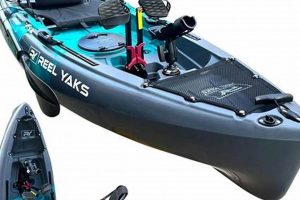
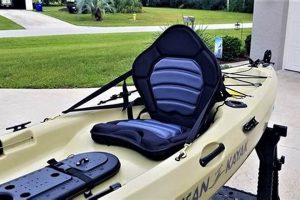
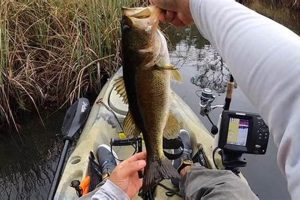
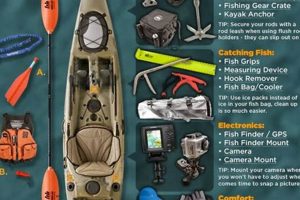
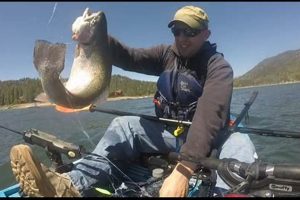
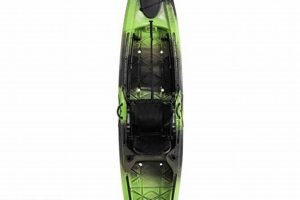
Small, human-powered vessels designed for angling in marine environments offer a unique blend of maneuverability and stability. These craft allow anglers to access shallow waters and navigate tight spaces often inaccessible to larger boats, enhancing the pursuit of various fish species. They frequently feature specialized equipment such as rod holders, anchor trolleys, and livewells, further optimizing the angling experience.
This approach to angling provides several advantages, including a closer connection to the environment, a quiet approach that minimizes disturbance to fish, and the physical challenge and reward of paddling. Historically, small watercraft have been used for fishing in coastal communities worldwide, but the development of specialized modern designs has greatly expanded the possibilities of this pursuit, offering increased stability, capacity, and tailored features for the serious angler. This rise in popularity also reflects a growing appreciation for sustainable and personalized outdoor experiences.
The following sections will explore specific aspects of this activity, including vessel selection, safety considerations, essential gear, and effective techniques for a successful and enjoyable experience on the water. Further discussion will cover responsible angling practices and the environmental impact of this growing recreational activity.
Tips for Ocean Kayak Fishing
Successful angling from a kayak in the marine environment requires careful planning and execution. The following tips offer guidance for a safe and productive experience.
Tip 1: Check Weather and Tide Conditions: Prior to departure, consult marine forecasts for wind speed, wave height, and tidal currents. Adverse conditions can create hazardous situations, particularly for smaller vessels.
Tip 2: Choose Appropriate Safety Gear: Essential safety equipment includes a personal flotation device, a signaling device such as a whistle or flare, and a communication device like a VHF radio or waterproofed mobile phone. Navigation lights are crucial for low-light conditions.
Tip 3: Plan a Float Plan: Inform someone on shore of the intended fishing location, departure time, and expected return. This allows for prompt assistance in case of an emergency.
Tip 4: Understand Navigation and Local Regulations: Familiarize oneself with navigational charts, markers, and local fishing regulations. Be aware of restricted areas and observe size and catch limits.
Tip 5: Select Proper Attire and Sun Protection: Dress in layers appropriate for changing weather conditions. Wear a hat, sunglasses, and apply sunscreen to protect against prolonged sun exposure.
Tip 6: Practice Kayak Handling Skills: Prior to venturing into open water, practice basic paddling strokes, self-rescue techniques, and re-entry procedures in a controlled environment.
Tip 7: Secure Equipment Properly: Ensure all fishing gear and other equipment are securely fastened to the kayak to prevent loss in case of capsize.
Tip 8: Respect the Marine Environment: Practice catch-and-release whenever possible. Properly dispose of fishing line and other waste to minimize environmental impact.
Adherence to these guidelines enhances safety and promotes a more rewarding experience. Preparation and responsible practices contribute significantly to successful kayak angling in the sea.
By following these tips, anglers can maximize their enjoyment and contribute to the preservation of marine environments for future generations. Responsible angling ensures the sustainability of this rewarding activity.
1. Kayak Selection

Appropriate kayak selection is paramount for successful and safe fishing in a marine environment. The vessel must be capable of handling the targeted conditions while providing the stability and features required for angling. Choosing the right kayak directly impacts safety, fishing efficacy, and overall enjoyment. A thorough understanding of the various types and their respective capabilities is essential.
- Hull Design:
Hull design significantly influences stability and maneuverability. Sit-on-top kayaks offer inherent buoyancy and self-bailing capabilities, making them suitable for rougher conditions. Sit-inside kayaks provide greater protection from the elements and a drier ride but require more advanced recovery skills in case of capsize. A shorter, wider hull offers greater stability, while a longer, narrower hull provides better tracking and speed. The choice depends on the anticipated sea state and fishing style.
- Length and Width:
Kayak dimensions impact performance characteristics. Longer kayaks generally track straighter and glide more efficiently, advantageous for covering larger distances. Wider kayaks provide enhanced stability, beneficial in rougher seas or when standing to cast. Shorter kayaks are more maneuverable, suitable for navigating tight spaces like mangroves or rocky shorelines. Balancing stability, speed, and maneuverability is key.
- Storage Capacity:
Adequate storage is crucial for carrying fishing gear, safety equipment, and personal belongings. Dedicated storage compartments, hatches, and bungee systems ensure accessibility and prevent gear loss. The required storage capacity depends on the length of the fishing trip and the amount of equipment carried. Careful consideration of storage needs is essential during the selection process.
- Features and Accessories:
Specialized features enhance the fishing experience. Rod holders, anchor trolleys, paddle clips, and fish finders improve functionality and efficiency. Built-in livewells maintain the health of caught fish. The choice of features and accessories depends on individual fishing preferences and target species. Prioritizing essential features improves the overall angling experience.
Careful consideration of hull design, length, width, storage capacity, and specialized features ensures the chosen kayak aligns with the specific demands of sea angling. Matching the kayak’s capabilities to the anticipated conditions and fishing style promotes safety, increases fishing success, and contributes to a more enjoyable experience on the water.
2. Safety Equipment

Safety equipment is paramount for mitigating inherent risks associated with open-water angling from a kayak. The sea presents unpredictable conditions, emphasizing the critical role of appropriate safety measures. A comprehensive approach to safety significantly reduces potential hazards and promotes a secure environment for pursuing this activity. Neglecting essential safety precautions can lead to severe consequences, potentially life-threatening, in challenging marine environments.
Several key safety items are crucial for sea kayak angling. A personal flotation device (PFD) is non-negotiable, providing buoyancy and increasing survival chances in capsize events. A reliable communication device, such as a VHF radio or waterproofed mobile phone, allows contact with emergency services or shore support if needed. Visual signaling devices, like flares or a signaling mirror, aid in attracting attention in distress situations. A first-aid kit equipped to address common injuries is essential for immediate care. Navigation lights are critical for visibility in low-light conditions, reducing the risk of collisions with other vessels. Carrying a bilge pump or bailer helps manage water ingress, particularly in sit-in kayaks. A sea anchor can stabilize the kayak in rough seas, preventing capsize and aiding in self-rescue. Understanding the proper use and maintenance of each item maximizes its effectiveness in an emergency.
Consider a scenario where an angler encounters unexpected rough seas. Without a PFD, the risk of drowning significantly increases in a capsize. A VHF radio enables communication for assistance, while a sea anchor provides stability, preventing further drift and aiding in self-rescue. This example underscores the practical significance of having appropriate safety gear. Regularly inspecting and maintaining safety equipment ensures its reliability in critical situations. Knowledge of self-rescue techniques and emergency procedures further enhances preparedness. Ultimately, a proactive approach to safety is crucial for responsible and enjoyable sea kayak angling. Neglecting these precautions jeopardizes angler safety and potentially others involved in rescue efforts.

Proficient navigation is essential for safe and successful sea kayak angling. The marine environment presents dynamic conditions, including changing tides, currents, and weather patterns. Effective navigation allows anglers to reach desired fishing locations, return safely to shore, and respond effectively to unforeseen circumstances. Lack of navigational competency increases the risk of disorientation, stranding, and potentially life-threatening situations. Understanding navigational principles and employing appropriate tools are fundamental to responsible sea kayaking.
Several navigational tools and techniques are relevant to sea kayak angling. Charts provide crucial information about water depths, hazards, and navigational markers. A compass, coupled with chart reading skills, enables accurate course plotting and maintains direction in the absence of landmarks. GPS devices offer precise location data and aid in tracking routes, particularly in challenging visibility conditions. Knowledge of tidal patterns is essential for navigating shallow waters and avoiding grounding. Observing natural indicators, such as landmarks, wave patterns, and bird activity, can provide supplementary navigational information. Regularly practicing navigation skills in varied conditions builds proficiency and confidence. For example, an angler navigating in fog relies heavily on compass bearings and GPS data to maintain course and avoid hazards. In contrast, an angler fishing near shore may primarily use landmarks and depth soundings for navigation. Adapting navigational strategies to prevailing conditions is crucial for safe and effective sea kayaking.
Mastery of navigation significantly reduces risks associated with sea kayak fishing. Accurate navigation ensures efficient travel to fishing grounds, minimizes fuel consumption, and preserves battery life on electronic devices. Furthermore, strong navigational skills enable a timely return to shore in changing weather or emergencies. The ability to pinpoint location facilitates communication with rescue services if required. Ultimately, proficient navigation contributes significantly to a safe, efficient, and enjoyable experience on the water. Neglecting navigational skills jeopardizes safety and compromises the overall angling experience. Prioritizing navigation training and consistently applying these skills is paramount for responsible sea kayak angling.
4. Fishing Techniques
Effective fishing techniques are crucial for successful angling from a sea kayak. The platform’s unique characteristicsmobility, low profile, and proximity to the waterinfluence the choice and adaptation of fishing methods. Understanding these influences and employing appropriate techniques maximizes catch rates and enhances the overall fishing experience. Optimized techniques consider the target species, prevailing conditions, and the kayak’s inherent limitations.
- Drift Fishing:
Drift fishing allows anglers to cover a wide area, presenting bait or lures naturally with the current. This technique is particularly effective for targeting pelagic species or bottom-dwelling fish along contours and structure. A sea anchor or drift sock controls the kayak’s speed and direction, maintaining the desired presentation. For example, drifting along a reef edge allows for consistent coverage and increased chances of encountering target species.
- Trolling:
Trolling involves dragging lures or bait behind the moving kayak. This method is highly effective for covering large distances and targeting active, predatory fish. Varying trolling speeds and depths allows anglers to explore different water columns and entice a wider range of species. For instance, trolling deep-diving lures can target pelagic fish like tuna or mackerel, while shallow-running lures are effective for inshore species.
- Anchor Fishing:
Anchoring positions the kayak at a specific location, allowing for concentrated effort in areas known to hold fish. This technique is particularly effective for targeting bottom-dwelling species or fishing around structure. A properly set anchor prevents drift and maintains the kayak’s position over the desired fishing spot. Anchoring near a wreck or reef provides access to concentrated populations of fish.
- Casting and Retrieving:
Casting lures or bait allows anglers to target specific areas and actively present their offerings. The kayak’s maneuverability provides access to shallow waters and tight spaces inaccessible to larger boats. Precise casting allows for targeting structure, drop-offs, or visible fish. For instance, casting topwater lures near mangroves can entice predatory species like snook or redfish.
These techniques, adapted to the sea kayak platform, significantly increase angling success. The choice of technique depends on the target species, environmental conditions, and personal preference. Proficiency in multiple techniques enhances adaptability and increases catch potential. Understanding the interplay between technique, environment, and target species is essential for maximizing the effectiveness of sea kayak angling.
5. Environmental Awareness

Environmental awareness is paramount for responsible sea kayak angling. The marine environment’s delicate balance requires careful consideration of human impact. Sustainable practices ensure the preservation of these ecosystems for future generations. Ignoring environmental considerations can lead to habitat degradation, reduced fish populations, and compromised water quality, ultimately diminishing the very resources that support this recreational activity.
- Leave No Trace Principles:
Adhering to Leave No Trace principles minimizes environmental impact. Proper waste disposal prevents pollution and protects marine life. Packing out all trash, including fishing line and tackle remnants, is crucial. Avoiding disturbing wildlife, such as nesting birds or resting seals, respects the natural balance. Minimizing disturbance to sensitive habitats, like seagrass beds or coral reefs, preserves these vital ecosystems.
- Catch and Release Practices:
Practicing catch and release conserves fish populations and promotes sustainable angling. Handling fish carefully minimizes stress and injury, increasing their chances of survival upon release. Using appropriate hooks and tackle minimizes damage to the fish. Reviving exhausted fish before release ensures their recovery. Selective harvesting, adhering to size and bag limits, further contributes to responsible fisheries management.
- Respect for Marine Habitats:
Respecting marine habitats preserves biodiversity and ecosystem health. Avoiding anchoring in sensitive areas, like coral reefs or seagrass beds, prevents physical damage. Minimizing noise pollution by reducing engine use or avoiding loud music respects marine life. Observing wildlife from a distance prevents disturbance and maintains their natural behaviors. Educating oneself about local ecosystems and their vulnerabilities promotes informed decision-making.
- Pollution Prevention:
Preventing pollution safeguards water quality and protects marine organisms. Properly disposing of waste oil and fuel prevents contamination. Avoiding the use of harmful chemicals or cleaning agents minimizes the introduction of toxins into the water. Using biodegradable and reef-safe sunscreen reduces chemical pollution. Reporting pollution incidents to relevant authorities contributes to environmental protection.
These facets of environmental awareness are integral to responsible sea kayak angling. By prioritizing sustainability, anglers contribute to the long-term health of marine ecosystems and the future of the sport. Integrating environmental consciousness into every aspect of sea kayak fishing ensures the preservation of these valuable resources for generations to come. A holistic approach to environmental stewardship benefits both the angler and the environment, fostering a mutually beneficial relationship.
6. Legal Regulations
Adherence to legal regulations is essential for responsible sea kayak angling. These regulations, often specific to location and species, aim to ensure sustainable fishing practices and protect marine ecosystems. Ignoring legal frameworks can lead to penalties, damage fragile habitats, and deplete fish populations, undermining the long-term viability of the sport. Understanding and complying with these regulations is a fundamental aspect of ethical and sustainable sea kayak fishing.
Licensing requirements frequently apply to anglers, varying by region and species targeted. Size and catch limits regulate the harvest of specific species, ensuring population replenishment. Seasonal closures protect vulnerable fish during spawning periods or migrations. Gear restrictions, such as hook size or net type, minimize bycatch and reduce environmental impact. Designated marine protected areas restrict access to preserve sensitive habitats and biodiversity. For example, fishing for specific species like red snapper may require a special license and adherence to strict size and bag limits. Ignoring these regulations could result in fines and contribute to overfishing. Similarly, fishing in a designated seagrass protection zone, even from a kayak, could be prohibited to prevent habitat damage. Understanding the rationale behind these regulations promotes compliance and fosters a conservation-minded approach to angling.
Compliance with legal regulations ensures the sustainability of sea kayak angling and protects marine resources. Responsible angling practices, informed by legal frameworks, contribute to healthy fish populations and thriving ecosystems. This understanding underscores the interconnectedness between legal regulations and the long-term viability of sea kayak fishing. Respecting these legal frameworks safeguards the environment and preserves the opportunity for future generations to enjoy this recreational activity. Disregarding legal regulations undermines conservation efforts and jeopardizes the future of sea kayak fishing.
7. Trip Planning

Meticulous trip planning is paramount for safe and successful sea kayak fishing excursions. The marine environment presents inherent uncertainties, including changing weather patterns, tidal fluctuations, and unpredictable sea conditions. Thorough planning mitigates potential risks, optimizes fishing opportunities, and enhances overall enjoyment. Negligence in planning can expose anglers to hazardous situations, compromise fishing success, and detract from the overall experience.
Several crucial aspects contribute to effective trip planning for sea kayak fishing. Consulting marine weather forecasts is essential for assessing wind speed, wave height, and potential storms. Understanding tidal currents and their influence on navigation and fishing locations is crucial. Identifying suitable launch and landing sites, considering accessibility, parking, and potential hazards, simplifies logistics. Developing a float plan, informing someone on shore of the intended route, estimated return time, and emergency contacts, ensures prompt assistance in unforeseen circumstances. Packing essential safety gear, including a PFD, communication device, signaling equipment, and first-aid kit, enhances preparedness. Organizing fishing tackle and equipment based on target species and anticipated fishing techniques maximizes efficiency on the water. For instance, planning a trip based on favorable weather and tide conditions increases the likelihood of a safe and productive fishing experience. Conversely, launching a kayak without checking the marine forecast could expose the angler to unexpected storms or rough seas, jeopardizing safety. Similarly, understanding tidal flows helps anglers predict fish movement and select optimal fishing locations. Failing to consider tidal influences can lead to inefficient searching and reduced catch rates.
Effective trip planning strengthens safety protocols, enhances fishing success, and contributes significantly to a positive experience. Proactive planning minimizes potential risks, maximizes fishing opportunities, and fosters responsible angling practices. Understanding the dynamic nature of the marine environment and incorporating these considerations into trip planning ensures a safer, more productive, and ultimately more rewarding sea kayak fishing adventure. This preparedness distinguishes a well-executed trip from a potentially hazardous or unproductive outing, emphasizing the critical role of planning in maximizing the enjoyment and safety of sea kayak fishing.
Frequently Asked Questions
This section addresses common inquiries regarding sea kayak fishing, providing concise and informative responses to promote understanding and enhance safety practices.
Question 1: What are the essential safety precautions for sea kayak fishing?
Essential precautions include wearing a personal flotation device (PFD), carrying a communication device (VHF radio or waterproofed mobile phone), informing someone of the float plan, checking marine weather forecasts, and understanding self-rescue techniques.
Question 2: How does one choose an appropriate fishing kayak for marine environments?
Kayak selection depends on anticipated sea conditions and fishing style. Factors to consider include hull design (sit-on-top or sit-inside), length and width, storage capacity, and specialized features like rod holders and anchor trolleys. Stability, maneuverability, and tracking performance should align with the intended use.
Question 3: What basic navigation skills are necessary for sea kayak fishing?
Essential navigation skills include chart reading, compass use, GPS operation, and understanding tidal patterns. Familiarity with local navigational markers and hazards is also crucial for safe passage.
Question 4: What fishing techniques are effective from a sea kayak?
Effective techniques include drift fishing, trolling, anchoring, and casting/retrieving. Adapting these techniques to the kayak platform and target species maximizes angling success.
Question 5: How can anglers minimize their environmental impact while sea kayak fishing?
Minimizing environmental impact involves adhering to Leave No Trace principles, practicing catch and release, respecting marine habitats, and preventing pollution. Proper waste disposal, careful fish handling, and avoiding sensitive areas contribute to environmental preservation.
Question 6: What legal regulations should anglers be aware of when sea kayak fishing?
Anglers should be aware of licensing requirements, size and catch limits, seasonal closures, gear restrictions, and designated marine protected areas. Regulations vary by location and species, so researching local regulations before fishing is essential.
Prioritizing safety, environmental responsibility, and legal compliance contributes significantly to a positive and sustainable sea kayak fishing experience. Thorough preparation and informed decision-making enhance both enjoyment and safety on the water.
For further information regarding specific regional regulations or specialized fishing techniques, consult local authorities or experienced kayak anglers. Continued learning and responsible practices contribute to the long-term sustainability of this rewarding activity.
Conclusion
Exploration of this specialized angling pursuit reveals multifaceted considerations encompassing vessel selection, safety protocols, navigational expertise, effective fishing methodologies, environmental stewardship, and legal adherence. Each element contributes significantly to a successful and responsible approach to this increasingly popular activity. Understanding the interplay between these factors optimizes both safety and angling effectiveness within dynamic marine environments.
The convergence of human-powered watercraft and angling within the vast expanse of the sea presents both opportunities and responsibilities. Careful consideration of these interconnected aspects ensures the sustainability of this pursuit while fostering a deeper appreciation for the marine environment. Continued education, responsible practices, and a proactive approach to safety will define the future of this evolving recreational pursuit.