Evaluations of specialized kayaks designed for angling, published during the year 2016, provide a valuable resource. These assessments typically cover aspects such as stability, maneuverability, storage capacity, and specialized features like rod holders and anchor systems. A representative example would be an online article comparing the top-rated models available at that time, outlining their strengths and weaknesses based on expert opinion and user feedback.
Access to this specific timeframe of information offers several advantages. It allows researchers to understand the state of kayak fishing technology in 2016, providing a benchmark against which to measure subsequent advancements. Moreover, it can help identify durable and reliable models that may still be available on the used market. Understanding the prevalent design trends and features popular during that period offers historical context for the evolution of fishing kayaks. This historical perspective can be crucial for collectors, enthusiasts, or those seeking cost-effective options.
This understanding of the landscape of angling kayaks in 2016 lays the groundwork for exploring several key topics. Discussions regarding the leading manufacturers of that era, the technological innovations driving design, and the impact of consumer reviews on product development naturally follow. Furthermore, analyzing these past assessments can inform current purchasing decisions and provide valuable insights into the long-term performance and durability of specific models.
Tips Based on 2016 Fishing Kayak Reviews
Information gleaned from 2016 fishing kayak reviews offers valuable guidance for prospective buyers, even today. These insights can help navigate the often complex process of selecting a suitable kayak for angling.
Tip 1: Prioritize Stability: Reviews from 2016 frequently emphasized stability as a crucial factor, particularly for anglers standing to cast. Look for models praised for their wide hulls and stable platforms.
Tip 2: Consider Storage Capacity: Ample storage for tackle, gear, and catches is essential. Reviews often highlighted models with well-designed storage compartments and bungee systems.
Tip 3: Evaluate Maneuverability: Depending on the intended fishing environment, maneuverability can be crucial. Reviews often compared turning radii and tracking performance.
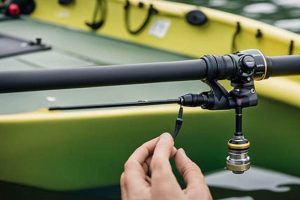
Tip 4: Assess Feature-Specific Designs: Rod holders, paddle clips, and anchor systems are essential features for fishing kayaks. Reviews from 2016 often detailed the effectiveness and usability of these features.
Tip 5: Research Material Durability: Kayak construction materials directly impact durability and longevity. Reviews often discussed the pros and cons of different materials like polyethylene and composites.
Tip 6: Pay Attention to Weight Capacity: Ensure the kayak’s weight capacity accommodates the angler’s weight, plus gear and potential catches. Reviews often specified weight limits and provided recommendations.
Tip 7: Seek Out User Feedback: Authentic user reviews from 2016 offer valuable insights into real-world performance and potential issues. Look for recurring themes in user comments.
By considering these points derived from 2016 reviews, prospective buyers can gain valuable insights to inform their decisions and increase the likelihood of selecting a fishing kayak appropriate for their needs and preferences.
The insights gleaned from these tips provide a strong foundation for a final evaluation of selecting a fishing kayak, whether new or used.
1. Kayak Models
Kayak models form the core subject of fishing kayak reviews from 2016. These reviews provide detailed assessments of specific models, analyzing their suitability for angling. The relationship is direct: reviews offer critical evaluations of individual kayak models, influencing purchasing decisions and shaping market trends. For example, a 2016 review might compare the Native Watercraft Slayer 10 to the Hobie Mirage Outback, highlighting differences in stability, speed, and feature sets. This comparison directly impacts consumer perception and sales of these specific models. The importance of kayak models within these reviews stems from their role as the primary objects of evaluation.
Understanding the specific models reviewed in 2016 provides valuable context. It allows for analysis of how design and features have evolved over time. Examining popular models from that period, such as the Wilderness Systems Ride 115 or the Ocean Kayak Prowler 13, reveals the prevalent design philosophies and technological capabilities of the time. This historical perspective enables assessment of long-term durability and performance. Moreover, it informs current purchasing decisions, particularly within the used kayak market, where many of these models might still be available. Analyzing the strengths and weaknesses of specific models identified in 2016 reviews offers practical guidance for potential buyers today.
In summary, kayak models are inextricably linked to fishing kayak reviews from 2016. These reviews offer a snapshot of the market landscape at that time, highlighting popular models and their respective strengths and weaknesses. This information remains relevant for understanding the evolution of fishing kayak design and for making informed decisions about purchasing, whether new or used. Challenges include the availability of comprehensive archives of reviews from that period and the need to account for technological advancements since 2016. However, accessing and analyzing this information provides invaluable insights into the world of fishing kayaks and their development over time.
2. Performance Evaluations

Performance evaluations constitute a critical component of fishing kayak reviews from 2016. These evaluations examine on-the-water characteristics such as tracking, stability, speed, and maneuverability. A cause-and-effect relationship exists: objective performance metrics directly influence subjective user experiences and purchasing decisions. For example, a kayak demonstrating superior stability receives positive evaluations, increasing its appeal to anglers seeking a secure platform for casting. Conversely, a kayak exhibiting poor tracking may garner negative reviews, potentially impacting sales. Specific examples include assessments of how well a kayak handles in various water conditions, like choppy waves or strong currents, directly impacting its perceived value for different fishing environments. This information ultimately guides consumers toward kayaks best suited to their intended use.
The practical significance of understanding performance evaluations within the context of 2016 reviews is substantial. While technology has advanced, fundamental performance characteristics remain crucial. Stability, speed, and maneuverability continue to define a fishing kayak’s effectiveness. Accessing 2016 reviews allows for analysis of how specific models performed under real-world conditions. This information, considered alongside more recent reviews, provides a comprehensive perspective on a model’s long-term performance and durability. For example, understanding how a specific hull design performed in 2016 can inform present-day assessments of its suitability for certain fishing styles. This longitudinal perspective offers valuable insights beyond what contemporary reviews alone can provide.
In summary, performance evaluations play a pivotal role in fishing kayak reviews from 2016. They offer quantifiable data that significantly impact user perception and purchasing behaviors. Analyzing these evaluations provides crucial insights into the long-term performance characteristics of different models. Challenges include the potential for variations in testing methodologies across different reviewers. However, careful consideration of these evaluations, combined with an understanding of broader market trends and technological advancements, empowers consumers to make well-informed decisions, maximizing their chances of acquiring a fishing kayak ideally suited to their needs.
3. Feature Assessments
Feature assessments constitute a significant element within fishing kayak reviews from 2016. These assessments analyze specific features, such as rod holders, storage compartments, seating systems, and rudder or pedal-driven propulsion systems. A direct relationship exists between feature assessments and consumer perception: well-designed and functional features contribute positively to a kayak’s perceived value and desirability. For instance, a review highlighting the ample and well-organized storage on a specific model would resonate positively with anglers carrying substantial gear. Conversely, criticism of uncomfortable seating or poorly placed rod holders could negatively influence purchase decisions. Specific examples include evaluations of rod holder placement for optimal casting angles or analyses of storage compartment accessibility and waterproofing. These details directly affect the practical usability of the kayak for fishing purposes.
Understanding the role of feature assessments within 2016 reviews offers several practical advantages. While some features may have evolved technologically, the core principles of functionality and user-friendliness remain constant. Analyzing how specific features were evaluated in 2016 provides valuable insights into their long-term performance and durability. For example, a review from 2016 discussing the robustness of a particular hatch design can inform present-day buyers about its potential longevity. This historical perspective supplements information found in more recent reviews and aids in assessing the overall value proposition of a kayak, particularly in the used market. Further, feature assessments can reveal design trends and innovations prevalent in 2016, offering a benchmark against which to measure subsequent advancements in fishing kayak technology.
In summary, feature assessments are integral to fishing kayak reviews from 2016. They provide detailed analyses of specific features, directly influencing consumer perceptions and purchase decisions. Analyzing these assessments offers valuable insights for contemporary buyers, especially when considering used kayaks. Challenges include accounting for technological advancements since 2016 and potential biases in individual reviews. However, careful consideration of feature assessments within their historical context provides a comprehensive understanding of the evolution and long-term performance of various kayak features, contributing significantly to informed purchasing decisions.
4. User Experiences
User experiences form a crucial component of fishing kayak reviews from 2016. These firsthand accounts provide valuable insights into the practical aspects of kayak usage, complementing objective performance data. Examining user experiences within this specific timeframe offers a historical perspective on user satisfaction and potential long-term issues.
- On-the-Water Performance Feedback
User experiences offer practical feedback on how specific kayak models perform in real-world fishing scenarios. Examples include reports on stability during casting, maneuverability in tight spaces, and tracking performance in various water conditions. This information provides a valuable complement to manufacturer specifications and expert reviews, adding a layer of user-validated performance data to the overall assessment of a kayak’s suitability for angling. Within the context of 2016 reviews, this feedback reveals the practical implications of design choices and technological features available at that time.
- Feature Usability and Durability Insights
User experiences shed light on the practical usability and long-term durability of specific features. Examples include feedback on the ease of adjusting seating systems, the effectiveness of storage compartments in keeping gear dry, and the long-term performance of rod holders and other accessories. This information provides valuable context for understanding the practical implications of design choices and material selections. Within 2016 reviews, this feedback offers a historical perspective on the durability and functionality of features common in that era, informing current assessments of long-term value.
- Comfort and Ergonomics Assessments
User experiences provide crucial insights into comfort and ergonomics, factors directly impacting fishing enjoyment and endurance. Examples include feedback on seat comfort during long fishing trips, the ease of paddling and maneuvering, and the overall physical experience of using a specific kayak model. This subjective feedback complements objective measurements and provides a practical understanding of how a kayak feels on the water. Within 2016 reviews, this data provides a historical perspective on ergonomic design principles and comfort considerations prevalent in that era.
- Long-Term Ownership Perspectives
User experiences, particularly in the context of 2016 reviews, can offer insights into long-term ownership satisfaction and potential issues. Examples include reports on durability, maintenance requirements, and the overall longevity of specific kayak models. This information is particularly valuable for prospective buyers considering used kayaks from that period, providing a glimpse into the potential long-term costs and benefits of ownership. This historical data complements more recent reviews and offers a broader perspective on the overall value proposition of specific kayak models.
By considering these facets of user experience within the context of fishing kayak reviews from 2016, prospective buyers gain a more comprehensive understanding of the practical implications of design, features, and performance. This information, combined with objective data and expert analyses, contributes significantly to informed purchasing decisions, particularly within the used kayak market. These historical perspectives offer valuable insights into the evolution of kayak design and user expectations over time.
5. 2016 Market Context

The 2016 market context significantly influences the interpretation and relevance of fishing kayak reviews from that year. This context encompasses prevailing economic conditions, technological advancements, consumer preferences, and competitive landscapes. A cause-and-effect relationship exists: market forces shape product development and consumer demand, directly influencing the types of kayaks available and the criteria emphasized in reviews. For example, the growing popularity of pedal-powered kayaks in 2016 influenced review criteria, with greater emphasis placed on drive system performance and efficiency. Similarly, advancements in fish-finder technology impacted evaluations of kayak compatibility and integration with these electronics. Understanding the 2016 market allows for accurate interpretation of contemporary reviews, accounting for the specific trends and priorities shaping product development and consumer expectations at that time.
The practical significance of understanding the 2016 market context is substantial. It provides crucial background for interpreting the priorities and limitations reflected in reviews. For instance, a review praising a kayak’s affordability gains greater significance when considered within the context of economic conditions prevailing in 2016. Similarly, a review emphasizing a specific technological feature, like a built-in GPS system, becomes more meaningful when analyzed alongside the technological advancements of that era. Moreover, the 2016 market context clarifies the competitive landscape, providing insights into the relative positioning of various manufacturers and their respective product offerings. This broader perspective facilitates informed comparisons between different kayak models and brands, enabling a more nuanced understanding of their strengths and weaknesses within the specific market of 2016.
In summary, the 2016 market context is essential for interpreting and contextualizing fishing kayak reviews from that year. It provides a framework for understanding the factors driving product development, shaping consumer demand, and influencing review criteria. This understanding enables more accurate assessments of historical product performance, technological advancements, and consumer preferences. Challenges include the potential difficulty in reconstructing a comprehensive picture of market conditions from historical data. However, careful consideration of the 2016 market context significantly enhances the value and relevance of reviews from that period, contributing to a more thorough and informed understanding of the evolution of fishing kayaks.
6. Brand Comparisons

Brand comparisons represent a key element within fishing kayak reviews from 2016. These comparisons provide consumers with crucial insights into the relative strengths and weaknesses of different manufacturers, facilitating informed purchasing decisions. Examining brand comparisons within this specific timeframe offers a historical perspective on market competition and brand positioning within the fishing kayak industry.
- Competitive Landscape Analysis
Brand comparisons within 2016 reviews offer a snapshot of the competitive landscape at that time. They reveal which brands held prominent market positions, which were emerging as contenders, and how different manufacturers differentiated themselves through product offerings and marketing strategies. For example, comparisons between Wilderness Systems, Perception Kayaks, and Ocean Kayak, prominent brands in 2016, illuminated their respective strengths in areas like stability, speed, and feature sets. This information provides valuable context for understanding the evolution of the fishing kayak market and the enduring or fading presence of specific brands.
- Feature and Performance Differentiation
Brand comparisons often focus on differentiating features and performance characteristics. Reviews from 2016 might compare the pedal-drive systems of Hobie and Native Watercraft, or analyze the stability and maneuverability differences between sit-on-top models from Wilderness Systems and Ocean Kayak. These comparisons provide consumers with practical insights into how various brands prioritize different design elements and performance attributes. This information aids in selecting kayaks best suited to specific fishing styles and preferences.
- Price and Value Propositions
Brand comparisons frequently consider price points and overall value propositions. Reviews from 2016 might compare the affordability of Field & Stream kayaks against the premium features offered by Hobie or Jackson Kayak. These comparisons help consumers understand the trade-offs between cost and performance, enabling them to select kayaks that align with their budgets and desired feature sets. Analyzing these historical price comparisons reveals how brand value propositions have evolved over time and how pricing strategies have influenced market dynamics.
- Target Audience Segmentation
Brand comparisons often reveal how different manufacturers target specific angler segments. Reviews from 2016 might highlight how brands like Vibe Kayaks catered to budget-conscious anglers, while Feelfree Kayaks focused on innovation and premium features for discerning users. Understanding this segmentation helps contextualize brand positioning and marketing strategies, clarifying which manufacturers focused on specific angler demographics or fishing styles. This information provides valuable insights into the evolution of market segmentation within the fishing kayak industry and helps contemporary buyers identify brands aligning with their specific needs and preferences.
By analyzing brand comparisons within fishing kayak reviews from 2016, consumers gain a deeper understanding of the historical competitive landscape and the relative strengths and weaknesses of different manufacturers. This information remains relevant today, offering insights into the evolution of kayak design, brand positioning, and market dynamics. These historical comparisons provide a valuable context for evaluating current product offerings and making informed purchasing decisions within the contemporary fishing kayak market.
7. Technological Advancements

Technological advancements played a significant role in shaping the fishing kayak landscape of 2016. Reviews from this period reflect the integration of new technologies and their impact on kayak design, performance, and user experience. Understanding these advancements provides valuable context for interpreting 2016 reviews and appreciating the evolution of fishing kayaks.
- Pedal-Powered Propulsion Systems
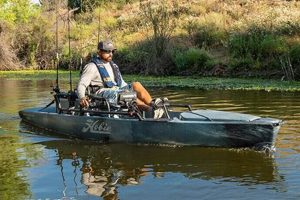
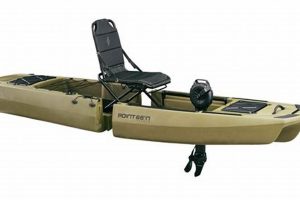
Pedal drives were gaining significant traction in 2016, offering hands-free propulsion and increased fishing efficiency. Reviews frequently compared different pedal systems, analyzing their speed, maneuverability, and ease of use. Examples include the Hobie MirageDrive and the Native Watercraft Propel Drive, both prominent in 2016. These advancements impacted kayak design, leading to wider hulls and specialized seating positions optimized for pedal operation. Reviews reflected this shift, emphasizing performance metrics related to pedal propulsion and its impact on fishing effectiveness.
- Integration of Fish-Finding Technology
Fish-finder technology became increasingly integrated into fishing kayaks in 2016. Reviews assessed transducer mounting options, display visibility, and overall system performance. Examples include integrated fish-finder systems from brands like Humminbird and Lowrance. This integration influenced kayak design, with dedicated mounting points and wiring systems becoming increasingly common. Reviews emphasized the impact of these technologies on fishing success and the overall user experience.
- Advanced Materials and Construction Techniques
Advancements in materials and construction techniques influenced kayak performance and durability in 2016. Reviews discussed the advantages of rotomolded polyethylene, fiberglass, and composite constructions, analyzing their weight, strength, and impact resistance. Examples include the increasing use of lighter and stronger composite materials in high-end fishing kayaks. These advancements led to improvements in speed, maneuverability, and overall performance. Reviews reflected this evolution, emphasizing the impact of materials on kayak handling and long-term durability.
- Ergonomic Design and Seating Systems
Ergonomic design and seating systems received increased attention in 2016. Reviews evaluated seat comfort, adjustability, and support, impacting user comfort and fishing endurance. Examples include adjustable seating systems with enhanced lumbar support and improved breathability. These advancements contributed to a more comfortable and enjoyable fishing experience, particularly during long hours on the water. Reviews reflected this focus on user comfort, highlighting the importance of ergonomic design in fishing kayak selection.
These technological advancements significantly influenced fishing kayak design, performance, and user experience in 2016. Analyzing reviews from this period through the lens of these advancements provides valuable context for understanding the evolution of fishing kayaks and the factors driving innovation within the industry. This historical perspective informs current purchasing decisions by highlighting the long-term impact of technological advancements on kayak performance and user satisfaction.
Frequently Asked Questions
This FAQ section addresses common inquiries regarding fishing kayaks, specifically focusing on information relevant to the 2016 market and reviews from that period.
Question 1: What were the dominant fishing kayak brands in 2016?
Prominent brands in 2016 included Wilderness Systems, Perception Kayaks, Ocean Kayak, Hobie Cat, Native Watercraft, and Jackson Kayak. These brands offered a range of models catering to different fishing styles and budgets. Reviews from this period often compared these brands, highlighting their respective strengths and weaknesses.
Question 2: How did pedal-powered kayaks fare in 2016 reviews?
Pedal kayaks were gaining popularity in 2016. Reviews often focused on the efficiency and performance of different pedal-drive systems, like the Hobie MirageDrive and Native Watercraft Propel Drive. While generally praised for hands-free propulsion, reviews also addressed potential maintenance and cost considerations.
Question 3: What were the key features highlighted in fishing kayak reviews from 2016?
Reviews emphasized features like rod holders, storage compartments, seating comfort, and stability. Specialized features like anchor trolleys, rudder systems, and integrated fish finder mounts were also frequently assessed, reflecting the growing demand for kayaks tailored to serious anglers.
Question 4: How did reviews address the integration of fish finders in 2016 kayaks?
Reviews increasingly discussed fish finder integration, focusing on transducer compatibility, display visibility, and wiring solutions. The ability to seamlessly integrate electronics was becoming a significant factor in kayak evaluations, reflecting the growing importance of technology in angling.
Question 5: What were the typical price ranges for fishing kayaks in 2016?
Prices varied significantly based on features, materials, and brand. Entry-level kayaks could be found for under $1000, while high-end models with advanced features and pedal-drive systems often exceeded $2000. Reviews frequently compared price points and value propositions, helping consumers navigate the market.
Question 6: Where can one find reliable fishing kayak reviews from 2016?
Locating reviews from 2016 might require searching online archives, specialized kayaking forums, and enthusiast websites. Magazines like Kayak Angler and Paddling often publish gear reviews, and their online archives may contain reviews from that period. It’s important to critically evaluate the source and consider the reviewer’s expertise and potential biases.
Understanding the fishing kayak market of 2016 requires considering these key aspects. While technology and product offerings have evolved, these FAQs provide a valuable foundation for understanding historical trends and evaluating older models, particularly within the used kayak market.
Further research might involve examining specific model comparisons from 2016, analyzing long-term user feedback on popular models, and exploring how specific features have evolved over time.
Fishing Kayaks Reviews 2016
Examination of fishing kayak reviews from 2016 provides valuable insights into the market landscape of that era. Key factors highlighted include prevalent design features, popular models, performance evaluations, technological advancements, brand comparisons, and user experiences. This information offers a historical perspective on the evolution of fishing kayak technology and consumer preferences. Analysis of specific features, such as pedal-drive systems, integrated fish finders, and advanced construction materials, reveals the state of innovation in 2016 and its influence on subsequent developments. Brand comparisons from this period illuminate the competitive landscape and highlight the differentiating factors among manufacturers. User experiences captured in 2016 reviews offer valuable insights into the practical application and long-term performance of various kayak models. This historical perspective remains relevant for understanding the trajectory of kayak development and evaluating the long-term durability and performance of models potentially still in use.
Accessing and analyzing this historical data empowers informed decision-making for prospective buyers, particularly within the used kayak market. Understanding the context of 2016 reviewsthe technological landscape, consumer priorities, and competitive dynamicsallows for more nuanced interpretations of past assessments and their implications for current purchasing considerations. Further investigation into long-term user feedback on models popular in 2016, coupled with an awareness of subsequent technological advancements, provides a comprehensive foundation for navigating the complexities of the modern fishing kayak market.