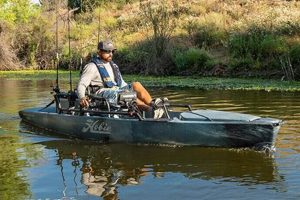
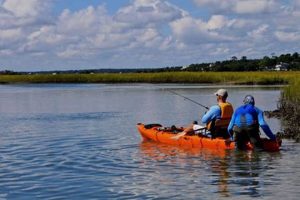
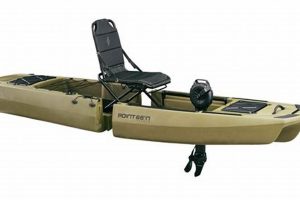
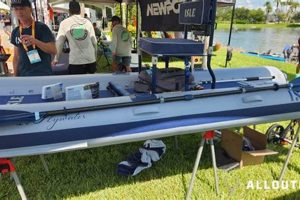
A compact, self-propelled watercraft designed for individual anglers offers stability and specialized features for a personalized fishing experience. These vessels typically include rod holders, storage compartments for tackle and gear, and often feature a sit-on-top design for enhanced maneuverability and ease of entry and exit from the water.
Solo angling from a small, maneuverable craft provides access to shallow waters and secluded fishing spots often unreachable by larger boats. This independent approach offers anglers increased control over their fishing experience, fostering a closer connection with nature and enhancing the sporting challenge. The evolution of such vessels reflects the growing popularity of kayak fishing, driven by the desire for a more active, engaging, and affordable approach to the sport.
Further exploration will cover key features to consider when selecting a suitable vessel, popular brands and models, essential safety precautions, and recommended fishing techniques for maximizing success on the water.
Tips for Solo Kayak Fishing
Optimizing a solo fishing excursion via kayak involves careful planning and consideration of various factors, from vessel selection to safety protocols. These tips offer guidance for a successful and enjoyable experience.
Tip 1: Choose the Right Vessel: Consider the fishing environment (calm lakes, rivers, or open ocean) and select a kayak designed for stability and appropriate capacity. Longer kayaks offer better tracking, while shorter ones excel in maneuverability.
Tip 2: Prioritize Safety Gear: Always wear a personal flotation device (PFD). Carry a whistle, signaling mirror, and a waterproof communication device for emergencies. Inform someone of your fishing plans and expected return time.
Tip 3: Organize and Secure Equipment: Utilize rod holders and storage compartments to keep fishing gear organized and readily accessible. Secure all items to prevent loss in case of capsizing.
Tip 4: Practice Paddle Strokes and Maneuvers: Familiarize oneself with basic paddling techniques and maneuvering skills before venturing out. This ensures efficient movement and control on the water.
Tip 5: Understand Water Conditions and Weather Forecasts: Check weather forecasts and water conditions before embarking. Avoid fishing in strong winds, currents, or storms. Be aware of tides and potential hazards like submerged rocks or debris.
Tip 6: Employ Proper Fishing Techniques: Adapt fishing techniques to the specific environment and target species. Consider using lighter tackle and downsized lures when fishing from a kayak.
Tip 7: Respect Wildlife and the Environment: Practice catch-and-release whenever possible. Dispose of fishing line and other waste responsibly. Minimize disturbance to wildlife and their habitats.
Careful preparation and adherence to safety guidelines contribute significantly to a rewarding and safe solo kayak fishing trip. These practices enhance angling success while fostering a deeper appreciation for the natural environment.
By implementing these tips, anglers can maximize their enjoyment and ensure a memorable experience on the water.
1. Stability

Stability represents a critical performance attribute in a solo fishing kayak, directly influencing safety and angling effectiveness. A stable platform permits anglers to cast, retrieve, and land fish without compromising balance, reducing the risk of capsizing. This is particularly crucial when dealing with larger fish or challenging weather conditions. A stable hull design minimizes rocking or tipping, allowing for more confident and controlled movements on the water. Consider, for instance, an angler standing to cast in a shallow riverbed. A stable kayak provides a secure base, maximizing casting accuracy and preventing an unintended immersion.
Several factors contribute to kayak stability, including hull design (wider hulls generally offer greater primary stability), kayak length, and the angler’s center of gravity. Wider, shorter kayaks provide enhanced initial stability, making them suitable for calmer waters and activities like still fishing. Longer, narrower kayaks, while less initially stable, tend to have superior secondary stability (resistance to capsizing when leaned), making them better suited for open water and rougher conditions. Understanding the interplay of these factors allows for informed decisions based on individual fishing needs and preferences. A stable kayak allows for a more focused fishing experience, minimizing distractions related to balance and maximizing time spent concentrating on angling techniques.
In summary, prioritizing stability in a solo fishing kayak directly impacts angler safety and fishing success. Matching hull design to intended fishing environments and understanding the nuances of primary and secondary stability are vital components of informed kayak selection. The ability to confidently stand and cast, retrieve a hooked fish, or navigate choppy water without fear of capsizing underscores the critical role stability plays in the overall kayak fishing experience. This foundational element contributes to not only a more productive but also a safer and more enjoyable time on the water.
2. Maneuverability

Maneuverability in a solo fishing kayak directly impacts an angler’s ability to navigate various water conditions and access desirable fishing locations. Efficient movement and precise control are essential for reaching secluded coves, navigating shallow creeks, and positioning the kayak effectively for optimal casting angles. The ease with which a kayak can be turned, steered, and positioned contributes significantly to fishing success and overall enjoyment on the water.
- Tracking and Turning Performance
Tracking refers to a kayak’s ability to maintain a straight course with minimal paddling adjustments. Efficient tracking conserves energy and allows anglers to cover greater distances. Turning performance, on the other hand, dictates how easily and quickly a kayak can change direction. A kayak with responsive turning capabilities is crucial for navigating tight spaces, avoiding obstacles, and adjusting to changing currents or wind conditions. For example, a kayak with excellent tracking and turning performance allows anglers to effortlessly navigate winding river channels or quickly reposition themselves to target rising fish.
- Influence of Hull Design
Hull design plays a significant role in a kayak’s maneuverability. Shorter kayaks with wider beams generally offer superior maneuverability in tight spaces, while longer, narrower kayaks excel in tracking and speed over longer distances. The shape of the hull, including features like rocker (the curvature of the hull from bow to stern) and chines (the edges where the hull sides meet the bottom), also influences turning performance and stability. A shorter kayak with a moderate rocker is ideal for maneuvering in shallow, obstacle-filled waters, whereas a longer kayak with a minimal rocker is better suited for open water paddling.
- Impact of Water Conditions
Maneuverability is influenced by prevailing water conditions. Strong currents, winds, and waves can significantly impact a kayak’s ability to maintain its course and execute precise maneuvers. Understanding how a kayak performs in different conditions is crucial for safe and effective navigation. For example, a kayak with a high degree of maneuverability is essential for navigating strong currents or windy conditions, allowing the angler to maintain control and avoid hazardous situations.
- Role of Paddling Technique
While hull design and water conditions play significant roles, paddling technique also influences maneuverability. Efficient paddle strokes and proper body positioning maximize control and responsiveness. Mastering various paddling techniques, such as sweep strokes and draw strokes, allows anglers to execute precise turns and maintain desired positions on the water. Practicing these techniques enhances maneuverability and contributes to a more efficient and enjoyable paddling experience.
The interplay of these factors tracking, hull design, water conditions, and paddling technique ultimately determines a solo fishing kayak’s maneuverability. Selecting a kayak with appropriate maneuverability characteristics for the intended fishing environment and developing proficient paddling skills significantly enhances an angler’s ability to navigate efficiently, access prime fishing spots, and ultimately, increase their chances of success. A highly maneuverable kayak empowers anglers to explore diverse waterways and confidently navigate challenging conditions, expanding fishing opportunities and enriching the overall experience.
3. Storage Capacity

Adequate storage capacity is a critical factor in solo kayak fishing, directly impacting organization, efficiency, and overall fishing success. Limited space necessitates careful consideration of essential gear and efficient storage solutions. Sufficient storage allows anglers to carry necessary tackle, safety equipment, and personal items without compromising stability or maneuverability. This discussion explores the multifaceted nature of storage capacity in the context of solo kayak fishing.
- Types of Storage
Fishing kayaks offer various storage options, including hatches, tank wells, and integrated storage compartments. Hatches provide secure, waterproof storage for valuable items like electronics and extra clothing. Tank wells, typically located behind the seat, offer open storage for larger items like tackle boxes or coolers. Integrated compartments within the kayak’s hull provide designated spaces for specific items, such as rods or paddles. The choice of storage type depends on the angler’s specific needs and the type of gear they intend to carry. For instance, a dedicated angler might prioritize a kayak with a large hatch for storing multiple tackle boxes, while a recreational angler might prefer a tank well for carrying a cooler and a small tackle bag.
- Capacity and Weight Distribution
The overall capacity and weight distribution within the kayak significantly impact stability and performance. Overloading a kayak can compromise stability, making it more susceptible to capsizing. Proper weight distribution is essential for maintaining balance and efficient paddling. Distributing heavier items lower in the kayak and evenly across its length enhances stability. For example, storing heavier items like tackle boxes near the center of the kayak and lighter items like PFDs in the stern improves balance and prevents the kayak from becoming too stern-heavy.
- Accessibility and Organization
Easy access to frequently used items is crucial for efficient fishing. Well-organized storage allows anglers to quickly locate and retrieve necessary gear without disrupting their fishing rhythm. Utilizing storage solutions like tackle organizers, dry bags, and gear tracks can significantly improve accessibility and organization. For instance, storing lures and frequently used tools in a readily accessible tackle organizer mounted on the deck within easy reach minimizes time spent searching for gear and maximizes fishing time.
- Impact on Kayak Choice
Storage capacity considerations significantly influence kayak selection. Anglers targeting specific species or engaging in multi-day trips require greater storage capacity compared to those enjoying shorter recreational outings. Evaluating storage options alongside other key features like stability and maneuverability ensures the chosen kayak aligns with individual fishing needs and preferences. An angler planning an extended fishing trip might prioritize a kayak with ample hatch space and multiple tank wells to accommodate camping gear and fishing equipment, while an angler fishing for a few hours might prefer a smaller, lighter kayak with less storage capacity.
Effective storage solutions in a solo fishing kayak contribute significantly to a streamlined and productive fishing experience. By carefully considering storage needs, selecting a kayak with appropriate storage options, and implementing organizational strategies, anglers can maximize space utilization, enhance efficiency, and focus on the enjoyment of fishing. The ability to carry necessary gear, access it readily, and maintain optimal weight distribution ultimately translates to a more rewarding and successful time on the water.
4. Comfort and Ergonomics

Comfort and ergonomics are essential considerations in a solo fishing kayak, directly influencing an angler’s endurance, focus, and overall enjoyment. Extended periods on the water necessitate a comfortable and supportive seating system that minimizes fatigue and allows for sustained concentration on fishing. Proper ergonomic design promotes efficient paddling and reduces the risk of strain or injury, contributing to a more positive and productive fishing experience. This exploration delves into the key facets of comfort and ergonomics in relation to solo fishing kayaks.
- Seating System Design
The seating system plays a pivotal role in overall comfort. Features like adjustable backrests, padded seats, and breathable fabrics contribute to a more supportive and comfortable experience, particularly during long hours on the water. A well-designed seat minimizes pressure points and provides adequate lumbar support, reducing fatigue and promoting proper posture. An angler experiencing discomfort due to an inadequate seat will likely shift positions frequently, potentially compromising stability and hindering fishing performance. Conversely, a comfortable and supportive seat allows for sustained focus on fishing, enhancing overall enjoyment and success.
- Adjustability and Customization
Adjustability is crucial for accommodating individual body types and preferences. Adjustable seat positions, footrests, and backrests allow anglers to customize the kayak’s fit, optimizing comfort and paddling efficiency. The ability to fine-tune these elements ensures proper body alignment and reduces strain during paddling and casting. An angler with longer legs, for instance, might require a kayak with adjustable footrests to achieve a comfortable and efficient paddling position. A customizable setup allows anglers to personalize the kayak to their specific needs, maximizing comfort and performance on the water.
- Legroom and Cockpit Design
Ample legroom and a well-designed cockpit contribute to comfort and ease of movement within the kayak. Sufficient space allows anglers to stretch their legs, change positions, and access gear without feeling confined. A spacious cockpit also facilitates entry and exit from the kayak, a particularly important consideration for anglers with mobility limitations. An angler feeling cramped or restricted in a tight cockpit will likely experience discomfort and fatigue, potentially shortening the fishing trip. Conversely, a spacious and well-designed cockpit promotes comfort, freedom of movement, and overall enjoyment on the water.
- Impact on Paddling Efficiency
Ergonomic design directly impacts paddling efficiency. Proper body positioning, supported by a comfortable and adjustable seating system, allows for efficient transfer of power from the paddler to the water. This translates to less effort expended for covering distances and maneuvering the kayak, reducing fatigue and maximizing time spent fishing. An angler paddling a kayak with poor ergonomics will likely tire quickly and experience reduced paddling efficiency, limiting their ability to explore different fishing spots. Conversely, a kayak designed with ergonomic principles in mind enhances paddling efficiency, allowing anglers to cover more water with less effort and enjoy longer fishing trips.
Comfort and ergonomics are integral components of a successful and enjoyable solo kayak fishing experience. A comfortable and supportive seating system, coupled with adjustable features and ample legroom, minimizes fatigue, promotes proper body mechanics, and enhances paddling efficiency. By prioritizing comfort and ergonomics, anglers can maximize their time on the water, focusing on the enjoyment of fishing and minimizing discomfort or strain. The interplay of these factors contributes significantly to a more positive and productive overall experience, allowing anglers to fully appreciate the sport and the surrounding natural environment. Ultimately, investing in a kayak with superior comfort and ergonomics translates to a more rewarding and sustainable approach to kayak fishing.
5. Fishing-Specific Features
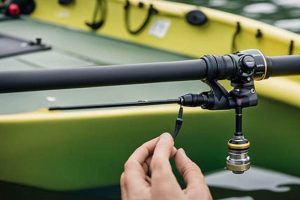
Specialized features distinguish fishing kayaks from recreational models, enhancing angling effectiveness and overall experience. These features cater specifically to the needs of anglers, offering functionality and convenience directly related to fishing activities. Consider rod holders, strategically positioned to secure rods while paddling or preparing tackle. Integrated fish finders provide real-time underwater insights, aiding in locating fish and identifying promising fishing spots. These specialized features contribute significantly to a more productive and enjoyable fishing experience. For example, an angler trolling with multiple rods benefits significantly from rod holders that keep lines organized and prevent tangling, while a fish finder assists in identifying underwater structures that attract fish.
Further enhancing the fishing experience are specialized storage compartments designed to accommodate tackle boxes, fishing tools, and other essential gear. These designated storage areas keep equipment organized and readily accessible, minimizing time spent searching for items and maximizing fishing time. Livewells, designed to keep caught fish alive and fresh, are another valuable feature, particularly for anglers practicing catch and release or those intending to consume their catch. The presence of these features transforms a standard kayak into a dedicated fishing platform, optimizing functionality and enhancing on-the-water performance. An angler navigating a shallow river, for example, benefits from a well-organized tackle storage system, allowing for quick and efficient lure changes without disrupting the fishing flow. Similarly, a livewell maintains the health and vitality of caught fish, ensuring their survival upon release or preserving their freshness for later consumption.
The incorporation of fishing-specific features represents a crucial aspect of single-person fishing kayak design. These features not only enhance practicality and efficiency but also contribute significantly to angler safety and overall fishing success. The ability to maintain organized gear, readily access tools, and utilize specialized equipment like fish finders and livewells empowers anglers to focus on fishing techniques and maximize their time on the water. Challenges related to limited space and weight capacity necessitate careful consideration of feature selection, ensuring the chosen features align with individual fishing styles and target species. Ultimately, the integration of fishing-specific features transforms a basic kayak into a purpose-built angling platform, enhancing the overall experience and contributing to a more successful and enjoyable pursuit of fishing from a solo kayak.
6. Durability and Material

Durability and material selection are paramount in single-person fishing kayaks, directly influencing vessel longevity, performance, and overall user experience. These kayaks encounter various environmental stressors, from harsh sunlight and fluctuating temperatures to impacts with rocks, submerged debris, and abrasive shorelines. Material selection dictates resistance to these stressors, impacting long-term structural integrity and maintenance requirements. A kayak constructed from robust, UV-resistant polyethylene, for example, withstands years of exposure to sunlight and impacts, requiring minimal maintenance compared to a less durable material. Conversely, a kayak made from a less robust material might exhibit cracks, fading, or structural weakening after prolonged exposure to similar conditions, potentially compromising safety and requiring frequent repairs.
Material choice also influences kayak weight, impacting portability, maneuverability, and paddling efficiency. Lighter materials, such as composites or high-grade thermoformed plastics, reduce overall kayak weight, facilitating transport and enhancing on-the-water performance. A lighter kayak requires less effort to paddle and maneuver, allowing for longer fishing trips and easier navigation through challenging waters. Consider a scenario where an angler needs to portage their kayak over a distance to reach a remote fishing spot. A lightweight kayak simplifies this process significantly, minimizing exertion and maximizing time spent fishing. Conversely, a heavier kayak presents a logistical challenge, potentially deterring anglers from accessing certain locations and limiting fishing opportunities.
The relationship between material, durability, and performance represents a crucial consideration in kayak selection. Matching material properties to anticipated usage scenarios and environmental conditions ensures optimal longevity, performance, and overall satisfaction. Balancing durability, weight, and cost influences decision-making, necessitating careful evaluation of individual needs and priorities. Understanding the long-term implications of material choice empowers informed purchasing decisions, contributing to a more rewarding and sustainable approach to kayak fishing. Investing in a durable, well-constructed kayak, even at a higher initial cost, often translates to long-term savings on repairs and replacements, ensuring years of reliable performance and enjoyment on the water. This informed approach to material selection ultimately enhances the overall kayak fishing experience, promoting both enjoyment and responsible environmental stewardship.
Frequently Asked Questions
Addressing common inquiries regarding solo fishing kayaks provides clarity for informed decision-making and enhanced on-water experiences. The following questions and answers offer valuable insights for prospective kayak anglers.
Question 1: What are the key advantages of a fishing kayak designed for a single person?
Maneuverability in tight spaces, affordability compared to larger vessels, and ease of transport and storage represent key advantages. Solo kayaks grant access to shallow waters and secluded fishing areas often inaccessible to larger boats, promoting a closer connection with nature and a more personalized fishing experience.
Question 2: How does one choose the right size and type of solo fishing kayak?
Consider intended fishing environment (calm lakes, rivers, or open ocean), angler weight and height, and desired storage capacity. Longer kayaks offer better tracking for open water, while shorter kayaks excel in maneuverability within confined spaces. Sit-on-top kayaks are generally preferred for fishing due to their stability and ease of entry and exit.
Question 3: What essential safety precautions should be taken when fishing from a solo kayak?
Always wear a personal flotation device (PFD). Inform someone of fishing plans and estimated return time. Carry a whistle, signaling mirror, and waterproof communication device. Check weather forecasts and water conditions before embarking. Avoid fishing in strong winds, currents, or storms.
Question 4: What are the recommended fishing techniques for solo kayak angling?
Effective techniques include trolling, casting, and still fishing. Adapt techniques to the specific environment and target species. Consider using lighter tackle and downsized lures for easier handling and maneuverability within the kayak.
Question 5: How does one maintain and store a solo fishing kayak properly?
Rinse the kayak with fresh water after each use to remove salt, sand, and debris. Store the kayak in a shaded area, protected from direct sunlight and extreme temperatures. Regularly inspect the hull for damage and address any necessary repairs promptly. Proper maintenance ensures kayak longevity and optimal performance.
Question 6: What are the typical costs associated with owning and maintaining a solo fishing kayak?
Costs vary depending on kayak brand, model, features, and materials. Consider expenses related to the initial purchase, essential accessories (paddle, PFD, fishing gear), and ongoing maintenance. Research various options and establish a budget aligned with individual needs and financial constraints.
Understanding these key aspects of solo kayak fishing empowers informed decisions regarding kayak selection, safety practices, and on-water techniques. Prioritizing safety, responsible angling practices, and environmental awareness ensures a rewarding and sustainable approach to this increasingly popular sport.
Further exploration might include detailed comparisons of specific kayak models, in-depth guides to fishing techniques, and regional regulations concerning fishing licenses and waterway access.
Conclusion
Careful consideration of design elements, including stability, maneuverability, storage capacity, comfort, specialized features, and material durability, is essential for maximizing performance and enjoyment in a solo fishing kayak. An informed selection process, coupled with adherence to safety guidelines and responsible angling practices, contributes significantly to a successful and fulfilling on-water experience. Understanding the interplay of these factors empowers anglers to make informed decisions tailored to individual needs and preferences, enhancing both fishing success and overall appreciation for the sport.
Investing in a suitable solo fishing kayak unlocks opportunities for exploration, connection with nature, and the pursuit of angling in a unique and personalized manner. Embracing the versatility and adaptability of these specialized vessels expands horizons for anglers of all skill levels, fostering a deeper understanding of aquatic ecosystems and promoting responsible stewardship of natural resources. The continued evolution of kayak design and technology promises further enhancements to this dynamic and engaging pursuit, offering exciting possibilities for future angling adventures.