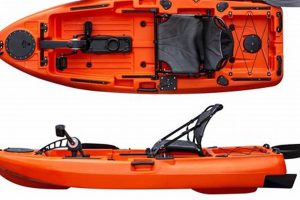
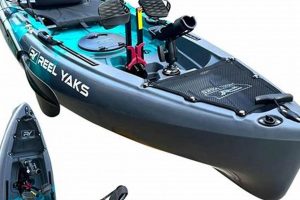
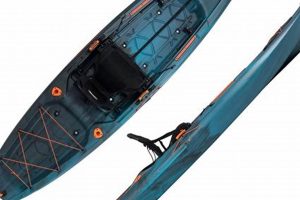
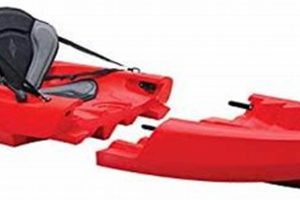
Retailer warehouses like Costco occasionally offer recreational watercraft suitable for angling. These vessels typically fall within the sit-on-top kayak category and are designed for stability and ease of use in calm waters. They are frequently bundled with basic accessories like paddles and often represent an entry-level option for recreational fishing.
The appeal of purchasing such watercraft from a warehouse club often lies in perceived value and convenience. A bundled package can offer a lower initial price point compared to purchasing individual components from specialty retailers. The broad availability at a familiar retailer can also simplify the acquisition process. However, anglers with more specialized needs might find the selection limited. The historical context reflects a broader trend of big-box retailers expanding into recreational markets, offering a convenient but potentially less specialized shopping experience.
This exploration will delve into further details regarding specific models, pricing, features, and comparisons with alternatives available through specialized retailers, empowering informed purchasing decisions.
Tips for Purchasing and Using Kayaks from Warehouse Retailers
Acquiring a kayak from a warehouse club presents unique considerations. The following tips offer guidance for navigating the selection process and ensuring a safe and enjoyable experience.
Tip 1: Research Available Models: Thoroughly investigate the specific kayak models offered. Check manufacturer specifications for weight capacity, dimensions, and intended use to ensure suitability for individual needs and local waterways.
Tip 2: Inspect Before Purchasing: Whenever possible, examine the kayak in person. Look for any signs of damage or manufacturing defects. Assess the quality of included accessories such as paddles and seats.
Tip 3: Compare Pricing and Features: Compare the bundled price with similar kayaks and accessories sold separately at specialty retailers. Factor in potential long-term costs, such as upgrades or replacements.
Tip 4: Consider Transportation and Storage: Evaluate the kayak’s dimensions and weight relative to available transportation and storage options. Ensure compatibility with existing vehicle racks or consider the need for additional equipment.
Tip 5: Prioritize Safety Equipment: While some packages include basic paddles, prioritize acquiring essential safety gear, including a personal flotation device (PFD), a whistle, and appropriate navigation lights if paddling after dark.
Tip 6: Understand Return Policies: Familiarize oneself with the retailer’s return policy in case the kayak doesn’t meet expectations or unforeseen issues arise.
Tip 7: Seek Expert Advice if Needed: For those new to kayaking or unsure about specific features, consult with experienced paddlers or staff at specialty kayak shops for personalized recommendations.
Careful consideration of these factors will contribute to a more informed purchase and enhance overall enjoyment on the water.
These preparatory steps are essential for maximizing the value and enjoyment of the kayaking experience. The subsequent sections will discuss further considerations for maintaining and utilizing these recreational vessels.
1. Availability

Availability of fishing kayaks at Costco is a significant factor influencing purchase decisions. While offering potential cost savings and convenience, the availability is subject to variability and limitations not typically encountered at specialized retailers. Understanding these nuances is crucial for managing expectations and making informed choices.
- Seasonal Stock
Costco often stocks kayaks during the warmer months, aligning with peak recreational demand. This seasonal availability can lead to stock shortages during peak season or limited options outside of the primary selling window. Prospective buyers might encounter challenges locating specific models or sizes outside of this timeframe.
- Regional Variations
Product offerings, including kayaks, can vary significantly between Costco locations. Coastal warehouses might stock models geared toward ocean use, while inland locations might favor recreational kayaks more suitable for lakes and rivers. Geographic location significantly impacts the types of kayaks available at a given store.
- Limited Selection
Compared to dedicated kayak retailers, Costco typically carries a limited selection of kayak models and brands. This streamlined inventory focuses on a smaller subset of the market, potentially excluding specialized fishing kayaks or higher-end options. Anglers with specific requirements might find the available selection restrictive.
- Online Availability
Costco’s online platform expands the potential selection and offers delivery options. However, online availability is also subject to fluctuations and may not reflect real-time in-store inventory. Shipping costs and potential return logistics add complexity to online purchases.
Considering these factors, the availability of fishing kayaks at Costco presents both opportunities and limitations. While the convenience and potential value are attractive, the seasonal nature, regional variations, and limited selection require proactive research and flexibility. Evaluating these aspects alongside alternatives available through specialized retailers provides a comprehensive understanding of procurement options.
2. Affordability
Affordability frequently motivates purchases of recreational equipment, including fishing kayaks. Costco’s reputation for value pricing positions these kayaks as potentially budget-friendly options. However, a comprehensive assessment of affordability requires considering various factors beyond the initial price tag.
- Bundled Packages
Costco often bundles kayaks with basic accessories like paddles and sometimes even life vests. This bundling can create the perception of greater value compared to purchasing each item individually. However, the quality and suitability of bundled accessories warrant scrutiny. A low-quality paddle, for example, might necessitate a future upgrade, negating initial cost savings.
- Membership Fees
Costco’s membership model requires an annual fee. This recurring cost should factor into the overall affordability calculation, especially for infrequent shoppers. While potentially offset by savings on other purchases, the membership fee represents a barrier to entry for those solely interested in a one-time kayak purchase.
- Limited Selection and Features
Costcos focus on a limited selection of kayak models often prioritizes entry-level options. While budget-friendly, these models might lack specialized features desired by experienced anglers. Upgrading to a kayak with advanced features from a specialized retailer could ultimately prove more cost-effective in the long run.
- Potential for Quality Compromises
While not universally true, affordability sometimes correlates with compromises in quality. Careful inspection of materials, construction, and components is essential. Evaluating online reviews and comparing specifications with similarly priced kayaks from other retailers can reveal potential quality discrepancies.
Focusing solely on the initial sticker price can lead to an incomplete assessment of a Costco fishing kayak’s true affordability. Factoring in bundled accessory quality, membership fees, feature limitations, and potential quality trade-offs offers a more nuanced perspective. This comprehensive evaluation empowers informed decisions aligned with long-term budgetary considerations and individual angling needs.
3. Suitability
Suitability of a fishing kayak purchased from Costco hinges on aligning the kayak’s characteristics with the intended fishing environment and angler’s experience level. A mismatch can lead to suboptimal performance, safety concerns, and diminished enjoyment. Careful consideration of factors like hull design, weight capacity, and included features is crucial for ensuring a suitable purchase.
For instance, a shorter, wider kayak designed for stability in calm lakes might prove unsuitable for navigating choppy coastal waters or larger rivers. Conversely, a longer, narrower kayak built for speed and tracking in open water might feel unstable for an angler accustomed to a wider, more stable platform. Weight capacity also plays a crucial role. Exceeding the manufacturer’s recommended capacity compromises stability and can lead to capsizing. Furthermore, features like rod holders, storage compartments, and anchor trolleys, while often included in Costco kayak packages, might not meet the specific needs of experienced anglers targeting particular species or fishing styles. A recreational angler targeting panfish in a small pond has vastly different needs than an angler pursuing larger game fish in offshore environments.
Evaluating suitability requires a thorough assessment of intended fishing locations, target species, angler experience, and the specific features offered by the kayaks available at Costco. Comparing these factors with alternatives offered by specialized kayak retailers provides a broader perspective. Neglecting suitability in favor of cost or convenience alone can lead to a disappointing or even unsafe experience. Prioritizing a well-suited kayak ensures optimal performance, angler safety, and maximized enjoyment on the water.
4. Durability
Durability represents a critical factor influencing the long-term value and performance of fishing kayaks, especially those procured from warehouse retailers like Costco. While initial affordability might be attractive, evaluating a kayak’s construction, materials, and potential lifespan is essential for ensuring a sound investment. Overlooking durability can lead to premature wear and tear, costly repairs, or even replacement, negating any initial cost savings.
- Material Composition
Kayaks sold at Costco often utilize high-density polyethylene (HDPE) due to its affordability and impact resistance. While generally durable, HDPE can be susceptible to UV degradation and warping with prolonged sun exposure. Understanding the specific grade and UV protection incorporated into the HDPE influences long-term durability. Lower-grade HDPE without adequate UV protection can become brittle and crack over time, significantly shortening the kayak’s lifespan. Conversely, higher-grade HDPE with enhanced UV stabilizers offers improved resistance to environmental factors.
- Construction Quality
Manufacturing processes and quality control measures directly impact a kayak’s structural integrity. Examining weld lines, joint connections, and overall fit and finish can reveal potential weaknesses. Poorly executed welds or inconsistent joint connections can create stress points, making the kayak more vulnerable to damage from impacts or stress during use. Thorough inspection before purchase is crucial for identifying potential construction flaws that could compromise long-term durability.
- Hardware and Fittings
Hardware components like handles, latches, and D-rings contribute significantly to a kayak’s functionality and durability. Corrosion-resistant materials, such as stainless steel or high-quality plastic, are essential for withstanding exposure to saltwater and other corrosive elements. Lower-grade hardware can quickly rust or degrade, impacting functionality and potentially compromising safety. Inspecting the quality of these components provides insights into the kayak’s long-term durability and resistance to environmental factors.
- Intended Usage
A kayak’s durability also depends on its alignment with intended usage. A recreational kayak designed for calm lakes and rivers might not withstand the rigors of frequent ocean use or navigating rocky shorelines. Exceeding the manufacturer’s recommended weight capacity or subjecting the kayak to conditions beyond its design parameters can accelerate wear and tear and shorten its lifespan. Matching the kayak’s capabilities with the intended environment and usage patterns is crucial for maximizing durability and longevity.
Assessing the durability of a fishing kayak purchased from Costco requires careful consideration of material composition, construction quality, hardware components, and intended usage. Evaluating these factors in conjunction with the initial purchase price provides a more comprehensive understanding of long-term value. Prioritizing durability ensures a sound investment and contributes to a safer and more enjoyable kayaking experience over time.
5. Accessories

The inclusion of accessories within Costco fishing kayak packages significantly influences the overall value proposition and the immediate usability of the product. While often presented as a cost-saving benefit, the quality, suitability, and long-term utility of these included accessories require careful consideration. A seemingly complete package might necessitate upgrades or replacements, potentially offsetting any initial cost advantages.
Commonly included accessories range from basic paddles and rudimentary rod holders to more specialized features like integrated fish finders or upgraded seating. The quality of these accessories, however, can vary significantly. A basic paddle, while functional for casual use, might lack the performance and durability required for extended paddling or challenging conditions. Similarly, factory-installed rod holders might not accommodate specific fishing styles or rod types, necessitating aftermarket modifications or replacements. For example, an angler targeting larger pelagic species might find the included rod holders inadequate for heavy-duty saltwater fishing rods. This necessitates purchasing higher-quality rod holders, adding to the overall cost.
Understanding the limitations of included accessories is crucial for informed decision-making. Evaluating the quality and suitability of these components against individual fishing needs and preferences helps determine whether the bundled package truly offers value or requires additional investments. Comparing the total cost of the package, including potential accessory upgrades, with the price of purchasing a kayak and desired accessories separately from a specialized retailer provides a comprehensive cost analysis. This analysis clarifies the long-term value proposition and avoids potential disappointments stemming from inadequate or unsuitable included accessories. Thorough research and consideration of accessory quality and compatibility ensure the kayak’s functionality aligns with the angler’s specific requirements.
6. Transportation

Transporting kayaks purchased from Costco presents logistical considerations crucial for a seamless transition from purchase to on-water use. Kayaks’ size and weight necessitate appropriate planning and equipment. Overlooking transportation logistics can lead to difficulties ranging from minor inconveniences to significant safety hazards. Therefore, pre-purchase evaluation of transportation options is essential.
- Vehicle Compatibility
Kayak dimensions and weight must align with vehicle capacity and available mounting options. Roof racks, trailers, or truck beds provide common transportation methods. Measuring kayak length and comparing it with vehicle roof or bed dimensions ensures adequate space. Exceeding vehicle roof rack weight capacity compromises safety and can damage the vehicle or kayak. Assessing vehicle compatibility before purchase prevents unexpected transportation challenges.
- Loading and Unloading
Kayaks, especially longer models, can be challenging to load and unload safely. Utilizing proper lifting techniques and assistance minimizes strain and the risk of damage. Improper lifting techniques can cause back injuries or damage the kayak. Employing loading aids, such as kayak rollers or cradles, simplifies the process. Planning loading and unloading procedures beforehand ensures safety and efficiency.
- Securing the Kayak
Properly securing the kayak during transit is paramount for safety and preventing damage. High-quality tie-down straps and appropriate anchoring points on the vehicle are essential. Inadequate securing methods can lead to kayak dislodgement during transit, creating hazardous road conditions and potentially damaging the kayak or other vehicles. Understanding proper securing techniques and utilizing appropriate equipment safeguards against such incidents.
- Distance to Launch Point
The distance between the point of purchase and intended launch location factors into transportation considerations. Longer distances might necessitate specialized trailers or fuel-efficient vehicles. Calculating transportation costs associated with distance aids in budgeting and overall cost assessment. Furthermore, prolonged transportation can expose the kayak to environmental factors like sun and wind, potentially necessitating protective measures.
Careful consideration of these transportation elements is essential for anyone acquiring a kayak from Costco. Evaluating vehicle compatibility, planning loading/unloading procedures, employing secure transit methods, and factoring in distance to launch points contribute significantly to a smooth and safe kayaking experience. Failing to address these logistical aspects can detract from the enjoyment and potentially create hazardous situations. Integrating transportation planning into the purchase decision process maximizes the likelihood of a positive and safe on-water experience.
Frequently Asked Questions
This section addresses common inquiries regarding the acquisition and utilization of fishing kayaks available through warehouse retailers.
Question 1: Are fishing kayaks purchased from warehouse clubs suitable for ocean use?
Suitability for ocean use depends on the specific kayak model. While some models might be appropriate for calm bays or protected coastal waters, others are designed primarily for lakes and rivers. Careful consideration of manufacturer specifications, including hull design and stability ratings, is essential.
Question 2: What is the typical warranty coverage for kayaks sold at these retailers?
Warranty coverage varies depending on the manufacturer and specific model. It is essential to review the warranty information provided by the manufacturer before purchase to understand coverage terms, limitations, and procedures for warranty claims.
Question 3: Do bundled packages typically include essential safety gear like personal flotation devices (PFDs)?
While some bundled packages might include a basic PFD, it’s crucial to verify the inclusion and suitability of any safety equipment. Regardless of inclusion, independent purchase of a high-quality, properly fitting PFD is strongly recommended.
Question 4: How does the quality of kayaks sold at warehouse clubs compare with those from specialized kayak retailers?
Kayaks offered at warehouse clubs often represent entry-level to mid-range options in terms of features and construction. Specialized retailers typically offer a broader selection, including higher-end models with more advanced features and materials. A direct comparison requires evaluating specific models against individual needs and preferences.
Question 5: What are the typical return policies for kayaks purchased from these retailers?
Return policies can vary. It is essential to review the specific retailer’s policy regarding kayak returns, including any timeframes, restocking fees, or requirements for original packaging and accessories. Understanding the return process beforehand facilitates a smooth transaction if necessary.
Question 6: Can these kayaks accommodate aftermarket modifications or upgrades?
Most kayaks allow for aftermarket modifications and upgrades, such as installing additional rod holders, fish finders, or improved seating. However, compatibility varies depending on the kayak’s design and construction. Researching compatibility before purchasing and installing aftermarket components is essential.
Thorough consideration of these frequently asked questions contributes significantly to informed purchasing decisions and a positive ownership experience.
The following section provides further guidance on maintaining and caring for these recreational vessels, maximizing their lifespan and performance.
Costco Fishing Kayaks
Careful evaluation of fishing kayaks available at Costco requires a balanced assessment of potential advantages and inherent limitations. Affordability and bundled packages can present attractive entry points into the sport, particularly for recreational anglers. However, limitations in selection, potential compromises in durability or features, and transportation logistics necessitate thorough consideration. Suitability for specific fishing styles and long-term value depend on aligning individual needs with the characteristics of specific models offered. A comprehensive understanding of these factors empowers informed decisions.
Ultimately, the decision to purchase a fishing kayak from Costco hinges on a thorough assessment of individual needs, budgetary constraints, and intended usage. Balancing potential cost savings against potential limitations ensures a suitable and satisfying purchase. Prioritizing informed decision-making contributes significantly to a safe and enjoyable kayaking experience.