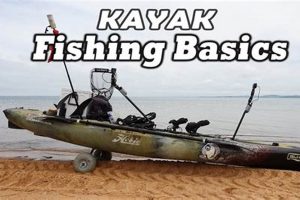
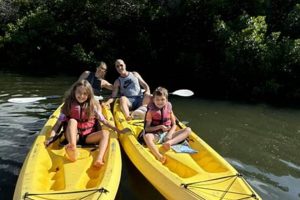
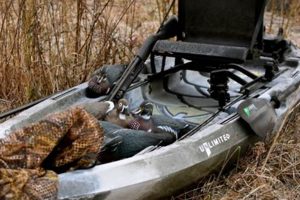
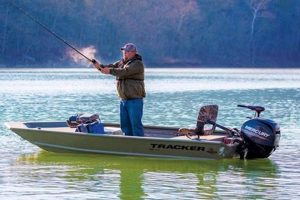
This activity involves angling from a small, human-powered vessel in the shallow Texas estuary known as Matagorda Bay. It offers a unique blend of sport and connection with nature, allowing anglers to navigate shallow waters and access areas unreachable by larger boats. The bay’s diverse ecosystem provides opportunities to target numerous species, including redfish, speckled trout, flounder, and black drum.
Angling from these small crafts within this specific estuarine environment offers several advantages. The quiet, non-motorized approach allows for stealthy access to fish, minimizing disturbance and increasing catch rates. The shallow draft of these vessels grants access to the bay’s backcountry, flats, and marsh areas, prime habitats for sought-after game fish. Historically, small boats have played a significant role in fishing practices within this area, evolving from traditional methods to the modern, specialized equipment available today. This continued reliance on smaller watercraft highlights their effectiveness and the enduring appeal of this intimate connection with the bay’s resources.
Further exploration of this topic will cover essential equipment, effective techniques, optimal locations, conservation considerations, and relevant regulations for a safe and successful experience.
Tips for Matagorda Bay Kayak Angling
Successful angling in Matagorda Bay from a kayak requires preparation and awareness. The following tips offer guidance for a productive and enjoyable experience.
Tip 1: Understand Tidal Influences: Matagorda Bay experiences significant tidal fluctuations that impact fish behavior and accessible areas. Consulting tide charts is crucial for planning launch times and targeting productive feeding zones.
Tip 2: Prioritize Safety Equipment: A personal flotation device (PFD) is essential. Carrying a whistle, signaling mirror, and communication device enhances safety in case of emergencies. A well-stocked first-aid kit is also recommended.
Tip 3: Choose Appropriate Tackle and Gear: Rods and reels suitable for inshore saltwater fishing are recommended. Selecting lures or bait appropriate for target species increases the chances of success. A landing net and appropriate fishing line are also essential.
Tip 4: Employ Effective Kayaking Techniques: Learning basic paddling strokes and maneuvering skills improves navigation and positioning within the bay. Understanding wind and current effects is vital for efficient movement.
Tip 5: Respect Wildlife and the Environment: Practice catch-and-release whenever possible to preserve fish populations. Properly dispose of fishing line and other waste to minimize environmental impact. Maintain a safe distance from wildlife.
Tip 6: Be Aware of Weather Conditions: Checking weather forecasts before embarking on a fishing trip is crucial. Sudden changes in wind speed or direction can create hazardous conditions on the bay.
Tip 7: Familiarize Oneself with Regulations: Obtaining the necessary fishing licenses and understanding local regulations ensures a legal and ethical fishing experience.
Adhering to these guidelines promotes a safer and more successful experience on the water, increasing the likelihood of a productive and enjoyable fishing trip.
By considering these tips and undertaking thorough preparation, anglers can enhance their experience and contribute to the preservation of Matagorda Bay’s valuable ecosystem.
1. Species-specific tackle
Matagorda Bay’s diverse fish population necessitates specialized tackle for successful kayak angling. Choosing appropriate gear based on target species significantly impacts catch rates and overall fishing experience. This involves considering factors like fish size, feeding habits, and habitat preference.
- Rod and Reel Selection
Rods designed for inshore saltwater fishing, typically 6-7 feet in length, offer optimal control and casting distance from a kayak. Reel choice depends on the target species. Lighter spinning reels suit speckled trout, while heavier baitcasting reels are preferred for larger redfish or black drum. Matching rod and reel action ensures balanced performance.
- Line and Leader Material
Braided fishing line offers superior strength and sensitivity compared to monofilament, advantageous in detecting subtle bites. Fluorocarbon leader material, virtually invisible underwater, increases chances of enticing wary fish. Line and leader strength should align with the target species’ size and fighting ability.
- Lure and Bait Choices
Matching lures and bait to the target species’ feeding preferences is critical. Topwater lures entice speckled trout and redfish in shallow areas. Soft plastic lures mimic shrimp or small baitfish, effective for flounder and other bottom-dwelling species. Live bait, such as shrimp or finger mullet, can also prove highly effective.
- Terminal Tackle Considerations
Hooks, weights, and swivels must complement chosen lures and bait. Hook size and style depend on the target species and bait type. Weights ensure proper lure presentation at the desired depth. Swivels prevent line twist, particularly important when using spinning lures.
Utilizing species-specific tackle enhances fishing success in Matagorda Bay’s dynamic environment. The careful selection of rods, reels, lines, lures, and terminal tackle optimizes the angler’s ability to target desired species and contributes to a more productive and enjoyable kayaking experience.

Shallow water navigation is integral to successful kayak fishing in Matagorda Bay. The bay’s extensive shallow flats, creeks, and marshes hold prime fishing grounds, requiring specialized navigational skills and awareness. Effective navigation maximizes access to these productive areas while minimizing disturbance to the environment and ensuring angler safety.
- Draft and Hull Design
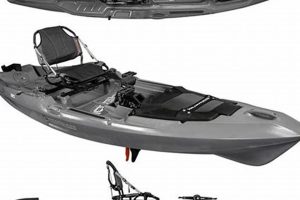
Kayaks, with their shallow draft, offer significant advantages in navigating Matagorda Bay’s shallows. Understanding how hull design impacts maneuverability and stability is crucial. Flat-bottomed hulls excel in extremely shallow water but can be less stable. V-shaped hulls offer better tracking and stability in open water but require slightly deeper water. Selecting an appropriate kayak design based on intended fishing locations improves navigational efficiency.
- Paddle Techniques and Propulsion
Efficient paddling techniques are essential for navigating shallows and conserving energy. Basic strokes like the forward stroke, reverse stroke, and sweep stroke facilitate controlled movement and maneuvering in tight spaces. Utilizing specialized kayak paddles designed for shallow water further enhances propulsion and reduces the risk of grounding.
- Tidal Current Awareness
Matagorda Bay experiences substantial tidal currents that significantly impact navigation. Incoming tides flood shallow areas, opening access to otherwise unreachable fishing grounds. Outgoing tides can create strong currents in channels and around structure. Consulting tide charts and understanding current patterns is vital for planning routes, avoiding groundings, and maximizing fishing time.
- Reading the Water and Avoiding Hazards
Observing subtle changes in water color, surface ripples, and vegetation patterns helps identify shallow areas, channels, and potential hazards like oyster beds or submerged debris. Maintaining a low center of gravity and avoiding sudden movements enhances stability in shallow water. Poling or paddling with caution in unfamiliar areas minimizes the risk of damage to the kayak or injury to the angler.
Proficient shallow water navigation expands angling opportunities within Matagorda Bay. By understanding the interplay of kayak design, paddling techniques, tidal influences, and hazard avoidance, anglers can confidently explore the bay’s shallowest reaches, accessing prime fishing locations while minimizing environmental impact and ensuring a safe and productive experience.
3. Tidal flow awareness
Tidal flow awareness is paramount for successful kayak angling in Matagorda Bay. This shallow estuary experiences significant tidal fluctuations, directly impacting fish behavior, accessibility of fishing grounds, and kayak navigation. Understanding tidal cycles and their influence on currents allows anglers to optimize fishing strategies and ensure safety.
The rising tide, or flood tide, inundates shallow flats and marshes, creating prime feeding opportunities for species like redfish and speckled trout. These fish move onto the flooded flats to forage on crustaceans and baitfish. Conversely, the falling tide, or ebb tide, concentrates fish in channels and deeper holes as water recedes from the flats. Awareness of these tidal movements allows anglers to position themselves strategically for optimal fishing success. For instance, targeting areas where currents funnel baitfish during an outgoing tide can significantly increase catch rates. Ignoring tidal influence may result in anglers being stranded on exposed flats or facing strong currents hindering kayak control.
Tidal flow also affects kayak navigation and safety. Strong currents, particularly during peak ebb and flood tides, can make paddling challenging and increase the risk of grounding. Planning kayak routes based on tidal predictions and understanding how currents interact with wind conditions are crucial for safe and efficient navigation. Failure to account for tidal currents can lead to arduous paddling, difficulty reaching desired fishing spots, and potential safety hazards. Integrating tidal flow awareness into fishing strategies is fundamental to maximizing success and ensuring a safe and rewarding kayak angling experience in Matagorda Bay. This understanding allows anglers to effectively target fish, navigate safely, and fully appreciate the dynamic nature of this unique estuarine environment.
4. Safety Precautions
Safeguarding against potential hazards is paramount when kayak fishing in Matagorda Bay. The bay’s dynamic environment, characterized by changing weather, shallow waters, and strong currents, necessitates careful planning and adherence to safety protocols. Neglecting these precautions can lead to serious consequences, transforming a recreational activity into a hazardous situation.
- Personal Flotation Devices (PFDs)
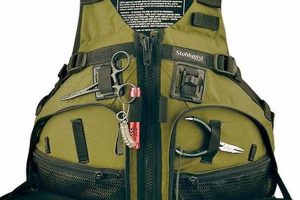
Wearing a properly fitted PFD is non-negotiable. A PFD provides essential buoyancy in case of capsizing or unexpected immersion, significantly increasing survival chances. Selecting a PFD specifically designed for paddling enhances comfort and mobility while fishing. Inflatable PFDs offer greater freedom of movement but require regular maintenance and inspection.
- Communication and Signaling Devices
Maintaining communication is crucial in emergencies. Carrying a waterproof cell phone or VHF radio allows contact with emergency services or other boaters. Visual signaling devices, such as a whistle, signal mirror, or flares, can attract attention over long distances, aiding in rescue efforts. Regularly checking battery life and ensuring devices are functioning correctly is essential before embarking on any fishing trip.
- Weather Awareness and Monitoring
Checking weather forecasts before and during a fishing trip is critical. Sudden changes in wind speed, direction, or approaching storms can create hazardous conditions on the bay. Monitoring weather radar and being prepared to seek shelter or return to shore promptly minimizes exposure to dangerous weather. Understanding local weather patterns and recognizing signs of impending storms enhances safety awareness.
- Navigation and Hazard Avoidance
Matagorda Bay’s shallow waters and shifting sandbars present navigational challenges. Carrying nautical charts or GPS devices aids in route planning and avoiding groundings. Awareness of tidal currents and wind effects on kayak movement enhances navigational safety. Maintaining a safe distance from motorized vessels and avoiding areas with heavy boat traffic reduces the risk of collisions. Recognizing and avoiding potential hazards like oyster beds and submerged debris minimizes risks of injury or equipment damage.
Implementing these safety precautions significantly mitigates risks associated with kayak fishing in Matagorda Bay. Prioritizing safety enhances the enjoyment of the activity, allowing anglers to focus on fishing while minimizing potential dangers. Preparation and adherence to safety protocols contribute to a positive and secure experience on the water.
5. Conservation Practices

Maintaining the ecological integrity of Matagorda Bay is crucial for the continued enjoyment of kayak fishing. Conservation practices play a vital role in preserving the bay’s delicate ecosystem and ensuring sustainable fish populations for future generations. Integrating these practices into angling activities contributes to the long-term health and productivity of this valuable resource.
- Catch-and-Release Fishing
Practicing catch-and-release minimizes the impact of angling on fish populations. Proper handling techniques, such as minimizing air exposure and using appropriate de-hooking tools, increase fish survival rates after release. This practice helps maintain healthy fish stocks and preserves the bay’s biodiversity. Supporting catch-and-release initiatives promotes sustainable fishing practices.
- Habitat Preservation and Restoration
Protecting and restoring critical habitats, such as seagrass beds, oyster reefs, and marsh areas, is essential for maintaining a healthy bay ecosystem. These habitats provide breeding grounds, shelter, and food sources for numerous fish species. Avoiding anchoring in seagrass beds and participating in habitat restoration projects contribute to preserving these vital areas. Supporting organizations dedicated to habitat restoration directly benefits the bay’s overall health and fish populations.
- Responsible Waste Disposal
Proper disposal of fishing line, plastic tackle, and other waste prevents pollution and protects wildlife. Discarded fishing line poses a significant entanglement threat to birds, turtles, and marine mammals. Carrying a trash bag and properly disposing of all waste minimizes environmental impact. Participating in shoreline cleanup efforts further contributes to maintaining a clean and healthy bay environment.
- Respecting Wildlife and Minimizing Disturbance
Observing wildlife from a safe distance and minimizing disturbances to their natural behaviors is crucial. Avoiding nesting areas during breeding seasons and refraining from harassing or feeding wildlife helps maintain a healthy ecosystem. Promoting responsible wildlife viewing practices among fellow anglers contributes to preserving the bay’s natural balance.
Integrating these conservation practices into kayak fishing activities in Matagorda Bay ensures the long-term sustainability of this valuable resource. By actively participating in conservation efforts, anglers contribute to the preservation of the bay’s diverse ecosystem and the continued enjoyment of kayak fishing for generations to come. The interconnectedness of these practices highlights the importance of responsible angling in maintaining the health and productivity of Matagorda Bay.
Frequently Asked Questions
This section addresses common inquiries regarding kayak angling within Matagorda Bay, providing concise and informative responses to facilitate a safe and productive experience.
Question 1: What are the primary target species for kayak anglers in Matagorda Bay?
Redfish, speckled trout, and flounder are among the most sought-after species. Black drum, sheepshead, and other species also present angling opportunities.
Question 2: Are specific fishing licenses required for kayak angling in this area?
A valid Texas fishing license with a saltwater endorsement is required for anglers over 17 years of age. Regulations and license requirements are subject to change, so checking current regulations with the Texas Parks and Wildlife Department is advised.
Question 3: What are the recommended launch points for kayaks within the bay?
Several public boat ramps and kayak launch sites provide access to Matagorda Bay. Selection depends on targeted fishing areas and prevailing wind and tide conditions. Researching access points in advance is recommended.
Question 4: What safety equipment is essential for kayak fishing in this environment?
A personal flotation device (PFD), whistle, signaling mirror, and communication device (cell phone or VHF radio) are essential safety items. A first-aid kit, sunscreen, and appropriate clothing for sun protection are also recommended.
Question 5: What tidal conditions are most favorable for fishing success?
Both incoming and outgoing tides present fishing opportunities. Incoming tides flood shallow flats, attracting fish to forage. Outgoing tides concentrate fish in channels and deeper holes. Understanding tidal flow and its influence on fish behavior is crucial for successful angling.
Question 6: What conservation practices should anglers observe in Matagorda Bay?
Practicing catch-and-release, minimizing habitat disturbance, and properly disposing of fishing line and other waste are essential conservation measures. Adhering to these practices helps preserve the bay’s ecosystem and ensures sustainable fishing for future generations.
Careful consideration of these frequently asked questions enhances preparedness and promotes a safer and more rewarding kayak fishing experience in Matagorda Bay. This information empowers anglers to make informed decisions and contribute to the preservation of this valuable natural resource.
Further exploration of specific fishing techniques, recommended gear, and local regulations can enhance angling proficiency and overall enjoyment within Matagorda Bay.
Kayak Fishing Matagorda Bay
This exploration has highlighted the multifaceted nature of kayak angling within Matagorda Bay. From species-specific tackle selection and shallow-water navigation to tidal flow awareness and crucial safety precautions, each aspect contributes to a successful and rewarding experience. The delicate balance between angler enjoyment and environmental stewardship underscores the importance of conservation practices. Understanding the bay’s unique characteristics and adhering to responsible angling guidelines ensures the preservation of this valuable ecosystem.
Matagorda Bay offers exceptional opportunities for those seeking an immersive and engaging angling experience. Continued exploration of this dynamic environment, coupled with a commitment to conservation, will ensure the bay’s vitality and provide enriching experiences for anglers for years to come. Responsible engagement with this natural resource safeguards its future and fosters a deeper appreciation for the intricate interplay of human interaction and ecological balance within Matagorda Bay.