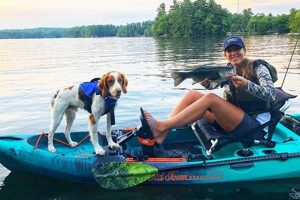
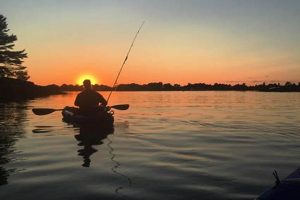
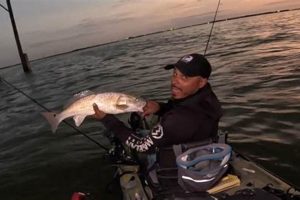
Angling from a small, human-powered vessel on this specific reservoir presents a unique opportunity for sport and recreation. This method allows close-to-water access across the diverse aquatic environment, enabling exploration of shallow coves, inlets, and the shoreline while pursuing a variety of fish species. This approach offers a blend of physical activity, connection with nature, and the challenge of angling.
This reservoir, known for its clear waters and abundant fish populations, provides an ideal setting for this type of angling. Its expansive surface area and varied underwater topography offer numerous fishing spots, catering to both experienced and novice anglers. The quieter, non-motorized approach inherent in this activity can be particularly effective for targeting species sensitive to noise and water disturbance. Historically, this reservoir has drawn anglers seeking diverse fishing experiences, and the increasing popularity of human-powered watercraft has further enhanced its appeal.
This article will explore the specific techniques, equipment, and regulations relevant to this activity on this body of water. Topics covered will include recommended kayak types and fishing gear, ideal locations and seasonal patterns, as well as licensing and safety considerations. It aims to equip anglers with the knowledge and resources for a successful and enjoyable experience.
Tips for Kayak Fishing on Lake Allatoona
Successful angling from a kayak on Lake Allatoona requires preparation and awareness of specific conditions. These tips provide valuable insights for optimizing the experience.
Tip 1: Research Seasonal Fishing Patterns: Lake Allatoonas fish species exhibit seasonal behavior changes. Understanding these patterns, including preferred depths and bait preferences, significantly improves fishing success.
Tip 2: Utilize a Fish Finder: A fish finder provides crucial information about underwater structures, fish locations, and depth contours. This technology allows anglers to target specific areas with higher probability of success.
Tip 3: Choose Appropriate Tackle: Select fishing rods, reels, and lines appropriate for the targeted species. Lighter tackle is often preferred for species like spotted bass and crappie, while heavier gear is suitable for striped bass.
Tip 4: Employ Effective Kayak Positioning: Positioning a kayak strategically, utilizing natural structures like points and drop-offs, maximizes fishing opportunities. Anchor effectively or utilize drift socks to maintain optimal positioning.
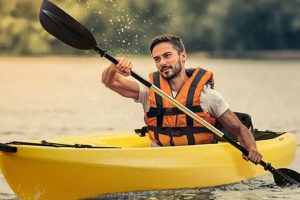
Tip 5: Practice Proper Kayak Safety: Always wear a personal flotation device (PFD) and carry essential safety equipment, including a whistle, first-aid kit, and communication device. Check weather conditions prior to embarking and inform someone of planned fishing locations.
Tip 6: Respect Local Regulations: Adhere to all applicable fishing regulations, including licensing requirements, catch limits, and size restrictions. Obtain necessary permits and remain informed of any specific lake rules.
Tip 7: Pack Light and Efficiently: Organize tackle and equipment in a readily accessible manner to minimize clutter and optimize space within the kayak. Waterproof storage is essential for protecting valuables and electronic devices.
Adhering to these practices enhances angling success and contributes to a safer, more enjoyable experience on the water. Careful planning and attention to detail allow anglers to fully appreciate the unique opportunities offered by this activity on Lake Allatoona.
These tips offer a starting point for a successful outing. The following sections will further explore specific techniques, equipment recommendations, and further resources for maximizing one’s experience.
1. Kayak Selection

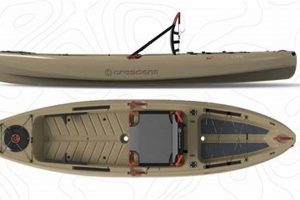
Appropriate kayak selection significantly impacts the overall experience of kayak fishing on Lake Allatoona. Choosing the right vessel enhances stability, maneuverability, and overall fishing success. Consideration of various kayak types and their respective features is essential for optimizing performance on the water.
- Stability
Stability is paramount, especially when casting, reeling, and landing fish. Wider kayaks generally offer greater primary stability, resisting initial tipping. Longer kayaks typically provide better secondary stability, recovering more easily from larger disturbances. A stable platform allows anglers to focus on fishing rather than constantly correcting balance. On Lake Allatoona, where boat traffic can create wakes and wind conditions can change, stability is crucial for safety and a comfortable fishing experience. For example, a wider, sit-on-top kayak is often preferred for its stability in choppy water, while a narrower, sit-in kayak might be better suited for calm conditions.
- Maneuverability
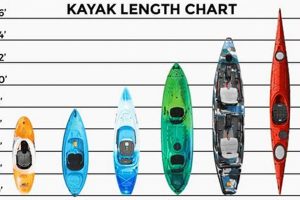
Maneuverability influences the angler’s ability to navigate shallow coves, weedy areas, and other prime fishing locations. Shorter kayaks are generally more agile, allowing for quick turns and precise positioning. Longer kayaks track better in a straight line and cover greater distances more efficiently. Lake Allatoona’s diverse shoreline and varied underwater structures necessitate a kayak with suitable maneuverability for reaching desired fishing spots. A shorter kayak allows easier navigation through tight spaces, while a longer kayak provides efficiency when paddling across open water to reach distant locations.
- Storage Capacity
Sufficient storage space is crucial for carrying fishing gear, tackle boxes, and other essential items. Kayaks equipped with ample storage compartments or rigging options allow for organized and accessible gear management. Carrying capacity is also a factor, ensuring the kayak can handle the combined weight of the angler, gear, and potential catch. On a large reservoir like Lake Allatoona, anglers might spend several hours on the water, necessitating adequate storage for food, water, and safety equipment. A kayak with dedicated storage compartments or a tank well can securely accommodate these items, preventing loss or damage.
- Propulsion System
Kayak propulsion affects both speed and effort. Paddle kayaks offer excellent exercise and precise control but can be tiring over long distances. Pedal-powered kayaks provide greater speed and free up hands for fishing but are generally heavier and more expensive. Motorized kayaks offer the greatest speed and range, allowing access to distant areas of the lake. Consideration of physical capabilities, fishing style, and target locations on Lake Allatoona will guide the choice of propulsion. For example, a pedal kayak offers an advantage when covering large distances, while a paddle kayak provides quiet and stealthy movement when approaching fish in shallow areas.
Careful evaluation of these factors, in light of individual fishing styles and Lake Allatoona’s specific conditions, ensures optimal kayak selection. A well-chosen kayak becomes an invaluable tool for navigating the waters and maximizing fishing success on this expansive reservoir. The right kayak becomes an extension of the angler, facilitating a seamless and enjoyable fishing experience.
2. Fishing Gear

Specialized fishing gear enhances angling success on Lake Allatoona from a kayak. Appropriate equipment selection considers target species, fishing techniques, and the unique challenges presented by this reservoir’s environment. Careful consideration of rod, reel, line, and lure choices optimizes fishing effectiveness and overall experience.
- Rods and Reels
Rod and reel selection depends on the targeted fish species and employed techniques. Lightweight spinning or casting rods paired with appropriately sized reels are versatile choices for many Lake Allatoona species. Shorter rods offer better control in the confined space of a kayak, while medium-power rods provide sufficient backbone for battling larger fish like striped bass. Baitcasting reels offer greater precision and power, while spinning reels are easier to use and well-suited for lighter lines and lures. For example, a medium-light spinning rod paired with a 2500 size spinning reel is a versatile combination for targeting spotted bass, while a heavier baitcasting setup might be preferred for striped bass or catfish.
- Fishing Line
Line choice impacts casting distance, sensitivity, and strength. Braided lines offer excellent sensitivity and strength, allowing anglers to detect subtle bites and handle larger fish. Fluorocarbon lines are virtually invisible underwater, providing a stealth advantage when targeting wary fish. Monofilament lines are a cost-effective option offering good all-around performance. The clear waters of Lake Allatoona often favor fluorocarbon or low-visibility monofilament lines for presenting lures discreetly. Heavier braided lines might be preferred when fishing around heavy cover or targeting larger, more powerful species. For example, 10-12 lb fluorocarbon line is a good choice for spotted bass, while 20-30 lb braided line is suitable for striped bass.
- Lures and Baits
Lake Allatoona’s diverse fish populations respond to a variety of lures and baits. Soft plastic worms, crankbaits, spinnerbaits, and jigs are effective choices for targeting different species and depths. Matching lure color and size to prevailing forage and water clarity increases the likelihood of attracting fish. Live bait, such as minnows or worms, can also be highly effective. For example, crankbaits are effective for covering water and locating active fish, while jigs and soft plastics are ideal for targeting specific structures or deeper water. Understanding seasonal baitfish patterns informs lure selection. For example, during a shad spawn, small white or silver lures can mimic the prevalent forage and attract feeding fish.
- Tackle Management
Efficient tackle management is crucial in a kayak. A well-organized tackle box or system keeps lures and tools readily accessible, minimizing time spent searching for gear. Waterproof storage protects valuable equipment from splashes and accidental submersion. Compact and easily accessible storage solutions maximize space efficiency within the kayak. Labeling tackle boxes and using clear containers allows quick identification of lures and terminal tackle. For example, a small waterproof tackle bag with compartments for different lure types keeps gear organized and protected from the elements.
Careful selection and organization of fishing gear optimizes the kayak fishing experience on Lake Allatoona. A well-equipped angler can effectively target the reservoir’s diverse fish species while maintaining a safe and efficient workflow within the limited space of a kayak. Adapting gear choices to target species, seasonal patterns, and specific locations enhances fishing success and enjoyment.
Effective navigation is crucial for successful kayak fishing on Lake Allatoona. Understanding the lake’s layout, potential hazards, and access points allows anglers to efficiently reach productive fishing areas and ensures a safe and enjoyable experience. Competent navigation maximizes fishing time and minimizes risks associated with this large and dynamic reservoir.
- Understanding Lake Maps and Charts
Utilizing lake maps and charts provides essential information about water depths, underwater structures, navigation channels, and potential hazards. These resources allow anglers to identify promising fishing locations, plan routes, and navigate safely around shallow areas or submerged obstacles. Digital GPS and charting tools offer real-time location data and navigation assistance, enhancing situational awareness on the water. For example, identifying a submerged hump or drop-off near a creek channel can reveal a prime location for targeting bass. Awareness of marked no-wake zones near marinas or boat ramps is crucial for safe kayak operation.
- Identifying Access Points and Boat Ramps
Lake Allatoona offers numerous public access points and boat ramps. Selecting a launch location convenient to target fishing areas minimizes travel time and allows for efficient use of fishing time. Researching ramp accessibility, parking availability, and potential fees ensures a smooth launch experience. Considering factors such as wind direction and water current when choosing a launch point can significantly impact kayak handling and paddling effort. Launching from a ramp close to a protected cove, for instance, can provide calmer conditions than launching directly into open water exposed to wind and waves.
- Recognizing and Avoiding Hazards
Navigating safely on Lake Allatoona requires awareness of potential hazards, including fluctuating water levels, changing weather conditions, boat traffic, and submerged debris. Staying informed about weather forecasts and lake conditions is essential for safe kayak operation. Maintaining a safe distance from motorized vessels and respecting designated no-wake zones prevents collisions and minimizes disruptions to other lake users. Awareness of floating debris or submerged logs, especially after periods of heavy rain, reduces the risk of damage to the kayak or injury to the angler. For example, during periods of high water levels, previously exposed shallow areas or submerged structures may become navigational hazards.
- Utilizing Navigation Aids and Technology
Modern navigation aids and technology enhance kayak fishing on Lake Allatoona. GPS devices, fish finders, and mapping apps provide precise location information, underwater terrain data, and navigation assistance. These tools allow anglers to mark waypoints, track routes, and locate productive fishing spots. Utilizing these technologies strategically increases fishing efficiency and allows anglers to explore new areas of the lake with confidence. For instance, marking waypoints on a GPS can save valuable time when returning to productive fishing spots or navigating through complex channels. Using a fish finder to identify underwater structures allows anglers to focus their efforts in areas likely to hold fish.
Proficient lake navigation is integral to successful kayak fishing on Lake Allatoona. By understanding the lake’s characteristics, utilizing available resources, and prioritizing safety, anglers can maximize their fishing experience and enjoy the diverse opportunities offered by this expansive reservoir. Preparation and awareness allow for efficient navigation, enabling anglers to reach desired locations, avoid potential hazards, and focus on the task at hand: catching fish. The combination of careful planning and effective use of navigation tools contributes significantly to a rewarding and safe fishing experience on Lake Allatoona.
4. Safety Precautions
Safety precautions are paramount when kayak fishing on Lake Allatoona. The combination of open water, fluctuating weather conditions, and boat traffic necessitates a proactive approach to risk management. Neglecting safety protocols can lead to serious consequences, ranging from equipment damage to life-threatening situations. Understanding and implementing appropriate safety measures ensures a positive and incident-free experience on the water.
Several factors contribute to the importance of safety precautions on Lake Allatoona. Sudden weather changes, including strong winds and thunderstorms, can create hazardous conditions for kayakers. Boat traffic, especially during peak seasons, poses a collision risk, particularly for smaller, less visible vessels. Fluctuating water levels can expose submerged hazards or create strong currents near the dam. Cold water temperatures, especially during the off-season, increase the risk of hypothermia in the event of capsizing. Real-life examples underscore these risks. In 2019, several kayakers were rescued after being caught in a sudden squall on Lake Allatoona. In another instance, a kayak collided with a powerboat resulting in injuries to the kayaker. These incidents highlight the importance of vigilance and preparedness. Wearing a personal flotation device (PFD), carrying a whistle and communication device, and checking weather forecasts before embarking are crucial safety measures.
Implementing safety precautions is not merely a matter of compliance; it is a fundamental component of responsible kayak fishing on Lake Allatoona. A comprehensive understanding of potential risks and appropriate mitigation strategies ensures the well-being of anglers and contributes to a positive overall experience. Challenges such as unpredictable weather and varying lake conditions require ongoing assessment and adaptation. Staying informed about lake-specific regulations, including boating safety requirements and restricted areas, further enhances safety practices. Ultimately, prioritizing safety precautions demonstrates a commitment to responsible recreation and allows anglers to fully enjoy the unique fishing opportunities offered by Lake Allatoona.
5. Fishing Regulations
Adherence to fishing regulations is essential for the preservation of Lake Allatoona’s aquatic ecosystem and the sustainability of its fish populations. Regulations govern aspects such as licensing, catch limits, size restrictions, and permitted fishing methods. Compliance ensures a fair and equitable fishing environment for all anglers while protecting the lake’s resources for future generations. Ignoring these regulations can lead to penalties and jeopardize the long-term health of the fishery.
- Licensing Requirements
Obtaining a valid Georgia fishing license is mandatory for anyone fishing on Lake Allatoona. Licenses can be purchased online, at designated retail locations, or through the Georgia Department of Natural Resources (DNR). Different license types exist, including annual, short-term, and senior licenses. Anglers must carry their license while fishing and present it upon request to law enforcement officials. Failure to possess a valid license can result in fines and legal repercussions. For instance, an angler caught without a license may face a citation and be required to appear in court.
- Catch Limits and Size Restrictions
Specific catch limits and size restrictions apply to various fish species in Lake Allatoona. These regulations aim to prevent overfishing and protect vulnerable populations. Regulations may specify the daily limit for certain species, such as black bass or crappie, and define minimum or maximum size limits. Anglers must accurately identify caught fish and immediately release any that do not meet size requirements or exceed the daily limit. Exceeding catch limits or keeping undersized fish can lead to fines and potential suspension of fishing privileges. For example, exceeding the daily limit for spotted bass, a popular species in Lake Allatoona, can result in a substantial fine and impact future fishing opportunities.
- Permitted Fishing Methods and Gear
Regulations govern the types of fishing methods and gear allowed on Lake Allatoona. Specific restrictions may apply to the use of certain fishing tackle, such as trotlines or jug lines. Regulations also define legal bait types and prohibit the use of certain live baitfish. For example, using game fish as live bait is typically prohibited. Adhering to these regulations ensures fair fishing practices and prevents the introduction of invasive species or the use of methods that could harm the lake’s ecosystem. Violations of permitted methods can result in penalties, including confiscation of equipment and suspension of fishing rights. For instance, using illegal fishing gear, such as oversized nets, can lead to substantial fines and potential legal action.
- Special Regulations and Restricted Areas
Certain areas of Lake Allatoona may have special regulations or restrictions. These areas may be designated as fish sanctuaries, no-fishing zones, or areas with specific seasonal closures. These regulations often aim to protect spawning fish or sensitive habitats. Anglers must be aware of these designated areas and adhere to the specific rules in place. Maps and information about restricted areas are available through the Georgia DNR website and at local bait shops. Failing to comply with special regulations in these areas can result in penalties similar to other fishing violations. For example, fishing in a designated spawning area during a closed season can result in fines and potential suspension of fishing privileges.
Understanding and adhering to these fishing regulations is integral to responsible kayak fishing on Lake Allatoona. Compliance ensures the sustainability of the fishery and contributes to a positive angling experience for all. By respecting these regulations, anglers actively participate in preserving the lake’s valuable resources for current and future generations. Disregarding regulations not only risks penalties but also undermines the collective effort to maintain a healthy and thriving aquatic ecosystem. Ultimately, responsible fishing practices, guided by adherence to regulations, ensure the continued enjoyment and ecological balance of Lake Allatoona.
6. Seasonal Patterns

Seasonal variations significantly influence fish behavior and distribution in Lake Allatoona, directly impacting kayak fishing success. Water temperature, oxygen levels, and forage availability shift throughout the year, prompting fish to adjust their feeding patterns and preferred habitats. Understanding these seasonal fluctuations allows anglers to adapt their techniques, target specific locations, and select appropriate lures for increased fishing success.
- Spring
As water temperatures rise in spring, fish emerge from deeper wintering areas and move towards shallower waters for spawning. This period presents excellent opportunities for targeting pre-spawn and spawning fish near coves, inlets, and submerged structures. Popular target species, such as largemouth bass and crappie, become more active and aggressive, readily striking lures that mimic their natural prey. Anglers often utilize spinnerbaits, crankbaits, and jigs to capitalize on the increased feeding activity during this season. For example, targeting shallow, rocky points with spinnerbaits can be highly effective for catching pre-spawn bass.
- Summer
During summer, warmer water temperatures stratify Lake Allatoona, creating distinct temperature layers. Fish often seek refuge in cooler, deeper waters or congregate around structures that provide shade and oxygen. Kayak anglers can effectively target these areas using deep-diving crankbaits, drop-shot rigs, or Carolina rigs. Understanding thermocline depth and utilizing fish finders to locate fish holding near underwater structures becomes crucial for success during the summer months. For instance, targeting deep brush piles or submerged trees with a drop-shot rig can yield good results for catching bass and crappie.
- Fall
As water temperatures cool in fall, fish become more active and begin feeding heavily in preparation for winter. This period presents another excellent opportunity for kayak anglers. Fish often move shallower and follow baitfish schools, creating feeding frenzies. Topwater lures, crankbaits, and spinnerbaits become highly effective during this season. Targeting points, creek channels, and areas with abundant baitfish activity can lead to successful catches. For example, using a topwater lure early in the morning or late in the evening can be highly effective for catching schooling bass.
- Winter
During winter, fish retreat to deeper areas where water temperatures are more stable. Kayak fishing can still be productive, but requires specialized techniques and knowledge of fish behavior. Slow-moving lures, such as jigs and plastic worms, fished near the bottom or around deep structures, can entice sluggish winter fish. Understanding winter fish behavior, including reduced feeding activity and preference for deeper habitats, becomes crucial for success. For instance, vertically jigging a spoon near the bottom in deep water can be effective for catching striped bass during the winter months.
By understanding and adapting to these seasonal patterns, kayak anglers can significantly improve their chances of success on Lake Allatoona. Recognizing how fish behavior and location change throughout the year allows anglers to strategically target specific areas, employ effective techniques, and select appropriate lures. This knowledge, combined with careful observation of weather conditions and water temperature, empowers kayak anglers to maximize their fishing experience and enjoy consistent catches throughout the year, regardless of the season.
Frequently Asked Questions
This section addresses common inquiries regarding kayak fishing on Lake Allatoona, providing concise and informative responses to enhance angler understanding and preparedness.
Question 1: What are the primary target species for kayak anglers on Lake Allatoona?
Lake Allatoona offers diverse fishing opportunities, with popular target species including spotted bass, largemouth bass, striped bass, crappie, and catfish. Each species presents unique challenges and requires specific angling techniques.
Question 2: Are there specific areas of Lake Allatoona known for productive kayak fishing?
Productive areas vary depending on the target species and season. However, the numerous coves, inlets, and points along the shoreline, as well as submerged structures like humps and brush piles, generally hold good fish populations. Consulting lake maps and utilizing fish finders can help locate these areas.
Question 3: What safety equipment is essential for kayak fishing on Lake Allatoona?
Essential safety equipment includes a personal flotation device (PFD), a whistle, a first-aid kit, a communication device (cell phone or VHF radio), and navigation lights, especially during low-light conditions. Checking weather forecasts before embarking is also crucial.
Question 4: What are the licensing requirements for fishing on Lake Allatoona?
A valid Georgia fishing license is required for anyone fishing on Lake Allatoona. Specific license types and fees vary depending on residency and duration. Licenses can be obtained online or from licensed retailers. Carrying the license while fishing is mandatory.
Question 5: Are there any specific regulations regarding kayak fishing on Lake Allatoona?
Kayak anglers must adhere to all general fishing regulations, including catch limits, size restrictions, and permitted fishing methods. Specific regulations regarding kayak launch points, no-wake zones, and restricted areas may apply. Consulting the Georgia Department of Natural Resources (DNR) website provides comprehensive information.
Question 6: What resources are available for planning a successful kayak fishing trip on Lake Allatoona?
Valuable resources include lake maps, fishing reports, local bait and tackle shops, online forums, and the Georgia DNR website. These resources offer insights into fishing patterns, access points, regulations, and safety considerations. Consulting these resources enhances trip planning and increases the likelihood of a successful outing.
Addressing these frequently asked questions offers valuable insights and guidance for individuals planning a kayak fishing trip on Lake Allatoona. Thorough preparation, informed decision-making, and adherence to safety regulations contribute to a positive and rewarding experience on the water.
This information provides a solid foundation for anglers. The following sections will delve deeper into specific techniques and recommendations for maximizing one’s kayak fishing experience on Lake Allatoona.
Conclusion
This exploration of angling from human-powered vessels on this reservoir has highlighted key aspects for a successful and enriching experience. Careful selection of watercraft, appropriate gear, and adherence to navigational and safety protocols are essential for maximizing fishing success and ensuring personal well-being. Understanding seasonal patterns, fish behavior, and applicable regulations further enhances the experience and contributes to the sustainability of the fishery.
Lake Allatoona presents a dynamic and rewarding environment for this pursuit. Respect for the ecosystem, responsible angling practices, and a commitment to continuous learning ensure the preservation of this valuable resource for future generations. Strategic planning, informed decision-making, and an adventurous spirit promise rewarding experiences on the water.