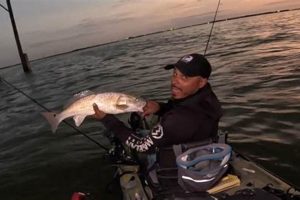
The fundamental equipment and knowledge required for a safe and productive angling experience from a kayak combine specialized gear and practical skills. For example, a stable fishing kayak, a well-chosen paddle, and appropriate personal flotation devices are foundational elements. Beyond these basics, specialized equipment like rod holders, fish finders, and anchors, paired with skills like kayak control and knot tying, become increasingly important for success and enjoyment on the water.
Effective angling from a kayak offers numerous advantages. Its compact size grants access to shallow, secluded waters often unreachable by larger boats, resulting in opportunities to target specific fish species in their preferred habitats. This mobile and adaptable approach to fishing allows anglers to cover a wider range of water quickly, increasing the chance of a successful catch. Furthermore, the quiet nature of kayaks minimizes disturbance to the aquatic environment, potentially enhancing fishing prospects. The practice has evolved from traditional fishing methods, leveraging modern materials and technology to refine the equipment and techniques used for a more streamlined and enjoyable experience.
This exploration will delve further into specific equipment categories, safety considerations, and recommended techniques to provide a comprehensive guide to outfitting and preparing for successful kayak fishing excursions. Topics covered will include choosing the right kayak, essential safety gear, effective fishing tackle and techniques, and tips for navigating different water conditions.
Essential Kayak Fishing Tips
Preparation and thoughtful equipment selection are crucial for a successful and enjoyable kayak fishing experience. The following tips offer guidance on optimizing gear and techniques.
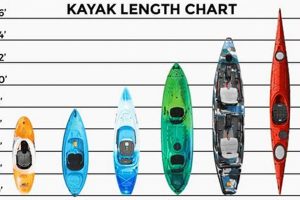
Tip 1: Prioritize Stability and Capacity: Kayak selection should balance stability with capacity. Wider, flatter hulls offer greater stability, especially for beginners, while longer kayaks track better and accommodate more gear. Consider the anticipated water conditions and the amount of equipment carried.
Tip 2: Equip with Essential Safety Gear: A personal flotation device (PFD) is non-negotiable. A whistle, signaling mirror, and a waterproof communication device are also vital for safety. Inform someone of the fishing plan, including location and expected return time.
Tip 3: Organize and Secure Gear: Utilize rod holders, tackle boxes, and dry bags to keep equipment organized and within easy reach. Secure all gear to the kayak using appropriate straps or leashes to prevent loss in case of capsize.
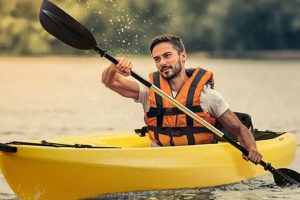
Tip 4: Choose Appropriate Paddles and Seating: Select a paddle appropriate for kayak width and personal height. A comfortable and adjustable seat is essential for longer trips. Proper posture and paddling technique minimize fatigue and maximize efficiency.
Tip 5: Master Basic Kayak Control: Practice fundamental paddling strokes and maneuvering techniques in calm water before venturing into more challenging conditions. Learn how to recover from a capsize and re-enter the kayak safely.
Tip 6: Utilize Anchoring and Drifting Techniques: Employ appropriate anchoring techniques for stationary fishing. Understand how wind and current affect kayak positioning, and leverage drifting techniques to cover more water effectively.
Tip 7: Respect Wildlife and the Environment: Adhere to local fishing regulations and practice catch-and-release whenever appropriate. Minimize disturbance to wildlife and pack out all trash, leaving the environment as pristine as it was found.
By adhering to these tips, anglers can enhance their safety, improve their fishing success, and ensure an enjoyable experience on the water. Proper preparation and a focus on essential equipment contribute significantly to a fulfilling kayak fishing adventure.
The following section will summarize key takeaways and offer concluding remarks on the benefits and rewards of pursuing this unique and engaging angling experience. It will highlight the blend of skill, strategy, and connection with nature that defines successful kayak fishing.
1. Stable Kayak

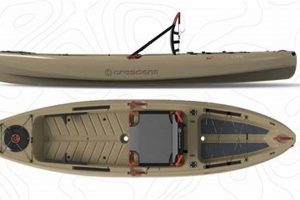
A stable kayak forms the foundation of a successful kayak fishing excursion, representing a crucial component within the broader context of kayak fishing essentials. Stability directly impacts an angler’s ability to cast, fight fish, and manage equipment effectively, influencing both safety and fishing success.
- Hull Design and Stability:
Kayak hull design significantly influences stability. Wider, flatter hulls generally provide greater initial stability, making them suitable for calmer waters and beginners. However, they can be slower and less maneuverable. Conversely, narrower, V-shaped hulls offer better tracking and speed but are less stable initially. Pontoon hulls, with their added buoyancy, offer exceptional stability, allowing for stand-up fishing but sacrifice maneuverability. Understanding hull characteristics is crucial for selecting a kayak appropriate for individual needs and fishing environments.
- Impact on Casting and Retrieving:
A stable platform is essential for accurate casting and efficient retrieval. Unwanted kayak movement can disrupt casting accuracy and compromise line management during a fight with a fish. Enhanced stability allows anglers to focus on fishing technique rather than constantly correcting balance, increasing the likelihood of successful hooksets and landing fish.
- Safety and Gear Management:
Kayak stability is paramount for angler safety, particularly when handling equipment or landing fish. A stable kayak minimizes the risk of capsizing, especially in challenging conditions or when dealing with active fish. It also provides a secure platform for managing rods, reels, tackle boxes, and other equipment, reducing the risk of losing gear overboard.
- Adaptability to Water Conditions:
Different water conditions demand varying levels of stability. Calm lakes and slow-moving rivers require less stability than open ocean or fast-flowing water. Choosing a kayak with appropriate stability characteristics for the intended fishing environment is crucial for safety and a positive angling experience.
Ultimately, kayak stability significantly influences the overall kayak fishing experience. Selecting a kayak that provides adequate stability for the angler’s skill level and intended fishing environment is essential for optimizing safety, maximizing fishing success, and fostering enjoyment on the water. This fundamental element within kayak fishing essentials enables anglers to focus on the sport, enhancing both performance and the connection with nature.
2. Personal Flotation Device (PFD)

A personal flotation device (PFD), synonymous with a life jacket, is a non-negotiable component of kayak fishing essentials. Its primary functionbuoyancydirectly addresses the inherent risks of water-based activities. Cause and effect are straightforward: PFD use significantly increases the probability of survival in capsize or immersion incidents. The importance of a PFD as a component of kayak fishing essentials stems from the potential for unexpected events, from sudden changes in weather conditions to accidental overturns. Real-life examples abound, highlighting instances where PFDs have proven instrumental in saving lives during kayaking mishaps. Practical significance lies in understanding that a PFD is not merely an accessory but a critical piece of safety equipment that should be worn consistently throughout any kayak fishing trip.
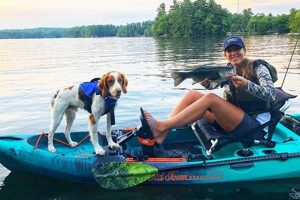
Further emphasizing its importance, a PFD allows anglers to focus on fishing rather than constantly worrying about potential immersion. It provides a sense of security, allowing for a more relaxed and enjoyable experience. While inherent buoyancy is the primary benefit, modern PFDs offer additional features like pockets for small tools and accessories, further integrating them into the kayak fishing system. Selecting the correct PFD involves considering factors such as fit, comfort, and intended use. A properly fitted PFD should allow for a full range of motion while paddling and casting, without hindering movement or causing discomfort. Specialized fishing PFDs often incorporate features like high-back designs for compatibility with kayak seats and multiple pockets for tackle and tools.
In summary, the connection between a PFD and kayak fishing essentials is inextricably linked to angler safety. Challenges associated with PFD use, often related to comfort or perceived inconvenience, are far outweighed by the potentially life-saving benefits they offer. Integrating PFD use into standard kayak fishing practice should be viewed not as an optional precaution but as a fundamental requirement, ensuring a safer and more responsible approach to enjoying this popular watersport. This proactive approach to safety underscores the responsible and informed practice of kayak fishing, reinforcing its place as a core element of kayak fishing essentials.
3. Appropriate Paddle

An appropriate paddle is a crucial element within kayak fishing essentials. Paddle selection significantly impacts paddling efficiency, maneuverability, and overall comfort, directly influencing both fishing success and enjoyment on the water. An ill-suited paddle can lead to fatigue, reduced boat control, and a less enjoyable fishing experience. Conversely, a well-chosen paddle enhances performance and contributes to a more positive and productive outing.
- Paddle Length and Kayak Width:
Paddle length is determined by factors including kayak width, angler torso height, and paddling style. A longer paddle is generally required for wider kayaks. Using a paddle that is too short or too long results in inefficient paddling strokes and increased fatigue. Proper paddle length ensures optimal power transfer and reduces strain on joints and muscles.
- Blade Shape and Paddling Style:
Paddle blade shape influences paddling efficiency and performance. High-angle blades are suited for short, powerful strokes, while low-angle blades are better for longer, more relaxed paddling. Blade shape choice depends on individual paddling style, intended use, and water conditions. Asymmetrical blades are designed to reduce flutter and provide a smoother, more efficient stroke.
- Paddle Material and Weight:
Paddle materials range from lightweight carbon fiber to more affordable aluminum or plastic. Lighter paddles reduce fatigue, particularly during long paddling sessions. Material choice involves balancing weight, durability, and cost. While carbon fiber offers the lightest option, it comes at a premium price. Aluminum and plastic paddles are heavier but more budget-friendly.
- Feathering and Grip Style:
Paddle feathering refers to the angle between the blades. Feathered blades can reduce wind resistance but require more wrist rotation. Grip style also influences comfort and control. Ergonomic grips can reduce hand fatigue and improve grip security. Paddle feathering and grip style are personal preferences and should be chosen based on individual comfort and paddling style.
The appropriate paddle is integral to kayak fishing essentials, significantly impacting performance, comfort, and overall enjoyment. Careful consideration of paddle length, blade shape, material, feathering, and grip style ensures optimal efficiency and contributes to a more successful and rewarding kayak fishing experience. Choosing the right paddle complements other essential gear and techniques, enhancing overall angling effectiveness and enjoyment on the water.
4. Essential Fishing Gear
Essential fishing gear forms a critical subset of kayak fishing essentials. While a stable kayak and safety equipment provide the foundation for a successful outing, specialized fishing gear enables effective angling from a kayak platform. Understanding the nuances of essential fishing gear in the context of kayak fishing enhances angling success and contributes to a more rewarding experience. This exploration delves into key facets of essential fishing gear, highlighting their relevance and practical application in kayak fishing scenarios.
- Rods and Reels:
Rod and reel selection depends on target species and fishing techniques. Shorter rods, typically between 6 and 7 feet, are often preferred in kayaks for easier maneuverability in the confined space. Spinning reels are versatile and well-suited for a variety of techniques, while baitcasting reels offer greater precision and control for experienced anglers. Selecting appropriate rod and reel combinations tailored to specific fishing styles optimizes performance and enhances the kayak fishing experience. For instance, a shorter, lighter rod paired with a spinning reel is ideal for targeting panfish, while a longer, heavier rod and baitcasting reel are better suited for larger game fish.
- Fishing Line and Terminal Tackle:
Line choice depends on target species and fishing environment. Braided line offers high sensitivity and strength, ideal for detecting subtle bites and handling larger fish in heavy cover. Fluorocarbon line is virtually invisible underwater, making it a good choice for clear water situations. Terminal tackle, including hooks, weights, and swivels, should be selected based on target species and fishing techniques. For example, lighter lines and smaller hooks are suitable for smaller fish, while heavier lines and larger hooks are necessary for larger species. Using appropriate line and terminal tackle maximizes chances of success and ensures a smooth and efficient fishing experience.
- Tackle Storage and Organization:
Efficient tackle storage is crucial in a kayak’s limited space. Tackle boxes, trays, and bags designed for kayak fishing keep lures, hooks, and other essential gear organized and easily accessible. Dry bags protect sensitive electronics and other items from water damage. Effective organization minimizes clutter and allows anglers to quickly locate and deploy necessary gear, enhancing fishing efficiency and reducing wasted time searching for equipment.
- Fish Finders and Electronics:
Fish finders and GPS units provide valuable information about water depth, fish location, and navigation. Compact, portable units designed for kayak use are readily available. These tools enhance fishing effectiveness by helping anglers locate fish and navigate to productive areas. Understanding how to use these electronics effectively significantly increases the chance of a successful catch. For example, a fish finder can identify underwater structures and schools of baitfish, guiding anglers to prime fishing locations.
These facets of essential fishing gear demonstrate the specialized nature of kayak angling equipment. Each component plays a crucial role in optimizing fishing success from a kayak platform. By carefully selecting and utilizing appropriate fishing gear, anglers can maximize their chances of landing fish while enhancing their overall kayak fishing experience. The interplay between these elements reinforces the importance of considering essential fishing gear as an integral part of kayak fishing essentials, highlighting the connection between specialized equipment and a rewarding angling adventure.
5. Safety Equipment

Safety equipment is an integral component of kayak fishing essentials. Prioritizing safety enhances not only well-being but also the overall fishing experience. A comprehensive approach to safety allows anglers to focus on the sport, minimizing potential risks and promoting a more enjoyable and responsible outing. This exploration examines key facets of safety equipment, emphasizing their critical role in kayak fishing.
- Personal Flotation Device (PFD):
A PFD is non-negotiable. It provides essential buoyancy in case of capsize, significantly increasing the chance of survival. Choosing a comfortable, well-fitting PFD designed for kayaking or fishing enhances both safety and comfort. Statistics consistently demonstrate the effectiveness of PFDs in preventing drowning incidents. Neglecting this fundamental piece of safety equipment jeopardizes angler safety and undermines the principles of responsible kayak fishing.
- Signaling Devices:
Whistles, air horns, and signaling mirrors are crucial for attracting attention in emergencies. These devices enable communication over long distances, facilitating rescue efforts. Documented cases highlight instances where signaling devices have played a pivotal role in locating and assisting distressed kayakers. Carrying and understanding the proper use of signaling devices demonstrates preparedness and responsible angling practice.
- Communication Devices:
Waterproof VHF radios or mobile phones in waterproof cases provide a direct link to emergency services. These devices enable communication in situations where visual or auditory signals may be insufficient. Real-life scenarios underscore the importance of communication devices in coordinating rescue operations and relaying critical information. Including a reliable communication device in kayak fishing essentials reinforces a proactive approach to safety.
- First-Aid Kit and Emergency Supplies:
A well-stocked first-aid kit addresses minor injuries and provides essential supplies in emergency situations. Items such as bandages, antiseptic wipes, pain relievers, and sunscreen are crucial for managing common ailments and injuries. Including a first-aid kit demonstrates preparedness and responsibility, contributing to a safer and more self-sufficient angling experience.
These interconnected elements of safety equipment form a critical aspect of kayak fishing essentials. Each component contributes to a comprehensive safety strategy, minimizing potential risks and enhancing overall angling experience. By prioritizing safety, anglers demonstrate a responsible approach to the sport, enabling a more focused and enjoyable time on the water. This emphasis on safety reinforces the importance of preparation and underscores the interconnectedness of safety equipment within the broader context of kayak fishing essentials.

Navigation tools constitute a critical component of kayak fishing essentials. Their function extends beyond mere location identification; they contribute significantly to safety, efficient fishing practice, and overall enjoyment on the water. Cause and effect are clear: inadequate navigation can lead to disorientation, missed fishing opportunities, and potentially hazardous situations, especially in unfamiliar waters or changing weather conditions. The importance of navigation tools as a component of kayak fishing essentials stems from the dynamic nature of aquatic environments, where currents, tides, and weather patterns can shift rapidly. Real-life examples abound, highlighting instances where anglers have become stranded or lost due to inadequate navigation, underscoring the practical significance of incorporating these tools into every kayak fishing excursion. A foundational understanding of navigational principles empowers anglers to make informed decisions, enhancing both safety and the overall fishing experience.
Practical applications of navigation tools within kayak fishing are diverse. Charts, whether physical or digital, provide crucial information about water depths, potential hazards, and the location of promising fishing areas. GPS devices offer precise location data, facilitating accurate navigation to specific coordinates, marking productive fishing spots, and ensuring a safe return. Compasses provide a reliable directional reference, especially in conditions of limited visibility. Furthermore, understanding how to interpret and utilize these tools in conjunction with natural indicators like landmarks and prevailing winds enhances navigational proficiency. For instance, marking GPS coordinates of a productive reef or utilizing a compass to maintain a consistent trolling path significantly improves fishing efficiency. Knowledge of tidal flows and current patterns, often gleaned from charts, enables anglers to position themselves strategically, maximizing their chances of encountering target species.
In summary, navigation tools are indispensable within the context of kayak fishing essentials. Challenges associated with their use, such as learning to interpret charts or mastering GPS functionality, are easily overcome through practice and readily available resources. Integrating navigation tools into standard kayak fishing practice should be viewed not as an optional extra but as a fundamental requirement, ensuring a safer, more efficient, and ultimately more rewarding angling experience. This proactive approach to navigation underscores the responsible and informed practice of kayak fishing, reinforcing its place as a core element of kayak fishing essentials.
Frequently Asked Questions about Kayak Fishing Essentials
This FAQ section addresses common queries regarding essential gear and practices for kayak fishing. Clear and concise answers provide practical guidance for both novice and experienced anglers.
Question 1: What type of kayak is best suited for fishing?
While various kayaks can be adapted for fishing, purpose-built fishing kayaks offer distinct advantages. These kayaks typically feature enhanced stability, specialized storage options for rods and tackle, and often include features like rod holders and anchor trolleys. Sit-on-top kayaks are generally preferred for their stability and self-bailing capabilities.
Question 2: What is the most important piece of safety equipment?
A properly fitted personal flotation device (PFD) is unequivocally the most important piece of safety equipment. It should be worn at all times while on the water, regardless of perceived swimming ability or water conditions. A PFD significantly increases the chance of survival in a capsize or immersion incident.
Question 3: What essential gear should be included in a kayak fishing kit?
Essential gear includes a paddle, PFD, appropriate fishing rods and reels, tackle suited to target species, a first-aid kit, signaling devices (whistle, mirror), and navigation tools (chart, GPS, compass). Additional items might include an anchor, drift chute, and appropriate clothing for weather conditions.
Question 4: How can gear be effectively organized in a kayak’s limited space?
Utilizing specialized kayak fishing crates, tackle boxes, and dry bags maximizes storage efficiency. Rod holders and leash systems secure equipment and prevent loss. Strategic placement of gear within easy reach promotes efficient workflow and minimizes clutter.
Question 5: What are the key considerations for choosing a fishing paddle?
Paddle length should be appropriate for kayak width and angler height. Blade shape influences paddling style and efficiency. Lightweight materials reduce fatigue during long paddling sessions. Feathering and grip style are chosen based on individual preference and comfort.
Question 6: How can one plan for different water and weather conditions?
Checking weather forecasts before embarking on a fishing trip is paramount. Dressing in layers allows for adaptation to changing temperatures. Carrying appropriate safety gear, including communication devices and signaling devices, prepares anglers for unexpected situations. Understanding water conditions, such as currents and tides, is essential for safe and effective navigation.
Careful consideration of these frequently asked questions enhances angler preparedness and contributes to a safer and more enjoyable kayak fishing experience. Understanding essential gear and practices is fundamental to responsible and successful angling.
The subsequent section will offer concluding remarks on the value and rewards of kayak fishing, emphasizing the unique blend of skill, strategy, and connection with nature that defines this engaging pursuit.
Kayak Fishing Essentials
Kayak fishing essentials encompass a carefully curated selection of equipment and knowledge designed to facilitate a safe, efficient, and rewarding angling experience. This exploration has highlighted the critical role of a stable kayak platform, the paramount importance of personal flotation devices, the influence of appropriate paddle selection, and the specialized nature of essential fishing gear. Furthermore, the vital contribution of safety equipment, encompassing signaling and communication devices, and the indispensable function of navigation tools have been underscored. Each element within this framework of kayak fishing essentials contributes synergistically to a holistic approach, enhancing both angling success and overall safety on the water.
Mastery of kayak fishing essentials empowers anglers to engage with the sport on a deeper level. This pursuit fosters a unique blend of skill, strategy, and intimate connection with the natural world. As kayak fishing continues to evolve, ongoing exploration of refined techniques and innovative equipment promises to further enhance this dynamic and rewarding pursuit. Preparation, informed decision-making, and a steadfast commitment to safety remain paramount for unlocking the full potential of kayak fishing and ensuring its enduring appeal for generations to come.