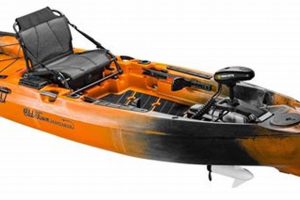
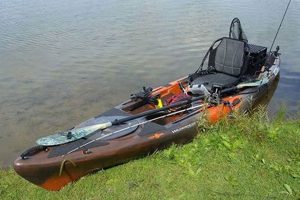
Compact vessels designed for angling typically measure approximately two and a half meters in length. These shorter watercraft are characterized by their portability and maneuverability, making them well-suited for smaller bodies of water like ponds, lakes, and slow-moving streams. They often feature specialized design elements like rod holders, storage compartments, and even live wells, catering specifically to the needs of anglers.
The reduced length of these boats offers several advantages. Their lighter weight simplifies transport and launching, often eliminating the need for trailers. This portability opens up access to fishing spots that might be inaccessible to larger vessels. Furthermore, the shorter design enhances maneuverability in tight spaces, allowing anglers to navigate shallows and complex waterways with ease. Historically, smaller fishing craft have played a vital role in subsistence fishing and recreational angling, evolving alongside advancements in materials and design to become the specialized vessels available today.
This discussion will further explore various aspects related to these compact fishing platforms, including popular models, essential accessories, paddling techniques, and safety considerations. Subsequent sections will delve into specific topics such as choosing the right paddle, understanding stability factors, and maximizing storage capacity.
Tips for Utilizing Compact Fishing Kayaks
Effective use of shorter fishing kayaks requires attention to specific techniques and considerations. These tips aim to enhance safety and improve the overall fishing experience.
Tip 1: Prioritize Stability: Due to reduced length, maintaining balance is paramount. Weight distribution should be carefully managed, keeping heavier items centered and low. Avoid sudden movements and practice entering and exiting the vessel in calm, shallow water.
Tip 2: Choose the Right Paddle: Paddle length is crucial for efficient paddling. A paddle that is too long or too short can lead to fatigue and reduced performance. Consult retailer recommendations based on individual height and kayak width.
Tip 3: Master Basic Paddling Strokes: Learning fundamental paddling techniques like the forward stroke, reverse stroke, and sweep stroke allows for greater control and maneuverability.
Tip 4: Plan Fishing Locations Carefully: Compact kayaks are best suited for smaller, calmer bodies of water. Avoid strong currents, open water, and areas with significant boat traffic.
Tip 5: Utilize Anchor Systems Effectively: Anchoring allows anglers to maintain position in desired fishing spots. Deploy and retrieve anchors smoothly and ensure the anchor line is appropriate for the water depth.
Tip 6: Maximize Storage Space: Limited storage requires careful organization. Utilize dry bags, tackle boxes, and other storage solutions to keep gear secure and easily accessible.
Tip 7: Prioritize Safety Equipment: Always wear a personal flotation device (PFD). Carry a whistle, signaling device, and first-aid kit. Inform someone of fishing plans, including location and estimated return time.
By adhering to these guidelines, individuals can enhance safety and improve the overall fishing experience. Careful planning and execution are essential for maximizing the advantages offered by these specialized vessels.
The following section will conclude this discussion by summarizing key takeaways and offering additional resources for further exploration of compact fishing kayaks.
1. Length

The defining characteristic of kayaks designed for fishing in the approximate 2.4-meter range is their compact nature. This abbreviated length directly influences portability, a key advantage for anglers seeking access to diverse waterways. Reduced length translates to lighter weight, simplifying transportation and launching. This often eliminates the need for trailers and specialized rooftop racks, enabling transport with smaller vehicles or even manual carrying over short distances. The practical implication is expanded access to remote fishing locations, including smaller ponds, creeks, and protected coves inaccessible to larger vessels. For example, carrying a lightweight kayak across a portage between two lakes becomes a viable option, significantly expanding fishing territory.
This inherent portability extends beyond transport to the water itself. Maneuverability within confined spaces, such as shallows, narrow streams, or areas dense with vegetation, benefits significantly from the shorter hull design. A shorter kayak allows for quicker turns and more precise navigation, enabling anglers to exploit hard-to-reach fishing spots effectively. Consider navigating a tight creek bend choked with fallen branches: a compact vessel possesses the agility to weave through such obstacles, whereas a longer kayak might prove cumbersome or even impossible to maneuver. This agility translates directly to increased fishing opportunities.
In summary, the compact length of these specialized fishing kayaks directly correlates with enhanced portability and maneuverability. This translates to practical advantages for anglers, including simplified transport, expanded access to fishing locations, and increased agility within confined waterways. While considerations regarding storage capacity and stability remain relevant, the portability factor often proves decisive for anglers prioritizing access and maneuverability in their pursuit of diverse fishing experiences. Understanding this core principle facilitates informed decision-making when selecting fishing kayaks tailored to specific needs and fishing environments.
2. Stability
The relationship between maneuverability and stability in kayaks measuring approximately 2.4 meters presents a critical consideration for anglers. While the shorter length contributes significantly to agile maneuvering in tight spaces, it inherently impacts stability. The reduced hull length provides a smaller platform for weight distribution, making these kayaks more susceptible to tipping, particularly for individuals unfamiliar with kayak handling. The shorter design also reduces the kayak’s resistance to rolling motion. Consider the physics involved: a narrower base of support requires more precise balance. A quick shift in weight, an unexpected wave, or even a vigorous casting motion can destabilize a shorter kayak more readily than a longer one. This inherent trade-off between maneuverability and stability requires careful consideration when selecting a fishing kayak.
This “tippy” characteristic necessitates a heightened awareness of balance and weight distribution. Anglers must adopt a centered posture and avoid sudden movements. Proper gear placement plays a crucial role; heavier items should be positioned low and centrally to minimize the impact on balance. Experience significantly influences stability; novice kayakers should prioritize practice in calm, shallow water before venturing into more challenging environments. Consider a scenario where an angler hooks a large fish: the sudden pull and subsequent struggle can easily destabilize a short kayak if the angler is not prepared to counterbalance the force. Understanding and adapting to this inherent instability is fundamental to safe and successful fishing from compact vessels.
In summary, while the maneuverability afforded by shorter kayaks offers distinct advantages in navigating confined waterways, the inherent trade-off regarding stability requires careful consideration. Anglers must prioritize balance, weight distribution, and appropriate fishing techniques to mitigate the risk of tipping. Proper preparation and practice are essential for safely and effectively utilizing the maneuverability of compact fishing kayaks while mitigating the inherent instability associated with their shorter length. This understanding underscores the importance of selecting a kayak appropriate for individual skill levels and intended fishing environments.
3. Capacity

Weight capacity represents a critical constraint inherent in kayaks designed for fishing at approximately 2.4 meters in length. Understanding this limitation is crucial for safe and effective operation. Exceeding the specified weight limit compromises stability, increases the risk of capsizing, and can even damage the kayak’s structure. This section explores the multifaceted implications of weight limitations in these compact fishing vessels.
- Angler Weight:
Individual angler weight contributes significantly to the overall load. Heavier anglers may find their options limited to kayaks with higher weight capacities. Calculating available capacity requires subtracting angler weight from the maximum load. For example, a kayak with a 250-pound capacity leaves only 100 pounds available for gear and equipment if the angler weighs 150 pounds. This highlights the importance of selecting a kayak with ample capacity to accommodate both the angler and essential gear.
- Gear and Equipment:
Fishing gear, including rods, reels, tackle boxes, and other accessories, adds considerable weight. Realistically assessing the weight of necessary equipment is essential for accurate capacity calculations. Consider the combined weight of multiple rods and reels, a tackle box filled with lures, a cooler with food and drinks, and additional items like a fish finder or anchor. These items can quickly accumulate, potentially exceeding the kayak’s capacity if not carefully managed.
- Catch Weight:
The weight of landed fish, while often overlooked, contributes to the total load. Successfully landing a large fish can significantly impact stability, particularly in a compact kayak with limited capacity. Consider the scenario of landing a 20-pound fish in a kayak already near its weight limit. The added weight and potential shifting of the fish could easily compromise stability, highlighting the importance of considering potential catch weight when evaluating capacity.
- Impact on Performance:
Operating a kayak near its maximum weight capacity impacts performance. Maneuverability decreases, paddling efficiency suffers, and the kayak sits lower in the water, increasing drag and susceptibility to swamping. Overloading a compact kayak can significantly diminish its performance, making paddling more strenuous and potentially impacting safety.
Careful consideration of these weight limitations is essential for selecting and safely operating compact fishing kayaks. Accurately assessing angler weight, gear weight, and potential catch weight ensures the vessel operates within safe parameters. Understanding the impact of weight on performance allows anglers to make informed decisions about gear selection and fishing locations, optimizing both safety and the overall fishing experience.
4. Performance

Performance characteristics of kayaks approximately 2.4 meters long correlate directly with their suitability for calm water conditions. Hull design, length, and maneuverability influence performance in various aquatic environments. This section examines the relationship between these compact vessels and their optimal operating conditions, providing insights into their limitations and advantages.
- Tracking and Speed:
Shorter kayaks generally exhibit less efficient tracking compared to longer vessels. The shorter hull length reduces directional stability, requiring more frequent corrective strokes to maintain a straight course. This impacts overall speed and efficiency over longer distances. In calm conditions, this reduced tracking is less problematic, but in windy or choppy conditions, maintaining course becomes significantly more challenging. Imagine paddling against a moderate headwind: a shorter kayak will require considerably more effort to stay on course compared to a longer, more stable vessel.
- Wind and Current Susceptibility:
Compact kayaks are more susceptible to wind and current influences. The smaller surface area presented to these forces results in greater deviation from the intended course. Strong winds or currents can easily push a shorter kayak off course, requiring significant effort to counteract. Consider paddling across a river with a noticeable current: a compact kayak will be pushed downstream more readily than a longer kayak, requiring angled paddling to compensate. This susceptibility necessitates careful planning and route selection in areas with prevailing winds or currents.
- Wave Handling:
Shorter kayaks handle waves and chop differently than longer kayaks. The shorter length makes them more prone to pitching and yawing, potentially leading to instability or even capsizing in rough conditions. Compact kayaks are best suited for calm lakes, ponds, and slow-moving rivers. Venturing into open water or areas with significant wave action increases the risk of instability and should be avoided. Imagine encountering unexpected choppy conditions: a longer kayak would likely ride over the waves more smoothly, while a shorter kayak might pitch and roll, requiring greater skill and balance to maintain control.
- Maneuverability in Confined Spaces:
While performance suffers in challenging conditions, compact kayaks excel in confined spaces. Their shorter length allows for tight turns and precise maneuvering in shallows, narrow creeks, and areas with obstacles. This maneuverability proves advantageous for accessing secluded fishing spots or navigating complex waterways inaccessible to larger vessels. Consider fishing in a densely vegetated marsh: a shorter kayak can navigate narrow channels and tight turns effectively, providing access to prime fishing areas that larger boats cannot reach.
Therefore, understanding the performance characteristics of compact fishing kayaks is crucial for safe and effective operation. While their maneuverability excels in calm, confined waters, their susceptibility to wind, currents, and waves limits their suitability for open water or challenging conditions. Anglers must carefully consider these factors when selecting fishing locations and operating conditions to maximize safety and optimize the fishing experience. This careful consideration ensures that the kayak’s performance aligns with the intended environment, ultimately contributing to a more successful and enjoyable fishing experience.
5. Features

Integrated features, such as rod holders and storage compartments, directly influence the functionality and practicality of kayaks designed for fishing in the approximate 2.4-meter range. These features are essential components, not mere add-ons, specifically engineered to enhance the angling experience. Analysis of these features reveals a direct correlation between their presence and the overall effectiveness of compact fishing kayaks.
Rod holders, strategically positioned throughout the kayak, offer secure storage for fishing rods during paddling, allowing hands-free navigation and maneuverability. This feature proves invaluable when navigating tight spaces, changing lures, or landing fish. Imagine navigating a narrow channel choked with vegetation: secured rods prevent entanglement and potential breakage. Furthermore, multiple rod holders enable anglers to carry various rod and reel combinations, catering to different fishing techniques and target species. This adaptability enhances versatility and increases the likelihood of a successful fishing trip.
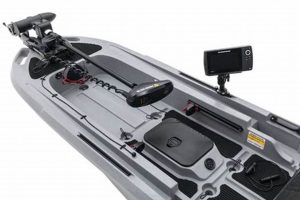
Storage compartments, ranging from small sealed hatches to larger open-top wells, provide designated spaces for tackle boxes, gear, and personal items. Efficient storage solutions maximize available space within the compact confines of the kayak, maintaining a clutter-free and organized fishing environment. Dry storage compartments protect sensitive items like electronics and wallets from water damage, preserving their functionality and extending their lifespan. Consider the practical application: storing extra fishing line, hooks, and lures in a readily accessible dry compartment streamlines the process of changing rigs, maximizing fishing time and efficiency.
In summary, rod holders and storage solutions play a vital role in the overall functionality and effectiveness of fishing kayaks designed within the approximate 2.4-meter length range. These features, purpose-built for angling, enhance organization, improve safety, and optimize fishing efficiency. Understanding the practical significance of these features facilitates informed decision-making when selecting a compact fishing kayak tailored to individual needs and fishing styles. The integration of specialized features transforms a basic vessel into a dedicated fishing platform, maximizing the angler’s potential for success and enjoyment on the water.
6. Materials

Durable plastic construction dominates the manufacturing of kayaks designed for fishing at approximately 2.4 meters in length. This material choice directly correlates with the intended use and desired attributes of these compact vessels, including affordability, durability, and ease of maintenance. Understanding the properties and practical implications of this material selection provides valuable insights for prospective kayak owners.
High-density polyethylene (HDPE) emerges as the prevalent plastic employed in kayak construction. HDPE offers a compelling combination of impact resistance, UV resistance, and affordability. Its resilience to impacts safeguards against damage from rocks, submerged debris, and accidental collisions. This durability proves particularly advantageous in shallow water environments or when navigating tight spaces, common scenarios encountered by anglers utilizing compact kayaks. Furthermore, HDPE’s inherent buoyancy contributes to the kayak’s overall floatation, a crucial safety factor. Consider the scenario of grounding on a rocky riverbed: HDPE’s impact resistance minimizes potential damage, ensuring the kayak remains functional and watertight. This inherent durability directly translates to extended lifespan and reduced maintenance requirements.
While HDPE offers significant advantages, certain limitations warrant consideration. Prolonged exposure to intense sunlight can eventually degrade the plastic, leading to discoloration and reduced structural integrity. Proper storage and maintenance practices, such as rinsing after use and storing in a shaded area, mitigate these effects. Furthermore, HDPE’s relatively soft surface is susceptible to scratches and abrasions, though these typically remain cosmetic and rarely compromise structural integrity. Consider the practical implications: transporting a kayak on a rooftop rack without adequate padding can lead to scratches. While not structurally detrimental, these superficial blemishes can detract from the kayak’s aesthetic appeal. This understanding underscores the importance of proper handling and storage practices to maintain the kayak’s appearance and prolong its functional lifespan. Ultimately, the selection of durable plastic as the primary construction material reflects a balance between performance, affordability, and practicality, making it a suitable choice for compact fishing kayaks intended for diverse aquatic environments.
Frequently Asked Questions
This section addresses common inquiries regarding kayaks designed for fishing at approximately 2.4 meters in length. Clear and concise responses aim to provide practical information for informed decision-making.
Question 1: What are the advantages of using a compact fishing kayak?
Primary advantages include enhanced portability and maneuverability. These kayaks are easier to transport and launch, providing access to smaller waterways often inaccessible to larger vessels. Their shorter length allows for agile maneuvering in tight spaces, such as shallows, narrow creeks, and areas with dense vegetation.
Question 2: Are these kayaks suitable for beginners?
While maneuverable, shorter kayaks can be less stable than longer models. Beginners should prioritize practice in calm, shallow water before venturing into more challenging conditions. Proper weight distribution and a centered posture are essential for maintaining balance.
Question 3: What type of fishing is best suited for these kayaks?
These kayaks excel in calm water environments such as ponds, lakes, and slow-moving rivers. They are well-suited for various fishing techniques, including casting, trolling, and still fishing. Their maneuverability proves advantageous for accessing secluded fishing spots often unreachable by larger boats.
Question 4: What essential safety precautions should one take when using these kayaks?
Wearing a personal flotation device (PFD) is paramount. Informing someone of fishing plans, including location and estimated return time, is crucial. Carrying a whistle, signaling device, and first-aid kit enhances safety preparedness. Checking weather conditions before embarking on a fishing trip is essential.
Question 5: How much weight can these kayaks typically carry?
Weight capacity varies depending on the specific model and manufacturer. It’s crucial to adhere to the manufacturer’s specified weight limit to ensure safe and stable operation. Calculating available capacity requires considering angler weight, gear weight, and potential catch weight. Overloading compromises stability and performance.
Question 6: What are the maintenance requirements for these kayaks?
Durable plastic construction minimizes maintenance requirements. Rinsing the kayak with fresh water after each use removes dirt, salt, and other contaminants, prolonging its lifespan. Storing the kayak in a shaded area protects it from prolonged UV exposure, preventing discoloration and material degradation.
Understanding these key aspects facilitates informed decision-making and contributes to a safe and enjoyable fishing experience. Careful consideration of individual needs, fishing style, and intended fishing environments ensures appropriate kayak selection and optimal utilization.
The following section offers a concluding summary and additional resources for continued exploration of compact fishing kayaks and related topics.
Eight-Foot Fishing Kayaks
Compact fishing kayaks, approximately eight feet in length, offer distinct advantages for anglers seeking portability and maneuverability. Their reduced length facilitates transport and launch, granting access to smaller, secluded waterways often inaccessible to larger vessels. This portability, coupled with enhanced maneuverability in tight spaces, expands fishing opportunities. However, inherent limitations exist. Shorter kayaks exhibit reduced stability, requiring careful weight distribution and balance awareness. Weight capacity restrictions necessitate careful gear selection and consideration of potential catch weight. Performance limitations in challenging conditions, such as wind, currents, and waves, restrict their suitability to calmer waters. Despite these limitations, purpose-built features like rod holders and storage compartments enhance functionality, transforming these compact vessels into dedicated fishing platforms. Durable plastic construction ensures resilience and minimizes maintenance requirements. Understanding these core attributesportability, maneuverability, stability considerations, capacity limitations, and performance characteristicsempowers informed decision-making.
Careful consideration of individual angling needs, fishing style, and intended fishing environment remains paramount. Selecting an appropriately sized and equipped kayak ensures safety, maximizes performance, and ultimately contributes to a more rewarding fishing experience. Continued exploration of available models, features, and safety practices further enhances understanding and promotes responsible enjoyment of these specialized vessels. The future of compact fishing kayaks likely involves continued advancements in materials, design, and integrated technologies, further refining their capabilities and expanding their appeal to a wider range of anglers. This evolution promises to further enhance the accessibility and enjoyment of diverse fishing experiences.