A compilation of essential equipment tailored for angling from a kayak typically includes items like rods, reels, lines, lures, personal flotation devices, and safety equipment. Such a compilation may be organized by necessity, budget, or target species. For instance, a saltwater angler might prioritize corrosion-resistant gear, while a freshwater angler focusing on bass might select specific bass lures and lighter tackle.
Organized preparation is crucial for a successful and safe kayak fishing experience. Having the necessary equipment readily available and understanding its use enhances efficiency on the water and maximizes fishing time. Furthermore, a well-planned equipment list contributes significantly to angler safety. Items like a personal flotation device, a whistle, and a first-aid kit are vital safety precautions. The practice of carefully curating essential gear predates modern kayak fishing, reflecting the longstanding importance of preparedness in angling traditions.
This article will delve into the specific categories of equipment needed for various kayak fishing scenarios, offering detailed recommendations and explanations to help anglers create their own customized lists.
Essential Kayak Fishing Gear Tips
Careful consideration of individual needs and fishing conditions is crucial when compiling a kayak fishing gear list. These tips offer guidance for creating a comprehensive and effective inventory.
Tip 1: Prioritize Safety. A personal flotation device (PFD) is non-negotiable. Other safety essentials include a whistle, visual distress signals, and a first-aid kit. These items contribute significantly to on-the-water safety.
Tip 2: Select Appropriate Rods and Reels. Rod and reel choices depend on target species and fishing techniques. Shorter rods are often preferable in kayaks for easier maneuverability.
Tip 3: Choose the Right Fishing Line. Line selection is critical for optimal performance. Braided line offers strength and sensitivity, while fluorocarbon provides low visibility and abrasion resistance.
Tip 4: Organize Tackle Effectively. A well-organized tackle system allows for quick access to lures and terminal tackle, minimizing wasted time and maximizing fishing efficiency. Waterproof tackle boxes are recommended.
Tip 5: Consider Kayak-Specific Accessories. Rod holders, paddle leashes, and anchor systems are examples of accessories designed to enhance the kayak fishing experience. These contribute to organization and convenience.
Tip 6: Pack Essential Tools and Gear. Tools like pliers, line cutters, and a knife are essential for handling fish and dealing with line tangles. A dry bag protects valuable electronics and personal items.
Tip 7: Dress Appropriately. Comfortable, weather-appropriate clothing is essential for a positive experience. Consider sun protection such as hats and polarized sunglasses. Layering allows for adaptability to changing conditions.
Tip 8: Plan for Fish Handling and Storage. A landing net, lip grippers, and a cooler or fish bag are important for handling and storing catches responsibly and efficiently. Proper handling ensures fish welfare.
By adhering to these guidelines, anglers can ensure a safe, productive, and enjoyable kayak fishing experience. Preparation is key to maximizing success on the water.
This detailed overview of essential gear sets the stage for a discussion of specific product recommendations and advanced techniques, covered in the following sections.
1. Safety Gear

Safety gear forms a critical component of any comprehensive kayak fishing gear list. Its inclusion is not merely advisable; it’s fundamental to ensuring angler well-being and a successful outing. Neglecting necessary safety precautions can lead to dire consequences, transforming a recreational activity into a life-threatening situation. A proper understanding of required safety equipment and its appropriate use is essential for mitigating risks inherent in the sport.
Consider the scenario of an angler capsizing in cold water without a personal flotation device (PFD). The risk of hypothermia and drowning increases dramatically without this essential piece of safety equipment. Similarly, a whistle becomes invaluable in foggy conditions or following an accident, enabling the angler to signal for help. A well-stocked first-aid kit can address minor injuries, preventing complications and ensuring continued fishing. These examples illustrate the practical significance of prioritizing safety gear. Beyond these essentials, items like a waterproof VHF radio for communication and a signaling mirror for attracting attention further enhance safety protocols.
Prioritizing safety gear within a kayak fishing gear list demonstrates a commitment to responsible angling. While focusing on catching fish is a primary goal, it should never overshadow the importance of personal safety. Challenges such as changing weather conditions, unexpected encounters with wildlife, or equipment malfunctions underscore the need for comprehensive preparation. Integrating safety considerations into pre-fishing planning contributes significantly to a positive and safe experience on the water.
2. Fishing Tackle

Fishing tackle represents a critical component within a kayak fishing gear list. The selection and organization of tackle directly influence angling success and overall experience. Appropriate tackle choices depend on target species, fishing techniques employed, and the specific aquatic environment. A poorly planned tackle selection can lead to frustration, lost opportunities, and potentially compromise safety. For example, using heavy offshore tackle for smaller freshwater species from a kayak would be cumbersome and ineffective. Conversely, employing light freshwater tackle for larger, powerful saltwater fish presents risks of line breakage and equipment failure, potentially jeopardizing the angler. Understanding this interconnectedness between fishing tackle and the broader kayak fishing gear list is essential for maximizing effectiveness and enjoyment on the water.
Several factors contribute to effective tackle selection. Rod length and action should complement the kayak’s confined space and the target species’ behavior. Shorter rods generally offer better control and maneuverability within a kayak’s limited confines. Reel selection hinges on line capacity, drag system capabilities, and desired retrieval speed. Line choice depends on breaking strength, abrasion resistance, and visibility requirements. Lure selection should consider the target species’ feeding habits, water clarity, and prevailing conditions. For instance, topwater lures might prove effective in shallow, weedy areas for bass, while deep-diving crankbaits might be necessary for targeting deeper-dwelling species. Careful organization of tackle within waterproof and readily accessible containers enhances efficiency and minimizes wasted time on the water.
Careful tackle selection within the context of a kayak fishing gear list is synonymous with optimized performance and a more rewarding fishing experience. Understanding the interplay between rod, reel, line, and lure choices, coupled with effective organization strategies, equips anglers to meet the specific challenges of kayak fishing. This informed approach maximizes the potential for successful catches while ensuring a safe and enjoyable experience on the water.
3. Kayak Accessories
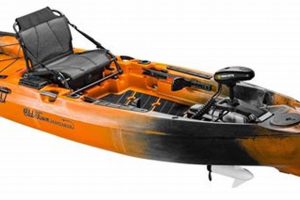
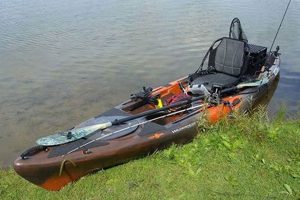
Kayak accessories play a pivotal role within a comprehensive kayak fishing gear list, bridging the gap between a standard kayak and a dedicated fishing platform. These specialized additions enhance functionality, improve safety, and contribute significantly to overall angling success. Cause and effect relationships exist between chosen accessories and on-the-water effectiveness. For example, incorporating a well-designed anchor trolley system enables precise boat positioning in current or wind, directly influencing fishing presentation and catch rates. Similarly, the addition of rod holders frees hands for other tasks, such as paddling, landing fish, or adjusting tackle, leading to greater efficiency and safety. Omitting such key accessories from a kayak fishing gear list can hinder maneuverability, limit fishing techniques, and compromise safety. Consider a scenario where an angler, lacking rod holders, attempts to manage multiple rods while simultaneously maneuvering the kayak. The risk of tangled lines, lost rods, or even capsizing increases substantially. Understanding the importance of kayak accessories as integral components of a well-planned gear list is crucial for optimizing performance and safety.
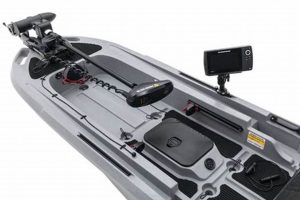
Practical examples further highlight the significance of this connection. A fish finder, while not strictly necessary, significantly improves the ability to locate fish and understand underwater structure, thus directly affecting fishing outcomes. A paddle leash prevents the loss of a paddle in the event of a capsize, a crucial safety consideration, especially in challenging conditions. Similarly, strategically placed deck rigging and storage solutions enhance organization and accessibility of essential gear, minimizing wasted time searching for items and maximizing fishing time. These practical applications underscore the importance of viewing kayak accessories not as mere add-ons, but as essential components that transform a standard kayak into a dedicated, efficient, and safe fishing platform.
In summary, kayak accessories fundamentally enhance the functionality and safety of a fishing kayak. Their careful selection and integration within a kayak fishing gear list directly influence angling effectiveness and overall enjoyment. Understanding the cause-and-effect relationships between specific accessories and on-the-water performance, along with considering the potential consequences of their omission, is paramount. This knowledge empowers anglers to create a customized setup that caters to individual needs and maximizes the potential for success and safety on the water.

Navigation tools constitute a crucial aspect of a comprehensive kayak fishing gear list, impacting both safety and fishing success. Effective navigation facilitates efficient travel to fishing destinations, precise positioning within chosen locations, and safe return trips. These tools become increasingly important in unfamiliar waters, challenging conditions, or extended excursions.
- Chartplotters and Fish Finders
Chartplotters provide detailed maps, GPS positioning, and route planning capabilities. Fish finders utilize sonar to identify underwater structures and fish locations. Integration of these technologies provides a powerful combination, enabling anglers to navigate effectively and pinpoint promising fishing spots. Real-world scenarios illustrate their value: imagine locating a submerged reef or drop-off marked on a chartplotter, then using the fish finder to confirm the presence of fish before anchoring. These tools directly contribute to optimized fishing strategies and improved catch rates.
- Compass and Charts
Traditional navigational tools such as a compass and nautical charts retain importance, especially as backups to electronic systems. Understanding basic compass navigation and chart reading skills is essential for safe navigation, particularly in situations where electronic devices malfunction or battery power is depleted. An angler navigating a foggy coastline, for instance, would rely heavily on compass bearings and charted landmarks to maintain course and avoid hazards. This traditional approach offers a reliable alternative, ensuring navigational capability even in technologically compromised situations.
- GPS Devices and Apps
Handheld GPS devices or smartphone apps with GPS functionality offer portable navigation solutions. These tools provide location information, track movement, and allow marking of waypoints, such as productive fishing spots or points of interest. Consider an angler exploring a new river system, marking locations of productive pools or submerged logs using a GPS device. This information can be invaluable for future trips, allowing efficient return to successful fishing areas. GPS functionality contributes to both exploration and efficient navigation within familiar territories.
- VHF Radio
A VHF radio is a vital communication tool for safety and emergency situations. It enables communication with other boaters, marinas, and the Coast Guard. In the event of an emergency, such as a capsize or medical issue, a VHF radio provides a direct line to assistance, potentially saving lives. Furthermore, it allows anglers to stay informed about weather updates and changing conditions, contributing to informed decision-making and enhanced safety on the water.
Integrating appropriate navigation tools into a kayak fishing gear list directly enhances safety and fishing effectiveness. Strategic selection and utilization of these tools empower anglers to explore new waters confidently, navigate efficiently within familiar environments, and respond effectively in emergencies. This preparedness translates to a more informed, safe, and ultimately successful kayak fishing experience.
5. Personal Items

Personal items, often overlooked, represent a crucial component of a comprehensive kayak fishing gear list. These items directly impact angler comfort, safety, and overall fishing experience. While specialized fishing gear and kayak accessories often take precedence, neglecting personal essentials can lead to discomfort, health issues, or even compromised safety, potentially jeopardizing the entire outing.
- Clothing
Appropriate clothing significantly impacts comfort and safety during a kayak fishing trip. Layered clothing allows adaptation to changing weather conditions. Waterproof and breathable outerwear protects against rain and spray, while moisture-wicking base layers regulate body temperature and prevent discomfort. Consider an angler encountering unexpected rain squalls without proper rain gear. Hypothermia becomes a real risk, impacting not only comfort but also safety. Proper clothing selection within a kayak fishing gear list directly contributes to a safe and enjoyable experience.
- Sun Protection
Sun protection is paramount in the exposed environment of kayak fishing. Prolonged exposure to direct sunlight can lead to sunburn, heatstroke, and long-term skin damage. Essential sun protection items include a wide-brimmed hat, polarized sunglasses, and high-SPF sunscreen. An angler neglecting sun protection during a full day of fishing risks severe sunburn, potentially cutting the trip short and causing lasting discomfort. Incorporating these items into a kayak fishing gear list demonstrates a commitment to personal health and well-being.
- Hydration and Nutrition
Maintaining proper hydration and nutrition is crucial for sustained energy and performance during long hours on the water. Packing sufficient water or electrolyte drinks and nutritious snacks combats fatigue and prevents dehydration, especially in hot weather. An angler battling dehydration due to inadequate fluid intake experiences decreased performance and potentially serious health risks. Including hydration and nutrition planning within a kayak fishing gear list ensures sustained energy levels and overall well-being throughout the fishing trip.
- Personal Essentials and First-Aid
Personal essentials and a well-stocked first-aid kit address unforeseen circumstances and minor injuries. Items such as a waterproof phone case, a whistle, a headlamp, and a basic first-aid kit prove invaluable in emergencies or unexpected situations. An angler experiencing a minor hook injury or requiring assistance in low-light conditions benefits significantly from having these essential items readily available. Incorporating personal essentials and first-aid considerations within a kayak fishing gear list contributes to preparedness and overall safety on the water.
Careful consideration of personal items within a kayak fishing gear list significantly influences the overall experience. Addressing comfort, safety, and well-being through proper preparation allows anglers to focus on the enjoyment of fishing, enhancing the potential for a successful and positive outing on the water. These considerations, while seemingly secondary to fishing-specific gear, directly impact an angler’s ability to safely and comfortably enjoy the sport.
Frequently Asked Questions
Addressing common inquiries regarding essential equipment for kayak angling clarifies key considerations for a safe and productive experience.
Question 1: What is the most crucial safety item in a kayak fishing gear list?
A properly fitted personal flotation device (PFD) is unequivocally the most critical safety item. It ensures flotation and can prevent drowning in the event of a capsize or accident.
Question 2: How does one choose the right fishing rod for kayak fishing?
Rod selection depends on target species and fishing techniques. Shorter rods, typically between 6 and 7 feet, offer better maneuverability within a kayak’s confined space. Rod action, power, and material construction should align with the specific fishing style.
Question 3: What are essential kayak-specific accessories for fishing?
Rod holders, paddle leashes, anchor trolleys, and dry bags are essential kayak-specific accessories. They enhance organization, safety, and overall fishing efficiency.
Question 4: How can tackle be organized efficiently in a kayak?
Waterproof tackle boxes or trays with compartments designed for lures, hooks, and other small items are crucial. A well-organized system allows for quick access to necessary gear and minimizes wasted time on the water.
Question 5: What navigation tools are recommended for kayak fishing?
A GPS device, chartplotter, or smartphone app with GPS capabilities is highly recommended. A compass and waterproof charts serve as essential backups. A VHF radio is crucial for communication in emergencies.
Question 6: What personal items should be included in a kayak fishing gear list?
Appropriate clothing for prevailing weather conditions, sun protection (hat, sunglasses, sunscreen), ample hydration (water or electrolyte drinks), and a basic first-aid kit are crucial personal items.
Prioritizing safety, selecting appropriate gear, and understanding specific needs contribute significantly to a successful and safe kayak fishing experience. Careful consideration of these factors enhances enjoyment and mitigates potential risks on the water.
This FAQ section addresses fundamental equipment considerations. The following sections will delve into advanced techniques and specific product recommendations.
Conclusion
A comprehensive kayak fishing gear list constitutes the foundation of a safe and productive angling experience. Careful consideration of essential safety equipment, appropriate fishing tackle, specialized kayak accessories, reliable navigation tools, and necessary personal items ensures preparedness for diverse on-the-water scenarios. Understanding the function and importance of each component within the gear list contributes significantly to angler safety, fishing effectiveness, and overall enjoyment. From PFDs and first-aid kits to rods, reels, and lures tailored to target species, each element plays a vital role in optimizing performance and mitigating potential risks.
Strategic planning and thoughtful selection of equipment empower anglers to engage confidently with the challenges and rewards of kayak fishing. A well-prepared angler is better equipped to navigate changing conditions, respond effectively to unexpected situations, and maximize the potential for a successful and rewarding experience. This proactive approach to gear selection reflects a commitment to safety, efficiency, and a deeper appreciation for the sport of kayak fishing.