The shallow-water sounds and open ocean access around Hatteras Island provide an ideal setting for anglers to pursue a diverse range of fish species from a kayak. This style of fishing allows for close-to-the-water angling experiences, targeting species such as red drum, speckled trout, flounder, and even nearshore pelagic fish like Spanish mackerel and kingfish. The region’s varied waters, from tranquil sound-side estuaries to the dynamic surf zone, offer unique opportunities for both novice and experienced kayak anglers.
This method of fishing offers a blend of sport and tranquility, coupled with the potential for significant catches. Historically, small watercraft have been utilized for fishing in the area. However, the modern popularity of lightweight, maneuverable, and purpose-built kayaks has dramatically increased access to these productive fishing grounds. The relative affordability and ease of transport compared to larger motorized boats make kayak fishing a readily accessible activity for many, fostering a strong sense of community among its practitioners.
The following sections will explore essential aspects of this popular pursuit, including recommended equipment, optimal locations, seasonal considerations, safety precautions, and conservation guidelines. A deeper understanding of these elements will contribute to a more rewarding and responsible angling experience in the waters surrounding Hatteras Island.
Tips for Kayak Fishing near Hatteras Island
Successful kayak angling near Hatteras Island requires preparation and awareness. The following tips offer guidance for a safe and productive experience.
Tip 1: Understand Local Regulations. Familiarization with North Carolina fishing license requirements and size/catch limits for targeted species is essential. Regulations are subject to change, so checking current guidelines before each trip is crucial.
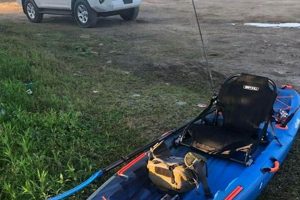
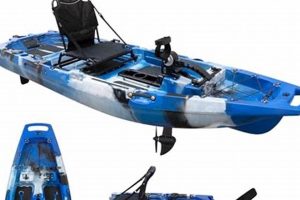
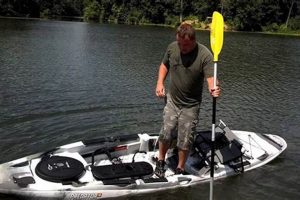
Tip 2: Choose the Right Kayak. Select a kayak appropriate for the intended fishing environment. Sit-on-top kayaks offer stability and ease of re-entry in the event of a capsize, while sit-in kayaks provide better protection from the elements in colder conditions. Pedal-driven kayaks allow hands-free fishing and greater range.
Tip 3: Prioritize Safety Equipment. A personal flotation device (PFD) is mandatory and should always be worn. A whistle, VHF radio, and signaling devices are essential for emergencies. Carrying a first-aid kit and appropriate sun protection is also recommended.
Tip 4: Plan for Weather Conditions. Hatteras Island weather can change rapidly. Checking marine forecasts before departing and throughout the day is vital. Avoid venturing out in conditions exceeding one’s skill level.
Tip 5: Employ Appropriate Fishing Techniques. Matching tackle and techniques to target species and prevailing conditions increases success. Consult local fishing reports or guides for up-to-date information on effective strategies.
Tip 6: Respect the Environment. Practice catch-and-release whenever possible, minimizing handling time and utilizing appropriate handling techniques. Proper disposal of fishing line and other refuse helps preserve the natural beauty of the area.
Tip 7: Navigate Responsibly. Be mindful of other boat traffic and designated navigation channels. Avoid disturbing wildlife and nesting areas. Familiarize oneself with local charts and navigational aids.
Adhering to these guidelines enhances safety, increases the likelihood of angling success, and contributes to the preservation of the Hatteras Island ecosystem for future generations.
By incorporating these practices, anglers can contribute to a sustainable and rewarding experience on the waters surrounding Hatteras Island.
1. Location Selection
Optimal location selection is paramount for successful kayak fishing near Hatteras Island. The diverse ecosystem offers a range of habitats, each supporting different species and requiring specific angling approaches. Careful consideration of location contributes significantly to both catch rates and overall fishing experience.
- Nearshore Ocean Waters
Targeting species like king mackerel and Spanish mackerel requires venturing into the Atlantic Ocean. Anglers should choose calmer days and be aware of changing weather conditions and currents. Launching from beaches requires careful timing with wave sets. Knowledge of nearshore reefs and structure enhances success.
- Pamlico Sound
The vast, shallow expanse of Pamlico Sound offers opportunities for red drum, speckled trout, and flounder. Grass beds, oyster bars, and channels are productive areas. Wind and tide play significant roles in fish behavior and kayak positioning. Launching from public boat ramps or designated kayak launch areas provides convenient access.
- Hatteras Inlet
The dynamic waters of Hatteras Inlet, where the sound meets the ocean, hold a variety of species. Strong currents require advanced paddling skills and careful navigation. Fishing near the inlet’s edges during moving tides can be highly productive. Caution must be exercised due to boat traffic.
- Coastal Creeks and Marshes
Exploring the intricate network of creeks and marshes provides access to calmer waters and opportunities for smaller species. These protected environments are ideal for beginners. A shallow-draft kayak enhances navigation through these shallow areas. Understanding tidal influence is crucial for accessing these areas.
Strategic location selection, based on target species, angler experience, and prevailing conditions, is essential for a rewarding kayak fishing experience near Hatteras Island. By considering these diverse environments and their unique characteristics, anglers can maximize their chances of success while enjoying the natural beauty of the Outer Banks.
2. Species Targeted

The diverse fish populations inhabiting the waters surrounding Hatteras Island offer kayak anglers a wide range of targets. Selecting specific species influences location choices, tackle preparations, and angling techniques. Understanding the behaviors and preferred habitats of target species is crucial for a successful fishing excursion.
- Red Drum (Redfish)
Red drum are a popular target in the shallow sounds and estuaries. These fish are known for their powerful fights and bronze coloration. Anglers often target them using cut bait, shrimp, or artificial lures fished near structure or grass beds. Larger “bull” red drum offer a challenging angling experience.
- Speckled Trout (Spotted Seatrout)
Speckled trout inhabit similar areas to red drum and are prized for their delicate flavor. Light tackle and artificial lures, such as topwater plugs and soft plastics, are effective for enticing these wary fish. Anglers often focus on areas with submerged vegetation or oyster bars.
- Flounder (Summer Flounder)
Flounder are bottom-dwelling flatfish found in sandy or muddy areas. Anglers target them using live bait or jigs presented near the bottom. Drift fishing or anchoring along channels and drop-offs can be productive techniques for flounder.
- Nearshore Pelagic Species (Spanish Mackerel, King Mackerel)
Venturing further offshore provides opportunities for pelagic species like Spanish mackerel and king mackerel. These fast-swimming fish are often targeted by trolling or casting artificial lures. Knowledge of nearshore reefs and structure increases the likelihood of encountering these species. Kayak anglers targeting these species should be prepared for longer fights and possess the necessary equipment and experience for open-water fishing.
By carefully considering the specific species they wish to pursue, kayak anglers can tailor their approach and maximize their chances of a successful and enjoyable fishing trip in the waters around Hatteras Island. Matching location, tackle, and techniques to the target species contributes significantly to the overall experience.
3. Tackle and Bait
Appropriate tackle and bait selection are essential components of successful kayak fishing near Hatteras Island. The diverse target species and varying fishing environments necessitate careful consideration of rod, reel, line, and bait choices. A well-matched setup enhances angling effectiveness and contributes to a more rewarding experience on the water.
- Rod and Reel Combinations
Lightweight yet durable spinning or casting rods and reels are generally preferred for kayak fishing. Rod length and action should be appropriate for the target species and fishing style. Shorter rods offer better maneuverability within the confines of a kayak, while longer rods provide increased casting distance. Reels should be spooled with line appropriate for the target species and fishing environment. For example, a 7-foot medium-action spinning rod paired with a 2500-size reel spooled with 10-pound braided line is a versatile setup suitable for a variety of inshore species.
- Line and Leader Selection
Braided line offers increased sensitivity and strength compared to monofilament, allowing for better detection of bites and stronger hooksets. Fluorocarbon leader material is often used due to its low visibility and abrasion resistance. Leader strength should be adjusted based on the target species and potential for encountering structure. For example, a 20-pound fluorocarbon leader might be used when fishing near oyster bars or other sharp objects.
- Artificial Lures
A variety of artificial lures can be effective for Hatteras Island species. Topwater plugs, jigs, soft plastics, and spoons can imitate the prey of target fish. Lure selection should be based on the target species, water clarity, and current conditions. For example, topwater lures are often effective for speckled trout in shallow water, while jigs can be productive for flounder near the bottom.
- Live and Cut Bait
Live bait, such as shrimp, minnows, and crabs, can be highly effective for attracting a variety of species. Cut bait, including mullet and menhaden, is also a popular choice, particularly for larger fish like red drum. Keeping live bait alive and fresh requires proper storage and handling. Using circle hooks with live or cut bait can minimize injury to released fish.
By carefully considering the target species, fishing environment, and desired angling techniques, kayak anglers can select the appropriate tackle and bait combinations to maximize their chances of success in the diverse waters around Hatteras Island. A well-prepared angler with the right equipment is better equipped to enjoy a productive and rewarding fishing experience.
4. Safety Precautions
Kayak fishing near Hatteras Island presents unique challenges and inherent risks. Prioritizing safety precautions is paramount for mitigating these risks and ensuring an enjoyable and incident-free experience. The dynamic coastal environment, characterized by changing weather patterns, strong currents, and diverse marine life, necessitates careful planning and preparation.
- Personal Flotation Devices (PFDs)
Wearing a properly fitted PFD is non-negotiable. A PFD provides essential buoyancy in the event of a capsize or unexpected entry into the water. Choosing a comfortable and appropriately sized PFD ensures unrestricted movement while paddling and fishing. Regularly inspecting PFDs for wear and tear is crucial for maintaining their effectiveness.
- Weather Monitoring and Awareness
Hatteras Island’s weather can change rapidly. Checking marine forecasts before and during fishing trips is essential. Wind speed, wave height, and potential storms should be carefully considered before launching. Having a means of receiving updated weather information while on the water, such as a VHF radio or weather app on a waterproof device, allows for informed decisions regarding changing conditions. Postponing or shortening trips due to adverse weather demonstrates responsible decision-making.
- Navigation and Communication
Carrying a chart, compass, or GPS device aids navigation, especially in the expansive Pamlico Sound or when venturing nearshore. A VHF radio enables communication with the Coast Guard and other boaters in case of emergencies. Familiarizing oneself with local navigational markers and channels enhances safety and reduces the risk of grounding or collisions.
- Awareness of Marine Life
The waters around Hatteras Island are home to a variety of marine life, some of which can pose hazards to kayakers. Avoiding close encounters with large marine animals, such as sharks and rays, is prudent. Understanding how to react in the event of an encounter minimizes potential risks. Carrying a first-aid kit and knowing basic first aid procedures for marine stings and bites are essential precautions.
Implementing these safety precautions significantly reduces risks associated with kayak fishing near Hatteras Island. A proactive approach to safety, coupled with continuous awareness of the surrounding environment, contributes to a more secure and enjoyable angling experience, allowing anglers to focus on the rewarding aspects of this popular pursuit.
5. Tidal Influences

Tidal fluctuations exert a profound influence on kayak fishing success around Hatteras Island. Understanding tidal currents and their impact on fish behavior is crucial for optimizing angling strategies. Tides affect water depth, current strength, and the movement of baitfish, consequently influencing the location and feeding patterns of target species. For example, strong outgoing tides through inlets can concentrate baitfish and predatory game fish, creating prime fishing opportunities. Conversely, slack tides may require anglers to adjust techniques and target different areas.
Tidal flow also impacts kayak positioning and maneuverability. Paddling against strong currents can be challenging, requiring careful planning and potentially limiting access to certain areas. Conversely, utilizing tidal currents for drift fishing can be a highly effective strategy, allowing anglers to cover more ground and present baits naturally. Knowledge of local tide charts and current predictions is essential for planning efficient and productive kayak fishing trips. Failing to account for tidal influences can lead to frustrating experiences, wasted effort, and potentially hazardous situations.
In summary, tidal influences represent a critical factor in Hatteras Island kayak fishing. Anglers who understand and adapt to these dynamic forces gain a significant advantage in locating and catching fish. Integrating tidal knowledge into fishing strategies, including location selection, bait presentation, and kayak maneuvering, enhances angling success and overall enjoyment. This awareness promotes efficient use of time on the water and contributes to a more rewarding experience within the dynamic coastal environment.
6. Kayak Choice

Kayak selection significantly influences the overall experience and success of Hatteras Island kayak fishing excursions. The chosen vessel must be suitable for the specific conditions and target species encountered in the diverse waters surrounding the island. Factors such as stability, maneuverability, storage capacity, and propulsion system contribute to both safety and angling effectiveness. Choosing the appropriate kayak enhances angler comfort, facilitates access to desired fishing locations, and ultimately contributes to a more rewarding experience.
- Hull Design
Hull design dictates stability and maneuverability. Wider, flatter hulls offer greater stability, beneficial in calmer waters and for stand-up fishing. Narrower, V-shaped hulls provide better tracking and speed, advantageous for covering longer distances or paddling in currents. A shorter kayak is more maneuverable in tight spaces like creeks and marshes, while a longer kayak tracks better in open water. For example, a wide, stable sit-on-top kayak might be preferred for fishing the shallow flats of Pamlico Sound, while a longer, more streamlined sit-in kayak could be better suited for navigating the open ocean.
- Propulsion System
Kayaks are propelled either by paddle or pedal power. Traditional paddle kayaks offer simplicity and affordability but require more physical exertion. Pedal-driven kayaks allow hands-free fishing and increased speed and range, advantageous for covering larger areas or fighting strong currents. However, pedal kayaks are typically heavier and more expensive. Anglers targeting nearshore pelagic species might favor pedal kayaks for their increased range and ability to troll effectively.
- Storage Capacity
Adequate storage is essential for carrying tackle, safety gear, and personal items. Kayaks equipped with built-in storage compartments, hatches, and bungee rigging systems offer convenient and secure storage options. The amount of storage needed depends on the length of the fishing trip and the amount of gear required. Anglers planning longer excursions or carrying specialized equipment, such as fish finders or cameras, require kayaks with ample storage space.
- Seat Comfort and Adjustability
Long hours on the water necessitate a comfortable and supportive seat. Adjustable seats allow for customized positioning, reducing fatigue and enhancing overall comfort. Higher-end kayaks often feature padded, breathable seats with adjustable backrests and leg supports, improving long-term comfort and reducing the risk of back strain.
Careful consideration of these factors ensures the chosen kayak aligns with the specific demands of Hatteras Island kayak fishing. The optimal kayak depends on individual angler preferences, target species, and the intended fishing environment. Selecting a kayak that complements these factors enhances safety, increases efficiency on the water, and contributes to a more enjoyable and productive fishing experience. A well-chosen vessel becomes an extension of the angler, facilitating seamless integration with the dynamic Hatteras Island ecosystem.
Frequently Asked Questions about Kayak Fishing near Hatteras Island
This section addresses common inquiries regarding kayak fishing in the waters surrounding Hatteras Island. Clarity on these points promotes safe and informed angling practices.
Question 1: What are the licensing requirements for kayak fishing near Hatteras Island?
A valid North Carolina Coastal Recreational Fishing License is required for anglers age 16 and older. Licenses can be obtained online through the North Carolina Wildlife Resources Commission or from authorized license agents.
Question 2: Are there specific launch sites recommended for kayak anglers?
Several public boat ramps and designated kayak launch areas provide access to the waters around Hatteras Island. Specific launch site selection depends on the intended fishing location and prevailing conditions. Consulting local resources or experienced anglers can provide valuable guidance.
Question 3: What safety precautions are particularly important for kayak anglers in this area?
Wearing a personal flotation device (PFD), checking weather forecasts, carrying communication devices (VHF radio), and being aware of boat traffic are crucial safety precautions. Understanding tidal currents and potential hazards, such as shifting sandbars and submerged debris, also enhances safety.
Question 4: What are the primary target species for kayak anglers near Hatteras Island?
Popular target species include red drum, speckled trout, flounder, Spanish mackerel, and king mackerel. The chosen fishing location and specific angling techniques influence the likelihood of encountering these species. Matching tackle and bait to the target species increases angling success.
Question 5: Are there any specific regulations regarding catch limits or fish handling practices?
Size and catch limits, as well as specific regulations regarding handling and release practices, are in place for various species. Consulting the North Carolina Wildlife Resources Commission for current regulations ensures compliance and contributes to sustainable fisheries management. Practicing catch-and-release whenever possible helps preserve fish populations.
Question 6: What resources are available for planning a kayak fishing trip to Hatteras Island?
Local fishing reports, tide charts, nautical charts, and online forums provide valuable information for planning kayak fishing trips. Consulting with local tackle shops or experienced guides can offer insights into current fishing conditions, optimal locations, and effective techniques.
Addressing these common questions equips anglers with essential information for planning safe and successful kayak fishing excursions near Hatteras Island. Thorough preparation contributes to a rewarding experience within this dynamic coastal environment.
The following section provides further guidance on recommended equipment and techniques tailored to specific target species and fishing locations around Hatteras Island.
Hatteras Kayak Fishing
This exploration has highlighted the multifaceted nature of kayak fishing near Hatteras Island. From the tranquil sounds to the dynamic ocean, the region offers diverse angling opportunities for a variety of skill levels and target species. Strategic planning, encompassing location selection, appropriate tackle and bait choices, and adherence to safety precautions, significantly contributes to a successful and rewarding experience. Understanding tidal influences and choosing the right kayak further enhances angling effectiveness and overall enjoyment. Respect for local regulations and conservation practices ensures the preservation of this valuable ecosystem.
The waters surrounding Hatteras Island provide a unique and challenging environment for kayak anglers. Careful preparation, informed decision-making, and a commitment to responsible angling practices contribute not only to personal success but also to the long-term health and sustainability of this remarkable coastal fishery. Continued exploration of these waters promises rewarding experiences for anglers who embrace the challenges and rewards inherent in Hatteras Island kayak fishing.