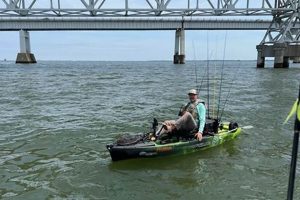
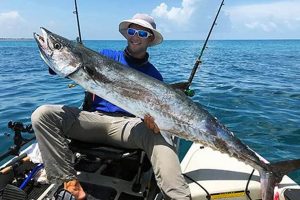
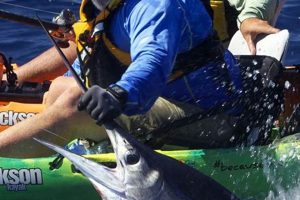
Competitive angling from human-powered kayaks represents a rapidly growing segment of the sport fishing world. This discipline typically involves individual anglers competing to catch the most, largest, or specific species of fish within a set timeframe and designated area. Tournaments often utilize digital technology for weigh-ins and measurement, emphasizing conservation through catch-and-release practices.
The accessibility and affordability of kayak fishing contribute to its burgeoning popularity. It promotes physical activity, connection with nature, and the development of angling skills. Furthermore, the sports focus on sustainable fishing practices aligns with broader ecological awareness. While not currently an official Olympic sport, its increasing global participation and structured competition format could potentially position it for future consideration.
This article will further explore the various aspects of competitive kayak angling, including tournament formats, essential equipment, and the growing community surrounding this exciting sport. Additional topics covered will include effective fishing techniques, safety considerations, and the role of technology in modern competitive fishing.
Tips for Competitive Kayak Angling
Success in tournament kayak fishing requires a combination of skill, strategy, and preparation. The following tips can enhance performance and improve the overall competitive experience.
Tip 1: Master Kayak Control: Proficient paddling and maneuvering are essential for efficient navigation and precise positioning. Practice techniques like side-slipping and anchoring to maintain optimal fishing locations, especially in challenging conditions.
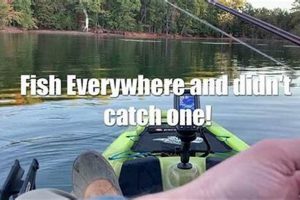
Tip 2: Utilize Electronics Effectively: Fish finders and GPS units are invaluable tools for locating fish, identifying underwater structures, and navigating unfamiliar waters. Understanding how to interpret sonar readings and utilize mapping features can significantly increase catch rates.
Tip 3: Optimize Tackle and Gear: Select rods, reels, and lures appropriate for the target species and fishing environment. Organize tackle efficiently for quick access and minimize clutter within the limited space of a kayak.
Tip 4: Develop a Pre-Fishing Strategy: Research the competition area, including water depth, vegetation, and prevailing currents. Identify potential hotspots and plan routes to maximize fishing time during the tournament.
Tip 5: Prioritize Safety: Wear a personal flotation device and carry essential safety equipment, including a whistle, signaling device, and first-aid kit. Be aware of weather conditions and water hazards.
Tip 6: Practice Catch and Release Techniques: Proper handling and release procedures minimize stress on fish and contribute to the sustainability of the fishery. Use appropriate hooks and tools for efficient removal, and revive fish before releasing them.
Tip 7: Refine Knot-Tying Skills: Strong, reliable knots are crucial for securing lures and landing fish. Practice a variety of knots suitable for different line types and fishing situations.
Implementing these strategies can significantly improve performance and contribute to a more rewarding experience in competitive kayak angling. Consistent practice and attention to detail are key factors in achieving success on the water.
By incorporating these tips, anglers can enhance their skills and increase their chances of success, ultimately contributing to the growth and development of this dynamic sport.
1. Competition Format

A well-defined competition format is crucial for the potential inclusion of kayak fishing in the Olympic Games. A standardized format ensures fairness, transparency, and exciting spectator engagement, essential elements for any Olympic sport. Several potential formats exist, each with its own advantages and challenges. A catch-and-release format, focusing on the number and size of fish caught within a specific timeframe, aligns with conservation principles. Alternatively, a target species format could emphasize angling skill and knowledge. The chosen format must balance complexity with ease of understanding for both participants and viewers. Borrowing from established bass fishing tournaments provides a solid foundation for development. These tournaments often utilize weigh-in systems with penalties for fish mortality, promoting careful handling and release. Adapting these existing structures could streamline the development of a suitable Olympic format.
Real-world examples, such as the Hobie Fishing Worlds, demonstrate the effectiveness of structured competition formats in kayak fishing. This international tournament showcases the global reach and competitive nature of the sport. Its established rules and procedures could serve as a model for Olympic implementation. Furthermore, the use of digital technology for scoring and verification in existing tournaments offers valuable lessons for creating a transparent and efficient Olympic format. The ability to track catches and ensure compliance with rules is paramount for maintaining integrity at the highest level of competition.
Developing a suitable competition format presents both opportunities and challenges. Balancing the need for exciting competition with conservation principles requires careful consideration. The format must be adaptable to various aquatic environments and fish species. Additionally, it must be accessible to a global audience and easy to understand. Successfully addressing these challenges through a robust and adaptable format is pivotal for the future of kayak fishing as a potential Olympic sport.
2. Standardized Rules

Standardized rules are fundamental to the integrity and fairness of any sport, especially if it aspires to Olympic inclusion. In the context of competitive kayak angling, consistent regulations ensure a level playing field for all participants, regardless of background or location. These rules govern various aspects of the competition, from permitted equipment and fishing methods to scoring procedures and conservation practices. The establishment and enforcement of clear, universally accepted rules are essential for building credibility and fostering a competitive environment that prioritizes both skill and sportsmanship.
- Equipment Regulations:
Standardized rules dictate permissible kayak types, rod and reel specifications, line strength, and lure restrictions. This ensures fair competition by limiting technological advantages and emphasizing angler skill. For example, restrictions on motorized kayaks maintain the focus on human-powered angling. Similarly, limitations on sonar technology could prevent an unfair advantage based on equipment cost. Clear equipment regulations promote accessibility and affordability, key factors in broadening participation.
- Fishing Methods:
Regulations on permitted fishing methods prevent exploitation and promote ethical angling. Restrictions on live bait, for instance, can protect local ecosystems and prevent the introduction of invasive species. Similarly, rules regarding fishing zones and boundaries ensure fair competition and prevent conflicts among anglers. Clear guidelines on catch-and-release procedures, including proper handling techniques and hook removal, are essential for fish welfare and the long-term sustainability of the sport.
- Scoring and Measurement:
Standardized scoring procedures ensure consistent evaluation of catches and determine tournament outcomes. This may involve measuring fish length, weighing catches, or assigning points based on species. Digital technology, such as photo verification and electronic weigh-ins, can enhance accuracy and transparency. Consistent scoring procedures reduce disputes and contribute to the overall credibility of the competition. Clear criteria for judging and resolving ties are also essential for fair outcomes.
- Conservation Practices:
Rules promoting conservation are critical for the long-term health of fisheries and align with the broader environmental values of the Olympic movement. Mandatory catch-and-release practices, size limits, and closed seasons protect fish populations and their habitats. Regulations regarding waste disposal and responsible use of waterways minimize environmental impact. Emphasis on conservation reinforces the importance of sustainability within the sport and aligns with Olympic ideals.
The standardization of these aspects ensures that competitive kayak angling operates on a fair and transparent platform, fostering global recognition and potentially paving the way for Olympic inclusion. The development and implementation of these rules require collaboration among governing bodies, experienced anglers, and conservation organizations to ensure the long-term health and sustainability of the sport. The ability to consistently apply and enforce these rules across different regions and cultural contexts is crucial for achieving international recognition and Olympic aspirations.
3. Global Participation

Widespread global participation is a critical factor in establishing any sport’s legitimacy and potential for Olympic inclusion. For competitive kayak angling, demonstrating a broad international presence is essential for gaining recognition from the International Olympic Committee. This involves not only a significant number of participants across various countries but also established competitive structures and events at both national and international levels. The following facets illustrate how global participation contributes to the potential of kayak fishing as an Olympic sport.
- International Tournaments:
The existence of well-organized international tournaments provides a platform for athletes from different countries to compete against each other, showcasing the global appeal and competitive nature of kayak angling. Events like the Hobie Fishing Worlds demonstrate the feasibility of organizing large-scale international competitions. These tournaments not only test the skills of the anglers but also serve as valuable benchmarks for establishing standardized rules and formats, crucial for Olympic consideration. The success and growth of these international events directly contribute to the sport’s global visibility and legitimacy.
- National Federations:
The presence of national governing bodies for kayak fishing in various countries signifies organized participation and a structured approach to the sport’s development. These federations play a key role in promoting the sport at a grassroots level, organizing national competitions, and selecting teams for international events. The existence of these federations provides a framework for regulation, training, and development, essential for achieving international recognition and eventual Olympic inclusion. Their role in establishing consistent standards and practices across different countries is crucial for building a cohesive global community.
- Accessibility and Adaptability:
Kayak fishing’s adaptability to diverse aquatic environments, from freshwater lakes and rivers to coastal saltwater areas, enhances its global appeal. This adaptability allows individuals from various geographic locations to participate, contributing to a wider base of potential athletes. Furthermore, the relative affordability of kayak fishing compared to other watersports broadens its accessibility, making it a more inclusive activity. This accessibility fosters participation from diverse socioeconomic backgrounds, strengthening the sport’s global reach and potential for Olympic representation. The ability to adapt to local conditions and resources allows for broader participation worldwide.
- Media Coverage and Sponsorship:
Increased media coverage and sponsorship opportunities are indicators of a sport’s growing popularity and commercial viability. Media attention raises awareness and generates interest among potential participants and spectators. Sponsorships provide crucial funding for tournaments, athlete development, and promotional activities, further contributing to the sport’s growth and sustainability. Growing media interest and sponsorship involvement signal a sport’s increasing global presence and potential for Olympic recognition. Successful media strategies and attractive sponsorship packages are essential for raising the sport’s profile internationally.
These facets of global participation collectively contribute to the overall growth and recognition of competitive kayak angling. A strong international presence, combined with established organizational structures and growing media attention, strengthens the case for Olympic inclusion. By fostering global participation through accessible and adaptable formats, kayak fishing can continue to expand its reach and solidify its position as a legitimate contender for future Olympic Games. The continued development of these elements is crucial for achieving the level of global recognition required for Olympic consideration.
4. Sustainability Practices

Sustainability practices are integral to the future of competitive kayak angling, particularly regarding its potential inclusion in the Olympic Games. The International Olympic Committee emphasizes environmental responsibility and sustainability in all its endeavors. Therefore, demonstrating a commitment to these principles is crucial for any sport aspiring to Olympic status. Sustainable practices in kayak fishing not only protect aquatic ecosystems but also enhance the sport’s long-term viability and align with the Olympic movement’s values.
- Catch-and-Release Fishing:
Catch-and-release fishing is a cornerstone of sustainable angling. This practice minimizes the impact on fish populations by returning caught fish to the water unharmed. Competitive kayak angling tournaments often employ strict catch-and-release protocols, including size and species restrictions, as well as guidelines for proper handling and hook removal. These measures ensure the well-being of the fish and the preservation of the ecosystem. The use of barbless hooks, for example, facilitates quick and easy release, minimizing stress on the fish. The emphasis on catch and release reinforces the sport’s commitment to conservation and aligns with Olympic sustainability goals.
- Habitat Preservation:
Protecting aquatic habitats is essential for the long-term health of fish populations and the overall sustainability of kayak fishing. Anglers can contribute to habitat preservation by avoiding sensitive areas, minimizing disturbance to vegetation, and refraining from anchoring in spawning grounds. Furthermore, participating in or supporting habitat restoration projects, such as riparian planting or removing debris from waterways, demonstrates an active commitment to environmental stewardship. Organizations like the B.A.S.S. Nation actively engage in habitat conservation efforts, providing a model for other angling communities. These actions are crucial not only for the health of the ecosystem but also for the future of the sport itself.
- Responsible Waste Management:
Proper waste disposal is a fundamental aspect of responsible angling. Competitive kayak anglers should adhere to a “pack-it-in, pack-it-out” policy, carrying all trash and discarded fishing line back to shore for proper disposal. This prevents pollution and protects aquatic life from ingesting or becoming entangled in discarded materials. The use of biodegradable fishing line further minimizes environmental impact. Furthermore, educating fellow anglers and the public about responsible waste management practices strengthens the overall commitment to sustainability within the angling community. Promoting these practices at tournaments and through educational campaigns reinforces the importance of environmental responsibility.
- Minimizing Environmental Impact:
Kayak fishing, by its nature, has a relatively low environmental impact compared to motorized boating. However, minimizing impact further through responsible practices strengthens the sport’s sustainability profile. Using human-powered kayaks reduces reliance on fossil fuels and minimizes noise pollution. Avoiding disturbing wildlife and respecting nesting areas further demonstrates a commitment to environmental sensitivity. Additionally, choosing eco-friendly fishing gear and tackle, such as lures made from sustainable materials, contributes to reducing the sport’s overall environmental footprint. These practices align with the broader movement toward environmentally conscious outdoor recreation.
These sustainability practices are not only essential for the health of aquatic ecosystems but also vital for the future of competitive kayak fishing. By prioritizing conservation and responsible environmental stewardship, the sport demonstrates its alignment with Olympic values and strengthens its case for inclusion in future Games. The continued emphasis on these practices will be crucial for the long-term growth and sustainability of competitive kayak angling on a global scale. Furthermore, integrating these practices into the rules and regulations of tournaments reinforces their importance within the competitive framework and encourages responsible behavior among all participants.
5. Technological Integration
Technological integration plays a significant role in modern competitive fishing, particularly within the rapidly evolving discipline of kayak angling. Its influence spans several key areas, impacting competition structure, fairness, and the spectator experience. For kayak fishing to achieve Olympic recognition, embracing technology is essential for ensuring transparency, accuracy, and engaging presentation. Several technologies contribute significantly to this evolution.
Real-time tracking devices, often GPS-enabled, provide precise location data for each competitor. This technology allows officials to monitor angler movements, ensuring adherence to designated fishing boundaries and facilitating rapid response in case of emergencies. Furthermore, tracking data offers valuable insights into angler strategies and fish distribution patterns, adding another layer of analysis for competitors and enhancing spectator engagement through interactive visualizations. Platforms like TourneyX demonstrate the practical application of such technology in existing fishing tournaments. This platform allows real-time tracking of catches, instant scoring updates, and leaderboard displays, enhancing both the competitor and spectator experience.
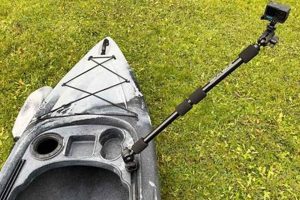
Digital weigh-in systems, incorporating photo and video verification, enhance accuracy and reduce the need for physical handling of fish, minimizing stress and promoting catch-and-release practices. These systems often integrate with tournament management software, automating data entry and eliminating potential errors. Furthermore, high-definition cameras mounted on kayaks provide immersive perspectives for spectators, capturing the action and excitement of the competition. This footage can be streamed live or used for post-event analysis, enhancing audience engagement and promoting the sport to a wider audience. The use of underwater cameras adds another dimension to spectator engagement, offering glimpses into fish behavior and underwater environments.
The integration of these technologies not only enhances the fairness and efficiency of competitions but also elevates the spectator experience, making kayak fishing a more compelling and accessible sport. As technology continues to evolve, its strategic implementation will be crucial for the continued growth and development of competitive kayak angling, potentially paving the way for Olympic inclusion. Addressing challenges such as data security, equipment standardization, and cost accessibility will be essential for ensuring equitable participation and maintaining the integrity of the sport. Successfully integrating technology while addressing these challenges is vital for positioning kayak fishing for future Olympic consideration.
Frequently Asked Questions about Competitive Kayak Angling
This section addresses common inquiries regarding the rapidly growing sport of competitive kayak angling, focusing on its potential as an Olympic sport.
Question 1: Is kayak fishing currently an Olympic sport?
While not currently an official Olympic sport, competitive kayak angling is gaining increasing global recognition and participation, potentially positioning it for future consideration.
Question 2: What are the primary challenges for Olympic inclusion?
Key challenges include establishing universally standardized rules and competition formats, demonstrating consistent global participation, and ensuring adherence to strict sustainability practices aligned with Olympic values.
Question 3: How does technology influence competitive kayak angling?
Technology plays a crucial role through real-time tracking systems, digital weigh-ins, and underwater cameras, enhancing fairness, accuracy, and spectator engagement.
Question 4: What are the key benefits of competitive kayak fishing?
Benefits include promoting physical activity, connection with nature, development of angling skills, and emphasizing conservation through catch-and-release practices.
Question 5: How can one become involved in competitive kayak angling?
Research local and regional kayak fishing clubs and tournaments. Many online resources and communities provide information on getting started and improving skills.
Question 6: What role does sustainability play in competitive kayak angling?
Sustainability is paramount. Catch-and-release practices, habitat preservation, and responsible waste management are crucial aspects of the sport, aligning with Olympic ideals and ensuring the long-term health of fisheries.
Understanding these aspects is crucial for appreciating the potential and challenges associated with competitive kayak angling as it evolves and gains global recognition. Further exploration of these topics can provide a deeper understanding of the sport’s complexities.
The next section will delve into specific techniques and strategies employed by competitive kayak anglers to enhance performance and achieve success on the water.
Olympic Kayak Fishing
This exploration of competitive kayak angling has highlighted its potential for Olympic inclusion. Key factors such as standardized rules, global participation, sustainable practices, and technological integration are driving its evolution. The sport’s accessibility, combined with its emphasis on skill and conservation, positions it for continued growth and recognition on the international stage. The analysis of competition formats, equipment regulations, and judging criteria underscores the sport’s increasing professionalism and structure.
The future of competitive kayak angling hinges on continued dedication to these core principles. Embracing innovation, fostering global collaboration, and prioritizing environmental stewardship will be crucial for achieving Olympic aspirations. The sport’s potential to inspire future generations of anglers and promote aquatic conservation presents a compelling narrative for its inclusion in the Olympic family. Continued growth and development may one day see competitive kayak angling showcased on the world’s grandest sporting stage.