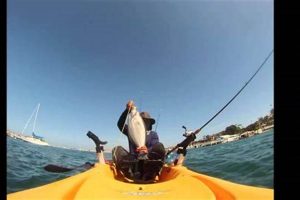
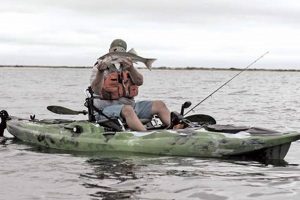
This activity involves angling from a small, human-powered watercraft in the coastal waters near Panama City Beach, Florida. It offers a unique way to experience the area’s diverse marine environment, targeting species such as redfish, speckled trout, and flounder in shallow flats, or venturing further offshore for pelagic fish like king mackerel and cobia. The relatively low cost of entry and the intimate connection with nature distinguish this approach from other fishing methods.
The shallow-water access afforded by kayaks opens up a wealth of fishing opportunities unavailable to larger vessels. Anglers can silently navigate through grass beds, oyster bars, and other shallow structures where fish often congregate. This method promotes a quiet, less intrusive approach, enhancing the chances of a successful catch. Furthermore, the physical activity inherent in paddling adds an element of exercise and adventure to the experience. The region has long been recognized for its productive fisheries, and this style of angling continues a tradition of harvesting the sea’s bounty while minimizing environmental impact.
Further exploration of this topic will encompass appropriate equipment selection, including kayak types, rods, reels, and tackle. Effective fishing techniques specific to the region, such as drift fishing, sight casting, and trolling will also be discussed. Additionally, considerations regarding safety, local regulations, and conservation practices will be addressed to ensure responsible and sustainable engagement in this popular activity.
Tips for Kayak Fishing in Panama City Beach
Effective preparation and strategic execution are crucial for a successful and enjoyable experience on the water. The following tips offer guidance for maximizing fishing opportunities in this unique environment.
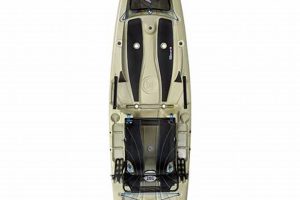
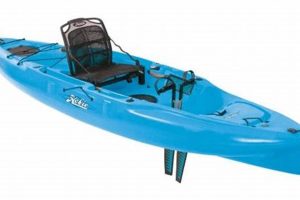
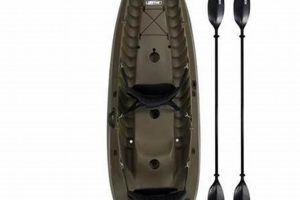
Tip 1: Choose the Right Kayak: Kayak selection depends on individual needs and fishing style. Sit-on-top kayaks offer stability and ease of re-entry if capsized, making them suitable for beginners. Sit-inside kayaks provide better protection from the elements and offer increased storage capacity for longer trips.
Tip 2: Prioritize Safety Equipment: A personal flotation device (PFD) is essential and should be worn at all times. A whistle, signaling mirror, and VHF radio are recommended for emergencies. A first-aid kit and sun protection are also important.
Tip 3: Understand Local Regulations: Familiarization with fishing licenses, catch limits, and size restrictions is vital for compliance. Awareness of designated fishing zones and restricted areas is also crucial.
Tip 4: Utilize Appropriate Tackle and Techniques: Light to medium tackle is typically suitable for the species found in these waters. Live bait, artificial lures, and jigs can all be effective. Matching the tackle and technique to the target species increases the likelihood of success.
Tip 5: Plan for Weather Conditions: Checking marine forecasts before heading out is paramount. Wind, tides, and currents can significantly impact paddling and fishing conditions. Avoiding adverse weather ensures a safer and more productive trip.
Tip 6: Practice Proper Kayak Handling: Learning basic paddling strokes and maneuvering techniques improves efficiency and control on the water. Understanding how to handle the kayak in various conditions enhances safety and enjoyment.
Tip 7: Respect the Environment: Practicing catch-and-release fishing helps preserve fish populations. Proper disposal of fishing line and other waste minimizes environmental impact and contributes to the sustainability of the local ecosystem.
Adherence to these guidelines promotes a safe, productive, and rewarding fishing experience. Careful planning and responsible practices contribute to the preservation of this valuable natural resource for future generations.
The following section will provide a detailed overview of specific locations and species commonly targeted in Panama City Beach, offering further insight into the intricacies of this popular pastime.
1. Species Targeted

The range of species targeted significantly shapes the experience of kayak fishing in Panama City Beach. Understanding the habits and preferred habitats of these fish is crucial for successful angling. The following species represent common targets, each presenting unique challenges and rewards.
- Redfish (Red Drum):
Prized for their fighting spirit and bronze coloration, redfish inhabit shallow grass flats, oyster bars, and marshes. Their feeding habits often focus on crustaceans and small baitfish, making them susceptible to lures and live bait presented near the bottom. Anglers often target them during the fall and spring when they congregate in larger schools.
- Speckled Trout (Spotted Seatrout):
These ambush predators favor grassy areas and deeper channels, often lurking near structure. They are opportunistic feeders, striking at a variety of baitfish and shrimp. Their elusive nature requires stealth and precision casting. Low-light conditions often present the best fishing opportunities.
- Flounder (Southern Flounder):
These flatfish camouflage themselves on the sandy bottom, waiting to ambush unsuspecting prey. Drift fishing with live bait or jigs dragged slowly across the bottom is a common technique. Patience and a keen eye for subtle movements are essential for spotting these masters of disguise.
- Spanish Mackerel:
These fast-moving pelagic fish offer an exciting challenge for kayak anglers. Trolling with spoons or flashy lures is an effective method for enticing strikes. They often travel in schools and can be found near reefs and other offshore structures during warmer months. Their speed and acrobatic leaps make them a thrilling catch.
The diverse array of targeted species in Panama City Beach provides anglers with varied experiences and opportunities to test their skills. Matching techniques and tackle to the specific habits of these fish significantly enhances the likelihood of a successful and rewarding kayak fishing trip.
2. Equipment Selection

Appropriate equipment selection is paramount for a successful and enjoyable kayak fishing experience in Panama City Beach. The chosen gear directly impacts an angler’s ability to navigate the diverse waters, target specific species, and ensure personal safety and comfort. Careful consideration of the following facets is essential for optimizing performance and maximizing the chances of a successful outing.
- Kayak Choice:
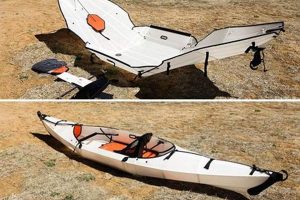
Kayak selection depends on individual needs, fishing style, and target locations. Sit-on-top kayaks offer stability and ease of re-entry, ideal for beginners and fishing in shallow, calmer waters like the Grand Lagoon. Their open design allows for easy access to gear and facilitates casting. Sit-inside kayaks, with their lower center of gravity and enclosed cockpit, provide better protection from the elements and increased storage capacity, suitable for longer trips in potentially choppier waters like St. Andrew Bay. Pedal-driven kayaks offer hands-free fishing and greater speed, beneficial for covering larger areas.
- Rods and Reels:
Rod and reel selection depends on the targeted species and fishing techniques. Lighter spinning or baitcasting combos are suitable for inshore species like redfish and speckled trout. Heavier tackle is necessary for larger offshore species like king mackerel or cobia. Rod length and action should be matched to the fishing environment and casting requirements. Reels should be spooled with appropriate line strength and type, considering the target species and potential snags.
- Tackle and Bait:
Effective tackle selection depends on the target species’ feeding habits. Live bait like shrimp, pinfish, and finger mullet are highly effective for a variety of species. Artificial lures, including jigs, soft plastics, and topwater plugs, offer versatility and can be tailored to specific fishing conditions. A well-stocked tackle box should include a variety of options to adapt to changing circumstances and target different species.
- Safety and Navigation:
Essential safety gear includes a personal flotation device (PFD), a whistle, a signaling mirror, and a VHF radio. A GPS unit or chartplotter aids navigation and helps locate productive fishing spots. A fish finder can be valuable for identifying underwater structure and fish concentrations. Proper lighting is crucial for early morning or late evening fishing. A dry bag protects essential items from water damage.
Strategic equipment selection directly correlates with successful kayak fishing in Panama City Beach. By carefully considering these facets and tailoring gear choices to specific needs and target species, anglers can maximize their chances of a productive and enjoyable experience on the water.
3. Location Scouting

Location scouting is integral to successful kayak fishing in Panama City Beach. The diverse coastal environment offers a wide range of habitats, each attracting different species and requiring specific angling techniques. Effective scouting maximizes fishing opportunities by identifying productive areas and minimizing time spent in less fruitful locations. Understanding the interplay between location, species, and tidal influence is crucial for a successful outing. For example, shallow grass flats in St. Andrew Bay are prime locations for redfish and speckled trout, while deeper channels and bridge pilings often hold flounder and sheepshead. Nearshore reefs and artificial structures attract pelagic species like Spanish mackerel and kingfish. Scouting these areas in advance, considering factors like water clarity, current flow, and baitfish presence, significantly increases the likelihood of encountering target species.
Utilizing resources such as nautical charts, online mapping tools, and local fishing reports provides valuable insights into potential fishing hotspots. Observing bird activity, baitfish schools, and other signs of life can further refine location choices. Tidal fluctuations significantly impact fish behavior and movement patterns. Understanding tidal cycles and their influence on specific locations allows anglers to strategically time their fishing trips for optimal results. For instance, fishing during a falling tide near inlets and passes can concentrate fish as they move with the outgoing current. Conversely, fishing during a rising tide in shallow flats can bring baitfish and predatory species closer to shore.
Strategic location scouting, combined with knowledge of species-specific habitats and tidal influences, forms the foundation of successful kayak fishing in Panama City Beach. This preparatory work maximizes fishing opportunities and allows anglers to efficiently target desired species. The combination of pre-trip planning and on-the-water observation ensures a more productive and rewarding experience. Ultimately, effective location scouting translates to increased catch rates and a deeper understanding of the local ecosystem.
4. Tidal Influences

Tidal influences exert a significant impact on kayak fishing success in Panama City Beach. Water movement associated with tidal cycles affects fish behavior, baitfish concentrations, and access to shallow-water habitats. Understanding these influences allows anglers to optimize fishing strategies and improve catch rates. Incoming tides flood shallow flats, creating feeding opportunities for species like redfish and speckled trout as they pursue baitfish and crustaceans pushed onto the flooded grass beds. Outgoing tides concentrate fish in deeper channels and near inlets, creating predictable ambush points. Slack tides, the periods between high and low tide, can present challenges due to reduced water movement, but also opportunities for sight fishing in clear, calm conditions.
For example, fishing the flats around Shell Island during a rising tide can be highly productive as redfish move into the shallows to feed. Conversely, fishing near the Hathaway Bridge during a falling tide can concentrate fish as they move with the outgoing current into St. Andrew Bay. Tidal currents also influence lure presentation and retrieval speeds. Stronger currents require heavier weights or faster retrieves to maintain bottom contact and prevent lures from washing out. Slower currents allow for lighter presentations and slower retrieves, mimicking the natural movement of baitfish. Knowledge of tidal flows is essential for navigating shallow areas and avoiding grounding. Planning kayak routes based on tidal stages ensures safe passage and access to desired fishing locations.
Successful kayak fishing in Panama City Beach requires understanding the intricate relationship between tides and fish behavior. Adapting fishing strategies based on tidal stage, current direction, and water depth maximizes fishing opportunities. Awareness of tidal influences combined with species-specific knowledge and appropriate tackle selection significantly increases the likelihood of a productive and rewarding fishing experience. Ignoring these crucial environmental factors can lead to frustration and diminished returns, highlighting the practical significance of integrating tidal knowledge into kayak fishing strategies.
5. Safety Precautions
Safety precautions are paramount for kayak fishing in Panama City Beach. The open-water environment presents inherent risks mitigated through careful planning and adherence to established safety guidelines. Neglecting these precautions can lead to serious consequences, jeopardizing angler well-being and potentially impacting others. Understanding and implementing appropriate safety measures ensures a positive and incident-free experience.
- Personal Flotation Devices (PFDs):
A properly fitted PFD is the most crucial piece of safety equipment. It should be worn at all times, regardless of swimming ability or perceived water conditions. Unexpected events, such as capsizing or sudden changes in weather, underscore the importance of consistent PFD use. Selecting a comfortable and appropriately sized PFD ensures unrestricted movement while paddling and fishing.
- Communication Devices:
Maintaining communication is vital in emergencies. A waterproof VHF radio allows direct contact with the Coast Guard and other boaters. Cell phones, while useful, may have limited reception offshore. A whistle provides an additional means of signaling for assistance. Sharing float plans with someone onshore, including planned locations and return times, further enhances safety.
- Weather Awareness:
Checking marine weather forecasts before embarking is essential. Sudden storms, strong winds, and changing tides can create hazardous conditions. Monitoring weather conditions throughout the trip allows for proactive adjustments to plans. Postponing trips during unfavorable weather demonstrates prudent decision-making and prioritizes safety. Understanding local weather patterns and potential hazards specific to the area improves preparedness.
- Navigation and Lighting:
Carrying a GPS unit or chartplotter aids navigation and helps prevent disorientation, particularly in unfamiliar waters or during low visibility conditions. A compass and nautical charts serve as backups in case of electronic device failure. Proper lighting, including a headlamp and navigation lights, is essential for safe operation in low-light conditions or after sunset. Familiarizing oneself with local navigation markers and hazards reduces the risk of accidents.
Implementing these safety precautions reinforces a responsible approach to kayak fishing in Panama City Beach. Prioritizing safety not only protects individual anglers but also contributes to the overall safety of the waterway. Combining these practices with sound judgment and adherence to local regulations creates a positive and secure experience, allowing anglers to fully enjoy the unique challenges and rewards of this popular activity.
6. Local Regulations
Adherence to local regulations is essential for responsible and sustainable kayak fishing in Panama City Beach. These regulations aim to protect fish populations, preserve habitats, and ensure the safety of all waterway users. Ignoring these rules can result in fines, legal repercussions, and damage to the local ecosystem. Understanding and complying with these regulations is crucial for maintaining the health of the fishery and ensuring continued access for future generations.
- Fishing Licenses:
A valid Florida saltwater fishing license is required for anyone targeting saltwater species from a kayak. Licenses can be obtained online, from local tackle shops, or through authorized vendors. Different license types exist depending on residency status and duration of validity. Carrying a physical or digital copy of the license while fishing is mandatory.
- Catch Limits and Size Restrictions:
Regulations dictate catch limits and size restrictions for various species. These limits vary depending on the species, season, and location. Adhering to these regulations helps prevent overfishing and ensures sustainable populations. Resources like the Florida Fish and Wildlife Conservation Commission (FWC) website provide up-to-date information on current regulations. Measuring catches accurately and releasing undersized or over-limit fish immediately is crucial.
- Designated Fishing Zones and Restricted Areas:
Certain areas may be designated as no-fishing zones or restricted areas to protect sensitive habitats or ensure boater safety. These areas are often marked with buoys or signs. Understanding local maps and regulations helps anglers avoid these restricted areas. Respecting these closures contributes to the long-term health of the ecosystem and prevents potential conflicts with other waterway users. Examples include designated swimming areas, marked channels, and protected seagrass beds.
- Vessel Requirements and Safety Gear:
Kayaks used for fishing are considered vessels and must comply with certain safety regulations. These may include requirements for navigation lights, signaling devices, and PFDs. Ensuring proper safety equipment is onboard and functioning correctly is essential for angler safety and legal compliance. Understanding and adhering to these regulations contributes to a safer boating environment for everyone.
Compliance with local regulations underscores a commitment to responsible kayak fishing in Panama City Beach. Adhering to these rules ensures the sustainability of the fishery, protects fragile ecosystems, and promotes a safe environment for all. By prioritizing responsible practices, anglers contribute to the long-term health of the marine environment and ensure continued access to this valuable resource for future generations. Disregarding these regulations not only carries potential legal consequences but also undermines the collective effort to preserve this unique coastal ecosystem.
Frequently Asked Questions
This section addresses common inquiries regarding kayak fishing in Panama City Beach, offering practical information and clarifying potential misconceptions. Understanding these aspects enhances the overall experience and promotes responsible angling practices.
Question 1: What are the most common fish species targeted by kayak anglers in Panama City Beach?
Common targets include redfish, speckled trout, flounder, Spanish mackerel, and kingfish. Species availability varies depending on season and location.
Question 2: What type of kayak is best suited for fishing in Panama City Beach?
Sit-on-top kayaks are popular for their stability and ease of use, while sit-inside kayaks offer increased storage and protection from the elements. Pedal-driven kayaks provide hands-free fishing and enhanced maneuverability. Selection depends on individual preference, fishing style, and target locations.
Question 3: Is a fishing license required for kayak fishing in Panama City Beach?
A valid Florida saltwater fishing license is required for anyone targeting saltwater species from a kayak. Regulations and license types can be found on the Florida Fish and Wildlife Conservation Commission (FWC) website.
Question 4: What safety precautions should be taken when kayak fishing in Panama City Beach?
Essential safety precautions include wearing a PFD, carrying a VHF radio, checking marine weather forecasts, and informing someone of fishing plans. Proper lighting and navigation equipment are crucial for low-light conditions.
Question 5: What are the best times to fish from a kayak in Panama City Beach?
Fishing success is often influenced by tidal cycles and weather conditions. Incoming and outgoing tides create feeding opportunities, while calm winds and clear water improve visibility. Local fishing reports and tide charts can provide valuable insights.
Question 6: Are there any restricted areas for kayak fishing in Panama City Beach?
Certain areas, such as designated swimming zones, marked channels, and protected habitats, may have fishing restrictions. Consulting local maps and regulations ensures compliance and avoids potential conflicts.
Careful consideration of these frequently asked questions enhances preparedness and contributes to a safer and more productive kayak fishing experience. Adhering to local regulations and prioritizing safety ensures the sustainability of the fishery and the well-being of all waterway users.
The subsequent section will delve into specific techniques and strategies tailored to kayak fishing in Panama City Beach, providing practical guidance for maximizing fishing success.
Panama City Beach Kayak Fishing
This exploration of Panama City Beach kayak fishing has highlighted the multifaceted nature of this popular activity. From species-specific targeting and equipment selection to the critical roles of location scouting, tidal awareness, and safety consciousness, the pursuit of angling from a kayak demands both preparation and adaptability. Adherence to local regulations ensures the sustainability of this valuable resource and underscores the responsibility inherent in engaging with the marine environment. The interplay of these elements defines the experience, shaping not only the likelihood of angling success but also the overall impact on the ecosystem.
The future of Panama City Beach kayak fishing rests on the continued commitment to responsible practices and informed decision-making. Through a combination of mindful preparation, respectful interaction with the environment, and ongoing education, this unique pursuit can remain a vibrant and sustainable activity for generations to come. The rewards extend beyond the thrill of the catch, encompassing a deeper connection with the natural world and a shared responsibility for its preservation. This mindful approach ensures the continued vitality of Panama City Beach as a premier kayak fishing destination.