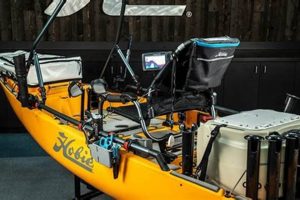
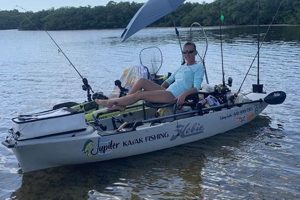
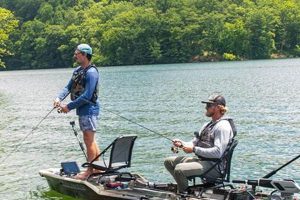
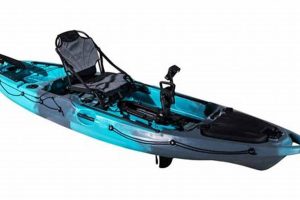
Paddling through the tranquil, clear waters surrounding the Florida Keys while casting a line offers a unique angling experience. This method of fishing provides access to shallow-water flats, mangrove forests, and hard-to-reach areas teeming with a variety of game fish. Imagine hooking a feisty tarpon in the morning sun or battling a permit in the shallows these are the opportunities that await.
This style of fishing is popular for several reasons. Its quiet approach minimizes disturbance to marine life, increasing the chances of a successful catch. The low impact on the environment aligns with conservation efforts, promoting sustainable fishing practices. Moreover, the physical activity of paddling combined with the thrill of the catch creates a rewarding and immersive outdoor experience. Historically, small, non-motorized vessels have been utilized for fishing in the Keys, showcasing the long-standing connection between the community and the surrounding waters.
The subsequent sections will delve deeper into the essential aspects of this activity, including the ideal locations, suitable equipment, targeted species, and responsible fishing practices.
Tips for Kayak Fishing in the Florida Keys
Successful kayak fishing in the Florida Keys requires preparation and awareness. The following tips offer valuable insights for a safe and productive experience.
Tip 1: Prioritize Safety Equipment: Always wear a personal flotation device (PFD). Carry a whistle, signaling mirror, and VHF radio for emergencies. A first-aid kit and sunscreen are essential. File a float plan with a friend or family member detailing planned locations and return times.
Tip 2: Understand Tidal Flows: Tides significantly impact fishing conditions. Incoming tides bring baitfish and larger predators closer to shore, creating optimal feeding opportunities. Consult tide charts before venturing out and plan accordingly.
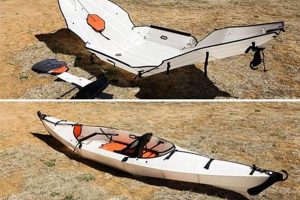
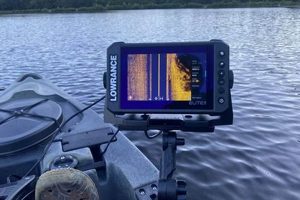
Tip 3: Choose Appropriate Gear: Select a kayak designed for stability and fishing, equipped with rod holders and storage compartments. Use tackle appropriate for target species. Consider a fish finder or GPS for navigation and locating fish.
Tip 4: Respect Wildlife and the Environment: Practice catch-and-release whenever possible to conserve fish populations. Adhere to fishing regulations and obtain necessary licenses. Avoid disturbing nesting birds or other wildlife. Pack out all trash and leave no trace behind.
Tip 5: Be Weather Aware: Florida Keys weather can change rapidly. Check forecasts before heading out and be prepared for sudden changes in wind, rain, or temperature. Avoid fishing during thunderstorms or lightning storms.
Tip 6: Hire a Guide (Optional): Consider hiring a local guide for those unfamiliar with the area. Guides possess valuable knowledge of local fishing spots, species behavior, and effective techniques. They can enhance the overall experience and increase chances of success.
Tip 7: Employ Proper Anchoring Techniques: A properly set anchor prevents drifting and allows anglers to focus on fishing. Utilize appropriate anchor types for the bottom conditions (sand, grass, rock). Ensure the anchor line is of sufficient length and properly secured.
By following these tips, anglers can enhance their chances of a successful and enjoyable outing. Preparation and mindfulness contribute significantly to both safety and the preservation of this unique environment.
The following section will provide information on choosing the right kayak for this type of fishing.
1. Location Selection

Strategic location selection is paramount for successful kayak fishing in the Florida Keys. The diverse ecosystem offers a range of habitats, each attracting specific species and requiring tailored approaches. Choosing the right location dramatically influences fishing outcomes.
- Shallow-Water Flats
Flats, characterized by their shallow depths and sandy or grassy bottoms, provide prime habitat for bonefish, permit, and other sought-after species. The clear water allows sight-fishing opportunities, demanding stealth and precision. Examples include the flats surrounding Islamorada and the Marquesas Keys. The shallow nature of these areas makes them easily accessible by kayak, offering an advantage over larger vessels.
- Mangrove Forests
The intricate root systems of mangrove forests offer shelter for snook, redfish, and juvenile tarpon. Navigating these areas requires careful maneuvering and a shorter, more robust rod. The Florida Bay side of the Keys, particularly near Key Largo and Flamingo, presents excellent mangrove fishing opportunities. These protected environments also offer calmer waters, ideal for kayak anglers.
- Offshore Reefs and Wrecks
While requiring more experience and seaworthy kayaks, venturing further offshore to reefs and wrecks provides access to larger pelagic species like snapper, grouper, and mackerel. Using a fish finder or GPS is crucial for locating these structures. The reefs off Key West and Marathon are popular destinations. However, weather conditions and currents must be carefully considered before attempting offshore kayak fishing.
- Bridges and Channels
Bridges and channels create natural funnels for baitfish and larger predators. These areas often hold strong currents, concentrating fish. Locations like the Seven Mile Bridge and Channel Five offer productive fishing. Proper anchoring techniques are essential when fishing in these high-current areas.
By understanding the characteristics and potential of each location type, anglers can tailor their approach and maximize their chances of a successful and enjoyable kayak fishing experience in the Florida Keys. Combining location selection with knowledge of target species behavior and appropriate tackle creates a synergistic approach crucial for success.
2. Kayak Choice

Kayak selection significantly impacts the effectiveness and enjoyment of fishing in the Florida Keys. The chosen vessel must balance stability, maneuverability, and storage capacity within the context of the targeted fishing environment. Selecting an inappropriate kayak can compromise safety and limit access to productive fishing grounds. For example, a short, recreational kayak designed for calm lakes lacks the stability and tracking required for navigating open water or currents encountered in the Keys. Conversely, a large, ocean-going kayak, while stable, may prove cumbersome when navigating shallow flats or mangrove forests. Therefore, careful consideration of kayak characteristics is essential for successful Florida Keys fishing.
Several factors influence kayak choice. Hull design plays a crucial role in stability. Wider, flatter hulls offer greater initial stability, ideal for calmer waters and sight-fishing. Longer, narrower hulls provide better tracking and speed, suitable for covering greater distances or paddling in currents. Sit-on-top kayaks are favored for their self-bailing capacity and ease of re-entry in the event of a capsize, a critical safety consideration in open water. Sit-inside kayaks offer some protection from the elements and greater storage capacity, advantageous for longer trips. Furthermore, features like rod holders, anchor trolleys, and storage compartments enhance fishing functionality. A well-equipped kayak allows anglers to focus on fishing rather than managing gear, increasing efficiency and enjoyment.
Matching kayak choice to the intended fishing environment is crucial. Stable, shorter kayaks excel in shallow flats and mangrove forests, allowing anglers to maneuver easily in tight spaces. Longer, more seaworthy kayaks are necessary for venturing offshore to reefs or navigating open water. Understanding the target species also influences kayak selection. For example, targeting larger game fish like tarpon necessitates a stable platform capable of handling powerful runs and acrobatic leaps. Ultimately, a thoughtful approach to kayak selection significantly enhances the overall fishing experience in the Florida Keys, maximizing both safety and success. The careful consideration of these factors ensures a seamless integration between angler, vessel, and environment, fostering a more productive and rewarding fishing experience.
3. Targeted Species
The diverse fish populations of the Florida Keys present a compelling array of targets for kayak anglers. Understanding the habits and habitats of these species is crucial for successful fishing. Matching tackle, techniques, and location selection to the targeted species significantly increases the likelihood of a productive and rewarding experience. The following explores key species commonly targeted by kayak anglers in the Florida Keys.
- Bonefish
Known for their elusive nature and powerful runs, bonefish inhabit shallow flats and are prized for their sporting qualities. Sight-fishing with light tackle and small, shrimp-imitating flies is a popular approach. Their presence in shallow, accessible areas makes them ideal targets for kayak anglers. The subtle takes and blistering runs demand precise casting and skilled fish handling.
- Tarpon
The “silver king” of the flats, tarpon are renowned for their acrobatic leaps and challenging fights. These large fish often patrol channels and deeper flats, requiring heavier tackle and strong leaders. Their size and power make them a thrilling target for experienced kayak anglers. Landing a tarpon from a kayak presents a unique challenge and accomplishment.
- Permit
Permit are notoriously selective feeders, presenting a challenging yet rewarding target for skilled anglers. Found on flats and around reefs, they often require precise presentations of crab or shrimp imitations. Their wary nature and powerful runs test an angler’s patience and skill, making them a highly sought-after species among kayak anglers.
- Snook
Snook inhabit mangrove forests, offering exciting fishing opportunities in sheltered waters. These ambush predators respond well to a variety of lures and baits. Their presence in mangrove-lined shorelines makes them readily accessible to kayak anglers. Navigating the intricate root systems of mangroves adds an element of challenge and excitement to the pursuit of snook.
Targeting specific species enhances the focus and effectiveness of kayak fishing in the Florida Keys. By understanding the nuances of each species’ behavior and preferred habitats, anglers can refine their approach and maximize their chances of success. The combination of location selection, appropriate tackle, and targeted species knowledge creates a synergistic approach that elevates the overall fishing experience. The thrill of pursuing these prized game fish from the unique perspective of a kayak provides an unparalleled angling adventure in the diverse ecosystem of the Florida Keys.
4. Tackle and Bait
Tackle and bait selection are critical components of successful kayak fishing in the Florida Keys. The diverse fish species inhabiting these waters require specific approaches. Proper tackle and bait choices maximize catch rates while respecting the delicate balance of the ecosystem. Understanding the target species’ feeding habits and the prevalent fishing conditions informs these crucial decisions. A mismatch between tackle, bait, and target species can lead to frustration and lost opportunities. Therefore, careful consideration of these factors is paramount for a productive and enjoyable fishing experience.
- Rods and Reels
Lightweight, durable rods and reels are essential for kayak fishing. Spinning reels paired with 7- to 8-foot medium-light to medium-heavy rods provide versatility for various species. Shorter rods offer better maneuverability within the confines of a kayak, while longer rods provide increased casting distance. Fly fishing enthusiasts often employ specialized fly rods and reels designed for saltwater environments. Selecting the appropriate rod and reel combination depends on the target species and fishing style. For example, targeting larger species like tarpon requires heavier tackle than fishing for bonefish on the flats.
- Lines and Leaders
Braided fishing line offers strength and sensitivity, crucial for detecting subtle bites and battling strong fish. Fluorocarbon leaders provide abrasion resistance and near invisibility in the clear waters of the Keys. Leader strength should be adjusted based on the target species and the presence of structure like coral or rocks. Using a heavier leader when fishing near structure minimizes break-offs. Conversely, a lighter leader can be advantageous when targeting wary fish in clear, shallow water.
- Artificial Lures
Artificial lures, such as jigs, soft plastics, and topwater plugs, effectively mimic the prey of various fish species. Choosing lures that match the size, color, and action of prevalent baitfish increases their effectiveness. For example, small, shrimp-imitating lures are effective for bonefish, while larger, brightly colored plugs can entice barracuda or mackerel. Varying retrieval speeds and techniques can further enhance lure presentation and trigger strikes.
- Live Bait
Live bait, including shrimp, crabs, and small fish, presents a natural and enticing offering for many species. Using live bait requires proper handling and rigging techniques to maximize its effectiveness. Live bait is often preferred for targeting larger or more selective feeders. For example, live shrimp are a favored bait for snook and redfish, while live crabs are often used to entice permit. Understanding the target species’ preferred prey dictates the most effective live bait choices.
The careful selection of tackle and bait directly influences success in Florida Keys kayak fishing. By considering the target species, fishing environment, and prevalent conditions, anglers can optimize their approach and maximize their catch rates. The appropriate combination of rods, reels, lines, leaders, and bait ensures a more productive and enjoyable fishing experience. This knowledge allows anglers to adapt to changing conditions and target specific species effectively, further enhancing their connection with the diverse marine ecosystem of the Florida Keys.
5. Safety Precautions
Safeguarding against potential hazards is paramount in Florida Keys kayak fishing. The marine environment presents inherent risks, requiring careful planning and preparation. Ignoring safety precautions can jeopardize not only the fishing experience but also personal well-being. A comprehensive understanding of these precautions ensures a secure and enjoyable outing.
- Personal Flotation Devices (PFDs)
Wearing a PFD is non-negotiable. Even strong swimmers can encounter unexpected situations, such as capsizing in strong currents or encountering adverse weather conditions. A PFD provides essential buoyancy, increasing the chances of survival in such events. Selecting a comfortable, well-fitting PFD ensures unrestricted movement while paddling and fishing.
- Weather Awareness
Florida Keys weather can change rapidly. Checking marine weather forecasts before embarking and remaining vigilant throughout the trip are crucial. Sudden squalls or thunderstorms can create hazardous conditions for kayakers. Having a plan for seeking shelter or returning to shore in case of inclement weather is essential. Postponing the trip if conditions appear unfavorable demonstrates prudent decision-making.
- Navigation and Communication
Carrying a chart, compass, or GPS device aids navigation, especially in unfamiliar waters or when venturing further offshore. A VHF radio allows communication with the Coast Guard or other boaters in case of emergencies. Informing someone on shore of the planned fishing location and estimated return time provides an additional layer of safety. These communication tools become invaluable in situations requiring assistance.
- Sun Protection
The intense Florida sun poses significant risks of sunburn and heatstroke. Applying sunscreen with a high SPF, wearing protective clothing, and staying hydrated mitigate these risks. A wide-brimmed hat and polarized sunglasses further protect against the sun’s harmful rays. These precautions maintain physical well-being during extended periods on the water.
Prioritizing safety precautions in Florida Keys kayak fishing ensures a responsible and enjoyable experience. These measures mitigate potential risks associated with the marine environment, allowing anglers to focus on the rewarding aspects of fishing. Integrating safety practices into every outing fosters a culture of preparedness and responsible enjoyment of this unique pursuit.
6. Environmental Awareness

Environmental awareness is integral to responsible kayak fishing in the Florida Keys. This fragile ecosystem sustains diverse marine life and requires careful stewardship. The low-impact nature of kayak fishing offers an environmentally conscious approach compared to motorized vessels, but mindful practices are crucial to minimizing disturbance. Cause and effect relationships are evident: discarded fishing line can entangle marine animals, improper disposal of bait can alter local food webs, and careless kayaking can damage sensitive seagrass beds. Real-life examples underscore these impacts. Monofilament line entanglement poses a significant threat to sea turtles, a prominent species in the Keys. Discarded bait can attract invasive species, disrupting the natural balance. Kayaks grounding in shallow seagrass beds can uproot these vital habitats, affecting water quality and marine life dependent on these areas.
Practical application of environmental awareness involves concrete actions. Adhering to “leave no trace” principles ensures the preservation of the natural environment. Retrieving lost tackle, properly disposing of waste, and respecting wildlife contribute significantly to minimizing human impact. Supporting local conservation initiatives and educating fellow anglers further amplify positive change. For example, participating in organized coastal cleanups directly removes debris from the ecosystem. Reporting injured or entangled wildlife to appropriate authorities facilitates timely intervention and rehabilitation. Choosing biodegradable fishing line minimizes long-term environmental impact. These actions demonstrate a commitment to responsible kayak fishing.
Integrating environmental awareness into kayak fishing practices in the Florida Keys safeguards the long-term health and viability of this valuable ecosystem. Recognizing the interconnectedness between human actions and environmental consequences is fundamental. Challenges remain, including educating newcomers and enforcing responsible practices. However, the growing emphasis on sustainable tourism and environmental stewardship offers hope for the future. Ultimately, responsible kayak fishing contributes not only to personal enjoyment but also to the preservation of this unique environment for generations to come.
Frequently Asked Questions
This section addresses common inquiries regarding kayak fishing in the Florida Keys, providing concise and informative responses.
Question 1: What are the licensing requirements for kayak fishing in the Florida Keys?
A saltwater fishing license is generally required. Specific regulations and exemptions, such as those for residents or fishing from licensed charter vessels, can be found through the Florida Fish and Wildlife Conservation Commission (FWC).
Question 2: What are the best times of year to kayak fish in the Florida Keys?
Fishing can be productive year-round, but specific species have peak seasons. Tarpon are typically targeted in the spring and summer, while bonefish and permit are often sought in the fall and winter. Weather conditions also influence fishing success. Consult local fishing reports for current conditions and species activity.
Question 3: What essential safety equipment should one carry while kayak fishing?
Essential safety gear includes a personal flotation device (PFD), a whistle, a signaling mirror, a VHF radio, a first-aid kit, and sunscreen. A properly secured paddle leash prevents loss in the event of a capsize. Navigation tools like a chart, compass, or GPS are also recommended.
Question 4: Are there guided kayak fishing tours available in the Florida Keys?
Numerous licensed guides offer specialized kayak fishing tours. These guides provide valuable local knowledge, enhance safety, and increase the likelihood of successful catches. Researching and selecting reputable guides ensures a positive experience.
Question 5: What are the common kayak fishing techniques employed in the Florida Keys?
Common techniques include sight-fishing on the flats, drifting through channels, and anchoring near structure. Specific methods vary depending on the target species and prevailing conditions. Local guides can provide insights into effective techniques for different areas.
Question 6: What conservation practices should kayak anglers observe in the Florida Keys?
Practicing catch-and-release whenever possible helps conserve fish populations. Properly disposing of fishing line and other waste minimizes environmental impact. Respecting wildlife and avoiding sensitive habitats like seagrass beds contributes to the preservation of the ecosystem.
Careful consideration of these frequently asked questions enhances preparedness and promotes responsible kayak fishing practices in the Florida Keys. Awareness of regulations, safety procedures, and environmental considerations ensures a rewarding and sustainable fishing experience.
For further information on planning a kayak fishing trip to the Florida Keys, consult the resources provided in the following section.
Florida Keys Kayak Fishing
This exploration of Florida Keys kayak fishing has highlighted the multifaceted nature of this pursuit. From the strategic selection of kayaks and locations to the nuanced understanding of targeted species and tackle, each element contributes to a successful and enriching experience. The emphasis on safety precautions and environmental awareness underscores the importance of responsible angling practices. This approach ensures the preservation of this unique ecosystem while maximizing enjoyment for current and future generations of anglers.
The Florida Keys offer an unparalleled opportunity to connect with a vibrant marine environment. The quiet approach afforded by kayak fishing allows for a deeper immersion in the natural world, fostering a greater appreciation for its delicate balance. Preserving this resource through mindful practices ensures the continued viability of this rewarding pursuit. The future of Florida Keys kayak fishing rests on the collective commitment to responsible angling and environmental stewardship.