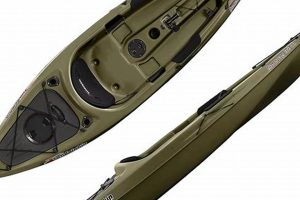
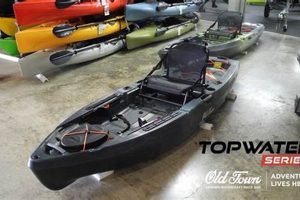
Compact, portable vessels designed for anglers, these boats combine the utility of a kayak with the convenience of foldability. Imagine a watercraft easily transported in the trunk of a car, then quickly unfolded and launched for a fishing excursion on a remote lake or river. This describes the essential nature of these specialized kayaks.
The portability and ease of storage offered by these designs represent a significant advantage for anglers. They eliminate the need for roof racks or trailers, opening up fishing opportunities in previously inaccessible locations. Furthermore, advancements in materials and construction techniques have resulted in durable, stable platforms capable of handling various fishing conditions. This evolution has broadened their appeal beyond casual recreational use to encompass more serious angling pursuits.
This article will delve deeper into the specific features, advantages, and disadvantages of this type of watercraft. Topics covered will include material selection, construction methods, portability and storage considerations, performance on the water, fishing-specific features, and popular models available on the market. It will also offer guidance on selecting the right model for individual needs and budgets.
Tips for Utilizing Foldable Fishing Kayaks
Proper utilization of a foldable fishing kayak enhances safety and enjoyment while maximizing the benefits of its portability and specialized features. The following tips offer valuable insights for anglers considering or already employing these unique vessels.
Tip 1: Practice Assembly and Disassembly: Familiarization with the specific folding mechanism prior to reaching the water is crucial. Repeated practice ensures efficient setup and breakdown, saving valuable fishing time.
Tip 2: Prioritize Weight Capacity: Adhering to manufacturer-specified weight limits is paramount for safety and performance. Consider combined weight of the angler, gear, and potential catch.
Tip 3: Distribute Weight Evenly: Balanced loading within the kayak contributes significantly to stability and efficient tracking through the water. Distribute gear evenly throughout the hull.
Tip 4: Choose Appropriate Water Conditions: Foldable kayaks are generally well-suited for calm waters such as lakes, ponds, and slow-moving rivers. Exercise caution in rougher conditions or strong currents.
Tip 5: Invest in Essential Safety Gear: A personal flotation device (PFD) is mandatory. A whistle, signaling mirror, and basic first-aid kit are also recommended safety precautions.
Tip 6: Utilize Fishing-Specific Features: Capitalize on features such as rod holders, tackle storage compartments, and anchor trolleys to optimize the angling experience.
Tip 7: Maintain and Clean Regularly: Proper care prolongs the lifespan of the kayak. Rinse with fresh water after each use and store in a dry, protected environment. Inspect for damage regularly.
By adhering to these guidelines, anglers can significantly enhance safety, efficiency, and enjoyment when using a foldable fishing kayak, allowing for a more rewarding and productive experience on the water.
This collection of tips provides a solid foundation for successful outings on the water. The next section will offer a comprehensive overview of important factors to consider when selecting a foldable fishing kayak.
1. Portability

Portability stands as a defining characteristic of the fishing foldable kayak, significantly impacting its appeal and practicality. The ability to fold these vessels into a compact form facilitates transport in vehicles without requiring specialized racks or trailers. This transformative feature expands access to remote fishing locations previously challenging to reach with traditional rigid kayaks. Consider an angler living in an apartment with limited storage space. A foldable kayak offers the opportunity to enjoy the sport without the constraints of storing and transporting a bulky rigid hull. Similarly, accessing secluded coves or upstream stretches of rivers becomes feasible, unlocking new fishing opportunities. The reduced reliance on vehicle modifications contributes to cost-effectiveness and expands the range of suitable transportation options.
This inherent portability extends beyond mere transport. The compact folded size simplifies storage, whether in a small apartment, a garage, or even a boat locker. This ease of storage reduces barriers to entry for individuals with limited space, making kayak fishing more accessible. Furthermore, the lightweight nature of many foldable models enhances portability, making them easier to carry to and from launch points, particularly beneficial for anglers fishing solo or accessing areas without convenient launch facilities. For example, accessing a remote alpine lake now becomes achievable with a foldable kayak easily carried along a hiking trail. This expanded accessibility allows anglers to explore diverse environments and target a wider range of species.
In essence, portability serves as a cornerstone of the foldable fishing kayak’s utility. By overcoming limitations of transport and storage, these vessels empower anglers to explore new waters and enjoy the sport with greater convenience. While considerations such as on-the-water performance remain important, the inherent portability significantly broadens the horizons of kayak fishing and contributes to its growing popularity.
2. Stability
Stability represents a critical performance attribute in fishing foldable kayaks, directly influencing angling success and overall safety. A stable platform provides a secure base for casting, reeling, and landing fish, minimizing the risk of capsizing, especially during critical moments like hooking a large fish or navigating challenging currents. Consider the scenario of an angler standing to cast in a foldable kayak. A stable hull allows for confident weight shifting and reduces the likelihood of an unsteady platform compromising the cast or, worse, leading to a fall. The importance of stability is amplified when fishing in moving water or challenging weather conditions. A stable kayak inspires confidence, allowing anglers to focus on fishing rather than constantly battling to maintain balance.
Several factors contribute to the stability of a fishing foldable kayak. Hull design, including width, length, and shape, plays a significant role. Wider kayaks generally offer greater initial stability, while longer kayaks tend to track better in a straight line. Features such as outriggers or pontoons can further enhance stability, providing additional support and reducing the likelihood of tipping. Weight distribution within the kayak also influences stability. Evenly distributing gear and maintaining a low center of gravity contributes to a more stable platform. Understanding these factors empowers anglers to select kayaks and employ techniques that maximize stability. For instance, an angler targeting larger fish in open water might prioritize a wider, more stable hull design over a narrower, faster kayak better suited for calm rivers.
In summary, stability serves as a cornerstone of effective and safe fishing from a foldable kayak. A stable platform enhances casting accuracy, facilitates fish handling, and minimizes the risk of capsizing. Understanding the factors that influence stability, such as hull design and weight distribution, empowers anglers to make informed choices and enjoy a more confident and productive fishing experience. While portability and storage convenience remain key advantages of foldable kayaks, prioritizing stability ensures these benefits can be enjoyed safely and effectively on the water.
3. Durability
Durability constitutes a critical factor in evaluating fishing foldable kayaks, directly influencing their lifespan and overall value. These vessels endure significant stresses during transport, deployment, and use on the water. Exposure to varying weather conditions, potential impacts with underwater obstacles, and the general wear and tear of regular use necessitate robust construction and resilient materials. A durable kayak ensures reliable performance over extended periods, minimizing the need for repairs and replacements, ultimately maximizing the angler’s investment.
- Material Selection
Material selection plays a pivotal role in determining a foldable kayak’s durability. High-quality polymers, such as PVC and Hypalon, offer excellent resistance to abrasion, punctures, and UV degradation. These materials contribute to a robust hull capable of withstanding impacts and exposure to the elements. For instance, a kayak constructed from durable PVC can withstand scraping against rocks during launching or landing without sustaining significant damage. The choice of material directly correlates with the kayak’s ability to endure the rigors of regular use in diverse environments.
- Construction Methods
Construction methods significantly influence a foldable kayak’s structural integrity and resistance to wear. Reinforced seams, robust frames, and quality hardware contribute to a durable and reliable vessel. Drop-stitch construction, for example, creates a rigid, air-filled hull with high tensile strength, capable of withstanding considerable pressure and impacts. Similarly, well-executed welding or bonding of seams prevents leaks and ensures the kayak maintains its structural integrity over time. Careful attention to construction details translates directly to a kayak’s ability to withstand the stresses of regular use.
- Maintenance and Care
Proper maintenance and care significantly extend the lifespan of a fishing foldable kayak. Regular cleaning, proper storage, and timely repairs contribute to preserving its structural integrity and material resilience. For instance, rinsing the kayak with fresh water after each use prevents salt buildup and minimizes the risk of material degradation. Storing the kayak in a dry, protected environment shields it from UV damage and temperature extremes. Diligent maintenance practices maximize the long-term durability and performance of the kayak.
- Long-Term Performance
A durable fishing foldable kayak offers consistent performance over extended periods. Resistance to wear and tear ensures the kayak remains reliable and functional, minimizing disruptions to fishing trips due to repairs or replacements. A durable kayak allows anglers to focus on the experience, confident in the vessel’s ability to perform consistently in various conditions. This reliability contributes significantly to the overall enjoyment and value of owning a foldable fishing kayak.
In conclusion, durability represents a crucial aspect of a fishing foldable kayak’s overall value. Material selection, construction methods, and maintenance practices directly influence a kayak’s ability to withstand the rigors of regular use and exposure to diverse environments. A durable kayak provides reliable performance, extending its lifespan and maximizing the angler’s investment, ultimately contributing to a more enjoyable and productive fishing experience.
4. Storage
Storage considerations significantly influence the practicality and appeal of fishing foldable kayaks. Unlike rigid kayaks requiring substantial storage space, foldable designs address this challenge directly. Their compact folded dimensions allow storage in smaller spaces, such as apartment closets, car trunks, or boat lockers. This convenience eliminates the need for dedicated storage racks or large garages, making kayak ownership feasible for individuals with limited space. Consider an urban angler living in a small apartment. A foldable kayak empowers them to enjoy the sport without the constraint of storing a bulky, rigid hull. This ease of storage expands access to kayak fishing, removing a significant barrier to entry for many potential enthusiasts. The compact nature also simplifies transport, allowing for quick deployment and retrieval at various fishing locations.
The ease of storage extends beyond residential settings. For individuals with limited vehicle space, transporting a rigid kayak often necessitates roof racks or trailers. Foldable kayaks eliminate this requirement, allowing transport within the confines of a standard car trunk. This reduces transportation costs and complexity, broadening access to diverse fishing locations. Imagine an angler embarking on a cross-country road trip. A foldable kayak allows them to explore various waterways along the route without the cumbersome logistics of transporting a rigid hull. Furthermore, the compact folded size simplifies storage on boats, enabling anglers to bring a kayak along on larger vessels for excursions to smaller coves or rivers inaccessible to the larger craft. This versatility enhances fishing opportunities and expands the range of exploration possible.
In summary, convenient storage represents a defining advantage of fishing foldable kayaks. The compact folded dimensions facilitate storage in limited spaces, both at home and during transport. This convenience eliminates significant barriers to entry, expanding access to the sport for individuals with limited storage capacity or vehicle space. The ability to easily store and transport these kayaks enhances their versatility, empowering anglers to explore diverse waterways and enjoy the sport with greater freedom and convenience.
5. Fishing Features

Specialized features designed for angling significantly enhance the utility of foldable kayaks, transforming them from simple watercraft into dedicated fishing platforms. These features cater specifically to the needs of anglers, optimizing efficiency, comfort, and overall fishing success. Integrating these features directly into the design of a foldable kayak elevates its functionality beyond basic paddling and reinforces its purpose as a dedicated fishing vessel.
- Rod Holders
Integrated rod holders secure fishing rods, freeing hands for paddling, maneuvering, and other essential tasks. Multiple rod holders allow anglers to employ diverse fishing techniques simultaneously, increasing the likelihood of success. Consider a kayak angler trolling with one rod while simultaneously jigging with another. Dedicated rod holders secure both rods, preventing loss and maximizing fishing efficiency.
- Tackle Storage
Dedicated compartments and storage solutions keep tackle organized and readily accessible. This organized system streamlines lure changes and ensures essential gear remains within easy reach. Imagine an angler needing a specific lure quickly when a fish surfaces. Organized tackle storage facilitates rapid retrieval, maximizing the opportunity for a successful catch.
- Anchor Trolleys
Anchor trolleys allow controlled positioning of the kayak in a current, maintaining an optimal fishing location. This precise control enhances angling effectiveness, especially in rivers or tidal flows. An angler fishing in a strong current can utilize an anchor trolley to maintain a steady position relative to a promising fishing spot, maximizing the presentation of bait or lures.
- Mounting Points for Fish Finders and Other Accessories
Integrated mounting points facilitate the installation of fish finders, GPS units, and other electronic accessories, enhancing angling precision and strategic decision-making. A fish finder mounted on a foldable kayak provides real-time information about water depth, fish location, and bottom structure, enabling anglers to target specific areas and species effectively.
These integrated fishing features transform foldable kayaks into highly effective fishing platforms, optimizing efficiency and enhancing the overall angling experience. The inclusion of these specialized features underscores the design’s focus on functionality and caters directly to the unique needs of kayak anglers. By incorporating these elements, foldable kayaks seamlessly blend portability and specialized functionality, empowering anglers to explore diverse waterways and pursue their passion with greater effectiveness and enjoyment.
6. Weight Capacity

Weight capacity represents a critical safety and performance parameter for fishing foldable kayaks. It dictates the maximum combined weight of the angler, gear, and potential catch the kayak can safely support. Exceeding this limit compromises stability, maneuverability, and structural integrity, potentially leading to capsizing or equipment failure. Understanding and adhering to weight capacity guidelines is paramount for a safe and successful fishing experience.
- Safety Implications
Exceeding the specified weight capacity significantly increases the risk of capsizing, particularly in challenging conditions such as rough water or strong currents. A kayak overloaded beyond its design limits sits lower in the water, reducing freeboard and increasing susceptibility to swamping. This compromised stability poses a serious safety risk, especially in remote locations or adverse weather. Adhering to weight limits ensures a safe margin of buoyancy and stability, minimizing the risk of capsizing.
- Performance Impact
Weight capacity directly influences a kayak’s performance on the water. An overloaded kayak paddles less efficiently, requiring greater effort to achieve desired speeds and maneuverability. Reduced freeboard increases drag, further hindering performance. Maintaining appropriate weight distribution within the kayak’s specified limits ensures optimal performance, allowing for efficient paddling and maneuverability.
- Equipment Integrity
Excessive weight strains the kayak’s structure, potentially leading to damage or failure. Seams may stretch or tear, frames can bend or break, and the hull itself may deform under excessive load. Respecting weight capacity limits preserves the kayak’s structural integrity, ensuring long-term reliability and performance. Overloading compromises the kayak’s durability, potentially leading to costly repairs or premature replacement.
- Calculating Total Load
Accurately calculating the total load is crucial for staying within safe limits. Consider not only body weight but also the weight of all gear, including fishing rods, tackle boxes, coolers, and any other equipment brought on board. Adding the potential weight of a catch to this calculation ensures the total weight remains within the kayak’s specified capacity. Careful consideration of all potential weight contributions ensures safe and responsible operation.
Weight capacity serves as a fundamental constraint governing safe and effective operation of fishing foldable kayaks. Respecting this limit ensures stability, optimal performance, and preserves the kayak’s structural integrity. Careful consideration of weight capacity and diligent calculation of total load are essential practices for responsible kayak anglers, prioritizing safety and maximizing the enjoyment of the sport.
Frequently Asked Questions
This section addresses common inquiries regarding fishing foldable kayaks, providing concise and informative responses to facilitate informed decision-making and enhance understanding of these specialized vessels.
Question 1: How durable are foldable kayaks compared to traditional rigid kayaks?
Modern foldable kayaks utilize durable materials and construction techniques, offering comparable durability to rigid kayaks in many situations. While not impervious to damage, they withstand typical fishing conditions effectively. Material selection and construction quality significantly influence durability.
Question 2: Are foldable kayaks stable enough for fishing?
Stability varies depending on design and intended use. Wider, flatter-hulled models provide greater stability for fishing activities. Weight distribution and adherence to manufacturer-specified weight limits also significantly influence stability.
Question 3: How long does it take to assemble and disassemble a foldable kayak?
Assembly time typically ranges from 10 to 20 minutes, depending on the model and user familiarity. Practice significantly reduces setup time. Disassembly generally requires a similar timeframe.
Question 4: What type of water are foldable kayaks suitable for?
Foldable kayaks perform well in calm to moderately choppy waters, such as lakes, ponds, slow-moving rivers, and protected coastal areas. They are generally not recommended for challenging whitewater or open ocean conditions.
Question 5: How much storage space does a folded kayak require?
Folded dimensions vary by model but generally resemble a large suitcase or duffel bag. Specific dimensions are available from manufacturers for each model, enabling assessment of storage requirements.
Question 6: What maintenance is required for a foldable kayak?
Regular rinsing with fresh water after each use and proper storage in a dry, protected environment are essential maintenance practices. Periodic inspection for damage and timely repairs contribute to extended lifespan and optimal performance.
Understanding these key aspects of fishing foldable kayaks empowers informed decision-making and facilitates a more rewarding fishing experience. Careful consideration of individual needs and priorities ensures selection of the most appropriate model and promotes safe and enjoyable use on the water.
This concludes the frequently asked questions section. The subsequent section will delve into specific considerations for choosing the right foldable fishing kayak based on individual fishing styles and preferences.
Conclusion
Compact, portable fishing kayaks offer anglers unique advantages in accessing diverse waterways and simplifying transport and storage. Careful consideration of factors like hull design, material selection, weight capacity, and integrated features ensures selection of a vessel optimized for individual angling needs. Durability, stability, and specialized fishing features contribute significantly to a productive and enjoyable on-the-water experience. Understanding these elements empowers informed decision-making, maximizing the benefits of this innovative approach to kayak fishing.
The evolution of fishing foldable kayaks continues to refine design and enhance performance, promising further advancements in portability, stability, and specialized functionality. As technology progresses and materials science advances, these vessels will undoubtedly play an increasingly prominent role in the future of angling, empowering anglers to explore new waters and pursue their passion with greater convenience and efficiency.