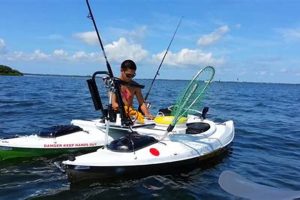
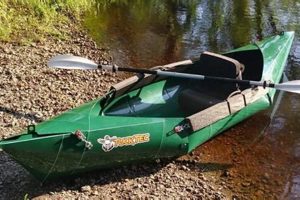
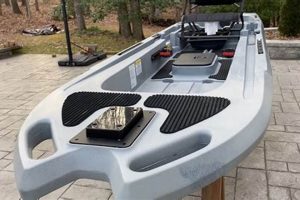
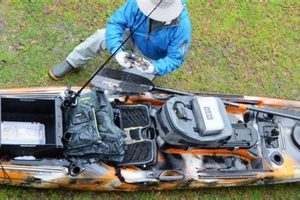
A premium angling vessel prioritizes ergonomic design, ample storage, and stability. Features like adjustable seating, ample legroom, and strategically placed rod holders contribute to an enhanced on-the-water experience. For instance, a high-back seat with lumbar support can significantly reduce fatigue during long fishing trips, while a wide, stable hull ensures safety and maneuverability.
Anglers benefit from enhanced endurance, improved casting accuracy, and increased focus due to reduced physical strain. Historically, fishing kayaks were less specialized. Modern advancements in materials and design now allow for a higher degree of customization and comfort, leading to longer, more productive, and more enjoyable fishing excursions. This focus on physical well-being reflects a broader trend in outdoor recreation toward prioritizing comfort and maximizing the overall experience.
This discussion will delve deeper into the key elements that define a superior fishing kayak, including seating systems, hull design, storage solutions, and essential accessories. Further exploration of materials, construction techniques, and individual angler needs will provide a comprehensive understanding of how to choose the ideal vessel.
Tips for Selecting a Premium Angling Kayak
Careful consideration of several key factors ensures optimal comfort and performance on the water. These guidelines offer valuable insights for anglers seeking the ideal vessel.
Tip 1: Prioritize Adjustable Seating: Seek seating systems offering adjustable backrests, lumbar support, and legroom customization. A proper ergonomic fit minimizes fatigue and maximizes comfort during extended fishing trips.
Tip 2: Evaluate Hull Design: Consider hull stability and maneuverability. Wider hulls generally offer greater stability, while longer, narrower hulls provide increased speed. The choice depends on individual fishing styles and water conditions.
Tip 3: Assess Storage Capacity: Ample storage for tackle, gear, and personal items is crucial. Look for well-designed compartments, tank wells, and mounting options for accessories.
Tip 4: Examine Rod Holders and Placement: Strategically positioned and readily accessible rod holders are essential for efficient fishing. Consider adjustable and rotating holders for optimal versatility.
Tip 5: Consider Weight Capacity: Ensure the kayak’s weight capacity accommodates the angler’s weight, gear, and potential catch. Exceeding the capacity compromises stability and performance.
Tip 6: Test Paddle Comfort and Length: Choose a paddle with an ergonomic grip and appropriate length for efficient paddling and reduced strain. A comfortable paddle significantly enhances the overall experience.
Tip 7: Factor in Intended Use Case: Consider the fishing environment (rivers, lakes, oceans) and target species. Specific kayak designs cater to different fishing styles and conditions.
Following these guidelines allows anglers to choose a vessel that promotes comfort, enhances performance, and maximizes enjoyment on the water. Proper selection contributes significantly to a more productive and satisfying fishing experience.
By understanding these critical aspects, anglers can make informed decisions, leading to a more fulfilling and successful time on the water.
1. Seat Design

Seat design plays a crucial role in determining the overall comfort and fishability of a kayak. An uncomfortable seat can lead to fatigue, back pain, and a diminished fishing experience. Therefore, careful consideration of seat features is paramount when selecting a fishing kayak.
- Material and Construction
Seat materials significantly impact comfort and durability. High-quality, breathable fabrics, such as padded mesh or UV-resistant polyester, offer superior comfort and longevity. Closed-cell foam padding provides cushioning and resists water absorption. Durable construction with reinforced stitching ensures the seat withstands regular use and exposure to the elements. Examples include high-density foam padding and molded plastic frames.
- Adjustability
Adjustable features allow anglers to customize the seat to their individual needs. Adjustable backrests provide crucial lumbar support and allow for changes in posture throughout the day. Forward and backward adjustability enables fine-tuning of legroom and positioning relative to the pedals or footrests. This customization can significantly reduce fatigue and improve casting mechanics. Examples include adjustable straps, sliding tracks, and lever-controlled recline mechanisms.
- Height and Elevation
Seat height influences visibility, casting angles, and ease of entry and exit. Elevated seats provide better sightlines for spotting fish and navigating shallow water. Lower seats offer increased stability and a lower center of gravity. The optimal seat height depends on individual preferences and fishing styles. Some kayaks offer adjustable seat heights, while others have fixed positions.
- Breathability and Ventilation
Breathability is essential for comfort, especially in warm weather. Ventilated seats promote airflow, reducing heat buildup and perspiration. Materials like mesh or perforated fabrics enhance breathability. Proper ventilation can significantly improve comfort during long hours on the water, especially in hot and humid climates.
These facets of seat design collectively contribute to a more comfortable and enjoyable fishing experience. By carefully considering these elements, anglers can choose a kayak that maximizes comfort, reduces fatigue, and enhances overall performance on the water. A well-designed seat allows for extended fishing trips with minimal physical strain, allowing anglers to focus on the sport and maximize their time on the water.
2. Hull Stability
Hull stability significantly influences comfort and confidence in a fishing kayak. A stable hull minimizes unsettling rocking or tipping, allowing anglers to focus on fishing rather than maintaining balance. This stability reduces anxiety, particularly in challenging conditions such as wind or current, promoting a more relaxed and enjoyable experience. A stable platform also allows for more comfortable standing, which can be crucial for sight fishing or casting. For example, a wider, flatter hull design offers greater initial stability, beneficial for calmer waters and stand-up fishing. Conversely, a narrower, V-shaped hull, while less stable initially, may provide superior secondary stability (resistance to tipping at greater angles), making it suitable for rougher conditions.
The relationship between hull stability and comfort extends beyond physical security. Enhanced stability allows for greater freedom of movement within the kayak. Anglers can shift positions, reach for gear, and cast without fear of capsizing, reducing physical strain and promoting a more natural, comfortable posture. This enhanced stability is crucial for activities like fighting larger fish, where sudden movements and shifts in weight can compromise a less stable hull. Consider, for instance, the difference between landing a large fish in a wide, stable sit-on-top kayak versus a narrow, tippy recreational kayak. The former provides a secure platform, while the latter requires constant attention to balance, potentially leading to discomfort and even a lost catch.
Understanding the nuances of hull stability is essential for selecting the most suitable fishing kayak. Factors such as hull shape, width, length, and weight capacity contribute to overall stability. Matching these factors to the intended fishing environment and angler preferences ensures optimal comfort and performance. While initial stability is often prioritized for beginners and calm water fishing, experienced anglers venturing into rougher conditions may prioritize secondary stability. A comprehensive understanding of these principles empowers anglers to make informed decisions, enhancing both comfort and safety on the water.
3. Storage Capacity

Ample and well-organized storage significantly contributes to comfort and efficiency in a fishing kayak. A lack of adequate storage necessitates cumbersome gear management, disrupting fishing flow and potentially compromising safety. Conversely, sufficient storage allows for strategic organization of tackle, rods, and other essentials, minimizing clutter and maximizing readily accessible space. This organizational efficiency translates to a more comfortable and focused fishing experience, allowing anglers to concentrate on the task at hand rather than wrestling with tangled lines or misplaced equipment. For example, a kayak equipped with dedicated tackle compartments, rod holders, and dry storage allows for effortless retrieval of lures, quick rod changes, and protection of sensitive electronics. This organized environment promotes a more relaxed and enjoyable experience, reducing frustration and maximizing fishing time.
Practical examples further illustrate the importance of storage capacity. Consider an angler targeting multiple species requiring different rods and tackle. A kayak with insufficient storage would force the angler to make difficult choices about what gear to bring, limiting versatility and potentially hindering success. Alternatively, a kayak with ample storage allows for the transport of a wider array of equipment, enabling the angler to adapt to changing conditions and target diverse species. Similarly, a kayak with dedicated dry storage protects essential items like phones, wallets, and cameras from water damage, providing peace of mind and enhancing the overall experience. This preparedness contributes to a more comfortable and confident outing, allowing anglers to focus on fishing without worrying about damaged equipment.
In summary, adequate storage capacity is integral to a comfortable and productive fishing kayak experience. Strategic organization of gear enhances efficiency, reduces clutter, and promotes a more focused and enjoyable outing. By carefully considering storage needs and selecting a kayak with appropriate features, anglers can maximize comfort, minimize frustration, and enhance their overall success on the water. This understanding empowers informed decision-making, leading to a more rewarding and comfortable fishing experience. Failing to prioritize storage can lead to a cluttered, disorganized, and ultimately less comfortable fishing trip, highlighting the crucial role of this often-overlooked aspect.
4. Paddle Ergonomics

Paddle ergonomics directly influence comfort and performance in a fishing kayak. An improperly fitted or poorly designed paddle can lead to fatigue, strain, and discomfort, detracting from the overall fishing experience. Conversely, an ergonomic paddle maximizes efficiency, reduces physical stress, and enhances enjoyment on the water. The connection lies in the reduction of repetitive strain injuries and the optimization of paddling mechanics. An ergonomic paddle, with its contoured grip and appropriate shaft length, facilitates a more natural and efficient paddling stroke, minimizing stress on joints and muscles. This translates to reduced fatigue, increased endurance, and a more comfortable experience, particularly during long paddling sessions.
Consider the impact of paddle length. A paddle that is too short forces the paddler to overextend, leading to shoulder and back strain. A paddle that is too long requires excessive bending and twisting, stressing wrists and elbows. An appropriately sized paddle, determined by factors such as torso height and kayak width, optimizes leverage and minimizes strain. Similarly, grip design plays a crucial role. A comfortable, ergonomic grip reduces pressure points and allows for a secure yet relaxed hold, preventing blisters and fatigue. Features like adjustable feathering angles further customize the paddling experience, accommodating individual preferences and biomechanics. These adjustments optimize power transfer and minimize wrist strain, contributing to a more comfortable and efficient paddling stroke. For example, an angler fishing in windy conditions might adjust the feather angle to reduce wind resistance, improving comfort and control.
Understanding paddle ergonomics is essential for maximizing comfort and performance in a fishing kayak. Selecting an appropriately sized and designed paddle minimizes strain, reduces fatigue, and enhances overall enjoyment on the water. This informed approach contributes to a more positive and productive fishing experience, allowing anglers to focus on the sport rather than battling discomfort. Failing to prioritize paddle ergonomics can lead to unnecessary physical stress and a diminished appreciation of the on-the-water experience, highlighting the crucial link between proper paddling mechanics and overall comfort.
5. Adjustable Features

Adjustable features are crucial for optimizing comfort and functionality in a fishing kayak. These customizable elements allow anglers to tailor the vessel to their individual needs and preferences, promoting proper posture, reducing strain, and enhancing overall performance. The ability to fine-tune various components contributes significantly to a more comfortable and enjoyable fishing experience.
- Seat Positioning
Adjustable seat positioning allows for customization of legroom, back support, and overall posture. Sliding tracks or lever-controlled mechanisms enable forward-and-aft adjustments, accommodating different body types and fishing styles. Adjustable backrests further refine posture and provide crucial lumbar support, minimizing fatigue during long hours on the water. For example, a taller angler might prefer a more reclined seat position with extended legroom, while a shorter angler might opt for a more upright position closer to the pedals. Proper seat positioning enhances comfort, reduces strain, and improves paddling efficiency.
- Footrest Placement
Adjustable footrests provide essential leverage and support for efficient paddling and stability. They accommodate varying leg lengths and allow for adjustments based on paddling style and water conditions. Secure and properly positioned footrests enhance power transfer during paddling, reduce leg fatigue, and contribute to overall balance and control. For instance, an angler paddling in rough water might prefer a wider footrest placement for increased stability, while an angler focused on speed might opt for a narrower stance. Adjustable footrests ensure optimal comfort and performance regardless of individual preferences or changing conditions.
- Rod Holder Positioning
Adjustable rod holders offer flexibility and convenience for managing fishing rods. Rotating and adjustable-angle holders allow anglers to position rods at optimal angles for trolling, casting, or storage. This adaptability enhances fishing efficiency, reduces clutter, and minimizes the risk of tangled lines. For example, an angler trolling might position rods outward at a low angle, while an angler casting might prefer a more upright position. Adjustable rod holders cater to diverse fishing techniques and preferences, enhancing both comfort and practicality.
- Rudder Control Systems
Adjustable rudder control systems enhance maneuverability and directional control, particularly in windy or challenging conditions. Foot-operated rudder systems allow for hands-free steering, enabling anglers to maintain their fishing position and focus on casting or reeling. Adjustable rudder pedals accommodate different leg lengths and preferences, ensuring comfortable and efficient control. For instance, an angler navigating strong currents might utilize the rudder frequently for precise positioning, highlighting the importance of comfortable and accessible controls. This enhanced maneuverability reduces physical strain and allows for more precise navigation, contributing to a more comfortable and productive fishing experience.
These adjustable features, when combined, significantly enhance the comfort and functionality of a fishing kayak. The ability to customize the vessel to individual needs and preferences promotes proper ergonomics, reduces physical strain, and maximizes fishing efficiency. By prioritizing adjustability, anglers can create a personalized on-the-water experience that optimizes comfort, performance, and overall enjoyment.
Frequently Asked Questions
This section addresses common inquiries regarding the selection and use of fishing kayaks designed for optimal comfort.
Question 1: What seat features contribute most significantly to comfort during long fishing trips?
High backrests, adjustable lumbar support, breathable fabrics, and ample padding are key features that minimize fatigue and enhance comfort during extended periods on the water.
Question 2: How does hull design influence stability and comfort?
Wider hulls generally provide greater initial stability, while longer, narrower hulls offer better tracking and speed. The optimal hull design depends on the intended fishing environment and angler preferences.
Question 3: What storage features should one consider for a comfortable fishing experience?
Dedicated tackle storage, dry compartments for electronics and personal items, and strategically placed rod holders contribute to a more organized and efficient fishing experience, enhancing overall comfort.
Question 4: How does paddle length and design impact comfort and performance?
An appropriately sized paddle with an ergonomic grip minimizes strain and maximizes paddling efficiency. Adjustable feathering angles further customize the paddling experience for individual preferences.
Question 5: Why are adjustable features important in a comfortable fishing kayak?
Adjustable seating, footrests, and rod holders allow anglers to customize the kayak to their specific needs, promoting proper posture, reducing strain, and enhancing overall comfort and control.
Question 6: What factors influence the overall weight capacity of a fishing kayak, and why is this important for comfort?
Hull design, materials, and construction influence weight capacity. Selecting a kayak with adequate capacity ensures stability, safety, and comfortable performance on the water.
Careful consideration of these factors contributes significantly to the selection of a fishing kayak that prioritizes comfort, enhances performance, and maximizes enjoyment on the water.
Further exploration of specific kayak models and accessories will provide a more comprehensive understanding of how to create the ideal personalized fishing platform.
Conclusion
Optimal comfort on the water hinges on a confluence of factors, ranging from ergonomic seating and stable hull design to ample storage and efficient paddle mechanics. Adjustable features further personalize the experience, accommodating individual angler preferences and maximizing both comfort and performance. Careful consideration of these elements transforms a simple vessel into a personalized fishing platform, promoting endurance, enhancing focus, and ultimately contributing to a more rewarding experience.
The evolution of fishing kayak design continues to prioritize comfort and functionality. As technology advances and angler needs evolve, the pursuit of the ideal fishing kayak remains a dynamic and engaging endeavor, promising further innovations in comfort, performance, and overall on-the-water experience. Investing time and consideration in selecting the appropriate vessel ultimately yields significant dividends in enjoyment and success on the water.