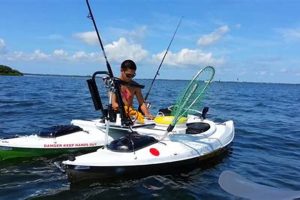
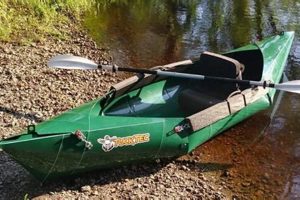
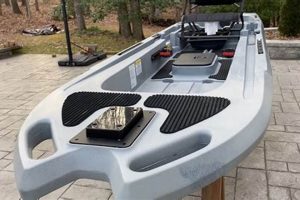
This subject refers to the practice of angling from a kayak, popularized and significantly advanced by the expertise and advocacy of a particular individual. This approach combines the quiet, low-impact nature of kayak navigation with the accessibility and excitement of fishing, allowing anglers to reach shallow waters, navigate tight spaces, and approach fish stealthily. It often involves specialized equipment, such as fishing kayaks designed for stability and gear storage, and techniques adapted for the unique challenges and opportunities presented by this platform.
This style of fishing offers numerous advantages. It provides enhanced access to secluded fishing spots often unreachable by larger boats, promoting a closer connection with nature and minimizing environmental impact. Its affordability, compared to motorized boating, makes it accessible to a wider range of enthusiasts. Furthermore, the physical activity involved contributes to a healthier lifestyle. The rising popularity of this method reflects a growing appreciation for its blend of sport, recreation, and environmental consciousness.
Further exploration of this topic might delve into specific techniques for various fish species, recommended equipment and safety practices, popular destinations, and the ongoing evolution of specialized kayak design and fishing gear. The subject’s growing community and resources also provide a rich area for investigation.
Kayak Fishing Tips
Strategic preparation and execution are crucial for a successful and enjoyable kayak fishing experience. The following tips offer guidance for maximizing efficiency and safety on the water.
Tip 1: Prioritize Stability: Kayak selection is paramount. Wider, flatter hulls offer greater stability, especially for beginners. Consider weight capacity, including gear, and practice entering and exiting the kayak in shallow water before venturing further.
Tip 2: Master Paddle Control: Efficient paddling conserves energy and allows precise maneuvering. Learn basic strokes and practice maintaining a straight course. Consider a rudder or skeg for enhanced tracking in windy conditions.
Tip 3: Organize and Secure Gear: Utilize storage compartments and deck rigging to keep essential equipment within easy reach and prevent loss or damage. Waterproof bags and containers protect sensitive items from splashes and submersion.
Tip 4: Plan and Share Your Route: Inform someone of your intended fishing location and estimated return time. Carry a map, compass, or GPS device, especially in unfamiliar waters. Check weather forecasts before departure and be prepared for changing conditions.
Tip 5: Practice Catch and Release Techniques: Minimize handling time and use appropriate tools, such as barbless hooks and lip grips, to reduce stress on the fish. Revive fish in the water before release to ensure their survival.
Tip 6: Dress for Immersion: Wear appropriate clothing for the water temperature, not the air temperature. A personal flotation device (PFD) is essential and should be worn at all times. Consider wearing quick-drying fabrics and layers for adaptable comfort.
Tip 7: Observe Wildlife Respectfully: Maintain a safe distance from wildlife and avoid disturbing their natural habitat. Dispose of fishing line and other waste responsibly to protect the environment.
By adhering to these guidelines, anglers can enhance their safety, improve their fishing success, and contribute to the preservation of aquatic ecosystems.
These practices are fundamental to responsible and rewarding kayak fishing, fostering a deeper appreciation for the sport and the natural world.
1. Stealth

Stealth is paramount in the fishing methodology associated with John Skinner. It represents a core principle enabling anglers to approach fish undetected, significantly increasing the likelihood of successful catches. This approach leverages the inherent quietness and maneuverability of kayaks to minimize disturbance and maximize angling effectiveness.
- Reduced Noise:
Kayaks, unlike motorized boats, produce minimal noise. This inherent quietness allows anglers to navigate within close proximity to fish without alarming them. The absence of engine noise, combined with a smooth paddling technique, creates an environment conducive to stealthy approaches, particularly in shallow or calm waters.
- Low Profile:
The low profile of a kayak further enhances stealth. Sitting close to the waterline minimizes visibility to fish, reducing the chances of detection. This low vantage point allows anglers to blend into the surroundings and approach target areas discreetly.
- Maneuverability:
Kayaks offer exceptional maneuverability, enabling anglers to navigate tight spaces and shallow waters often inaccessible to larger vessels. This precise control allows for carefully planned approaches, avoiding obstacles and minimizing disturbance to the surrounding environment, further enhancing stealth.
- Natural Camouflage:
The use of camouflage patterns and earth-toned colors on kayaks and clothing further contributes to stealth. Blending with the natural environment helps anglers remain inconspicuous, especially in areas with vegetation or complex underwater structures. This camouflage extends the principles of stealth beyond minimizing sound and profile to visually integrating with the surroundings.
These facets of stealth, integral to this specialized fishing approach, contribute significantly to its effectiveness. By minimizing disturbance and maximizing concealment, anglers can approach fish with a higher degree of success, enhancing the overall fishing experience while promoting responsible angling practices.
2. Shallow Water Access

Shallow water access represents a defining characteristic of the fishing style pioneered by John Skinner. Kayaks, with their shallow drafts and maneuverability, grant access to areas often unreachable by larger, motorized boats. This capability unlocks significant advantages for anglers targeting species that frequent these environments. The shallows often serve as nurseries and feeding grounds, attracting a diverse range of fish. Kayaks allow for precise navigation through these shallows, maximizing angling opportunities while minimizing disturbance to the habitat.
The ability to exploit shallow water zones is a core component of this method. Consider the pursuit of striped bass in tidal creeks and estuaries. Traditional powerboats often struggle to navigate these shallow, complex waterways. Kayaks, however, excel in these environments, allowing anglers to quietly approach prime fishing locations. Similarly, when targeting bonefish on shallow flats, the kayak’s minimal draft and quiet operation are crucial for success. The ability to silently glide over shallow seagrass beds without spooking wary fish provides a distinct advantage. These examples illustrate the practical significance of shallow water access within this fishing system.
Exploiting shallow water habitats requires an understanding of fish behavior and the dynamics of these ecosystems. Tidal flows, water temperature, and prey availability influence fish distribution within the shallows. Knowledge of these factors, combined with the shallow water access afforded by kayaks, enhances angling effectiveness. However, it also underscores the importance of responsible angling practices. Minimizing disturbance to these delicate ecosystems is crucial for their preservation. Careful navigation, catch-and-release techniques, and respect for the environment are essential considerations for anglers operating in these sensitive areas. The ability to access these shallow water environments comes with a responsibility to protect them.
3. Specific Tackle Selection

Specific tackle selection is integral to the effectiveness of the fishing methods often associated with John Skinner. His approach emphasizes adapting gear to target species, prevailing conditions, and the unique constraints of kayak fishing. This targeted approach maximizes efficiency and success on the water.
- Rod and Reel Combinations:
Rod and reel choices depend on the target species and fishing style. Lightweight, shorter rods are often preferred for maneuverability within the confines of a kayak. Spinning reels are common for their ease of use and versatility, while baitcasting reels offer greater control for specific techniques. For instance, a lighter action spinning rod paired with a 2500-size reel might be ideal for targeting speckled trout, while a heavier, faster action rod with a larger baitcasting reel might be suited for striped bass.
- Line and Leader Selection:
Line and leader choices are crucial for achieving stealth and effectively presenting lures or bait. Braided lines offer high sensitivity and strength, allowing for better detection of bites and control of fish. Fluorocarbon leaders, due to their low visibility, are often preferred for connecting the main line to the lure or hook, reducing the likelihood of spooking wary fish. For example, when fishing in clear water for species like bonefish, a light fluorocarbon leader is essential for success.
- Lure Selection:
Lure choices are dictated by target species, water conditions, and fishing location. Artificial lures that mimic the appearance and movement of prey are often effective. Examples include soft plastic swimbaits, topwater plugs, and jigs. The selection of lure size, color, and action should be carefully considered based on the target species and the prevailing conditions. Matching the hatchselecting lures that imitate the prevalent forageis a key principle.
- Essential Accessories:
A range of accessories enhances efficiency and safety. These include pliers for removing hooks, a knife for cutting line, a landing net for securing larger fish, and a measuring device for ensuring compliance with regulations. Additional items such as rod holders, tackle boxes, and anchor systems contribute to organization and stability within the kayak. These accessories are tailored to the specific demands of kayak fishing.
Careful consideration of these tackle components contributes to a successful kayak fishing experience. Adapting gear to the specific demands of the environment and the target species is crucial for maximizing efficiency and effectiveness. This meticulous approach to tackle selection reflects a core principle of this fishing style preparedness and adaptability are key to success on the water. This emphasis on tailored equipment reflects a commitment to maximizing angling opportunities while minimizing environmental impact.
4. Adaptability to Conditions
Adaptability to changing conditions is a cornerstone of successful kayak fishing, particularly within the specialized approach developed by John Skinner. This adaptability encompasses responding effectively to variations in weather, tides, water clarity, and fish behavior. It requires continuous assessment and adjustment of techniques, enhancing angling success and promoting a deeper understanding of the aquatic environment. The following facets highlight the multifaceted nature of adaptability in this context.
- Weather Fluctuations:
Weather patterns can shift rapidly on the water. Adapting to changes in wind speed and direction, temperature, and precipitation is essential for both safety and fishing effectiveness. Adjusting paddling techniques to compensate for wind drift, modifying clothing choices for thermal comfort, and seeking sheltered areas during sudden storms are crucial aspects of weather adaptability. For example, shifting from a topwater lure to a deeper-diving crankbait in response to increased wind chop demonstrates adaptability. Prioritizing safety underscores the importance of this adaptability.
- Tidal Influences:
Tidal currents and water levels significantly influence fish behavior and movement patterns. Understanding tidal cycles and their impact on target species is crucial for effective fishing. Adapting fishing locations, lure presentations, and retrieval speeds based on tidal stage maximizes opportunities. Fishing near inlets or channels during incoming tides, for instance, can capitalize on the influx of baitfish and the predatory fish that follow. This responsiveness to tidal changes optimizes fishing strategies.
- Water Clarity Variations:
Water clarity impacts fish visibility and affects lure selection and presentation. Adapting to changes in water clarity, whether due to rainfall, algal blooms, or sediment, is essential for maintaining effectiveness. Switching to brighter, more visible lures in murky water or opting for natural, subtle presentations in clear water demonstrates adaptability. Understanding the interplay between water clarity and fish behavior informs lure choices and retrieval techniques.
- Fish Behavior Shifts:
Fish behavior is dynamic and influenced by numerous factors, including prey availability, water temperature, and spawning cycles. Adapting to observed fish behavior is crucial for consistent success. Switching lure types, modifying retrieval patterns, or changing fishing locations based on observed activity patterns maximizes angling opportunities. For instance, observing surface feeding activity might prompt a switch to topwater lures, while a lack of surface activity might suggest exploring deeper water with jigs or soft plastics. Continuous observation and adaptation refine angling strategies.
These interconnected facets of adaptability highlight the dynamic nature of kayak fishing within this specific approach. Successfully navigating these variables requires continuous observation, analysis, and adjustment. This adaptability not only enhances fishing success but also fosters a deeper understanding of the aquatic environment and the complex interactions within it. It reinforces the principle that effective kayak fishing requires not only skill and knowledge but also a flexible and responsive approach to the ever-changing conditions on the water.
5. Respect for the Environment
Environmental stewardship is integral to the fishing philosophy popularized by John Skinner. His approach recognizes the delicate balance of aquatic ecosystems and emphasizes responsible angling practices that minimize impact and promote conservation. This respect for the environment is not merely an ethical consideration but a practical one, contributing to the long-term health of fisheries and the sustainability of the sport itself. The following facets illustrate key components of this environmentally conscious approach.
- Minimizing Disturbance:
Kayaks, by their nature, offer a low-impact means of navigating waterways. Their quiet operation and minimal wake minimize disturbance to aquatic life and habitats compared to motorized vessels. This reduced impact allows anglers to approach fish without disrupting their natural behaviors and minimizes damage to sensitive shallow-water environments such as seagrass beds and oyster reefs. Quiet entry and exit techniques further reduce potential disruption.
- Catch-and-Release Practices:
Catch-and-release fishing is a cornerstone of this conservation-minded approach. Returning caught fish to the water unharmed helps maintain healthy fish populations and preserves the ecosystem’s balance. Utilizing proper handling techniques, minimizing air exposure, and using barbless hooks contribute to successful catch and release, ensuring the long-term viability of the fishery. This practice demonstrates a commitment to preserving angling opportunities for future generations.
- Leave No Trace Principles:
Adhering to Leave No Trace principles extends environmental responsibility beyond the act of fishing. Proper disposal of fishing line and other waste prevents entanglement of wildlife and pollution of waterways. Respecting wildlife by observing from a safe distance and avoiding disturbance of nesting areas further demonstrates a commitment to environmental stewardship. These practices contribute to the overall health and integrity of the natural environment.
- Advocacy and Education:
Promoting responsible angling practices through advocacy and education amplifies the impact of individual actions. Sharing knowledge about catch-and-release techniques, proper waste disposal, and respect for wildlife encourages broader adoption of these principles within the angling community. This collective effort contributes to the long-term conservation of aquatic ecosystems and ensures the sustainability of the sport. Active participation in conservation initiatives further strengthens this commitment.
These interconnected facets of environmental respect underscore the holistic nature of John Skinner’s influence on kayak fishing. His approach recognizes that responsible angling is not merely a set of rules but a philosophy that guides actions and fosters a deeper appreciation for the natural world. This commitment to environmental stewardship ensures the long-term health of aquatic ecosystems and the sustainability of kayak fishing for generations to come. The principles outlined contribute not only to the preservation of the environment but also to the enhancement of the angling experience itself, fostering a deeper connection between angler and nature.
6. Knowledge of Fish Behavior
A deep understanding of fish behavior is fundamental to the effectiveness of the kayak fishing strategies championed by John Skinner. This knowledge informs decisions regarding location selection, lure presentation, and retrieval techniques, maximizing angling success while minimizing environmental impact. It represents a core principle that distinguishes this approach, emphasizing observation, analysis, and adaptation to the nuances of fish behavior.
- Tidal Influences on Feeding Patterns:
Fish behavior is often closely tied to tidal cycles. Understanding how tidal currents and water levels influence feeding patterns is crucial. For example, predatory fish like striped bass often ambush prey near inlets and channels during incoming tides, capitalizing on the influx of baitfish. Knowledge of these patterns allows anglers to position themselves strategically and optimize lure presentations.
- Species-Specific Habitat Preferences:
Different fish species exhibit distinct habitat preferences. Knowledge of these preferences informs location selection. For instance, speckled trout often seek shelter and forage around submerged structures like oyster reefs and seagrass beds. Targeting these specific habitats increases the likelihood of encountering the target species. This targeted approach minimizes indiscriminate searching and reduces disturbance to other areas.
- Seasonal Behavioral Variations:
Fish behavior varies seasonally, influenced by factors such as water temperature, spawning cycles, and prey availability. Adapting fishing strategies to these seasonal changes is crucial for consistent success. During spawning seasons, for example, certain species might congregate in specific areas, presenting unique angling opportunities. Recognizing these seasonal patterns informs location choices and tackle selection.
- Lure Presentation and Retrieval Techniques:
Knowledge of fish behavior informs lure presentation and retrieval techniques. Matching lure action, color, and size to the prevalent prey and understanding how fish react to different retrieval speeds maximizes effectiveness. For instance, a slow, steady retrieve might be effective for mimicking a wounded baitfish, while a fast, erratic retrieve might trigger a reaction strike from a predatory fish. This nuanced approach enhances the effectiveness of lure presentations.
These interconnected aspects of fish behavior highlight the importance of observation, analysis, and adaptation in kayak fishing. By understanding the underlying drivers of fish behavior, anglers can make informed decisions that maximize their chances of success while minimizing their impact on the environment. This emphasis on knowledge and understanding underscores the depth and sophistication of this particular approach to kayak fishing, distinguishing it as a thoughtful and effective method that goes beyond simply casting a line and hoping for the best. It embodies a more engaged and informed style of angling, built upon a deep respect for the aquatic environment and its inhabitants.
Frequently Asked Questions
This section addresses common inquiries regarding the specialized kayak fishing techniques often associated with John Skinner.
Question 1: What type of kayak is best suited for this style of fishing?
While specific models vary, kayaks designed for stability, maneuverability, and shallow-water access are generally preferred. Wider, flatter hulls offer enhanced stability, while shorter lengths improve maneuverability in tight spaces. Sit-on-top kayaks are often favored for their ease of entry and exit, particularly in shallow water.
Question 2: What are the essential safety precautions for kayak fishing?
Wearing a personal flotation device (PFD) is paramount. Informing someone of your fishing location and estimated return time is also crucial. Checking weather forecasts before departure and being prepared for changing conditions, including carrying appropriate safety gear like a whistle and signaling device, are essential safety practices. Understanding basic navigation and self-rescue techniques further enhances safety.
Question 3: What are the advantages of using a kayak for fishing compared to a motorized boat?
Kayaks offer distinct advantages, including access to shallow, secluded areas often unreachable by larger vessels, a stealthier approach that minimizes disturbance to fish, affordability compared to motorized boats, and the physical activity inherent in paddling. This combination of accessibility, stealth, and affordability makes kayak fishing an attractive option for anglers of all skill levels.
Question 4: What are the core principles of this particular fishing method?
Stealth, shallow-water access, specific tackle selection, adaptability to conditions, respect for the environment, and a deep understanding of fish behavior are fundamental principles. These principles emphasize a thoughtful, informed approach to angling, maximizing effectiveness while minimizing environmental impact. This approach promotes both angling success and environmental stewardship.
Question 5: How does this approach differ from conventional fishing methods?
This specialized approach emphasizes stealth and shallow-water access afforded by kayaks, often targeting species and habitats inaccessible to conventional methods. It prioritizes a deep understanding of fish behavior and environmental conditions, adapting techniques to maximize success within these specific contexts. The focus on minimal disturbance and conservation practices further distinguishes this approach.
Question 6: What resources are available for learning more about this style of fishing?
Numerous online resources, including instructional videos, articles, and forums, offer valuable insights into this specialized approach. Books and publications dedicated to kayak fishing provide comprehensive guidance on techniques, equipment, and safety practices. Local kayak fishing clubs and outfitters often organize workshops and guided trips, offering hands-on learning opportunities.
Understanding these key aspects provides a foundation for appreciating the effectiveness and nuances of this specialized kayak fishing methodology. The emphasis on preparedness, adaptability, and environmental responsibility underscores the depth and sophistication of this approach.
Further exploration might involve researching specific techniques for targeted species, exploring recommended equipment options, or investigating local fishing regulations and conservation initiatives.
Conclusion
This exploration has highlighted the multifaceted nature of the specific style of kayak fishing often associated with John Skinner. Key elements include stealth, leveraging the kayak’s inherent quietness for close approaches; specialized tackle selection, optimizing gear for target species and conditions; an intimate understanding of fish behavior, informing strategic decisions; and a deep respect for the environment, guiding responsible angling practices. Shallow water access, afforded by the kayak’s unique capabilities, unlocks opportunities in habitats often inaccessible to other methods.
This approach represents more than just a technique; it embodies a philosophy of informed engagement with the aquatic environment. Adaptability to changing conditions, from weather fluctuations to tidal influences, underscores the dynamic nature of this pursuit. Continued learning, refined observation, and a commitment to conservation will ensure the enduring appeal and sustainability of this specialized fishing style. The future of this method lies in the hands of anglers who embrace these principles, contributing to both the enjoyment of the sport and the preservation of the resources it depends upon.