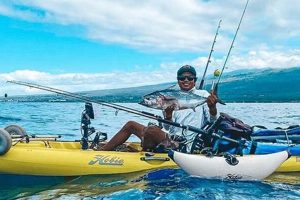
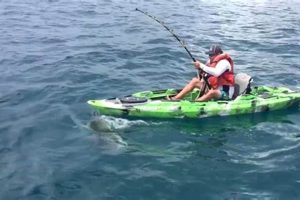
The combination of a popular watersport with a renowned angling method offers a unique recreational experience in the coastal waters near Pensacola, Florida. This activity allows individuals to explore diverse marine environments, from shallow estuaries and bays to nearshore Gulf waters, while targeting a variety of fish species. The stability and maneuverability of kayaks provide anglers with access to locations often unreachable by larger vessels.
This approach to angling provides numerous advantages. It fosters a closer connection with nature, offering a quiet and personal fishing experience. The low impact of kayaks minimizes disturbance to the marine environment compared to motorized boats. Furthermore, the relatively low cost of entry compared to traditional boat ownership makes this style of fishing accessible to a broader audience. This activity also contributes to the local economy through kayak rentals, guided tours, and related businesses.
Subsequent sections will delve into specific aspects, covering topics such as popular fishing locations, target species, recommended gear and techniques, safety considerations, and relevant regulations. This information aims to equip individuals with the knowledge and resources necessary for a successful and enjoyable experience on the water.
Tips for Kayak Fishing in Pensacola
Careful planning and preparation contribute significantly to a successful and enjoyable kayak fishing excursion in the Pensacola area. The following tips offer valuable insights for anglers of all skill levels.
Tip 1: Check Weather and Tide Conditions: Prior to departure, consult marine forecasts for wind speed, wave height, and tidal currents. Adverse conditions can create hazardous situations, particularly for inexperienced paddlers. Prefer calmer days with minimal wind and current.
Tip 2: Choose Appropriate Launch Sites: Select launch sites based on target fishing areas and prevailing conditions. Public boat ramps, designated kayak launch areas, and accessible shorelines are common options. Consider proximity to parking, restrooms, and other amenities.
Tip 3: Pack Essential Gear and Safety Equipment: Carry essential fishing gear, including rods, reels, tackle, and bait appropriate for target species. Safety equipment, such as a personal flotation device (PFD), whistle, and signaling device, is paramount. A first-aid kit, sunscreen, and hydration are also recommended.
Tip 4: Plan Your Fishing Route: Map out intended fishing locations, considering water depth, structure, and potential hazards. Utilize nautical charts and GPS devices for navigation and to mark productive areas.
Tip 5: Practice Kayak Control and Stability: Familiarize oneself with kayak handling and stability prior to venturing into open water. Practice paddling techniques, turning maneuvers, and recovery from capsizing in a controlled environment.
Tip 6: Respect Wildlife and the Environment: Adhere to Leave No Trace principles by packing out all trash and avoiding disturbance to wildlife and sensitive habitats. Follow all applicable fishing regulations and licensing requirements.
Tip 7: Be Aware of Other Vessels: Maintain awareness of other boats and watercraft. Kayaks are smaller and less visible than larger vessels; therefore, exercise caution and maintain a safe distance. Carry a signaling device to alert other boaters of your presence.
By adhering to these guidelines, anglers can enhance their safety, maximize their fishing success, and contribute to the preservation of the Pensacola area’s natural resources.
The concluding section will summarize key takeaways and emphasize the overall importance of responsible kayak fishing practices.
1. Location Selection

Strategic location selection is paramount for successful kayak fishing in Pensacola. The diverse estuarine and nearshore environments offer a range of habitats, each supporting different species and requiring specific angling approaches. Choosing the right location directly influences catch potential and overall fishing experience.
- Inshore Bays and Estuaries
Protected bays like Pensacola Bay and Escambia Bay provide calmer waters ideal for beginners. These brackish environments host species such as redfish, speckled trout, and flounder. Shallow grass flats, oyster bars, and docks are productive fishing spots within these bays. Knowledge of tidal currents and water clarity enhances success in these areas.
- Nearshore Gulf of Mexico Waters
For experienced kayakers, venturing into the nearshore Gulf offers opportunities for larger species like king mackerel, cobia, and snapper. Artificial reefs, nearshore wrecks, and areas with significant bottom structure attract these pelagic fish. Careful attention to weather forecasts and sea conditions is crucial for safe and productive fishing in these exposed locations.
- Coastal Rivers and Creeks
Rivers like the Blackwater River and Yellow River present unique kayak fishing opportunities. These freshwater systems hold populations of largemouth bass, bream, and catfish. Paddling upstream into quieter, less-accessed areas often yields better results. Understanding river flow rates and potential obstacles like fallen trees is essential.
- Bridges and Piers
Structures like the Pensacola Bay Bridge and various fishing piers offer a stationary approach to kayak fishing. These areas often congregate baitfish, attracting larger predatory species. Casting around pilings and bridge supports can yield catches of sheepshead, redfish, and other structure-oriented fish. However, anglers should exercise caution near these structures due to boat traffic and strong currents.
Effective location selection hinges upon understanding target species, prevailing conditions, and angler experience levels. By carefully considering these factors, kayak anglers in Pensacola can maximize their chances of a successful and rewarding fishing trip. Informed choices regarding location contribute significantly to both enjoyment and catch rates within this diverse fishery.
2. Tidal Influences
Tidal fluctuations significantly impact kayak fishing success in Pensacola. Understanding tidal currents, water levels, and their effects on fish behavior is crucial for anglers. Effective integration of tidal knowledge into fishing strategies allows for optimized location selection, bait presentation, and overall catch rates.
- Current Strength and Direction
Tidal currents dictate the movement of water and, consequently, the distribution of baitfish and predatory species. Strong incoming tides often bring baitfish into shallower areas, followed by larger fish seeking a meal. Outgoing tides can concentrate fish in channels and deeper holes as water recedes. Kayak anglers should consider current direction when choosing fishing locations and presenting bait, allowing the current to carry lures or bait naturally to target areas. Utilizing drift fishing techniques can prove particularly effective in strong currents.
- Water Depth and Accessibility
Tidal fluctuations alter water depths, opening or closing access to certain fishing grounds. Shallow flats and oyster bars may become accessible during high tides, providing opportunities to target species like redfish and speckled trout. Conversely, low tides may restrict access to these areas but expose deeper channels where other species congregate. Understanding tidal charts and local bathymetry enables anglers to plan accordingly and access otherwise inaccessible areas based on tidal stage.
- Fish Behavior and Feeding Patterns
Fish activity and feeding patterns are closely linked to tidal cycles. Certain species, such as redfish, are known to tail in shallow flats during high tides, actively feeding on crustaceans and small baitfish. Other species may become more active during tide changes, using the moving water to ambush prey. Recognizing these behavioral patterns and adjusting fishing strategies based on tidal stage enhances the likelihood of successful hookups.
- Solunar Influences
The gravitational pull of the moon and sun influences tidal ranges and, consequently, fish behavior. Periods of strong solunar influence, like new and full moons, often correspond with increased fish activity and feeding. Combining tidal information with solunar charts provides valuable insights into peak fishing periods, allowing anglers to optimize their time on the water and increase their chances of success.
By integrating an understanding of tidal influences into their planning and execution, kayak anglers in Pensacola can significantly improve their fishing experience. Matching location choices, fishing techniques, and target species to prevailing tidal conditions is a key element of successful angling in this dynamic coastal environment.
3. Species Targeted

The diverse estuarine and nearshore waters of Pensacola support a rich variety of fish species, making it a prime location for kayak anglers. Targeting specific species requires an understanding of their habitat preferences, feeding behaviors, and seasonal availability. Effective species selection enhances fishing success and contributes to a more rewarding experience.
- Inshore Species
Redfish, speckled trout, and flounder represent popular inshore targets for kayak anglers in Pensacola. These species inhabit shallow grass flats, oyster bars, and bayous, making them readily accessible from a kayak. Light tackle spinning gear or fly fishing equipment are effective methods for targeting these species. Live bait, such as shrimp and minnows, or artificial lures that mimic their prey, can entice strikes.
- Nearshore Pelagic Species
Kayak anglers venturing into the nearshore Gulf of Mexico can target king mackerel, cobia, and Spanish mackerel. These pelagic species are often found near artificial reefs, wrecks, and areas with baitfish concentrations. Trolling or casting with heavier tackle and larger lures is typically employed. Knowledge of seasonal migrations and preferred water temperatures is essential for locating these species.
- Reef and Structure-Oriented Species
Snapper, grouper, and amberjack inhabit nearshore reefs and wrecks. These species are targeted using bottom fishing techniques from a kayak, requiring heavier tackle and specialized rigs. Live or cut bait is often effective in enticing these fish. Accurate boat positioning and knowledge of bottom structure are crucial for success.
- Freshwater Species
Rivers and creeks flowing into Pensacola Bay offer opportunities to target largemouth bass, bream, and catfish. Kayaks provide access to quieter, less-pressured areas of these freshwater systems. Casting lures or using live bait are effective methods depending on the target species and habitat.
Matching target species to location, tackle, and technique significantly enhances kayak fishing success in Pensacola. Understanding the habits and preferences of different species allows anglers to optimize their approach and maximize their chances of a productive and enjoyable fishing trip. Consideration of seasonal variations and local regulations further contributes to responsible and sustainable fishing practices.
4. Equipment Choices

Appropriate equipment selection significantly influences success and safety in Pensacola kayak fishing. The chosen gear must address the specific demands of this activity, considering factors such as target species, fishing location, and prevailing conditions. Careful consideration of these factors ensures a productive and enjoyable experience on the water.
- Kayak Selection
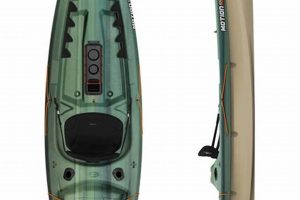
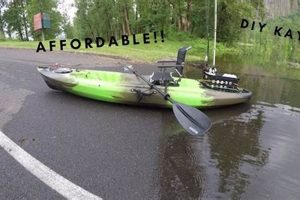
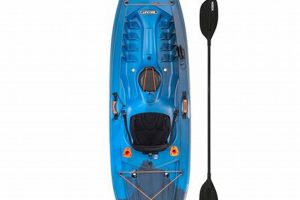
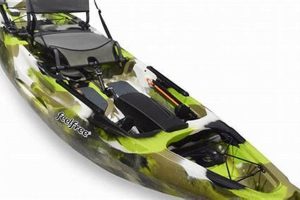
Kayak choice depends on individual needs and fishing style. Sit-on-top kayaks offer stability and ease of use, particularly for beginners. Sit-inside kayaks provide better protection from the elements and greater storage capacity. Pedal-driven kayaks allow hands-free fishing and increased maneuverability, while inflatable kayaks offer portability and convenient storage. Selecting a kayak appropriate for the intended fishing environment, be it calm bays or nearshore Gulf waters, is essential.
- Paddle Choice
Paddle selection impacts paddling efficiency and overall comfort. Lightweight paddles made from materials like fiberglass or carbon fiber reduce fatigue during long paddling sessions. Paddle length should be appropriate for the kayaker’s height and kayak width. A spare paddle is a crucial safety item to carry in case of breakage or loss.
- Fishing Gear
Rods, reels, and tackle should match target species and fishing techniques. Lighter spinning gear is suitable for inshore species like redfish and speckled trout. Heavier tackle is necessary for nearshore species such as king mackerel and cobia. A variety of lures, hooks, and lines should be selected based on target species and fishing conditions. Specialized equipment like rod holders and anchor trolleys enhance kayak fishing efficiency.
- Safety Equipment
Prioritizing safety is paramount in kayak fishing. A personal flotation device (PFD) is essential and should be worn at all times. A whistle, signaling device, and communication device (VHF radio or cell phone in a waterproof case) are crucial for emergencies. Navigation equipment, such as a GPS unit and nautical charts, ensures safe navigation, especially in unfamiliar waters. A first-aid kit, sunscreen, and hydration pack contribute to overall safety and well-being on the water.
The interplay between equipment choices and the Pensacola fishing environment dictates the effectiveness and safety of a kayak fishing trip. A balanced approach to equipment selection, considering both fishing needs and safety requirements, ensures a rewarding and secure experience on the water. By carefully evaluating these factors, anglers can confidently pursue their chosen targets while prioritizing personal safety and enjoyment.
5. Safety Precautions
Safety precautions are paramount in Pensacola kayak fishing due to the inherent risks associated with navigating open water and engaging with marine environments. The combination of environmental factors, such as changing weather conditions, strong currents, and potential interactions with marine life, necessitates careful planning and adherence to safety protocols. Neglecting these precautions can lead to dangerous situations, including capsizing, hypothermia, or encounters with hazardous marine life.
Several key safety measures apply specifically to kayak fishing in Pensacola. Wearing a properly fitted personal flotation device (PFD) is essential, providing buoyancy and increasing survival chances in the event of capsizing. Carrying a signaling device, such as a whistle or air horn, enables communication with other boaters in case of emergencies. Checking marine weather forecasts before embarking on a fishing trip allows anglers to avoid hazardous conditions like strong winds, thunderstorms, or rough seas. Informing someone onshore of the intended fishing location and estimated return time provides an additional layer of safety, enabling prompt assistance if needed. Understanding local regulations and navigational markers is also critical for safe navigation, particularly in areas with heavy boat traffic. Carrying a first-aid kit, sunscreen, and ample drinking water further contributes to angler well-being and preparedness for unforeseen circumstances.
Practical application of these safety precautions contributes significantly to mitigating risks associated with Pensacola kayak fishing. For example, understanding tidal currents and wind patterns can help anglers avoid being swept into hazardous areas. Familiarity with local boating regulations prevents conflicts with other vessels and ensures adherence to designated fishing zones. Carrying a VHF radio enables direct communication with the Coast Guard or other emergency services in case of distress. Regularly inspecting kayak equipment, such as paddles and hatches, identifies potential issues before they escalate into problems on the water. By proactively addressing safety concerns and adhering to established protocols, kayak anglers can significantly reduce the likelihood of accidents and ensure a safe and enjoyable fishing experience.
6. Regulatory Compliance

Regulatory compliance plays a vital role in ensuring the sustainability and responsible enjoyment of Pensacola kayak fishing. Adherence to established rules and guidelines protects fish populations, preserves sensitive habitats, and promotes safe interactions among anglers and other water users. Ignoring these regulations can result in penalties, environmental damage, and potential conflicts. Understanding and complying with these regulations are essential for maintaining the health of the ecosystem and ensuring the longevity of this recreational activity.
- Fishing Licenses and Permits
Possessing a valid Florida fishing license is mandatory for anyone engaging in recreational fishing, including kayak fishing in Pensacola waters. Specific permits may be required depending on the species targeted (e.g., snook or redfish) or fishing location (e.g., state parks or federal waters). Licenses and permits can be obtained online or through authorized vendors. Failure to comply with licensing requirements can lead to fines and legal repercussions.
- Size and Bag Limits
Regulations dictate minimum sizes and daily bag limits for various fish species. These limits are designed to protect fish populations and prevent overfishing. Anglers must familiarize themselves with the specific size and bag limits for their target species and ensure compliance. Carrying a measuring device and adhering to catch limits contributes to sustainable fishing practices.
- Seasonal Closures and Restricted Areas
Certain areas may be closed to fishing during specific seasons to protect spawning fish or sensitive habitats. These closures are crucial for ensuring the long-term health of fish populations and ecosystems. Anglers must consult current regulations and be aware of any seasonal closures or restricted areas before venturing out on the water. Respecting these closures contributes to the preservation of Pensacola’s valuable marine resources.
- Gear Restrictions
Regulations may restrict certain fishing gear types or methods in specific areas. For example, some areas may prohibit the use of gill nets or certain types of traps. These restrictions aim to minimize bycatch, protect sensitive habitats, and promote fair fishing practices. Anglers must familiarize themselves with gear restrictions applicable to their chosen fishing locations and ensure compliance.
By adhering to these regulatory requirements, kayak anglers contribute to the sustainable management of Pensacola’s fisheries and the preservation of its valuable marine ecosystems. Compliance ensures the long-term health of fish populations, protects sensitive habitats, and promotes responsible recreational fishing practices. This collective effort safeguards the future of Pensacola kayak fishing for generations to come.
Frequently Asked Questions about Kayak Fishing in Pensacola
This section addresses common inquiries regarding kayak fishing in Pensacola, Florida. The information provided aims to clarify potential uncertainties and provide practical insights for anglers.
Question 1: What are the most common fish species targeted by kayak anglers in Pensacola?
Common targets include redfish, speckled trout, flounder, king mackerel, Spanish mackerel, cobia, snapper, grouper, and various inshore and nearshore species depending on location and season.
Question 2: What type of kayak is best suited for fishing in Pensacola?
Kayak selection depends on individual preferences and fishing locations. Sit-on-top kayaks are generally preferred for their stability and ease of use, while sit-inside kayaks offer greater protection in colder conditions. Pedal-driven kayaks provide hands-free fishing, and inflatable kayaks offer portability.
Question 3: Are there specific regulations or licensing requirements for kayak fishing in Pensacola?
A valid Florida fishing license is required. Additional permits may be necessary depending on targeted species and fishing locations. Adhering to size and bag limits, seasonal closures, and gear restrictions is crucial.
Question 4: What safety precautions should kayak anglers take in Pensacola?
Essential safety measures include wearing a PFD, carrying a signaling device and communication device, checking weather forecasts before departure, informing someone of fishing plans, and understanding local boating regulations.
Question 5: What are the best times to fish from a kayak in Pensacola?
Fishing success is often influenced by tides and solunar patterns. Incoming and outgoing tides, along with periods of strong solunar influence, typically correspond with increased fish activity. Dawn and dusk often present optimal fishing windows.
Question 6: What essential gear should one bring on a Pensacola kayak fishing trip?
Essential gear includes appropriate fishing rods, reels, tackle, and bait, along with safety equipment such as a PFD, whistle, signaling device, and communication device. Navigation tools, a first-aid kit, sunscreen, and hydration are also recommended.
Addressing these common questions provides a foundational understanding for individuals considering kayak fishing in Pensacola. Thorough preparation, responsible angling practices, and adherence to safety guidelines contribute to a rewarding and safe fishing experience.
Further resources and information can be found through local bait and tackle shops, charter services, and online forums dedicated to Pensacola fishing.
Pensacola Kayak Fishing
Pensacola kayak fishing offers a unique blend of angling excitement and exploration within a diverse coastal ecosystem. From the sheltered bays and estuaries to the nearshore waters of the Gulf of Mexico, opportunities abound for targeting a wide array of species. Success hinges upon understanding key elements such as location selection, tidal influences, species-specific behaviors, appropriate equipment choices, and unwavering adherence to safety protocols and regulatory compliance. These interconnected factors contribute not only to individual angling achievements but also to the long-term sustainability of this valuable resource.
The significance of responsible kayak fishing practices extends beyond individual enjoyment. Respect for the environment, adherence to regulations, and a commitment to ethical angling ensure the preservation of Pensacola’s aquatic ecosystems for future generations. Informed participation in this activity fosters a deeper appreciation for the natural world and strengthens the connection between anglers and the waters they cherish. Continued exploration and responsible engagement promise a vibrant future for Pensacola kayak fishing.