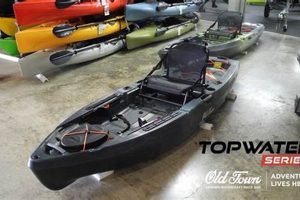
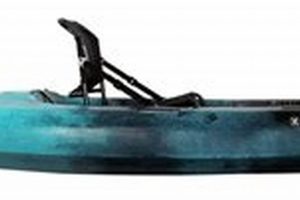
A premium seating system in a fishing kayak prioritizes ergonomics and adjustability to enhance angler comfort and endurance during long hours on the water. Such systems typically feature breathable, high-density foam padding, adjustable backrests and often incorporate special features like breathable mesh or cooling gel inserts to combat heat and moisture. An example might include a stadium-style seat with elevated positioning for better visibility and casting leverage, alongside multiple adjustable straps for customized lumbar support.
Proper postural support and cushioning are essential for preventing fatigue and discomfort, which can significantly impact an angler’s focus and overall fishing experience. Historically, kayak seats were basic and offered minimal comfort. However, the evolution of kayak fishing has led to significant advancements in seat design, prioritizing comfort and functionality to maximize fishing performance. A well-designed seating system allows anglers to maintain optimal posture, reducing strain on the back, neck, and legs, enabling them to fish longer and more effectively. This can be especially critical in demanding fishing environments or during tournaments.
The following sections will delve into specific features to consider when evaluating kayak seating, popular seat styles and materials, and leading manufacturers in the industry.
Tips for Selecting Optimal Kayak Seating
Choosing appropriate seating is crucial for a positive kayaking experience. Consideration of individual needs and preferences, alongside key design elements, ensures long-term comfort and fishing efficacy.
Tip 1: Prioritize Adjustable Backrests: Seek seats offering significant backrest adjustability. This allows customization of lumbar support and alleviates strain during extended outings.
Tip 2: Evaluate Padding and Breathability: High-density, closed-cell foam padding provides superior comfort and durability while resisting water absorption. Breathable materials, like mesh or perforated fabrics, enhance airflow and reduce heat buildup.
Tip 3: Consider Seat Height and Positioning: Higher seat positions improve visibility and casting leverage. Ensure compatibility with the kayak’s design and personal preferences.
Tip 4: Assess Durability and Weather Resistance: Opt for marine-grade materials designed to withstand UV exposure, moisture, and abrasion. Robust stitching and reinforced construction contribute to longevity.
Tip 5: Factor in Weight Capacity and Stability: Ensure the seat’s weight capacity aligns with individual needs and the kayak’s specifications. A stable seating platform enhances balance and safety on the water.
Tip 6: Research Compatibility and Installation: Verify compatibility with the specific kayak model. Evaluate the ease of installation and removal for cleaning and storage.
Tip 7: Test Before Purchasing (If Possible): Sitting in the seat before purchasing allows assessment of comfort and fit. Consider factors like legroom, back support, and overall feel.
Careful consideration of these factors ensures selection of seating that maximizes comfort, promotes good posture, and enhances the overall fishing experience. This ultimately leads to increased time on the water and improved fishing performance.
By understanding the nuances of kayak seat design and applying these tips, anglers can confidently choose the best seating solution for their individual needs and preferences, setting the stage for countless hours of enjoyable and productive fishing.
1. Ergonomics

Ergonomics plays a vital role in kayak seat design, directly impacting angler comfort and long-term health. Proper ergonomic design minimizes strain and maximizes efficiency, allowing for extended periods on the water without discomfort. Understanding key ergonomic principles is crucial for selecting seating that promotes proper posture and reduces fatigue.
- Postural Support
Effective postural support is paramount. A well-designed kayak seat provides adequate lumbar support, promoting a natural spinal curvature and reducing back strain. This can involve adjustable lumbar support systems, contoured seat backs, and strategically placed padding. Proper postural support enables anglers to maintain a comfortable and stable position, even during long hours of fishing. For example, a kayak seat with an adjustable backrest can accommodate different body types and preferences, ensuring optimal spinal alignment.
- Pressure Distribution
Even pressure distribution is essential for minimizing pressure points and discomfort. High-density foam padding and strategically placed support zones help distribute weight evenly across the seating surface. This reduces pressure on sensitive areas like the buttocks and thighs, preventing numbness and discomfort. Seats designed with varying foam densities or gel inserts can further enhance pressure distribution and provide targeted support. Kayak seats incorporating these features are particularly beneficial during extended fishing trips.
- Freedom of Movement
While providing support, an ergonomic kayak seat must also allow for freedom of movement. Anglers need to be able to cast, paddle, and retrieve fish without feeling restricted. Seats with adjustable backrests and sufficient clearance around the hips and legs facilitate a full range of motion. This balance between support and mobility is crucial for both comfort and fishing performance. A seat that restricts movement can hinder casting accuracy and lead to fatigue.
- Stability and Balance
Ergonomic considerations extend beyond just the seat itself. The seat’s position within the kayak and its integration with the overall design contribute to stability and balance. A stable seating platform enhances angler confidence and safety, particularly in challenging conditions. Factors like seat height, width, and attachment points influence stability. A secure and well-positioned seat allows anglers to focus on fishing without worrying about balance.
By carefully considering these ergonomic principles, anglers can choose a kayak seat that optimizes comfort, promotes proper posture, and enhances overall fishing performance. A well-designed ergonomic seat allows for longer, more enjoyable fishing trips with reduced risk of discomfort and injury.
2. Adjustability
Adjustability is a critical factor in determining kayak seat comfort, significantly impacting an angler’s experience. A highly adjustable seat accommodates diverse body types and preferences, enabling personalized comfort and optimal postural support for extended fishing trips. This adaptability minimizes fatigue and maximizes fishing efficiency by allowing anglers to fine-tune their seating position throughout the day.
- Backrest Angle
The ability to adjust the backrest angle is crucial for maintaining proper posture and lumbar support. Various backrest angles cater to different fishing styles and individual preferences. A reclined position may be preferred for relaxed fishing, while a more upright angle provides better support for active casting. Adjustable backrests often incorporate multiple locking positions, ensuring secure and customized support. This adaptability reduces back strain and promotes comfort during long hours on the water. For example, an angler sight fishing might prefer a more upright position, while someone trolling might opt for a more relaxed angle.
- Lumbar Support
Adjustable lumbar support is essential for mitigating back pain and promoting proper posture. This feature allows anglers to customize the level and position of lower back support, accommodating individual spinal curvatures and preferences. Effective lumbar support systems can significantly reduce fatigue and enhance comfort, particularly during extended fishing sessions. Some seats offer inflatable lumbar supports for personalized firmness, while others utilize adjustable straps or pads to fine-tune support. An angler with pre-existing back issues, for example, would significantly benefit from a seat with robust, adjustable lumbar support.
- Seat Height
Adjustable seat height affects visibility, casting leverage, and overall comfort. Higher seat positions provide better sightlines and improved casting angles, while lower positions offer enhanced stability. The ability to adjust seat height allows anglers to adapt to different fishing scenarios and personal preferences. Some kayaks offer sliding track systems for easy height adjustment, while others use adjustable risers or brackets. An angler fishing in shallow water, for instance, might prefer a lower seat position for increased stability, while someone fishing in deeper water might opt for a higher position for improved visibility.
- Seat Depth and Legroom
Adjustable seat depth and legroom accommodate different leg lengths and body sizes. The ability to adjust the seat forward or backward allows anglers to find a comfortable position that maximizes legroom and paddling efficiency. This customization is particularly important for taller anglers or those who prefer a more extended leg position. Some kayak seats offer sliding track systems for easy fore-and-aft adjustment, while others utilize adjustable straps or buckles. Proper legroom is crucial for preventing cramping and discomfort during long fishing trips. For example, a taller angler might require a seat positioned further back to accommodate longer legs.
These adjustable features work together to create a personalized and comfortable seating experience, ultimately enhancing fishing performance and enjoyment. A well-designed, adjustable kayak seat caters to individual needs, promoting proper posture, reducing fatigue, and allowing anglers to focus on the task at hand: catching fish. Investing in a kayak seat with comprehensive adjustability is a worthwhile investment for any serious angler.
3. Breathability
Breathability is a crucial factor in kayak seat comfort, particularly during warm weather or strenuous paddling. A breathable seat promotes airflow, reducing heat buildup and moisture accumulation, which can lead to discomfort, chafing, and skin irritation. Effective breathability enhances overall comfort and allows for longer, more enjoyable fishing trips.
- Ventilation and Air Circulation
Seats designed with ventilation features, such as mesh panels or perforated fabrics, promote air circulation around the angler’s body. These features allow heat and moisture to escape, preventing overheating and maintaining a comfortable seating temperature. Mesh panels, for example, provide excellent ventilation while maintaining structural integrity. Perforated fabrics offer a balance between breathability and durability. Adequate ventilation is especially important during hot summer days or in humid climates.
- Moisture Wicking Fabrics
Moisture-wicking fabrics play a crucial role in enhancing breathability. These specialized materials draw perspiration away from the skin, allowing it to evaporate quickly. This process keeps the angler dry and comfortable, even during periods of high activity. Fabrics like polyester and nylon are commonly used for their moisture-wicking properties. Combined with ventilation features, moisture-wicking fabrics create a highly breathable and comfortable seating environment. This is particularly beneficial for anglers engaged in strenuous paddling or fishing in hot, humid conditions.
- Impact of Seat Design and Materials
The overall seat design and materials significantly impact breathability. Closed-cell foam padding, while providing excellent cushioning and buoyancy, tends to trap heat and moisture. Open-cell foam, while less buoyant, offers better breathability. Combining closed-cell foam with breathable fabric covers can offer a balance between comfort and ventilation. Additionally, seat designs that incorporate raised or contoured surfaces promote airflow and reduce contact area, further enhancing breathability. For example, a seat with strategically placed ventilation channels can significantly improve air circulation.
- Long-Term Comfort and Hygiene
Enhanced breathability contributes to long-term comfort and hygiene. By reducing moisture buildup, breathable seats minimize the risk of skin irritation, chafing, and bacterial growth. This is particularly important for anglers who spend extended periods on the water. A dry and comfortable seating environment promotes overall well-being and allows anglers to focus on fishing without distractions. Furthermore, breathable materials often dry quickly, making them more convenient and hygienic for repeated use.
By prioritizing breathability, anglers can significantly enhance their comfort and enjoyment on the water. A well-ventilated and moisture-wicking seat allows for longer, more productive fishing trips, even in challenging weather conditions. The combination of appropriate materials and strategic design elements ensures a dry, comfortable, and hygienic seating experience, essential for maximizing fishing performance and overall enjoyment.
4. Durability
Durability is a paramount consideration when selecting a fishing kayak seat, directly impacting its lifespan, performance, and overall value. A durable seat withstands the rigors of regular use, exposure to the elements, and the demands of angling activities, ensuring long-term comfort and functionality. Investing in a durable seat minimizes the need for replacements, ultimately saving money and enhancing the fishing experience.
- Material Strength and Resistance
The materials used in the seat’s construction significantly influence its durability. High-quality, marine-grade fabrics, such as UV-resistant polyester or nylon, resist fading, tearing, and abrasion. Reinforced stitching and robust construction techniques further enhance durability. For example, double-stitched seams and reinforced stress points contribute to the seat’s ability to withstand heavy use and resist tearing. Choosing a seat constructed from durable materials ensures it can withstand the harsh marine environment, including prolonged sun exposure, saltwater spray, and occasional impacts.
- Frame Construction and Stability
The seat’s frame provides structural support and influences its overall stability. Frames constructed from corrosion-resistant materials, such as aluminum or high-impact plastic, offer superior durability and longevity. A sturdy frame ensures the seat maintains its shape and functionality over time, providing consistent comfort and support. For example, a well-designed aluminum frame provides a strong foundation for the seat, preventing sagging or deformation under pressure. A stable frame also enhances safety and balance while on the water.
- Padding Density and Resilience
The density and resilience of the seat’s padding impact both comfort and durability. High-density, closed-cell foam padding provides excellent cushioning while resisting water absorption and compression. This type of padding retains its shape and supportive properties over time, ensuring long-lasting comfort. Lower-density foams, while initially comfortable, may degrade more quickly, losing their supportive qualities. Choosing a seat with high-density foam padding ensures long-term comfort and durability, even with frequent use. For example, a seat with molded foam padding provides superior support and resists deformation compared to a seat with loose-fill padding.
- Hardware and Fasteners
The quality of the hardware and fasteners used in the seat’s assembly contributes significantly to its overall durability. Corrosion-resistant stainless steel or marine-grade brass hardware resists rust and degradation, ensuring the seat remains securely attached to the kayak. High-quality fasteners, such as heavy-duty zippers and buckles, further enhance durability and prevent failures. For example, using stainless steel fasteners throughout the seat’s construction ensures long-term reliability, even in saltwater environments. Robust hardware prevents premature wear and tear, extending the seat’s lifespan.
A durable kayak seat represents a worthwhile investment, contributing to long-term comfort, performance, and overall satisfaction. By considering these aspects of durability, anglers can select a seat that withstands the demands of regular use and provides consistent comfort and support for years to come. A durable seat not only enhances the fishing experience but also minimizes the need for replacements, offering excellent value over time.
5. Material Quality
Material quality significantly influences the comfort, durability, and overall performance of a fishing kayak seat. Appropriate material selection ensures long-lasting comfort, weather resistance, and ease of maintenance. Understanding the properties and benefits of various materials empowers informed decisions, resulting in a seat optimized for individual needs and fishing conditions. This section explores the critical role material quality plays in creating a comfortable and functional fishing kayak seat.
- Fabric Choice and Performance
The fabric covering the seat padding directly impacts comfort and durability. Breathable, UV-resistant fabrics such as solution-dyed polyester or acrylic offer superior resistance to fading, mildew, and abrasion. These materials maintain their integrity under prolonged sun exposure and resist wear from regular use. For example, solution-dyed polyester, where the color is integrated into the fibers during production, offers superior colorfastness compared to traditionally dyed fabrics. Choosing high-quality, durable fabrics ensures the seat remains comfortable and functional throughout its lifespan.
- Padding Material and Density
Padding materials and density significantly influence comfort and support. Closed-cell foam padding, with its high density and resistance to water absorption, provides excellent cushioning and buoyancy. This type of padding retains its shape and supportive properties over time, ensuring long-lasting comfort. Open-cell foam, while offering good breathability, may compress more easily and absorb water, potentially reducing its long-term comfort and support. Selecting appropriate padding materials ensures optimal comfort and support for extended fishing trips.
- Frame Materials and Construction
The frame provides structural support for the seat and impacts its overall stability and durability. Aluminum frames offer a strong and lightweight solution, resistant to corrosion and deformation. High-impact plastics, such as polyethylene or polypropylene, provide excellent durability and resistance to impacts. The frame’s construction, including welding or molding techniques, further influences its strength and longevity. A robust and well-constructed frame ensures the seat remains stable and supportive throughout its lifespan.
- Hardware and Fastener Considerations
The quality of hardware and fasteners, such as buckles, zippers, and rivets, contributes to the seat’s overall durability and functionality. Marine-grade stainless steel or brass hardware resists corrosion and ensures long-lasting performance in harsh marine environments. High-quality zippers and buckles resist wear and tear, maintaining their functionality over time. Selecting durable hardware and fasteners prevents premature failures and extends the seat’s lifespan.
Careful consideration of material quality ensures a comfortable, durable, and high-performing fishing kayak seat. By selecting appropriate materials for each component of the seat, anglers can maximize comfort, prolong the seat’s lifespan, and enhance their overall fishing experience. The interplay of these material choices ultimately determines the seat’s ability to provide lasting comfort and support during long hours on the water, contributing significantly to a positive and productive fishing experience.
6. Padding & Support

Padding and support are fundamental elements of a comfortable fishing kayak seat, directly influencing an angler’s ability to remain comfortable and focused during long hours on the water. Adequate padding cushions the body, minimizing pressure points and discomfort, while effective support systems promote proper posture and reduce strain. The interplay of these factors significantly impacts the overall fishing experience, affecting both comfort and performance.
- Padding Density and Material
Padding density and material composition directly influence comfort and durability. High-density, closed-cell foam offers excellent support and resists compression, maintaining its shape and cushioning properties over time. Lower-density foams may initially feel softer but can compress quickly, reducing support and potentially leading to discomfort. Materials like EVA foam provide a balance of comfort, durability, and water resistance, making them a popular choice for kayak seating. For example, a seat constructed with multiple layers of varying density foam can provide targeted support and cushioning in key areas.
- Lumbar Support and Backrest Design
Effective lumbar support is crucial for maintaining proper posture and preventing back pain, especially during extended fishing sessions. Adjustable lumbar support systems allow anglers to customize the level and position of support, accommodating individual preferences and spinal curvatures. The backrest design also plays a significant role in overall comfort and support. A contoured backrest that conforms to the natural curvature of the spine provides optimal support and promotes a comfortable seated position. A kayak seat with an adjustable lumbar support and a high backrest, for instance, offers superior comfort and postural support compared to a basic seat with minimal back support.
- Seat Shape and Contouring
The overall shape and contouring of the seat influence weight distribution and pressure point relief. A seat designed with ergonomic principles in mind distributes weight evenly across the seating surface, minimizing pressure on sensitive areas like the buttocks and thighs. Contoured seating surfaces can further enhance comfort by providing targeted support and promoting proper posture. A sculpted seat pan, for example, can help distribute weight evenly and reduce pressure points, while a contoured backrest can provide additional support for the lower back.
- Impact on Long-Term Comfort and Fishing Performance
Adequate padding and support contribute significantly to long-term comfort and fishing performance. By reducing discomfort and fatigue, a well-designed seat allows anglers to focus on fishing without distractions. Proper postural support minimizes strain and reduces the risk of developing back pain or other musculoskeletal issues. This enhanced comfort translates to improved focus and endurance, allowing anglers to fish longer and more effectively. The ability to maintain a comfortable and stable seated position is crucial for accurate casting, efficient paddling, and overall fishing success. A comfortable angler is a more focused and successful angler.
The combination of appropriate padding and effective support systems is essential for creating a comfortable and functional fishing kayak seat. By carefully considering these factors, anglers can select a seat that maximizes comfort, promotes proper posture, and enhances overall fishing performance. A well-designed seat allows anglers to spend more time on the water without experiencing discomfort or fatigue, ultimately leading to a more enjoyable and productive fishing experience.
Frequently Asked Questions
This section addresses common inquiries regarding high-comfort fishing kayak seating, providing concise and informative responses to facilitate informed decision-making.
Question 1: What constitutes a comfortable kayak fishing seat?
Key elements include ergonomic design, ample adjustability, breathable materials, high-density padding, and robust lumbar support. These features work synergistically to minimize strain, promote proper posture, and maximize comfort during extended fishing trips.
Question 2: How does seat design influence fishing performance?
A comfortable and supportive seat reduces fatigue and discomfort, allowing for longer, more focused fishing sessions. Proper postural support and freedom of movement contribute to efficient paddling and casting, enhancing overall fishing effectiveness.
Question 3: What materials are typically used in high-comfort kayak seats?
High-quality, marine-grade materials are essential. Durable, UV-resistant fabrics like solution-dyed polyester or acrylic are common. Closed-cell foam padding provides cushioning and buoyancy, while corrosion-resistant aluminum or high-impact plastic is often used for frame construction.
Question 4: How does one choose the right seat for individual needs?
Consider factors such as body type, fishing style, and kayak compatibility. Prioritize adjustability features that accommodate specific needs and preferences. Researching various seat designs and materials further aids in informed selection.
Question 5: How does one maintain and care for a kayak fishing seat?
Regular cleaning with mild soap and water removes dirt and grime. Allowing the seat to dry completely after each use prevents mildew growth. Storing the seat out of direct sunlight prolongs the lifespan of the fabric and padding.
Question 6: Are aftermarket kayak seats a viable option?
Aftermarket seats offer a viable upgrade path for enhancing comfort and functionality. Ensure compatibility with the specific kayak model before purchasing. Consider factors like installation requirements and compatibility with existing hardware.
Careful consideration of these frequently asked questions empowers informed decision-making regarding kayak seat selection. Prioritizing comfort and functionality ensures enhanced fishing experiences and long-term satisfaction on the water.
The subsequent section delves into specific product recommendations and reviews, providing practical guidance for selecting the ideal kayak fishing seat.
The Pursuit of the Most Comfortable Fishing Kayak Seat
Optimal kayak fishing seat selection hinges upon a comprehensive understanding of key design elements: ergonomics, adjustability, breathability, durability, material quality, and padding/support systems. Careful consideration of these factors ensures long-lasting comfort, postural support, and enhanced fishing performance. A well-chosen seat minimizes fatigue and maximizes enjoyment on the water, enabling anglers to focus on the pursuit of their quarry. Investing in a premium seating system significantly elevates the overall fishing experience.
Ultimately, the quest for the most comfortable fishing kayak seat represents an investment in long-term angling satisfaction. Prioritizing informed decision-making through meticulous research and a thorough understanding of individual needs ensures optimal comfort and performance on the water. This empowers anglers to pursue their passion with enhanced comfort, focus, and ultimately, greater success.