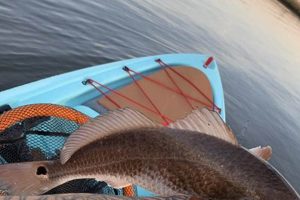
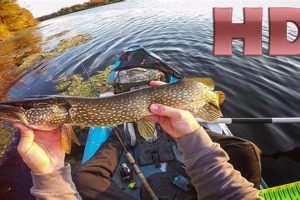
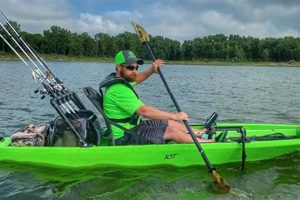
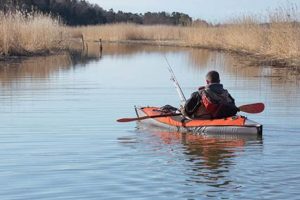
This specific model of recreational watercraft is designed for angling activities. It combines a stable platform suitable for casting and reeling with features tailored to the needs of anglers, such as rod holders, storage compartments, and often, a specialized seat designed for comfort during long hours on the water. Its compact size, typically around 10 feet in length, offers maneuverability ideal for navigating smaller waterways and accessing shallower areas.
Smaller vessels like this offer distinct advantages for fishing enthusiasts. Their portability allows for easy transportation and launching, reducing the need for trailers and boat ramps. This ease of access opens up a wider range of fishing locations, from secluded ponds and creeks to larger lakes and coastal waters. The relatively low cost compared to larger boats and the lower maintenance requirements make them an attractive option for both novice and experienced anglers alike.
Understanding the design and utility of such a specialized watercraft serves as a foundation for exploring a wider range of related topics, including fishing techniques, gear selection, safety considerations, and the growing popularity of kayak fishing as a recreational activity. Further exploration of these subjects will provide a comprehensive understanding of the experience and its increasing prominence in the outdoor recreation landscape.
Tips for Kayak Fishing
Effective angling from a compact watercraft requires specialized techniques and considerations. The following tips offer guidance for maximizing success and enjoyment on the water.
Tip 1: Prioritize Stability: Weight distribution is crucial. Centering gear and maintaining a low center of gravity enhances stability, crucial for casting, reeling, and landing fish. Avoid sudden movements that could compromise balance.
Tip 2: Master Paddle Strokes: Efficient paddling conserves energy and allows for precise maneuvering. Practice different strokes to control direction and speed effectively, especially in challenging currents or windy conditions.
Tip 3: Select Appropriate Gear: Opt for shorter rods and reels designed for closer quarters. Consider tackle suited to the target species and fishing environment. Organize gear for easy access within the limited space.
Tip 4: Plan Fishing Locations: Research potential fishing spots accessible by smaller vessels. Consider factors like water depth, currents, and potential obstacles. Check local regulations and obtain necessary permits.
Tip 5: Emphasize Safety Precautions: Always wear a personal flotation device. Carry essential safety equipment, including a whistle, signaling device, and first-aid kit. Inform someone of the fishing plan and estimated return time.
Tip 6: Employ Stealth Techniques: Approach fishing areas quietly to avoid spooking fish. Minimize noise and movement within the vessel. Natural camouflage patterns on the watercraft can be beneficial.
Tip 7: Practice Catch and Release: Handle fish carefully and minimize their time out of the water. Utilize appropriate tools for hook removal. Support conservation efforts by practicing catch and release whenever possible.
By incorporating these tips, anglers can enhance their experience and improve their chances of success. Preparation, careful technique, and a focus on safety contribute to a more productive and enjoyable outing.
These insights provide a practical foundation for pursuing angling activities from a kayak. The subsequent conclusion will synthesize these points and emphasize their importance in the broader context of recreational fishing.
1. Sit-on-top Design

The sit-on-top design is a defining characteristic of the Tarpon 100 fishing kayak, significantly influencing its functionality and suitability for angling. This design choice directly impacts stability, ease of use, and overall fishing experience. Understanding its implications is crucial for appreciating the kayak’s advantages.
- Enhanced Stability:
The sit-on-top configuration contributes to inherent stability. The wider hull and higher center of gravity, compared to traditional sit-inside kayaks, make it less prone to tipping, particularly beneficial for anglers casting, reeling, and landing fish. This stability fosters confidence and allows for greater freedom of movement within the kayak.
- Self-Bailing System:
Scupper holes, integral to the sit-on-top design, allow water to drain continuously, preventing accumulation and maintaining buoyancy. This self-bailing feature is crucial in rough conditions or when navigating through waves, enhancing safety and reducing the risk of swamping.
- Ease of Entry and Exit:
The open design simplifies entry and exit, eliminating the need to squeeze into a confined cockpit. This accessibility is advantageous for anglers of varying physical abilities and makes re-entry easier in the event of an accidental capsize. It also facilitates quick transitions between paddling and fishing activities.
- Versatility and Comfort:
The sit-on-top design often accommodates adjustable seating systems, enhancing comfort during long fishing trips. The open deck allows for greater freedom of movement, facilitating casting and retrieving, and providing ample space for gear storage within easy reach. This adaptability makes the Tarpon 100 suitable for diverse fishing styles and environments.
These facets of the sit-on-top design collectively contribute to the Tarpon 100’s suitability for fishing applications. The enhanced stability, self-bailing capability, ease of access, and overall versatility distinguish it from traditional kayak designs, making it a preferred choice for anglers seeking a stable, comfortable, and user-friendly platform for pursuing their sport.
2. Stability

Stability is a paramount consideration in fishing kayak design, directly influencing angler safety, comfort, and fishing effectiveness. For the Tarpon 100, stability is a defining characteristic, contributing significantly to its popularity among anglers. The following facets explore the key components contributing to this essential attribute.
- Hull Design:
The Tarpon 100’s flattened hull design, often referred to as a pontoon hull, provides a wider base of support compared to V-shaped hulls. This broader footprint increases primary stability, resisting initial tipping and providing a secure platform for casting and reeling. This design element makes the kayak less susceptible to rocking, especially in calm water conditions.
- Center of Gravity:
The sit-on-top design places the angler’s center of gravity higher than in traditional sit-inside kayaks. While potentially decreasing secondary stability (the ability to recover from a significant tilt), the higher center of gravity combined with the wide hull provides a stable platform, especially beneficial for standing and casting, a common practice in certain fishing styles.
- Weight Capacity and Distribution:
The Tarpon 100 possesses a substantial weight capacity. Evenly distributing weight within the kayak, including angler weight and gear, is crucial for maintaining optimal stability. Proper weight distribution minimizes rocking and enhances overall balance, contributing to a more secure and comfortable fishing experience.
- Waterline Beam:
The width of the kayak at the waterline, known as the waterline beam, directly impacts stability. The Tarpon 100’s relatively wide beam enhances stability by increasing the kayak’s resistance to tipping. This wider beam also provides a more spacious platform for the angler, contributing to overall comfort and fishing effectiveness.
These factors synergistically contribute to the Tarpon 100’s exceptional stability, making it a reliable and confidence-inspiring platform for anglers of varying skill levels. The combination of hull design, center of gravity considerations, weight distribution practices, and a wide waterline beam establishes the Tarpon 100 as a stable and predictable fishing kayak suitable for diverse fishing environments and techniques.
3. Maneuverability
Maneuverability represents a critical performance attribute for fishing kayaks, particularly in environments requiring precise navigation. The Tarpon 100 fishing kayak exhibits specific design characteristics that influence its maneuverability, impacting its suitability for various fishing locations and techniques. A shorter length typically enhances turning responsiveness, allowing for quicker adjustments in direction. This characteristic proves advantageous when navigating tight spaces, such as narrow creeks, mangrove tunnels, or areas congested with vegetation. The hull design, including its rocker profile (the curvature of the hull from bow to stern), also plays a significant role. A moderate rocker improves maneuverability by reducing water resistance during turns, enabling more efficient navigation through complex environments. The inclusion of a rudder system, while not standard on all Tarpon 100 models, further enhances directional control, particularly in windy conditions or moving water.
Consider a scenario where an angler targets fish in a shallow, heavily vegetated area. The Tarpon 100’s maneuverability allows for precise positioning within narrow channels, enabling targeted casts to likely holding spots. Similarly, navigating swift currents around river bends or rocky outcrops requires a responsive kayak capable of quick directional changes. The ability to execute tight turns efficiently minimizes drift and maximizes fishing time in optimal locations. Conversely, a less maneuverable kayak would struggle in such situations, potentially hindering access to prime fishing spots and diminishing overall fishing success.
Understanding the interplay between design elements and resultant maneuverability provides valuable insights for anglers selecting a fishing kayak. While length and hull design contribute significantly to maneuverability, factors like water conditions, wind, and the angler’s paddling technique also play a role. Evaluating these factors collectively empowers informed decision-making and ensures alignment between kayak selection and intended fishing environments. Prioritizing maneuverability facilitates access to diverse fishing locations, enhances angling precision, and ultimately contributes to a more productive and enjoyable on-the-water experience.
4. Storage Capacity

Adequate storage capacity is a critical factor in fishing kayak selection, directly impacting organization, accessibility, and overall fishing effectiveness. For the Tarpon 100 fishing kayak, storage solutions are integrated into the design, aiming to accommodate the diverse gear requirements of anglers. Understanding these storage features and their practical implications is essential for evaluating the kayak’s suitability for various fishing styles and expeditions.
- Tankwell Storage:
The Tarpon 100 typically features a rear tankwell, an open storage area at the stern. This space accommodates larger items such as tackle boxes, coolers, or dry bags. Bungee cords secure these items, preventing shifting during transport and ensuring gear remains readily accessible. The tankwell’s open design facilitates quick retrieval of frequently used equipment.
- Hatch Storage:
One or more sealed hatches provide dry storage compartments within the hull. These compartments protect sensitive items like electronics, wallets, and keys from water damage. Hatch storage offers a secure environment for essential gear, ensuring its functionality throughout the fishing trip, regardless of weather conditions or accidental splashes.
- Side Storage:
Recessed areas or molded-in side pockets offer additional storage options for smaller items. These spaces can hold tools, lures, fishing line, or other accessories, keeping them within easy reach while maintaining a clutter-free deck. Such designated storage areas enhance organization and efficiency on the water.
- Rod Holders:
Integrated rod holders, typically flush-mounted or adjustable, secure fishing rods while paddling or when not actively in use. These specialized holders prevent rod entanglement and protect rods from damage, freeing the angler’s hands for paddling, navigation, or other tasks. Rod holder placement is strategically designed for easy access and efficient retrieval when a fish strikes.
The Tarpon 100’s diverse storage solutions contribute significantly to its practicality as a fishing platform. The strategic placement and design of these storage areas enhance organization, accessibility, and overall fishing efficiency. Anglers can confidently carry essential gear, ensuring preparedness for various fishing scenarios. This comprehensive storage system contributes to the Tarpon 100’s versatility and appeal among anglers seeking a well-equipped and organized fishing kayak.
5. Fishing-Specific Features
Dedicated features tailored for angling differentiate the Tarpon 100 fishing kayak from recreational paddling models. These integrated elements enhance functionality, efficiency, and overall fishing success. Examining these features reveals their practical significance and contribution to the kayak’s specialized purpose.
Rod holders, a fundamental feature, secure rods while paddling or during inactive fishing periods. Multiple rod holders allow anglers to carry various rod and reel combinations, catering to diverse fishing techniques and target species. Flush-mounted rod holders minimize interference with paddling strokes, while adjustable rod holders provide flexibility in positioning rods for optimal casting angles. Such features enhance convenience and safety, minimizing rod entanglement and maximizing fishing preparedness.
Integrated tackle storage compartments offer organized storage for lures, hooks, weights, and other essential gear. These dedicated compartments keep tackle readily accessible, minimizing time spent searching for equipment and maximizing fishing time. Their strategic placement within easy reach promotes efficient tackle management and enhances overall angling efficiency. Furthermore, specialized storage compartments for electronic fish finders and GPS units seamlessly integrate technology into the fishing experience, enabling precise navigation and fish location identification.
Other notable features might include anchor trolleys, facilitating controlled drift fishing, and paddle parks, securing the paddle while fishing. These additions contribute to a streamlined and focused fishing experience. An example illustrates the practical impact of such features: An angler targeting different species requires varied rod and reel setups. Multiple rod holders accommodate this need, allowing quick transitions between techniques without cumbersome rod storage adjustments. Similarly, readily accessible tackle storage enables efficient lure changes in response to changing fish behavior or water conditions, maximizing responsiveness and fishing success.
The thoughtful integration of fishing-specific features positions the Tarpon 100 as a dedicated angling platform. These features contribute directly to enhanced functionality, organization, and overall fishing effectiveness. Understanding their practical application empowers informed purchasing decisions and contributes to a more streamlined and successful fishing experience. The confluence of these specialized elements distinguishes the Tarpon 100 as a purpose-built fishing kayak, catering specifically to the needs of anglers pursuing their passion on the water.
6. Portability
Portability significantly influences the Tarpon 100 fishing kayak’s practicality and appeal. Its relatively compact size and lightweight construction contribute to ease of transport and handling, expanding accessibility to diverse fishing locations. Unlike larger vessels requiring trailers and specialized launch ramps, the Tarpon 100 can be easily transported on roof racks, in truck beds, or even carried short distances by hand. This portability reduces logistical barriers, allowing anglers to access remote or otherwise inaccessible waterways. Consider, for example, an angler seeking to fish a secluded pond or small creek. The Tarpon 100’s portability facilitates effortless transport, expanding fishing opportunities beyond the limitations of larger boats.
The kayak’s manageable weight further enhances portability. Its lightweight nature simplifies loading and unloading from vehicles, reducing strain and enabling solo handling. This ease of handling extends to launching and landing, facilitating quick transitions between transport and on-water activity. Furthermore, portability extends beyond transportation; the Tarpon 100’s maneuverability on the water allows navigation through shallows, tight channels, and areas inaccessible to larger craft. This expanded reach unlocks diverse fishing opportunities, contributing to the kayak’s versatility and appeal among anglers seeking exploration and access to prime fishing grounds. For instance, navigating through dense mangrove forests or shallow coastal flats becomes feasible with the Tarpon 100, offering unique fishing experiences unattainable with less portable vessels.
In summary, portability significantly enhances the Tarpon 100’s utility as a fishing platform. Its compact dimensions, lightweight construction, and on-water maneuverability combine to expand fishing opportunities and simplify logistical challenges. The ability to easily transport, launch, and maneuver the kayak unlocks access to diverse waterways, enriching the angling experience and contributing to the Tarpon 100’s popularity among anglers seeking freedom and exploration on the water. This inherent portability distinguishes the Tarpon 100 as a versatile tool, empowering anglers to explore further and fish more effectively in a wider range of environments.
7. Durability

Durability represents a critical factor influencing the lifespan and overall value of a fishing kayak, especially considering the demanding environments they often endure. For the Tarpon 100 fishing kayak, durability is a key consideration in its design and construction, impacting its long-term performance and resilience against various stressors encountered during use. Examining the components contributing to the Tarpon 100’s durability provides insights into its suitability for diverse fishing environments and its potential for extended service life.
- Material Selection:
The Tarpon 100 typically utilizes high-density polyethylene (HDPE) for its hull construction. HDPE offers a balance of impact resistance, UV resistance, and affordability. This material’s inherent resilience against abrasion, impacts from rocks or submerged obstacles, and prolonged sun exposure contributes significantly to the kayak’s structural integrity and long-term durability. Choosing HDPE reflects a prioritization of robust performance in demanding environments.
- Construction Methods:
Rotational molding, a common manufacturing process for kayaks like the Tarpon 100, creates a seamless, one-piece hull. This eliminates potential weak points associated with joints or seams, enhancing overall structural strength and minimizing the risk of leaks or structural failure. The uniform thickness achieved through rotational molding further contributes to durability, ensuring consistent strength throughout the hull.
- UV Resistance:
Prolonged exposure to ultraviolet (UV) radiation can degrade the structural integrity of plastics. The Tarpon 100’s HDPE construction typically incorporates UV inhibitors, mitigating the damaging effects of sunlight and preserving the kayak’s material properties over time. This UV resistance safeguards against cracking, fading, and loss of strength, ensuring the kayak remains robust and functional even with extended use in sunny environments.
- Hardware and Fittings:
The durability of a kayak extends beyond the hull material itself. Corrosion-resistant hardware and fittings, such as stainless steel or marine-grade aluminum, are essential for maintaining long-term functionality. These components resist rust and degradation from saltwater exposure, ensuring the kayak’s various features, like rod holders, handles, and hatch closures, remain operational and reliable throughout its lifespan.
The Tarpon 100’s durability, derived from a combination of material selection, construction methods, UV resistance, and robust hardware, contributes significantly to its value and longevity. This resilience translates to a reliable fishing platform capable of withstanding the rigors of diverse environments, from rocky rivers to saltwater coastlines. Investing in a durable kayak like the Tarpon 100 minimizes the need for frequent repairs or replacements, ultimately enhancing the long-term enjoyment and cost-effectiveness of the fishing experience.
Frequently Asked Questions
This section addresses common inquiries regarding the Tarpon 100 fishing kayak, providing concise and informative responses to facilitate informed decision-making among prospective purchasers and users.
Question 1: What is the maximum weight capacity of the Tarpon 100?
Weight capacity varies slightly depending on the model year, but generally falls within the range of 325-350 lbs. Consulting the manufacturer’s specifications for the specific model year is recommended.
Question 2: Is the Tarpon 100 suitable for use in saltwater environments?
The Tarpon 100 is designed for use in both freshwater and saltwater environments. Its durable HDPE construction resists corrosion and degradation from saltwater exposure.
Question 3: What is the approximate length and width of the Tarpon 100?
The Tarpon 100 measures approximately 10 feet in length and 30 inches in width. These dimensions contribute to its balance of stability and maneuverability.
Question 4: Does the Tarpon 100 come equipped with a rudder system?
A rudder system is not standard on all Tarpon 100 models. Some versions offer a rudder as an optional upgrade or as a standard feature. Checking the specific model’s specifications is advised.
Question 5: Can the Tarpon 100 accommodate aftermarket accessories?
The Tarpon 100 offers compatibility with various aftermarket accessories, including fish finders, GPS units, anchor trolleys, and upgraded seating systems. Numerous mounting points and customization options enhance versatility.
Question 6: What maintenance is required for the Tarpon 100?
Routine maintenance includes rinsing the kayak with freshwater after each use, particularly in saltwater environments, and inspecting hardware and fittings for corrosion or damage. Proper storage out of direct sunlight prolongs the kayak’s lifespan.
Understanding these key aspects contributes to informed decisions regarding the Tarpon 100’s suitability for individual needs and preferences. Consulting the manufacturer’s specifications and authorized dealers provides further detailed information.
This FAQ section serves as a starting point for understanding the Tarpon 100. The subsequent sections will delve deeper into specific aspects of its design, features, and performance characteristics.
Conclusion
The Tarpon 100 fishing kayak represents a compelling option within the realm of angling-specific watercraft. Its blend of stability, maneuverability, specialized features, and portability caters effectively to the diverse needs of anglers. Analysis of its design reveals thoughtful consideration for both functionality and user experience. The sit-on-top configuration promotes stability and ease of access, while the hull design balances tracking performance with turning responsiveness. Ample storage accommodates essential gear, and integrated fishing features enhance on-the-water efficiency. Portability expands access to varied fishing locations, and durable construction ensures long-term performance. The Tarpon 100’s comprehensive feature set positions it as a versatile and practical choice for anglers seeking a dedicated fishing platform.
Careful evaluation of individual needs and preferences remains crucial in kayak selection. The Tarpon 100’s attributes, while compelling, must align with specific fishing styles, target environments, and angler priorities. Informed decision-making, guided by thorough research and consideration of available options, ensures optimal alignment between angler and equipment, fostering a more productive, enjoyable, and ultimately successful fishing experience. The evolving landscape of kayak fishing presents continuous advancements in design and technology; continued exploration of these advancements empowers anglers to make informed choices that enhance their pursuit of this dynamic and rewarding recreational activity.