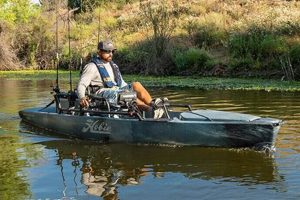
Creating custom fishing rod supports for kayaks offers anglers a personalized approach to tackle management on the water. This involves designing and constructing holders tailored to specific needs and kayak configurations, often using readily available materials like PVC pipe, wood, or metal brackets. Examples include flush-mounted rod holders for streamlined trolling, adjustable angled holders for versatile casting, and multi-rod racks for carrying various setups.
Hands-free fishing, improved lure presentation, and increased safety are key advantages of organized rod storage on a kayak. Dedicated holders prevent rods from tangling, getting damaged, or falling overboard, especially in challenging conditions. Historically, kayak anglers relied on basic DIY solutions or adapted gear from other fishing disciplines. The rise of kayak fishing as a specialized sport has driven innovation in rod holder design, with DIY approaches continuing to provide affordable and customizable options.
This article will further explore the design considerations, material selection, construction techniques, and safety aspects involved in crafting effective and durable rod holders for kayaks. Specific examples and step-by-step instructions will guide readers through the process of creating their own personalized solutions.
Tips for Constructing Kayak Fishing Rod Holders
Careful planning and execution are crucial for creating effective and durable fishing rod holders. The following tips offer guidance for various stages of the construction process.
Tip 1: Prioritize Stability: Ensure the chosen design and mounting method provide a secure and stable platform for rods, even in rough water or when battling strong fish. Reinforcements may be necessary for added rigidity.
Tip 2: Consider Kayak Compatibility: Account for the kayak’s specific design and available mounting space. Flush-mounted solutions may require hull modifications, while track-mounted systems offer more flexibility.
Tip 3: Select Appropriate Materials: Durable, weather-resistant materials like marine-grade plywood, PVC, or stainless steel are recommended to withstand harsh marine environments.
Tip 4: Plan for Adjustability: Anglers often require different rod angles depending on the fishing technique. Incorporating adjustable components enhances versatility.
Tip 5: Optimize Rod Access: Position holders for easy reach and retrieval, minimizing interference with paddling or other fishing activities.
Tip 6: Test and Refine: After installation, thoroughly test the rod holders under realistic fishing conditions. Modifications may be necessary to improve performance or address unforeseen issues.
Tip 7: Emphasize Safety: Avoid sharp edges or protrusions that could cause injury. Securely mount all components to prevent loosening or detachment during use.
By following these tips, anglers can create functional and durable rod holders tailored to their individual needs and fishing styles. This enhances safety, improves fishing efficiency, and allows for a more enjoyable experience on the water.
This information provides a solid foundation for successful rod holder construction. The following section will delve into detailed construction examples and step-by-step instructions.
1. Planning

Effective planning is paramount to successful kayak fishing rod holder construction. It directly influences the functionality, durability, and safety of the finished product. A well-defined plan mitigates potential issues during the construction and installation phases, ensuring the holder meets specific fishing needs. This involves considering factors such as fishing style (trolling, casting, etc.), rod types and lengths, kayak model and available space, desired rod angles and accessibility, and material availability. For example, a kayak angler focusing on trolling might prioritize multiple, horizontally mounted rod holders positioned near the stern, while a fly fisherman may require fewer, angled holders within easy reach. Ignoring these considerations can lead to poorly positioned, unstable, or unusable holders, necessitating costly and time-consuming revisions.
Practical planning steps include sketching potential designs, measuring the kayak’s available mounting surfaces, creating a materials list, and outlining the construction process. Pre-planning allows for accurate material acquisition, prevents mid-project design changes, and ensures the final product integrates seamlessly with the kayak’s layout. This systematic approach minimizes errors, optimizes resource utilization, and ultimately leads to a more efficient and rewarding construction experience. For example, pre-drilling mounting holes according to a template significantly simplifies the installation process and ensures accurate placement of the rod holders.
In summary, meticulous planning is an indispensable element of successful kayak fishing rod holder construction. A well-conceived plan minimizes potential problems, streamlines the construction process, and results in a functional, durable, and safe finished product. Thorough consideration of individual fishing needs, kayak specifications, and material properties is crucial for realizing a customized and effective rod holder solution that enhances on-the-water performance.
2. Materials
Material selection significantly impacts the functionality, durability, and longevity of DIY kayak fishing rod holders. The marine environment presents unique challenges, including constant exposure to moisture, UV radiation, and saltwater corrosion. Choosing appropriate materials is crucial for withstanding these conditions and ensuring the holder remains functional and safe over time. Material properties directly influence the holder’s ability to securely hold fishing rods, resist wear and tear, and integrate effectively with the kayak’s structure. For example, using non-marine-grade plywood may lead to rot, weakening the structure and potentially causing failure under stress. Conversely, marine-grade stainless steel offers excellent corrosion resistance and strength, ensuring long-term performance in harsh marine environments.
Commonly used materials include PVC pipe, marine-grade plywood, various plastics, and stainless steel hardware. Each material offers distinct advantages and disadvantages regarding cost, ease of fabrication, strength, and weather resistance. PVC pipe, for example, provides a cost-effective and readily available option suitable for basic rod holder designs. However, it may lack the strength and rigidity required for larger or heavier rods. Marine-grade plywood offers a balance of strength, workability, and weather resistance, making it a versatile choice for more complex designs. Careful consideration of these factors is crucial for selecting materials that align with specific design requirements and intended use. Using stainless steel fasteners instead of standard steel bolts prevents rust and ensures the holder remains securely attached to the kayak over time.
Appropriate material selection is fundamental to the success of any DIY kayak fishing rod holder project. Understanding the properties of different materials, considering the demands of the marine environment, and aligning material choices with specific design requirements are essential for creating a functional, durable, and safe finished product. Failure to prioritize material selection can compromise the holder’s structural integrity, limit its lifespan, and potentially create safety hazards. Investing in quality materials suited for marine applications ensures the rod holder withstands the rigors of kayak fishing and provides reliable performance over extended periods.
3. Construction
Construction represents a pivotal stage in creating do-it-yourself kayak fishing rod holders, directly influencing functionality, durability, and safety. Precision and adherence to design specifications are paramount. Methodical execution, employing appropriate tools and techniques, ensures structural integrity and longevity. For example, ensuring clean cuts and properly secured joints when working with PVC pipe contributes to a robust and reliable finished product. Conversely, hastily executed construction with inadequate tools can compromise the holder’s strength and stability, leading to premature failure and potential safety risks on the water.
Construction techniques vary depending on chosen materials and design complexity. Working with PVC often involves cutting, shaping, and joining sections using specialized adhesives or fittings. Wood or metal construction necessitates accurate measurements, cutting, drilling, and fastening techniques. Attention to detail, such as proper sealant application and corrosion-resistant hardware, enhances durability and longevity in harsh marine environments. A well-executed construction process, informed by design considerations and material properties, translates directly into a functional and reliable rod holder. For instance, reinforcing high-stress areas with additional bracing or using marine-grade epoxy to seal joints significantly strengthens the overall structure, increasing its resistance to stress and environmental factors.
In summary, meticulous construction is essential for creating effective and durable kayak fishing rod holders. Precise execution, appropriate tool selection, and careful attention to detail ensure structural integrity and long-term performance. Understanding material properties and applying appropriate construction techniques contribute directly to a finished product capable of withstanding the demands of kayak fishing, enhancing both safety and enjoyment on the water.
4. Installation
Proper installation is crucial for the functionality and safety of DIY kayak fishing rod holders. A secure and stable mounting system ensures the holders perform as intended, preventing rod loss or damage, and maintaining angler safety. Incorrect installation can compromise the holder’s structural integrity and create potential hazards during use. This section explores key facets of the installation process.
- Mounting Location Selection
Choosing appropriate mounting locations balances accessibility, stability, and interference with paddling or other fishing activities. Areas near the cockpit offer convenient access but may obstruct paddling. Stern-mounted holders are suitable for trolling but can be challenging to reach. Evaluating these trade-offs is essential for optimizing functionality and ergonomics. For example, installing holders too close together may hinder rod retrieval, while positioning them too far apart can create balance issues.
- Mounting Techniques and Hardware
Various mounting techniques exist, including track systems, flush mounts, and surface mounts. Each technique demands specific hardware and installation procedures. Track systems offer flexibility for repositioning holders, while flush mounts provide a streamlined profile but require more complex installation. Selecting appropriate marine-grade hardware, such as stainless steel screws and bolts, ensures corrosion resistance and longevity. Using inadequate hardware, like standard steel screws in a saltwater environment, can lead to rust and eventual failure.
- Securing the Holders
Ensuring a secure attachment to the kayak is paramount. This involves using appropriate fasteners, sealant, and backing plates where necessary. Over-tightening screws can damage the kayak’s hull, while under-tightening compromises stability. Following manufacturer recommendations for hardware and installation procedures is essential for achieving optimal security. For example, using a marine-grade sealant around screw holes prevents water intrusion and protects the kayak’s structure.
- Integration with Kayak Features
Installation should consider existing kayak features like hatches, rudders, and other accessories. Avoiding interference with these features ensures optimal functionality and prevents damage. Planning the installation around existing features maintains the kayak’s intended design and avoids creating potential conflicts. For example, positioning rod holders too close to a rudder control system can impede operation.
Successful installation hinges on careful planning, appropriate material selection, and precise execution. Considering these facets ensures the DIY rod holders integrate seamlessly with the kayak, providing a secure and functional system that enhances fishing efficiency and safety. A well-installed system contributes to a more enjoyable and productive fishing experience, minimizing potential issues and maximizing on-the-water performance.
5. Customization

Customization is integral to the do-it-yourself kayak fishing rod holder experience. It allows anglers to tailor rod holder designs precisely to individual needs and preferences, optimizing functionality and on-the-water performance. This personalized approach addresses specific fishing styles, kayak configurations, and equipment preferences, creating solutions unavailable in commercially produced options. Customization empowers anglers to create purpose-built rod holders that enhance fishing efficiency and overall enjoyment.
- Rod Angle and Orientation
Adjusting rod angles and orientation optimizes lure presentation and hookset effectiveness for various fishing techniques. A shallow angle might suit trolling, while a steeper angle benefits casting or jigging. Custom holders can be designed to accommodate specific rod actions and lengths, maximizing performance and minimizing interference. For example, a dedicated fly fishing setup might require a holder positioned for unobstructed backcasts.
- Number and Placement of Holders
The number of rods carried and their placement on the kayak significantly influence fishing efficiency. Customization allows anglers to incorporate multiple holders, strategically positioned for easy access and minimal interference with paddling. Specific fishing scenarios, like tournament fishing with multiple rod setups, necessitate customized solutions. An angler targeting different species might require multiple rods rigged with various lures, necessitating a multi-holder system designed for efficient organization.
- Integration with Accessories
Integrating rod holders with other kayak accessories, such as fish finders, GPS units, or camera mounts, streamlines the fishing experience. Custom designs accommodate these accessories, ensuring optimal placement and minimizing clutter. For example, a rod holder might incorporate a mounting point for a fish finder display, providing convenient access to crucial information. This integrated approach enhances functionality and simplifies on-the-water operations.
- Material and Aesthetic Choices
Material selection impacts not only durability and functionality but also aesthetics. Customization allows anglers to choose materials that complement their kayak’s color scheme and overall design. This personalized touch enhances the visual appeal and reflects individual preferences. For example, an angler might choose wood with a specific finish to match the kayak’s aesthetic, creating a cohesive and visually pleasing setup.
The ability to customize rod holders empowers anglers to create truly personalized kayak fishing setups. By tailoring design elements to specific needs and preferences, DIY rod holders enhance functionality, improve on-the-water performance, and create a more enjoyable and efficient fishing experience. This level of customization transforms the kayak into a purpose-built fishing platform optimized for individual fishing styles and preferences.
Frequently Asked Questions
This section addresses common inquiries regarding the design, construction, and utilization of do-it-yourself kayak fishing rod holders.
Question 1: What materials are best suited for constructing durable rod holders?
Marine-grade materials are recommended due to their resistance to corrosion and UV degradation. Options include marine-grade plywood, PVC pipe, and stainless steel hardware. Material choice depends on design complexity and budget.
Question 2: How can rod holder stability be maximized on a kayak?
Stability is paramount. Employing robust mounting techniques, such as through-bolting with backing plates or utilizing specialized kayak track systems, enhances stability. Reinforcements and proper weight distribution within the kayak further contribute to stability.
Question 3: What design considerations are essential for optimal rod holder functionality?
Rod holder placement should prioritize ease of access and minimal interference with paddling. Rod angle adjustability accommodates diverse fishing techniques. The number of holders should align with fishing style and target species.
Question 4: Are there safety considerations specific to DIY rod holder installation?
Safety is paramount. All hardware should be securely fastened, and sharp edges or protrusions should be eliminated. Rod holders must not interfere with essential kayak features, such as hatches or rudder systems.
Question 5: How can one determine the appropriate number and placement of rod holders?
The optimal number and placement of rod holders depend on individual fishing style and target species. Anglers targeting multiple species or employing diverse techniques may require more holders than those specializing in a single method. Careful consideration of kayak balance and accessibility is essential.
Question 6: What maintenance is required for DIY kayak rod holders?
Regular inspection and maintenance are essential. Hardware should be checked for corrosion or loosening. Components should be cleaned to remove salt and debris. Any damaged parts should be promptly repaired or replaced to maintain functionality and safety.
Careful planning, material selection, and meticulous construction are crucial for creating functional, durable, and safe kayak fishing rod holders.
This FAQ section provides a foundation for informed decision-making during the design and construction process.
Conclusion
Constructing customized kayak fishing rod holders offers significant advantages, enhancing organization, safety, and fishing effectiveness. Careful consideration of design, material selection, construction techniques, and installation procedures are essential for creating durable and functional systems. Understanding the interplay of these elements ensures optimized performance, customized to individual fishing styles and kayak configurations.
The ability to tailor rod holder designs to specific needs represents a significant advantage for kayak anglers. Investing time and effort in a well-executed do-it-yourself project yields a personalized setup optimized for individual preferences and fishing techniques, contributing to a more rewarding and efficient experience on the water.