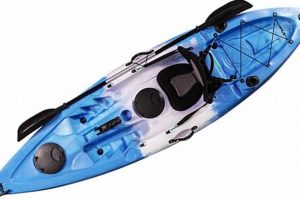
Acquiring a kayak through e-commerce platforms offers consumers a wide selection of models, brands, and price points, often exceeding what is available in local stores. This method involves browsing online catalogs, comparing specifications, reading reviews, and completing the transaction digitally, culminating in delivery to a specified address.
This approach to acquisition provides significant advantages, including convenience, broader access to inventory, and the ability to compare options efficiently. Historically, purchasing a kayak required visiting physical stores, potentially limiting choices. The rise of e-commerce has revolutionized the process, empowering consumers with more control and information. This shift has also fostered competition, driving innovation and potentially lower prices.
The following sections will delve into key aspects of acquiring kayaks digitally, including selecting the right type for specific needs, navigating online marketplaces, evaluating vendors, understanding shipping logistics, and ensuring a secure purchase experience.
Tips for Acquiring a Kayak Online
Successfully navigating the online kayak market requires careful consideration of several factors. The following tips offer guidance for a streamlined and informed purchase process.
Tip 1: Determine Usage Requirements: Clearly define intended usagefishing, recreational paddling, touring, or whitewaterto narrow down suitable kayak types and features. A fishing kayak requires different attributes than a whitewater model.
Tip 2: Research Kayak Types: Explore various kayak typessit-on-top, sit-inside, inflatable, and foldingconsidering stability, maneuverability, storage capacity, and transportation considerations.
Tip 3: Compare Prices and Features: Utilize online resources to compare prices, specifications, and features across multiple vendors. Pay close attention to materials, weight capacity, length, and included accessories.
Tip 4: Read Reviews: Consult online reviews and forums for insights into real-world performance, durability, and potential issues associated with specific models and brands.
Tip 5: Verify Vendor Reputation: Check vendor ratings, return policies, and customer service responsiveness to ensure a reliable and trustworthy purchase experience.
Tip 6: Understand Shipping Costs and Logistics: Factor in shipping costs, delivery timeframes, and carrier options. Oversized items like kayaks often incur higher shipping fees.
Tip 7: Securely Manage the Transaction: Utilize secure payment methods and verify website security protocols to protect financial information during the purchase process.
By adhering to these guidelines, consumers can confidently navigate the online marketplace and make informed decisions when selecting and purchasing a kayak.
The insights provided throughout this article aim to equip prospective buyers with the knowledge and tools necessary for a successful online kayak acquisition experience.
1. Research

Thorough research forms the cornerstone of a successful online kayak acquisition. It empowers informed decisions, mitigating potential dissatisfaction arising from impulsive purchases. Research encompasses multiple facets, including determining the appropriate kayak type (recreational, touring, fishing, whitewater), understanding hull designs (flat bottom, V-shaped, pontoon), evaluating materials (polyethylene, fiberglass, composite), and comparing features (seat comfort, storage capacity, rudder systems). For example, an individual intending to fish in calm lakes requires a different kayak than someone planning whitewater adventures. Research enables this distinction, guiding the selection process towards suitable models.
The practical implications of pre-purchase research are significant. Investing time in understanding various kayak types, features, and brands often leads to higher satisfaction with the final product. It allows potential buyers to align their needs and budget with available options, avoiding costly mistakes or the inconvenience of returns. Furthermore, research can uncover less-known brands offering excellent value, expanding choices beyond mainstream offerings. Comparing specifications, reading reviews, and exploring online forums provides valuable insights into real-world performance, durability, and potential issues associated with specific models.
In summary, research is not merely a preliminary step but an integral component of a successful online kayak purchase. It equips consumers with the knowledge necessary to navigate the diverse online marketplace, make informed decisions, and ultimately enhance their kayaking experience. Neglecting this crucial stage can result in acquiring an unsuitable kayak, leading to frustration and potentially financial loss. Therefore, dedicating sufficient time to research is an investment that pays dividends in long-term satisfaction and enjoyment on the water.
2. Comparison

Comparison shopping forms a critical stage in online kayak acquisition. Effective comparison empowers informed decisions, maximizing value and aligning purchases with individual needs and budgetary constraints. The digital marketplace offers unparalleled opportunities for comprehensive comparisons across a wide range of brands, models, and retailers.
- Price Comparison:
Price is a primary factor influencing purchase decisions. Online platforms facilitate rapid price comparisons across multiple vendors, enabling identification of competitive offers and potential discounts. Comparing prices requires considering not only the base price but also shipping costs, taxes, and any included accessories. For instance, a seemingly lower base price might become less attractive after factoring in substantial shipping fees. Thorough price comparison ensures cost-effectiveness and maximizes value.
- Feature Comparison:
Kayaks vary significantly in features, impacting performance and suitability for specific activities. Comparing features such as length, width, weight capacity, storage options, seating comfort, and rudder systems enables alignment between kayak attributes and individual needs. For example, a fishing kayak requires specialized features like rod holders and ample storage, distinct from the needs of a recreational paddler. Feature comparison ensures the selected kayak meets specific usage requirements.
- Material and Construction Comparison:
Kayak construction materials influence durability, weight, performance, and price. Comparing materials like polyethylene, fiberglass, and composites allows informed decisions based on intended usage and budget. For instance, polyethylene kayaks offer durability and affordability, while fiberglass models prioritize performance and lighter weight. Understanding material properties enables selection based on individual priorities and paddling conditions.
- Vendor Reputation and Service Comparison:
Beyond product attributes, vendor reputation and customer service significantly impact the purchase experience. Comparing vendor ratings, return policies, warranty offerings, and customer service responsiveness mitigates potential issues and ensures a smooth transaction. A vendor with consistently high ratings and responsive customer service offers greater peace of mind, particularly for significant purchases like kayaks.
These interconnected comparison facets contribute to a strategic and informed online kayak purchase. By diligently comparing prices, features, materials, and vendor reputations, consumers can confidently navigate the digital marketplace and select a kayak that aligns precisely with their individual requirements and budgetary parameters. Neglecting comprehensive comparison can lead to suboptimal choices, resulting in dissatisfaction and potential financial implications.
3. Selection

Selection represents a pivotal stage within the online kayak acquisition process. A well-informed selection, grounded in thorough research and comparison, directly influences user satisfaction and the overall success of the purchase. The vast online marketplace presents a diverse array of kayak types, brands, models, and price points. Navigating this complexity requires a structured approach, considering factors such as intended usage (recreational paddling, fishing, touring, whitewater), skill level (beginner, intermediate, advanced), body type and weight, storage capacity requirements, and budget limitations. For example, an angler requires a kayak equipped with rod holders, storage compartments, and stability features, distinct from the needs of a recreational paddler prioritizing speed and maneuverability. A novice kayaker benefits from a stable, user-friendly design, while an experienced paddler might prefer a high-performance model optimized for specific paddling conditions. Overlooking these considerations during the selection phase can lead to acquiring an unsuitable kayak, resulting in diminished enjoyment, potential safety concerns, and ultimately, financial loss.
The practical implications of careful selection extend beyond mere functionality. Choosing the right kayak enhances the overall paddling experience, promoting comfort, efficiency, and enjoyment on the water. A kayak aligned with individual needs and skill levels fosters confidence, facilitates skill development, and encourages exploration. Conversely, an improperly selected kayak can hinder progress, create discomfort, and potentially discourage further participation in the sport. Consider the scenario of a taller paddler purchasing a kayak designed for shorter individuals; legroom constraints and compromised stability could lead to an uncomfortable and potentially unsafe paddling experience. Similarly, selecting a heavy, cumbersome kayak without adequate transportation capabilities could limit access to desired paddling locations. These practical considerations underscore the significance of meticulous selection within the online kayak purchase process.
In summary, selection constitutes a critical decision point within the online kayak acquisition journey. Its impact resonates throughout the kayaking experience, influencing performance, safety, and overall enjoyment. A structured selection process, grounded in research, comparison, and careful consideration of individual needs, optimizes the probability of a successful purchase and contributes significantly to a fulfilling paddling experience. Neglecting this crucial stage can result in acquiring an unsuitable kayak, hindering progress, diminishing enjoyment, and potentially leading to financial loss. Therefore, dedicating sufficient time and effort to the selection process is essential for maximizing the benefits of online kayak acquisition.
4. Transaction Security

Transaction security is paramount when acquiring a kayak online. The digital nature of e-commerce necessitates robust security measures to protect financial information and mitigate fraud. Secure transactions foster consumer confidence, encouraging participation in online marketplaces and facilitating seamless purchasing experiences. Conversely, inadequate security measures can deter potential buyers, erode trust, and expose sensitive data to malicious actors. The consequences of compromised financial information can range from minor inconveniences to substantial financial losses, identity theft, and protracted legal battles. Therefore, prioritizing transaction security is essential for both consumers and vendors engaged in online kayak sales. For example, a consumer purchasing a kayak through a website lacking secure socket layer (SSL) encryption exposes credit card details to potential interception, highlighting the practical significance of robust security protocols.
Several key components contribute to secure online transactions within the context of kayak purchases. Secure payment gateways, employing encryption and tokenization technologies, safeguard sensitive data during transmission. Two-factor authentication adds an additional layer of security, requiring confirmation from a separate device or platform. Reputable vendors utilize secure servers and adhere to industry best practices for data protection. Consumers can further enhance transaction security by utilizing strong passwords, avoiding public Wi-Fi networks for sensitive transactions, and monitoring financial statements for unauthorized activity. For instance, opting for credit cards with robust fraud protection policies offers an additional safeguard against potential financial losses. Implementing these measures collectively contributes to a secure online environment for kayak purchases.
In summary, transaction security forms an integral component of online kayak acquisition. Robust security protocols protect financial information, foster consumer trust, and facilitate seamless purchasing experiences. Conversely, inadequate security measures expose consumers to potential financial and reputational risks, deterring participation in the digital marketplace. Prioritizing transaction security through secure payment gateways, two-factor authentication, robust vendor practices, and informed consumer behavior is essential for maintaining a secure and trustworthy online environment for kayak purchases. Understanding and implementing these security measures empowers consumers to confidently navigate the digital landscape and make informed purchasing decisions without compromising financial well-being.
5. Shipping Logistics

Shipping logistics plays a crucial role in the online acquisition of kayaks. The inherent bulk and specialized handling requirements of kayaks necessitate careful consideration of shipping methods, costs, and delivery timeframes. Effective shipping logistics directly impacts the overall purchase experience, influencing customer satisfaction and vendor reputation. Conversely, inadequate shipping practices can lead to delays, damage, increased costs, and customer frustration. For instance, a kayak shipped without proper packaging could arrive damaged, necessitating returns, replacements, and potentially disputes, highlighting the practical significance of robust shipping logistics.
Several factors contribute to efficient kayak shipping logistics within the context of online purchases. Specialized carriers experienced in handling oversized and fragile items are essential for safe and timely delivery. Protective packaging, including custom-fit crates or reinforced cardboard boxes, minimizes the risk of damage during transit. Real-time tracking updates provide transparency and allow customers to monitor shipment progress. Clear communication between vendors and customers regarding shipping costs, delivery timeframes, and potential delays fosters trust and manages expectations. Insurance options protect against loss or damage during transit, mitigating financial risks for both buyers and sellers. For example, a vendor providing upfront information about shipping costs and estimated delivery dates enhances transparency and allows customers to make informed decisions. Implementing these practices collectively contributes to a smooth and reliable shipping experience.
In summary, shipping logistics constitutes a critical component of online kayak acquisition. Efficient shipping practices, including specialized carriers, protective packaging, real-time tracking, transparent communication, and insurance options, ensure safe, timely, and cost-effective delivery. Conversely, inadequate shipping logistics can lead to damage, delays, increased costs, and customer dissatisfaction, negatively impacting both buyer and seller experiences. Therefore, prioritizing robust shipping logistics is essential for successful online kayak sales, fostering customer trust, enhancing brand reputation, and ultimately, contributing to a positive overall purchase experience. Understanding and addressing the complexities of kayak shipping logistics ensures the seamless transition from online purchase to on-the-water enjoyment.
6. Vendor Reputation
Vendor reputation significantly influences online kayak purchase decisions. A vendor’s track record impacts buyer confidence, affecting purchase decisions and long-term satisfaction. Reputable vendors foster trust, encouraging informed decisions and mitigating potential risks associated with online transactions. Conversely, negative reputations can deter potential buyers, highlighting the importance of vendor reputation within the online kayak marketplace.
- Customer Reviews and Ratings:
Online reviews and ratings offer valuable insights into vendor performance. Positive reviews build trust, while negative reviews signal potential issues. Platforms like Trustpilot, Yelp, and Google Reviews provide aggregated customer feedback, offering prospective buyers a comprehensive view of vendor reputation. For example, a vendor consistently receiving high ratings for customer service and product quality fosters greater confidence than a vendor with predominantly negative reviews. Consulting these platforms empowers informed decisions and mitigates potential risks.
- Return Policies and Warranty Information:
Transparent return policies and comprehensive warranty information contribute significantly to vendor reputation. Clear return procedures and robust warranty coverage demonstrate commitment to customer satisfaction and product quality. For instance, a vendor offering hassle-free returns and extended warranties fosters greater trust than a vendor with restrictive policies or limited warranty coverage. These policies mitigate purchase risks and provide recourse in case of defects or dissatisfaction.
- Industry Recognition and Awards:
Industry recognition and awards further enhance vendor reputation. Accreditations from reputable organizations and awards for product excellence or customer service signal a commitment to quality and industry best practices. For example, a vendor recognized by paddling associations or outdoor industry groups garners greater credibility. These accolades provide external validation of vendor reputation, reinforcing trust and influencing purchase decisions.
- Security and Privacy Practices:
Robust security and privacy practices are essential components of vendor reputation in the online marketplace. Secure payment gateways, data encryption, and transparent privacy policies protect customer information and mitigate risks associated with online transactions. Vendors prioritizing data security and privacy build trust and demonstrate a commitment to responsible online business practices. For instance, vendors displaying security badges and adhering to data privacy regulations enhance customer confidence. These practices reassure buyers that their sensitive information is handled responsibly.
These interconnected facets of vendor reputation collectively influence consumer perceptions and purchasing behavior within the online kayak market. Thorough research into vendor reputation empowers informed decisions, mitigating potential risks and enhancing the likelihood of a positive purchase experience. By considering customer reviews, return policies, industry recognition, and security practices, prospective buyers can confidently navigate the digital marketplace and select reputable vendors offering quality products and reliable service. Neglecting vendor reputation research can expose buyers to potential scams, subpar products, and unsatisfactory customer service experiences. Therefore, prioritizing vendor reputation is essential for a successful and secure online kayak purchase.
7. Reviews and Ratings

Reviews and ratings constitute a crucial element within the online kayak acquisition ecosystem. They represent a feedback mechanism, providing prospective buyers with insights into product quality, performance, and vendor reliability. This information asymmetry, inherent in online transactions, underscores the significance of reviews and ratings. Potential buyers cannot physically examine the product; therefore, they rely heavily on the experiences of others to inform purchase decisions. This reliance generates a cause-and-effect relationship: positive reviews and high ratings tend to increase purchase likelihood, while negative feedback can deter potential buyers. For instance, a kayak consistently receiving high ratings for stability and maneuverability becomes more attractive to purchasers prioritizing these attributes. Conversely, multiple reports of manufacturing defects or poor customer service associated with a specific model can dissuade potential buyers. This dynamic highlights the practical significance of reviews and ratings within the online kayak marketplace.
The practical application of this understanding lies in leveraging reviews and ratings to make informed purchase decisions. Potential buyers can utilize online platforms like retailer websites, paddling forums, and social media groups to gather information about specific kayak models and vendors. Analyzing review content, identifying recurring themes, and discerning genuine feedback from potentially biased or malicious reviews enables informed assessments. For example, filtering reviews based on specific criteria, such as intended usage (fishing, recreation) or paddler experience level (beginner, advanced), allows potential buyers to glean insights relevant to their individual needs. Furthermore, understanding the limitations of reviews and ratingspotential biases, subjective experiences, and varying paddling conditionsenhances critical analysis. Recognizing that a kayak ideal for a novice paddler on calm lakes might not perform well for an experienced paddler in challenging conditions contextualizes the information and strengthens decision-making.
In summary, reviews and ratings play a pivotal role in online kayak acquisition. They bridge the information gap inherent in digital transactions, empowering potential buyers with insights derived from collective user experiences. Understanding the influence of reviews and ratings on purchase decisions, utilizing online platforms to gather comprehensive feedback, and critically analyzing review content enables informed choices. This informed approach mitigates purchase risks, enhances the likelihood of acquiring a suitable kayak, and ultimately, contributes to a positive paddling experience. Neglecting this valuable resource can lead to suboptimal purchases, potentially resulting in dissatisfaction and financial loss.
Frequently Asked Questions
This section addresses common inquiries regarding online kayak acquisition, providing concise and informative responses to facilitate informed decision-making.
Question 1: How to determine the appropriate kayak size and type for individual needs?
Kayak size and type selection depends on intended usage (recreational, fishing, touring, whitewater), paddler weight and size, storage capacity requirements, and paddling conditions. Researching various kayak types (sit-on-top, sit-inside, inflatable, folding) and consulting sizing charts provided by manufacturers aids appropriate selection.
Question 2: What are the advantages and disadvantages of purchasing a kayak online versus from a physical store?
Online purchases offer wider selection, price comparison capabilities, and convenience. Physical stores allow in-person inspection, expert advice, and immediate availability. Evaluating individual priorities helps determine the optimal purchasing channel.
Question 3: How are shipping costs and delivery timeframes determined for online kayak purchases?
Shipping costs depend on kayak size and weight, shipping distance, and carrier options. Vendors typically provide shipping cost estimates during checkout. Delivery timeframes vary based on vendor location, shipping method, and destination address. Contacting the vendor directly clarifies specific shipping details.
Question 4: What security measures should consumers consider when making online kayak purchases?
Utilizing secure payment gateways, verifying website security protocols (SSL certificates), employing strong passwords, and avoiding public Wi-Fi networks for transactions protects financial information. Monitoring bank and credit card statements for unauthorized activity further enhances security.
Question 5: What recourse do consumers have if a kayak arrives damaged or does not meet expectations?
Reviewing vendor return policies and warranty information before purchase clarifies available options. Contacting the vendor directly to report issues and initiate return or exchange procedures is recommended. Documenting damage with photographs facilitates resolution processes.
Question 6: How can consumers assess the credibility and reliability of online kayak vendors?
Consulting online reviews and ratings on platforms like Trustpilot, Yelp, and Google Reviews provides insights into vendor reputation. Verifying vendor contact information, physical address, and business registration details enhances credibility assessment.
Understanding these key aspects of online kayak acquisition empowers informed decisions, mitigating potential risks and enhancing the overall purchase experience. Thorough research, careful consideration of individual needs, and proactive communication with vendors contribute to a successful online kayak purchase.
For further information regarding specific kayak models, features, or paddling destinations, consult specialized online resources, paddling communities, or contact experienced kayaking professionals.
Conclusion
Acquiring a kayak through online platforms presents distinct advantages, including broader selection, competitive pricing, and convenient access. Successful navigation of the online marketplace requires diligent research encompassing kayak types, features, and vendor reputation. Thorough comparison shopping facilitates informed decisions aligned with individual needs and budgetary parameters. Secure transaction practices protect financial information, while efficient shipping logistics ensure timely and damage-free delivery. Understanding vendor reputation, leveraging online reviews, and prioritizing transaction security contribute to a positive purchasing experience.
The evolving landscape of e-commerce continues to transform the acquisition process for recreational equipment. Consumers empowered with comprehensive information and strategic purchasing practices can confidently navigate the digital marketplace, selecting kayaks that enhance on-the-water experiences. Emphasis on informed decision-making, coupled with evolving vendor practices and technological advancements, promises continued refinement of the online kayak acquisition process, benefiting both consumers and the broader paddling community.