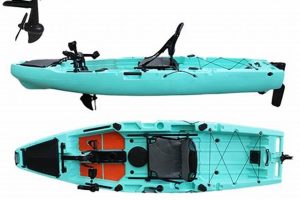
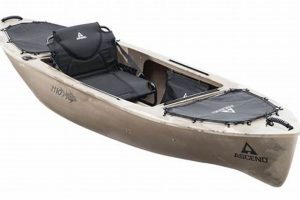
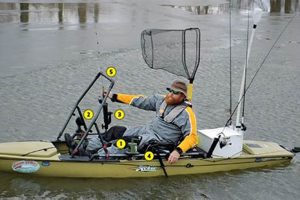
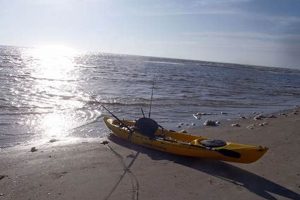
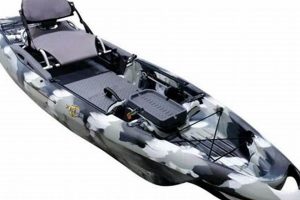
Tandem kayaks designed for angling in saltwater environments typically feature specialized seating, ample storage for fishing gear, and often include features like rod holders, anchor trolleys, and livewells. These vessels provide a stable platform for two anglers to navigate coastal waters, bays, and open ocean areas accessible by kayak.
Sharing the experience enhances enjoyment and safety, allowing for collaborative fishing strategies. Tandem configurations offer increased stability compared to solo kayaks, proving beneficial in challenging ocean conditions. Historically, fishing from small, human-powered vessels has been a common practice across cultures. Modern designs, incorporating durable materials and specialized features, now allow anglers to explore further offshore and target a wider variety of species.
Subsequent sections will delve into key considerations for selecting an appropriate vessel, essential safety precautions, recommended fishing techniques, and popular destinations for this activity.
Tips for Tandem Ocean Kayak Fishing
Careful planning and preparation contribute significantly to successful and safe tandem kayak fishing excursions. The following tips offer valuable guidance for maximizing enjoyment and productivity on the water.
Tip 1: Distribute Weight Evenly: Proper weight distribution is crucial for stability. Gear should be divided evenly between paddlers and positioned low in the kayak to minimize the center of gravity.
Tip 2: Practice Paddling in Sync: Coordinated paddling is essential for efficient movement and maneuverability. Practice paddling together before venturing into open water to develop a smooth, synchronized rhythm.
Tip 3: Establish Communication Protocols: Clear communication between paddlers is vital, especially in challenging conditions. Establish hand signals or verbal cues for maneuvering, changing direction, and handling fish.
Tip 4: Check Weather Conditions: Ocean conditions can change rapidly. Always check marine weather forecasts before departing and be prepared to adjust plans or return to shore if necessary.
Tip 5: Wear Personal Flotation Devices: Personal flotation devices (PFDs) are essential safety equipment and should be worn at all times while on the water.
Tip 6: Carry Essential Safety Gear: A well-equipped first-aid kit, signaling devices (whistle, flares), and a communication device (VHF radio or waterproof cell phone) are crucial for handling emergencies.
Tip 7: Respect Wildlife and the Environment: Practice catch-and-release whenever possible, and avoid disturbing marine life or sensitive habitats. Pack out all trash and fishing line to minimize environmental impact.
Adhering to these guidelines will contribute to a safer, more productive, and enjoyable tandem kayak fishing experience, enabling anglers to fully appreciate the rewards of this unique pursuit.
By implementing these strategies, individuals can confidently embark on their next tandem kayak fishing adventure, well-prepared for a memorable and successful outing.
1. Stability

Stability is a critical factor in tandem ocean fishing kayaks, directly impacting safety and angling success. A stable platform enables anglers to cast, reel, and land fish effectively while minimizing the risk of capsizing, especially in challenging conditions like choppy water or strong currents. This section explores key facets contributing to stability in these specialized vessels.
- Hull Design:
Hull design significantly influences stability. Wider hulls generally offer greater initial stability, resisting tipping from side to side. A flatter hull bottom enhances stability at rest, while a slightly rounded or V-shaped hull can improve tracking and performance in waves. Catamaran-style hulls, featuring two parallel hulls connected by a platform, provide exceptional stability, particularly beneficial when fishing standing up.
- Weight Distribution:
Proper weight distribution is crucial for maintaining equilibrium. Distributing weight evenly between the two paddlers and storing gear low in the kayak lowers the center of gravity, enhancing stability. Uneven weight distribution can compromise stability, making the kayak more susceptible to tipping.
- Kayak Width and Length:
Wider kayaks generally offer more stability than narrower designs. Longer kayaks tend to track straighter, while shorter kayaks are more maneuverable. The optimal width and length depend on the intended fishing environment and angler preferences, balancing stability with maneuverability.
- Water Conditions:
Calm water conditions contribute to increased stability. Wind, waves, and currents can significantly impact stability, requiring greater vigilance and paddling skill. Anglers should be mindful of changing water conditions and adjust their fishing techniques accordingly, prioritizing safety in challenging environments.
Understanding these elements of stability is essential for selecting an appropriate tandem ocean fishing kayak and practicing safe paddling techniques. A stable platform allows anglers to focus on fishing, enhancing enjoyment and increasing the likelihood of a successful outing.
2. Capacity
Capacity in a two-person ocean fishing kayak directly influences functionality and safety. Sufficient capacity is essential for accommodating two adults, fishing gear, safety equipment, and potentially the day’s catch. Inadequate capacity can lead to instability, reduced maneuverability, and compromised safety, particularly in challenging ocean conditions. Consider a scenario where two anglers embark on a multi-day fishing trip. Limited capacity restricts the amount of fresh water, food, and safety gear they can carry, potentially jeopardizing their well-being in an emergency. Conversely, ample capacity enables anglers to carry essential supplies and equipment comfortably, enhancing safety and enjoyment.
Weight capacity, often expressed in pounds or kilograms, represents the maximum combined weight the kayak can safely support. This includes the weight of the paddlers, gear, and any additional cargo. Exceeding the weight capacity can submerge the scupper holes (drainage openings), reducing buoyancy and increasing the risk of capsizing. Storage capacity, typically measured in cubic feet or liters, dictates the volume of gear the kayak can hold. Well-designed storage compartments, such as hatches and tank wells, keep gear organized and protected from saltwater. Practical examples include dedicated rod holders, tackle storage compartments, and bungee systems for securing dry bags or coolers. The location and accessibility of these storage areas impact both efficiency and safety while fishing.
Understanding the capacity limitations of a two-person ocean fishing kayak is fundamental for planning successful and safe outings. Careful consideration of weight and storage capacity ensures the vessel can accommodate all necessary equipment and personnel without compromising stability or performance. This knowledge empowers informed decision-making when selecting a kayak and packing for a fishing trip, contributing significantly to a positive and safe experience on the water.
3. Maneuverability
Maneuverability in a two-person ocean fishing kayak significantly impacts its effectiveness and safety. Navigating coastal waters, negotiating currents, and approaching fishing spots often require precise control and responsiveness. A kayak’s ability to turn efficiently, track straight, and maintain stability while maneuvering directly influences angling success and overall safety. Consider navigating through a kelp forest or approaching a rocky outcrop where target species congregate. A highly maneuverable kayak allows anglers to navigate these complex environments effectively, maximizing fishing opportunities while minimizing the risk of collision or grounding.
Several factors influence a tandem kayak’s maneuverability. Hull design plays a crucial role. Longer, narrower kayaks generally track straighter and glide more efficiently, while shorter, wider kayaks offer greater turning agility. The presence of a rudder or skeg system can enhance directional stability, particularly in windy or choppy conditions. Paddle length and blade shape also contribute to maneuverability. Longer paddles provide more leverage for powerful strokes, while shorter paddles offer quicker cadence for precise maneuvering. Furthermore, the combined paddling skills of the two anglers significantly impact the kayak’s responsiveness and control. Synchronized paddling and efficient turning techniques are essential for navigating complex environments and responding effectively to changing conditions. For example, coordinated paddling enables quick turns to avoid obstacles or follow schooling fish, showcasing the practical significance of skilled maneuvering.
Understanding the factors affecting maneuverability empowers informed decisions when selecting a two-person ocean fishing kayak. Balancing maneuverability with stability and capacity is essential for optimizing performance in specific fishing environments. Recognizing the interplay between hull design, paddling technique, and external conditions allows anglers to maximize their control and responsiveness on the water, ultimately enhancing both fishing success and safety. This knowledge translates directly to safer and more productive fishing experiences, enabling anglers to confidently explore diverse coastal waters and target a wider range of species.
4. Specialized Features

Specialized features distinguish ocean fishing kayaks from recreational models, enhancing functionality, safety, and angling success. These features cater specifically to the demands of fishing in open water, improving comfort, efficiency, and the overall experience. Careful consideration of these features is crucial when selecting a two-person ocean fishing kayak, as they directly impact performance and safety in challenging marine environments.
- Rod Holders:
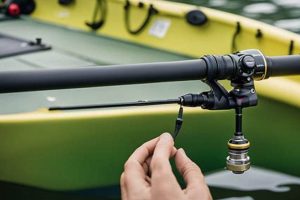
Rod holders are essential for securing fishing rods while paddling, trolling, or managing multiple lines. Flush-mounted rod holders minimize interference while paddling, while adjustable rod holders allow for customized angles and positioning. Recessed rod holders protect rods during transport. The number and type of rod holders influence fishing versatility, accommodating different angling techniques.
- Anchor Trolley System:
An anchor trolley system allows controlled anchoring from various positions on the kayak, crucial for maintaining position in currents or wind. This system enables anglers to adjust the anchor point based on fishing conditions, optimizing boat positioning for specific targets or techniques. This improves fishing efficiency by preventing drift and maintaining ideal presentation of bait or lures.
- Storage and Gear Tracks:
Dedicated storage compartments and gear tracks accommodate tackle boxes, safety equipment, and personal belongings. Dry hatches protect sensitive items from water damage, while bungee systems secure loose items. Gear tracks provide versatile mounting points for accessories like fish finders, GPS units, and camera mounts, enhancing functionality and customization options.
- Rudder or Skeg:
A rudder or skeg enhances directional stability, particularly helpful in windy or choppy conditions. Rudders offer active control for steering, while skegs provide passive directional assistance, minimizing yaw (side-to-side movement). These features improve tracking and reduce paddling effort, allowing anglers to cover greater distances efficiently and maintain course in challenging environments.
These specialized features, when combined with a stable and maneuverable hull design, significantly enhance the functionality and safety of a two-person ocean fishing kayak. Choosing a kayak equipped with the appropriate features optimizes performance and contributes to a more productive and enjoyable fishing experience. Understanding the purpose and benefits of each feature empowers informed decision-making, aligning kayak selection with specific angling needs and preferences. This customization enables anglers to maximize their time on the water, focusing on the pursuit of their target species and the enjoyment of the sport.
5. Safety Considerations
Operating a two-person ocean fishing kayak presents inherent risks. Mitigating these risks requires meticulous planning, appropriate equipment, and adherence to established safety protocols. Ignoring these considerations can lead to serious consequences, including injuries, capsizing, or other emergencies. Prioritizing safety enhances not only individual well-being but also the overall enjoyment of the experience. This section details essential safety considerations for tandem ocean kayak fishing.
- Personal Flotation Devices (PFDs):
PFDs are essential safety equipment for all kayak anglers. Properly fitted and Coast Guard-approved PFDs must be worn consistently throughout the excursion, regardless of perceived swimming ability. A PFD provides buoyancy in the event of capsizing, increasing the likelihood of self-rescue or successful rescue by others. Neglecting to wear a PFD dramatically increases the risk of drowning, especially in challenging ocean conditions.
- Communication Equipment:
Reliable communication equipment is crucial for summoning assistance in emergencies. A waterproof VHF radio allows direct contact with the Coast Guard and other vessels. A charged and waterproofed cell phone can also serve as a communication tool, but cellular coverage may be unreliable in offshore areas. Carrying signaling devices like whistles, flares, or a signal mirror provides additional means of attracting attention if needed. A pre-departure communication plan, including designated emergency contacts and planned check-in times, further enhances safety protocols.
- Navigation and Awareness:
Navigational awareness is crucial for avoiding hazards and ensuring safe passage. Carrying nautical charts, a compass, and a GPS device aids in route planning and maintaining orientation. Checking marine weather forecasts before departure and remaining vigilant for changing conditions, like approaching storms or shifting currents, are vital for safety. Understanding local regulations, including restricted areas and speed limits, also contributes to responsible and safe kayaking. For example, awareness of tidal currents and potential hazards like submerged rocks or reefs significantly reduces the risk of grounding or capsizing.
- Emergency Preparedness:
Preparing for potential emergencies enhances resilience and response effectiveness. Carrying a well-stocked first-aid kit, including essential medications and supplies for treating minor injuries, is crucial. Knowing basic first-aid procedures and CPR techniques equips anglers to handle medical situations effectively until professional help arrives. Practicing self-rescue and assisted rescue techniques in calm water enhances preparedness for capsizing scenarios. Carrying a bilge pump and paddle float assists in recovery after capsizing. These preparations empower anglers to manage unforeseen circumstances, minimizing potential negative outcomes.
Adhering to these safety considerations significantly reduces the risks associated with two-person ocean fishing kayak excursions. Prioritizing safety enhances not only individual well-being but also the overall enjoyment of the experience, allowing anglers to focus on the sport with confidence and peace of mind. Integrating these precautions into pre-trip planning and on-water practices establishes a foundation for responsible and enjoyable ocean kayak fishing, fostering a culture of safety within the angling community.
6. Material Durability

Material durability is paramount for two-person ocean fishing kayaks, dictating vessel longevity and resilience against harsh marine environments. Exposure to saltwater, UV radiation, and potential impacts necessitates robust construction. Material selection directly influences kayak lifespan, maintenance requirements, and overall performance, impacting safety and long-term cost-effectiveness.
- Polyethylene (PE):
Polyethylene, particularly high-density polyethylene (HDPE), is a common material due to its impact resistance, affordability, and UV resistance. HDPE kayaks withstand impacts against rocks, submerged debris, and rough handling during transport and storage. Rotational molding creates a seamless, durable hull. However, HDPE is heavier than other materials, potentially impacting maneuverability and transportation.
- Fiberglass:
Fiberglass kayaks offer superior strength-to-weight ratios compared to polyethylene, resulting in lighter and more responsive vessels. Fiberglass construction allows for intricate hull designs, optimizing performance for specific paddling styles and water conditions. However, fiberglass is more susceptible to scratches and cracks upon impact, requiring more meticulous care and maintenance. Gelcoat, the outer protective layer, requires periodic maintenance to prevent UV degradation and maintain its aesthetic appeal.
- Thermoformed Composites:
Thermoformed composites, often utilizing ABS or ASA plastics, offer a balance between durability and weight. These materials resist impacts and UV degradation, offering durability comparable to HDPE while remaining lighter. Thermoforming allows for precise shaping and integration of features, contributing to enhanced performance and aesthetics. However, thermoformed kayaks can be more expensive than polyethylene options.
- Inflatable Kayaks:
While less common for dedicated ocean fishing, advancements in inflatable kayak technology have produced durable options suitable for calmer coastal waters. High-quality inflatable kayaks utilize durable PVC or Hypalon fabrics, offering portability and ease of storage. However, inflatable kayaks remain more susceptible to punctures and abrasion compared to rigid hulls, and their performance in challenging ocean conditions can be limited. Careful consideration of material quality and construction is essential when choosing an inflatable kayak for ocean fishing.
Selecting a durable material is a crucial investment in the longevity and performance of a two-person ocean fishing kayak. The chosen material should align with the intended usage, balancing durability, weight, and cost considerations. Understanding the properties of each material empowers informed decision-making, ensuring the kayak withstands the rigors of the marine environment and provides years of reliable service. This careful consideration ultimately enhances safety, improves the fishing experience, and maximizes long-term value.
7. Target Species

Target species significantly influence the selection and outfitting of a two-person ocean fishing kayak. Specific species dictate fishing location, required gear, and ideal kayak characteristics. Consider offshore pursuits of pelagic fish like tuna or marlin. These expeditions necessitate a kayak prioritizing stability, capacity for heavy tackle, and features like rod holders capable of accommodating large-diameter rods. Conversely, targeting inshore species like flounder or redfish in shallow estuaries requires a maneuverable kayak with a shallower draft, emphasizing stealth and precise boat control over open-ocean stability. Choosing a kayak aligned with target species optimizes fishing effectiveness and enhances overall safety and enjoyment.
Kayak selection based on target species extends beyond physical characteristics to safety considerations. Fishing for large, powerful species like sharks or rays requires specialized equipment and enhanced safety protocols, potentially including specialized fishing kayaks designed for big game pursuits. These considerations influence decisions regarding kayak size, stability features, and emergency procedures. For instance, a larger, more stable kayak is preferable when targeting larger species, offering a more secure platform for battling powerful fish and reducing the risk of capsizing. Similarly, targeting species in remote locations necessitates enhanced safety measures, including comprehensive communication equipment, advanced navigation tools, and potentially specialized safety training for handling challenging conditions and unexpected encounters.
Understanding the interplay between target species and kayak selection is crucial for successful and safe ocean fishing. Aligning kayak choice with intended species ensures anglers utilize the appropriate equipment and techniques, maximizing catch potential while minimizing risks. This informed approach elevates fishing from a recreational pastime to a more focused and rewarding pursuit, fostering a deeper appreciation for the marine environment and its diverse inhabitants. Failure to consider target species during kayak selection can lead to inadequate equipment, compromised safety, and ultimately a less fulfilling fishing experience. Prioritizing this connection enhances angling success and contributes to responsible and sustainable fishing practices.
Frequently Asked Questions
This section addresses common inquiries regarding tandem ocean fishing kayaks, providing concise and informative responses to facilitate informed decision-making and enhance understanding of this specialized vessel type.
Question 1: What are the key advantages of a two-person ocean fishing kayak compared to a solo kayak?
Tandem kayaks offer increased stability, enhanced load capacity, and the opportunity for shared paddling effort and companionship. These factors contribute to improved safety, particularly in challenging ocean conditions, and allow for longer excursions with more gear.
Question 2: How does one choose the right size tandem fishing kayak?
Appropriate kayak size depends on combined paddler weight, anticipated gear load, and intended fishing environment. Manufacturers provide weight capacity specifications; adhering to these recommendations is crucial for safety and performance. Longer kayaks generally track better in open water, while shorter kayaks offer enhanced maneuverability in tighter spaces.
Question 3: What essential safety equipment should accompany every tandem ocean fishing kayak trip?
Essential safety equipment includes properly fitted personal flotation devices (PFDs), a VHF radio, signaling devices (whistle, flares, mirror), a first-aid kit, a bilge pump, and a paddle float. Navigation tools such as charts, compass, and GPS are also highly recommended.
Question 4: How does paddling technique differ in a tandem kayak compared to a solo kayak?
Tandem kayaking requires synchronized paddling for efficient propulsion and maneuverability. Communication and coordination between paddlers are crucial. Practicing paddling together in calm water before venturing into open ocean is essential for developing a smooth, unified rhythm.
Question 5: What maintenance is required for a two-person ocean fishing kayak?
Regular rinsing with fresh water after each use helps prevent saltwater corrosion. Periodic inspection for damage, including cracks, scratches, and wear on hardware, is essential. Following manufacturer guidelines for storage and maintenance ensures kayak longevity and optimal performance.
Question 6: What are the primary considerations for fishing from a tandem kayak in varying ocean conditions?
Ocean conditions, including wind, waves, and currents, significantly impact kayak handling and safety. Checking marine weather forecasts before embarking and adjusting plans based on prevailing conditions are crucial. Proper weight distribution, skilled paddling technique, and effective communication between paddlers become paramount in challenging environments.
Careful consideration of these frequently asked questions enhances preparedness and promotes safe and enjoyable tandem ocean fishing kayak experiences. Informed decision-making regarding kayak selection, safety protocols, and paddling technique contributes significantly to positive outcomes on the water.
The subsequent section delves into advanced techniques for maximizing fishing success from a two-person ocean kayak.
Conclusion
Tandem kayaks designed for ocean fishing represent a specialized vessel category catering to anglers seeking shared experiences and enhanced capabilities in saltwater environments. Careful consideration of factors like stability, capacity, maneuverability, specialized features, safety considerations, material durability, and target species is essential for selecting and effectively utilizing these vessels. Understanding the interplay of these elements empowers informed decision-making, contributing to both fishing success and on-the-water safety. Proper preparation, adherence to safety protocols, and ongoing skill development are crucial for maximizing the enjoyment and productivity of tandem ocean kayak fishing excursions.
Responsible engagement with this activity necessitates respect for the marine environment and adherence to sustainable fishing practices. Continued exploration of advanced techniques and emerging technologies promises to further enhance the capabilities and accessibility of tandem ocean fishing kayaks, fostering deeper connections between anglers and the marine world. Prioritizing safety, education, and environmental stewardship ensures the enduring appeal and responsible growth of this unique pursuit.