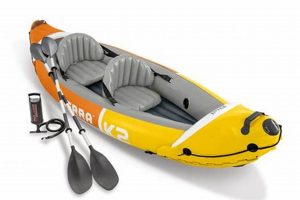
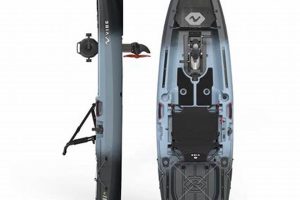
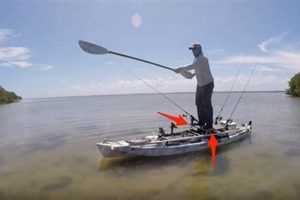
Budget-friendly fishing kayaks offer anglers an accessible entry point into kayak fishing. These vessels provide a stable platform for casting lines and navigating calm waters, often featuring basic amenities like rod holders and storage compartments. For example, a recreational sit-on-top kayak made of high-density polyethylene (HDPE) can serve as a cost-effective fishing platform.
Affordable kayak fishing opens up opportunities for anglers to explore diverse waterways, from ponds and lakes to slow-moving rivers. This method offers a stealthy approach, allowing anglers to get closer to fish without disturbing them. Historically, fishing from small, human-powered watercraft has been practiced for centuries, and modern, inexpensive kayaks continue this tradition, making it more accessible than ever.
The following sections will explore various aspects of selecting and using an economical fishing kayak, including factors to consider when making a purchase, essential accessories, safety precautions, and popular fishing techniques.
Tips for Selecting and Using Budget-Friendly Fishing Kayaks
Acquiring a cost-effective fishing kayak requires careful consideration of various factors to ensure suitability for individual needs and fishing styles. The following tips offer guidance for selecting and utilizing an affordable fishing kayak.
Tip 1: Prioritize Stability: Wider kayaks generally offer greater stability, especially for beginners. Look for designs with a flatter hull for enhanced stability when casting and reeling.
Tip 2: Consider Length and Weight Capacity: Longer kayaks track better in open water, while shorter kayaks are more maneuverable in tight spaces. Ensure the kayak’s weight capacity accommodates the angler’s weight plus gear.
Tip 3: Evaluate Storage Options: Ample storage space is crucial for carrying fishing gear, tackle boxes, and safety equipment. Look for kayaks with built-in storage compartments, bungee cords, and tank wells.
Tip 4: Assess Rod Holders and Mounting Options: Integrated rod holders are essential for hands-free fishing and trolling. Consider kayaks with adjustable or flush-mounted rod holders for versatility. Check for mounting options for fish finders and other accessories.
Tip 5: Choose the Right Material: High-density polyethylene (HDPE) kayaks are durable and affordable, while inflatable kayaks offer portability and compact storage. Consider the trade-offs between durability, weight, and cost.
Tip 6: Test Before Buying: Whenever possible, test the kayak on the water before purchasing. This allows anglers to assess stability, comfort, and maneuverability firsthand.
Tip 7: Research Local Regulations: Familiarize oneself with local regulations regarding kayak registration, required safety equipment, and permitted fishing areas.
By considering these factors, anglers can select an economical fishing kayak that meets their individual needs and enhances their fishing experience. A well-chosen kayak provides years of enjoyment on the water.
With these tips in mind, the concluding section will offer final thoughts and recommendations for embarking on a budget-friendly kayak fishing adventure.
1. Affordability

Affordability plays a crucial role in the accessibility of kayak fishing. Budgetary constraints often dictate purchasing decisions, influencing the type of kayak, features, and accessories an angler can acquire. Understanding the components of affordability empowers informed choices and maximizes value.
- Initial Purchase Price:
The upfront cost of the kayak itself represents a significant portion of the overall expenditure. Less expensive kayaks often utilize simpler designs and materials like high-density polyethylene (HDPE). For example, a basic recreational kayak might cost significantly less than a high-end fishing kayak designed for offshore use. This allows anglers to enter the sport without a substantial initial investment.
- Long-Term Costs:
Beyond the initial purchase, ongoing expenses such as maintenance, repairs, storage, and transportation contribute to the total cost of ownership. Less expensive kayaks might require more frequent maintenance or repairs, potentially offsetting initial savings. For instance, an inflatable kayak might be less expensive upfront but require regular patching or pump replacements. Factoring in these potential costs provides a more realistic assessment of affordability.
- Feature Set vs. Cost:
The features included in a kayak often correlate with its price. Basic kayaks typically offer fewer specialized features like built-in rod holders, fish finders, or advanced seating systems. Anglers must prioritize essential features based on their fishing style and budget. A beginner might prioritize stability and basic storage over advanced features found in more expensive models.
- Resale Value:
The potential resale value of a kayak contributes to its overall affordability. Kayaks from reputable brands and those made with durable materials tend to retain value better, mitigating long-term costs. Considering resale value can influence purchasing decisions, particularly for anglers who anticipate upgrading in the future.
Evaluating these facets of affordability allows anglers to select kayaks that meet their fishing needs and budget constraints. A well-considered purchase ensures long-term satisfaction and maximizes the enjoyment of kayak fishing without compromising financial stability. Choosing a less expensive kayak allows allocation of funds towards essential safety gear, fishing equipment, and permits, ultimately enriching the overall fishing experience.
2. Stability
Stability stands as a critical factor influencing the safety and effectiveness of budget-friendly fishing kayaks. A stable platform allows anglers to cast, reel, and land fish without compromising balance or risking capsizing. Stability directly impacts angler confidence and overall fishing experience, especially in challenging conditions. This section examines key facets contributing to stability in inexpensive fishing kayaks.
- Hull Design:
Hull design significantly affects kayak stability. Wider, flatter hulls generally provide greater initial stability, making them suitable for beginners or calm waters. For example, a pontoon-style hull offers exceptional stability but sacrifices maneuverability. Conversely, a V-shaped hull enhances tracking and speed but reduces initial stability. Budget-friendly kayaks often feature wider, flatter hulls to prioritize stability over performance.
- Width and Length:
Kayak width directly influences stability. Wider kayaks provide more initial stability than narrower kayaks. However, increased width can compromise maneuverability and speed. Length also plays a role; longer kayaks generally track better in a straight line, while shorter kayaks turn more easily. Budget-friendly kayaks often prioritize width for stability, potentially sacrificing some tracking performance.
- Weight Distribution:
Proper weight distribution contributes significantly to kayak stability. Evenly distributing gear and maintaining a low center of gravity enhances balance. For example, placing heavier items close to the kayak’s center improves stability compared to concentrating weight at the bow or stern. Anglers using budget-friendly kayaks should carefully consider weight distribution to maximize stability, especially when carrying fishing gear and equipment.
- Water Conditions:
Water conditions directly influence kayak stability. Calm, flat water presents fewer stability challenges compared to choppy or windy conditions. Currents and waves can destabilize a kayak, demanding increased attention to balance and paddle control. Anglers using budget-friendly kayaks should carefully assess water conditions and choose locations appropriate for their kayak’s stability characteristics. Avoiding challenging conditions enhances safety and prevents capsizing.
Understanding these elements of stability allows anglers to make informed choices when selecting and using a budget-friendly fishing kayak. Prioritizing stability ensures a safe and enjoyable fishing experience, even with a less expensive kayak. A stable platform allows anglers to focus on fishing rather than constantly battling to maintain balance, ultimately increasing their chances of success and overall enjoyment on the water.
3. Durability

Durability represents a critical factor in the value proposition of budget-friendly fishing kayaks. While cost-effectiveness remains a primary concern, compromising durability can lead to premature wear and tear, repairs, or replacement, ultimately negating initial savings. A durable kayak withstands regular use, minor impacts, and environmental stressors, ensuring long-term functionality and value.
- Material Selection:
Kayak construction materials directly influence durability. High-density polyethylene (HDPE) is a common material in less expensive kayaks, offering a balance of durability and affordability. However, HDPE can be susceptible to UV degradation and scratches. Other materials, like rotomolded polyethylene, offer increased impact resistance but often come at a higher price. Understanding the properties of different materials allows informed decisions based on anticipated usage and environmental conditions.
- Construction Quality:
Construction quality significantly impacts a kayak’s ability to withstand stress and resist damage. Well-constructed kayaks feature robust seams, reinforced stress points, and quality hardware. Inspecting seams, hatches, and fittings can reveal potential weaknesses. For example, poorly sealed seams can lead to leaks, while inadequate hardware can fail under stress. Prioritizing construction quality helps ensure long-term durability, even in budget-friendly models.
- Maintenance and Care:
Proper maintenance and care contribute significantly to kayak longevity. Regular cleaning, UV protection, and appropriate storage practices minimize wear and tear. For example, rinsing a kayak after each use prevents salt and dirt buildup, which can degrade materials over time. Storing a kayak out of direct sunlight prevents UV damage. Investing time in routine maintenance preserves the kayak’s integrity and extends its lifespan.
- Usage and Environment:
The intended usage and environment influence the type and degree of wear and tear a kayak experiences. Frequent use in rocky or shallow water requires greater durability than occasional use in calm lakes. Transporting a kayak on a roof rack exposes it to wind and vibration, potentially increasing the risk of damage. Considering these factors allows for selecting a kayak with appropriate durability characteristics for the intended environment and usage patterns.
Assessing durability in budget-friendly fishing kayaks requires careful consideration of materials, construction quality, maintenance requirements, and anticipated usage. Balancing cost with durability ensures long-term value and prevents premature failure or replacement. A durable kayak offers extended enjoyment and minimizes the risk of unexpected expenses, ultimately enhancing the overall value proposition of a budget-friendly fishing platform.
4. Features

Features in budget-friendly fishing kayaks represent a critical balance between functionality and cost. While high-end kayaks offer a plethora of advanced features, less expensive models often prioritize essential functionalities while minimizing unnecessary additions that inflate price. Understanding this balance allows anglers to select a kayak equipped with the features necessary for a successful and enjoyable fishing experience without exceeding budgetary constraints.
- Rod Holders:
Rod holders are essential for hands-free fishing, allowing anglers to manage lines, change lures, or paddle without constantly holding a rod. Budget-friendly kayaks typically include flush-mounted or adjustable rod holders. While adjustable rod holders offer greater versatility, flush-mounted holders are simpler and less expensive to manufacture. The number and placement of rod holders influence an angler’s ability to troll multiple lines or switch between different fishing techniques.
- Storage Options:
Storage space is crucial for carrying tackle boxes, safety gear, and personal items. Budget-friendly kayaks offer various storage solutions, including open tank wells with bungee cords, sealed hatches, and smaller compartments for personal items. While sealed hatches offer better protection from water, open tank wells are simpler and less expensive to produce. The type and volume of storage influence an angler’s ability to carry essential gear and remain organized on the water.
- Seating and Comfort:
Seating comfort significantly impacts the fishing experience, particularly during longer trips. Budget-friendly kayaks typically offer basic seating systems, often consisting of molded plastic seats or simple padded cushions. While adjustable seating systems with enhanced back support are available in higher-priced models, basic seating remains functional and cost-effective. The level of seating comfort influences an angler’s ability to remain comfortable and focused during extended fishing sessions.
- Paddle and Accessories:
Budget-friendly kayaks often include a basic paddle, although the quality and material may vary. Kayak paddles are typically made of aluminum, plastic, or fiberglass. While aluminum paddles are durable and inexpensive, fiberglass paddles are lighter and more efficient. Some less expensive kayaks may not include additional accessories like anchors, leashes, or paddle clips, necessitating separate purchases. Considering the included accessories and their quality influences the overall value and immediate usability of the kayak.
Evaluating features in budget-friendly fishing kayaks requires careful consideration of fishing style, needs, and budget. Prioritizing essential features like rod holders and sufficient storage ensures a functional fishing platform without incurring unnecessary costs. Understanding the trade-offs between features, cost, and quality allows anglers to select a kayak that balances affordability with essential functionality, maximizing their fishing experience without exceeding budgetary limitations.
5. Fishing Suitability
Fishing suitability represents a critical factor when evaluating inexpensive fishing kayaks. It encompasses the kayak’s design characteristics and how effectively they cater to specific fishing styles and target environments. A kayak’s suitability directly impacts an angler’s efficiency, comfort, and overall success on the water. Careful consideration of fishing suitability ensures the chosen kayak aligns with the angler’s intended use and maximizes their fishing potential within budgetary constraints.
Several factors influence fishing suitability. Kayak length and hull design affect maneuverability and tracking, crucial for navigating specific waterways. A shorter kayak excels in narrow creeks and rivers, allowing for quick turns and obstacle avoidance. Conversely, a longer kayak with a V-shaped hull provides better tracking and speed in open water, suitable for trolling or covering larger distances. Stability also plays a crucial role; a wider, flatter hull offers a more stable platform for casting and reeling, particularly beneficial for stand-up fishing or tackling larger fish. Storage capacity dictates the amount of gear an angler can carry, influencing the feasibility of longer trips or specialized techniques. Finally, features such as rod holders, anchor trolleys, and mounting points for fish finders enhance fishing-specific functionality and efficiency.
For example, an angler targeting panfish in a small pond benefits from a shorter, more maneuverable kayak with ample storage for tackle and bait. Conversely, an angler pursuing larger game fish in open water requires a longer, more stable kayak with features like rod holders and a fish finder mount. Understanding these nuances allows anglers to select a budget-friendly kayak optimized for their specific fishing style and target environment. Failing to consider fishing suitability can lead to a frustrating and inefficient experience, hindering an angler’s ability to enjoy the sport fully. Therefore, careful evaluation of fishing suitability ensures a cost-effective kayak purchase that aligns with the angler’s needs and enhances their chances of success on the water.
Frequently Asked Questions
This section addresses common inquiries regarding budget-friendly fishing kayaks, providing clarity on key considerations and dispelling potential misconceptions.
Question 1: Are cheap fishing kayaks durable enough for regular use?
Durability varies depending on materials and construction. While some inexpensive kayaks utilize less robust materials, many offer sufficient durability for recreational fishing in calm waters. Careful inspection and selection are crucial.
Question 2: What essential features should one look for in an inexpensive fishing kayak?
Essential features include rod holders, storage compartments, and a comfortable seat. Prioritize these features based on individual fishing style and needs.
Question 3: Can one effectively fish in a variety of environments with a budget-friendly kayak?
While less expensive kayaks might not be suitable for all environments, many perform well in calm lakes, ponds, and slow-moving rivers. Consider the kayak’s stability and design limitations when selecting fishing locations.
Question 4: How does one maintain an affordable fishing kayak?
Regular cleaning, UV protection, and proper storage contribute significantly to kayak longevity. Rinsing after use, storing out of direct sunlight, and addressing minor repairs promptly prevent premature wear and tear.
Question 5: What safety precautions should one take when using a cheap fishing kayak?
Standard safety precautions apply regardless of kayak price. Always wear a personal flotation device (PFD), inform someone of fishing plans, and be aware of weather conditions and water hazards.
Question 6: Are there specific fishing techniques best suited for inexpensive kayaks?
Less expensive kayaks often perform well for still-fishing, casting, and trolling in calmer waters. More demanding techniques like stand-up fishing or navigating rough waters might require higher-end kayaks with enhanced stability and performance characteristics.
Careful consideration of these frequently asked questions empowers informed decisions when selecting and utilizing a budget-friendly fishing kayak. Understanding the balance between cost, features, and limitations ensures a safe, enjoyable, and successful fishing experience.
Further sections will provide additional resources and insights for those embarking on their kayak fishing journey.
Conclusion
Careful consideration of factors like affordability, stability, durability, features, and fishing suitability empowers informed decisions regarding budget-conscious kayak purchases. Balancing cost-effectiveness with essential functionality ensures a rewarding fishing experience without compromising safety or performance. Prioritizing essential features like rod holders and sufficient storage, while acknowledging potential limitations in materials and construction, allows anglers to maximize their investment and enjoy the sport fully.
The pursuit of angling from a kayak offers a unique connection with nature and the thrill of the catch. Accessing this experience through economically viable options democratizes the sport, inviting broader participation. Thoughtful selection and responsible use of budget-friendly fishing kayaks enrich the angling community and promote sustainable enjoyment of aquatic environments.