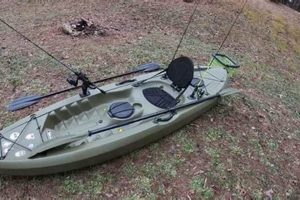
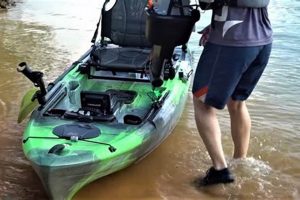
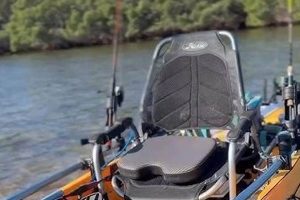
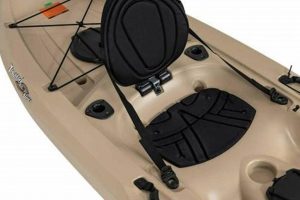
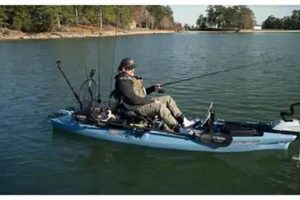
This activity involves angling from a small, human-powered watercraft within the diverse estuarine system of the Indian River Lagoon. The shallow-draft vessels offer unique access to shallow flats, mangrove tunnels, and other areas teeming with fish, making it a popular pursuit for both recreational and seasoned anglers.
The sheltered waters and rich biodiversity of the lagoon create a prime environment for numerous fish species, providing anglers opportunities to target redfish, spotted seatrout, snook, tarpon, and many others. This style of fishing offers a close-to-nature experience, promoting low-impact interaction with the environment while providing exercise and promoting conservation awareness. Historically, small boats have been used for fishing in the lagoon for centuries, evolving from traditional dugout canoes to modern kayaks equipped with specialized fishing gear.
Further exploration of this topic will cover essential equipment, effective techniques, recommended launch sites, ethical considerations, and the importance of preserving this valuable ecosystem.
Tips for a Successful Outing
Careful planning and preparation are crucial for maximizing success and ensuring safety on the water. The following tips provide valuable insights for anglers of all experience levels.
Tip 1: Check the Weather Forecast. Wind and tidal currents can significantly impact paddling conditions. Confirm favorable weather conditions and consult tide charts prior to departure.
Tip 2: Utilize a Shallow-Draft Vessel. Select a kayak designed for stability in shallow water to navigate the lagoon’s flats and creeks effectively.
Tip 3: Employ Appropriate Fishing Gear. Light to medium tackle suitable for the target species is recommended. Live bait or artificial lures that mimic local prey are often effective.
Tip 4: Plan Launch Locations Strategically. Research public access points, considering proximity to target fishing areas and parking availability.
Tip 5: Practice Stealth and Minimal Disturbance. Avoid sudden movements and excessive noise, which can spook fish. Approach fishing spots quietly and respectfully.
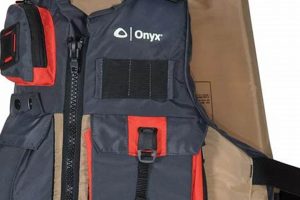
Tip 6: Prioritize Safety Precautions. Wear a personal flotation device (PFD) at all times. Carry a whistle, signaling device, and essential safety equipment. Inform someone of your fishing plan and expected return time.
Tip 7: Respect Wildlife and Habitat. Observe local regulations regarding catch limits and protected species. Practice catch-and-release whenever possible. Avoid disturbing nesting birds and other wildlife.
By adhering to these guidelines, anglers can enhance their chances of a productive and enjoyable fishing experience while promoting responsible stewardship of the Indian River Lagoon ecosystem.
Following these recommendations will contribute to a safer and more rewarding experience. The concluding section offers a final overview of best practices and emphasizes the importance of conservation efforts within this unique environment.
1. Quiet Approach

A quiet approach is paramount for successful kayak fishing within the Indian River Lagoon. The shallow, clear waters of this estuary make fish easily spooked by noise and disturbances. Kayaks, by their very nature, offer a stealth advantage over motorized boats. Minimizing paddle splashes, avoiding sudden movements, and even controlling breathing contribute to a quieter presence on the water. This allows anglers to get closer to fish without detection, increasing opportunities for successful hookups, particularly when sight fishing or targeting spooky species like redfish or sea trout. For example, drifting quietly along mangrove shorelines or over shallow grass flats allows anglers to present lures or bait with minimal disturbance, significantly improving the chances of enticing a strike.
The importance of a quiet approach extends beyond simply catching more fish. It also contributes to a more immersive and respectful interaction with the environment. Paddling quietly allows for greater observation of the lagoon’s diverse wildlife, from wading birds to dolphins. This fosters a deeper appreciation for the ecosystem and encourages responsible angling practices. Furthermore, minimizing noise pollution reduces stress on the lagoon’s inhabitants, contributing to the overall health and balance of this delicate environment. Practical applications include using a paddle with a drip ring to minimize water noise and choosing anchoring locations that allow for drift fishing with minimal paddling.
In summary, adopting a quiet approach is not merely a technique for increased fishing success in the Indian River Lagoon; it represents a holistic approach to angling that values both effectiveness and environmental responsibility. This low-impact method enhances the fishing experience while minimizing human disturbance within this valuable ecosystem. Challenges may include wind and current noise which require strategic positioning and patience. Ultimately, mastering the quiet approach is integral to successful and sustainable kayak fishing within the Indian River Lagoon.
2. Shallow Water Access
Shallow water access represents a significant advantage of kayak fishing within the Indian River Lagoon. The lagoon’s extensive shallow flats, creeks, and mangrove shorelines hold abundant fish populations but are often inaccessible to larger, deeper-draft vessels. Kayaks, with their minimal draft, allow anglers to navigate these areas effectively, opening up prime fishing grounds teeming with species like redfish, snook, and spotted seatrout.
- Navigating Shallow Flats:
Kayaks excel in navigating shallow flats, often less than a foot deep, where larger boats cannot venture. These flats are prime feeding grounds for numerous fish species, and kayaks provide the necessary access to exploit these productive areas. Poling a shallow-draft kayak across a flat allows anglers to quietly approach feeding fish, offering a significant advantage over other fishing methods. For instance, the shallow flats of Mosquito Lagoon, part of the larger Indian River Lagoon system, are renowned for their redfish and trout populations and are ideally suited for kayak fishing.
- Accessing Creeks and Mangrove Tunnels:
The intricate network of creeks and mangrove tunnels within the Indian River Lagoon provides essential habitat for many fish species. Kayaks offer unparalleled access to these areas, allowing anglers to explore otherwise unreachable fishing spots. Paddling through these narrow waterways offers a unique and immersive experience, providing close encounters with wildlife and opportunities to target fish in their natural environment. The mangrove roots themselves provide structure and shade that attract fish.
- Reduced Disturbance to Fish:
The shallow draft of kayaks minimizes disturbance to fish in these sensitive environments. Unlike motorboats that create noise and prop wash, kayaks allow for a stealthier approach, reducing the likelihood of spooking fish, particularly in clear, shallow water. This is crucial when targeting wary species in shallow areas where they have a heightened sense of awareness. The quiet movement of a kayak allows for closer approach without alarming the target fish.
- Exploring Diverse Habitats:
The shallow water access provided by kayaks opens up a wider range of habitats within the Indian River Lagoon for exploration. From seagrass beds to oyster bars and mangrove islands, kayaks allow anglers to effectively fish a variety of environments, each with its unique fish populations and fishing challenges. This versatility makes kayak fishing in the Indian River Lagoon a dynamic and rewarding experience, offering diverse opportunities to target different species throughout the year.
The ability of kayaks to access shallow water within the Indian River Lagoon significantly enhances fishing success and expands angling opportunities within this diverse ecosystem. This advantage, combined with the quiet and non-intrusive nature of kayak fishing, makes it a preferred method for targeting the abundant fish populations that thrive in the shallows. This specialized access becomes crucial during certain times of year, like cooler months when fish concentrate in shallow, warmer areas.
3. Species-specific tackle
Employing species-specific tackle significantly enhances angling success within the Indian River Lagoon environment. The diverse fish species inhabiting this estuary, including redfish, spotted seatrout, snook, and tarpon, each possess unique feeding habits and behavioral patterns. Tailoring tackle to these specific characteristics optimizes catch rates and minimizes wasted effort. For example, targeting redfish over shallow grass flats often necessitates heavier leader material and weedless lures to prevent snags and withstand their powerful runs. Conversely, pursuing trout in deeper channels may require lighter lines and lures that mimic small baitfish.
Practical application of this principle involves understanding the target species’ preferred prey, habitat, and feeding behavior. Matching lure selection, line weight, hook size, and even rod action to these factors increases the likelihood of enticing a strike. For instance, using a popping cork rig with a live shrimp is a common and effective technique for targeting seatrout in the lagoon’s shallows. The popping cork attracts attention while the live shrimp provides a natural and enticing presentation. Similarly, fishing for snook around mangrove roots and docks often requires heavier tackle to extract them from their structure-rich environment. Using a heavier leader and a lure that mimics a small baitfish or crustacean can effectively target snook in these areas. Careful consideration of these factors contributes to a more effective and rewarding fishing experience. Utilizing circle hooks, for example, increases the chances of a successful hookset while minimizing harm to the fish, facilitating catch and release practices.
Ultimately, selecting species-specific tackle demonstrates a proactive approach to angling, reflecting an understanding of the lagoon’s diverse ecosystem and a commitment to ethical and sustainable fishing practices. Challenges include adapting to changing conditions and correctly identifying the target species based on their behavior and habitat. Overcoming these challenges, however, leads to improved angling success while contributing to the preservation of the Indian River Lagoon’s valuable fish populations. This informed approach not only increases the likelihood of a successful fishing trip but also fosters a deeper respect for the complex interactions within this dynamic ecosystem.
4. Tidal Flow Awareness
Tidal flow awareness is crucial for successful kayak fishing within the Indian River Lagoon system. Tides significantly influence fish behavior and movement within this dynamic estuarine environment. Incoming tides bring cooler, oxygenated water and baitfish into the shallow flats and creeks, attracting predatory species like redfish, snook, and trout. Conversely, outgoing tides concentrate fish in deeper channels and cuts as they follow the receding water and retreating baitfish. Understanding these patterns allows anglers to position themselves strategically to intercept fish during peak feeding periods. For example, fishing near inlets and channels during an incoming tide can be highly productive as baitfish are swept into these areas, followed by larger predatory species. Conversely, targeting deeper holes and drop-offs during an outgoing tide can yield good results as fish concentrate in these remaining pockets of water.
Practical application of tidal flow awareness involves consulting tide charts before venturing out and observing water movement during the fishing trip. Recognizing signs of changing tides, such as swirling eddies or visible current lines, helps anglers anticipate fish movement and adapt their strategies accordingly. Fishing around structure, such as oyster bars or mangrove roots, becomes particularly productive during tidal transitions as these areas provide ambush points for predators. Moreover, understanding how wind interacts with tidal currents is essential for safe and efficient kayak navigation, especially in exposed areas of the lagoon. Strong winds against an outgoing tide can create challenging paddling conditions, while a favorable wind and tide combination can facilitate effortless drifting and access to prime fishing spots. Utilizing a drift sock can control kayak speed and maintain ideal presentation of lures or bait within the current.
In summary, tidal flow awareness represents a fundamental element of successful kayak fishing within the Indian River Lagoon. This understanding allows anglers to anticipate fish behavior, optimize fishing locations, and enhance their overall angling success. Challenges include accurately interpreting tidal data and adapting to rapidly changing conditions within the lagoon. However, mastering this aspect of lagoon fishing provides a distinct advantage, contributing to both increased catch rates and a deeper appreciation for the intricate workings of this dynamic ecosystem.
5. Conservation Practices

Conservation practices are intrinsically linked to the sustainability of kayak fishing within the Indian River Lagoon. This delicate ecosystem faces numerous environmental pressures, including pollution, habitat loss, and overfishing. Responsible angling practices are essential for mitigating these threats and preserving the lagoon’s health and productivity for future generations. Catch-and-release fishing, proper disposal of fishing line and tackle, and minimizing disturbance to wildlife are key components of conservation-minded angling. Supporting organizations dedicated to lagoon restoration and advocating for responsible environmental policies further strengthens these efforts. For example, participating in organized cleanup events helps remove debris and pollutants from the lagoon, directly improving water quality and habitat health. Adhering to established fishing regulations, including size and bag limits, protects breeding populations and ensures the long-term viability of fish stocks. Furthermore, educating fellow anglers about the importance of conservation fosters a culture of stewardship among the fishing community.
The practical significance of integrating conservation practices into kayak fishing within the Indian River Lagoon extends beyond ecological benefits. By actively participating in conservation efforts, anglers contribute to the long-term health of the fishery, ensuring continued access to this valuable resource for recreational and economic purposes. Respectful interaction with the environment enhances the overall fishing experience, fostering a deeper appreciation for the natural world. Supporting local businesses that promote sustainable practices, such as kayak outfitters and bait shops that prioritize environmental responsibility, strengthens the economic viability of eco-tourism within the region. Moreover, engaging in citizen science initiatives, such as reporting unusual fish kills or algal blooms, provides valuable data for researchers and resource managers working to protect the lagoon. These collective actions contribute to the overall resilience of the ecosystem, making it more resistant to environmental stressors and ensuring its long-term health.
In conclusion, conservation practices are not merely an optional component of kayak fishing within the Indian River Lagoon; they represent a fundamental responsibility for all who utilize this valuable resource. Challenges include balancing recreational access with environmental protection and addressing complex issues such as pollution and habitat degradation. However, by prioritizing conservation and actively participating in stewardship initiatives, anglers contribute directly to the preservation of the lagoon’s ecological integrity and the sustainability of the fishery for future generations. This commitment ensures that the unique opportunities offered by kayak fishing within the Indian River Lagoon remain available for years to come.
Frequently Asked Questions
This section addresses common inquiries regarding kayak fishing within the Indian River Lagoon, providing concise and informative responses.
Question 1: What are the most common fish species targeted by kayak anglers in the Indian River Lagoon?
Targeted species commonly include redfish, spotted seatrout, snook, flounder, and tarpon, depending on the season and specific location within the lagoon system.
Question 2: Are there specific regulations or licensing requirements for fishing from a kayak in the Indian River Lagoon?
Standard Florida fishing regulations and licensing requirements apply to all fishing activities within the lagoon, including those conducted from kayaks. Consult the Florida Fish and Wildlife Conservation Commission (FWC) for current regulations.
Question 3: What essential safety equipment should one carry while kayak fishing in the lagoon?
Essential safety equipment includes a personal flotation device (PFD), a whistle, a visual distress signal, a first-aid kit, and a communication device such as a VHF radio or waterproof cell phone. A paddle leash and bilge pump are also recommended.
Question 4: What are the primary environmental considerations for kayak anglers in the Indian River Lagoon?
Minimizing environmental impact involves practicing catch-and-release fishing whenever possible, properly disposing of all fishing line and tackle, avoiding disturbing nesting birds and other wildlife, and adhering to speed limits in designated areas. Respecting seagrass beds and other sensitive habitats is crucial.
Question 5: Where can one find reliable information on launch sites and access points for kayak fishing in the Indian River Lagoon?
Information regarding public access points, boat ramps, and kayak launch sites can be obtained from local municipalities, county parks departments, and the FWC website. Various online resources and local fishing guides also offer valuable insights.
Question 6: What are the potential hazards or challenges associated with kayak fishing in this environment?
Potential hazards include changing weather conditions, strong winds and currents, navigation through shallow areas and around submerged obstacles, and interactions with motorboat traffic. Awareness of these factors and appropriate preparation are crucial for safe and enjoyable kayak fishing.
Careful consideration of these frequently asked questions enhances angler preparedness, promotes responsible fishing practices, and contributes to a safer and more rewarding experience within the Indian River Lagoon ecosystem.
The following section delves further into specific techniques and strategies for successful kayak fishing in this unique environment.
Kayak Fishing Indian River Lagoon
Exploration of kayak fishing within the Indian River Lagoon reveals a unique intersection of recreational pursuit and environmental stewardship. Quiet approach, shallow water access, species-specific tackle, tidal flow awareness, and conservation practices emerge as critical elements for successful and sustainable angling. The shallow-draft vessels provide unparalleled access to the lagoon’s intricate network of creeks, flats, and mangrove tunnels, offering anglers opportunities to target diverse fish species while minimizing environmental disturbance. Emphasis on conservation underscores the importance of responsible angling practices for the long-term health and productivity of this valuable ecosystem.
The future of kayak fishing within the Indian River Lagoon hinges on continued commitment to conservation and responsible resource management. Preservation of water quality, protection of critical habitats, and sustainable fishing practices are essential for ensuring the vitality of this unique environment and the continuation of this rewarding recreational activity. Anglers bear a significant responsibility in advocating for policies and practices that safeguard the lagoon’s ecological integrity, guaranteeing its health and productivity for generations to come. Understanding and respecting the delicate balance within this dynamic ecosystem remain paramount for the enduring enjoyment of kayak fishing within the Indian River Lagoon.