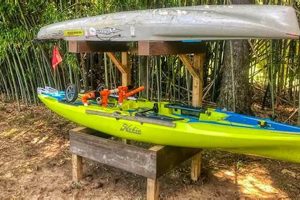
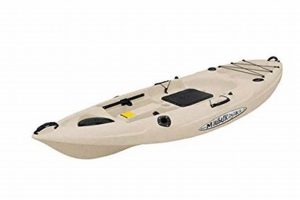
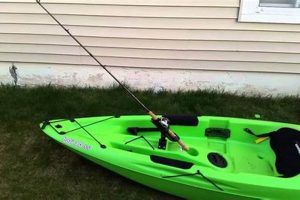
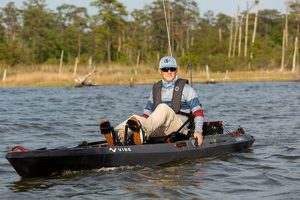
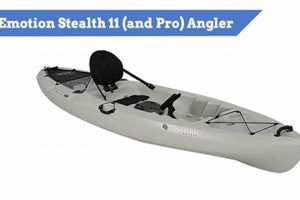
This type of small watercraft, designed for angling, combines affordability with features suitable for recreational fishing. A compact vessel measuring twelve feet, it offers stability and portability for navigating calm waters like lakes and slow-moving rivers. Typically constructed from durable, lightweight polyethylene, these kayaks often include features such as rod holders, storage compartments, and adjustable seating for angler comfort.
Compact vessels like this provide accessible entry points into the sport of fishing. Their manageable size and relatively low cost make them attractive to beginners and experienced anglers alike. The portability of these kayaks allows access to a variety of fishing spots, especially those difficult to reach with larger boats. Furthermore, their design emphasizes stability, making them suitable for casting and reeling in fish. The evolution of recreational fishing has seen an increase in the popularity of these personal watercraft, reflecting a demand for more individualized and adaptable fishing experiences.
Further exploration will cover topics relevant to this style of fishing kayak, including selecting appropriate paddles and safety gear, recommended fishing techniques for use in such a vessel, popular fishing locations suited to its capabilities, and routine maintenance practices for ensuring longevity.
Tips for Kayak Fishing
Effective angling from a compact fishing kayak requires preparation and technique. The following tips offer guidance for a safe and productive fishing experience.
Tip 1: Pre-Trip Planning: Research potential fishing locations, checking water conditions, weather forecasts, and local regulations. Mapping out intended routes and identifying potential hazards ensures a safer and more efficient trip.
Tip 2: Safety First: Always wear a personal flotation device (PFD). Carry a whistle for signaling, and inform someone of the planned fishing location and estimated return time. A first-aid kit and essential tools for minor repairs should be readily available.
Tip 3: Efficient Packing: Distribute weight evenly within the kayak for optimal balance and stability. Secure gear using bungee cords or dry bags to prevent loss or water damage. Prioritize essential items for easy access.
Tip 4: Paddle Selection: Choose a paddle appropriate for individual height and kayak width. A properly sized paddle improves efficiency and reduces fatigue. Consider a lightweight paddle with adjustable feathering for personalized comfort.
Tip 5: Mastering Basic Strokes: Practice fundamental paddle strokes, including forward strokes, reverse strokes, and sweep strokes, to maneuver effectively and maintain control in various water conditions.
Tip 6: Anchoring Techniques: Learn appropriate anchoring techniques for different bottom types and water depths. A well-set anchor prevents drifting and maintains position over promising fishing spots.
Tip 7: Respectful Angling Practices: Observe catch and release guidelines where applicable, minimize environmental impact by properly disposing of fishing line and other waste, and respect other anglers and wildlife in the area.
Adhering to these guidelines promotes both successful and responsible angling practices, ensuring enjoyment and preservation of the natural environment for future fishing excursions.
This foundation of practical tips prepares anglers for a rewarding experience on the water. The following section will explore specific techniques for maximizing fishing success from a kayak.
1. Sit-on-top Design

The sit-on-top design is a defining characteristic of the Sun Dolphin 12 ft fishing kayak, significantly impacting its functionality and suitability for angling. This design distinguishes it from traditional sit-inside kayaks, offering distinct advantages and disadvantages for fishing applications. Understanding these nuances is crucial for evaluating its overall effectiveness.
- Stability and Balance:
The sit-on-top design contributes to enhanced stability, a critical factor for anglers casting lines and reeling in fish. The wider hull and higher center of gravity provide a more stable platform compared to sit-inside kayaks, reducing the likelihood of capsizing, especially in calm waters. This stability allows for greater freedom of movement while fishing.
- Ease of Entry and Exit:
The open design simplifies entry and exit, facilitating quick transitions in and out of the water. This is particularly beneficial for anglers who may need to reposition frequently or prefer easier access for entering or exiting the kayak. This feature also contributes to safety, allowing for quick egress in case of an emergency.
- Self-Bailing System:
Many sit-on-top kayaks, including models like the Sun Dolphin 12 ft, feature scupper holes that allow water to drain out of the cockpit. This self-bailing system prevents water accumulation, keeping the angler dry and enhancing buoyancy. This is crucial for maintaining stability and preventing the kayak from becoming waterlogged.
- Gear Accessibility:
The open deck of a sit-on-top kayak provides readily accessible storage and gear mounting options. This design allows anglers to keep essential equipment within easy reach, improving efficiency and convenience while fishing. The layout facilitates customization with rod holders, fish finders, and other accessories.
These combined features of the sit-on-top design contribute significantly to the Sun Dolphin 12 ft fishing kayak’s suitability for angling. The stability, ease of access, self-bailing capabilities, and gear accessibility collectively create a user-friendly platform conducive to a productive and comfortable fishing experience. While other kayak designs offer alternative benefits, the sit-on-top configuration offers a compelling combination of features specifically relevant to the demands of kayak fishing.
2. Twelve-foot length

The twelve-foot length of the Sun Dolphin fishing kayak represents a deliberate design choice, impacting maneuverability, tracking performance, and overall suitability for specific fishing environments. This dimension influences how the kayak handles in various water conditions and plays a critical role in determining its target applications. Understanding the implications of this length is essential for evaluating its effectiveness as a fishing platform.
- Maneuverability:
A twelve-foot kayak offers a balance between maneuverability and straight-line tracking. While shorter kayaks are generally more agile in tight spaces, the slightly longer length of this model provides enhanced stability and directional control. This makes it suitable for navigating moderately complex waterways, including smaller rivers, ponds, and sheltered coastal areas, while still allowing for efficient turning and positioning.
- Tracking Performance:
Compared to shorter kayaks, a twelve-foot length typically improves tracking, meaning it maintains a straighter course with less effort. This is advantageous for paddling longer distances or in currents, reducing fatigue and increasing efficiency. While not as adept at sharp turns as shorter models, the twelve-foot length provides a reasonable compromise for anglers seeking a balance between maneuverability and directional stability.
- Portability and Storage:
The twelve-foot length presents considerations for transport and storage. While still manageable for car-topping or transporting on a small trailer, it requires more space than shorter kayaks. Storage considerations necessitate adequate space for its length. This factor influences logistical aspects of ownership and requires planning for transportation and off-season storage.
- Capacity and Stability:
The twelve-foot length contributes to the kayak’s weight capacity and overall stability. The longer hull provides a larger surface area for displacement, allowing it to carry more weight (angler, gear, and potential catch) compared to shorter kayaks. This increased length also enhances stability, reducing the likelihood of tipping, particularly when casting lines or reeling in fish. This stability is crucial for maintaining a secure and comfortable fishing platform.
The twelve-foot length of the Sun Dolphin fishing kayak represents a design compromise aimed at balancing maneuverability, tracking, portability, and stability. This length makes it a versatile option suitable for diverse fishing environments, particularly calm to moderately challenging waters. Understanding the implications of this design choice provides a clearer understanding of its intended purpose and optimal usage scenarios.
3. Fishing-Specific Features

The efficacy of a fishing kayak hinges significantly on its specialized features, differentiating it from recreational models. The Sun Dolphin 12 ft fishing kayak incorporates several such features, enhancing its utility and catering specifically to angling needs. These features contribute directly to angler comfort, efficiency, and overall fishing success.
- Rod Holders:
Integrated rod holders, typically flush-mounted or adjustable, secure fishing rods, freeing hands for other tasks like paddling, baiting hooks, or landing fish. Multiple rod holders accommodate diverse fishing techniques. Their strategic placement optimizes accessibility and minimizes line tangling. On the Sun Dolphin 12 ft, these holders are often positioned for easy reach and diverse angling styles.
- Storage Compartments:
Dedicated storage compartments, including dry hatches and tank wells, provide secure storage for tackle boxes, bait, and other essential gear. These compartments protect equipment from water damage and maintain organization. The Sun Dolphin 12 ft typically offers various storage options, some designed for specific items like tackle boxes or larger gear.
- Adjustable Seating:
An adjustable seat with back support enhances comfort during long fishing trips. Adjustable straps or mechanisms allow customization for optimal posture and support. The Sun Dolphin 12 ft often features a basic adjustable seat to accommodate individual preferences and enhance comfort, especially during extended periods on the water.
- Paddle Parks:
Paddle parks or paddle clips secure the paddle when not in use, preventing loss and minimizing interference while fishing. These features offer convenient storage and keep the paddle readily accessible when needed. The inclusion of paddle parks on the Sun Dolphin 12 ft enhances convenience and prevents accidental paddle loss, a crucial safety consideration.
These integrated features distinguish the Sun Dolphin 12 ft fishing kayak from standard recreational models. The inclusion of rod holders, storage compartments, adjustable seating, and paddle parks caters specifically to the needs of anglers, optimizing functionality, comfort, and overall fishing success. These design elements contribute to a more efficient and enjoyable experience on the water, enabling anglers to focus on the task at hand catching fish.
4. Durable Polyethylene Build

High-density polyethylene (HDPE) construction contributes significantly to the Sun Dolphin 12 ft fishing kayak’s robustness and suitability for diverse aquatic environments. HDPE offers a blend of impact resistance, UV stability, and affordability, making it a practical choice for recreational kayaks. The material’s inherent resilience allows it to withstand impacts from rocks, submerged obstacles, and general wear and tear associated with regular use. This durability translates to a longer lifespan and reduced maintenance requirements, crucial factors for a kayak frequently exposed to outdoor elements.
The UV resistance of HDPE prevents degradation from prolonged sun exposure, preserving the kayak’s structural integrity and color over time. This resistance is particularly important for kayaks often stored outdoors or used in sunny climates. Resistance to fading and cracking maintains the kayak’s aesthetic appeal and extends its functional life. This characteristic contributes directly to the kayak’s value proposition by minimizing the need for frequent replacements or repairs due to sun damage. Furthermore, HDPE’s relatively low cost contributes to the kayak’s affordability, making it accessible to a wider range of consumers. This cost-effectiveness allows more individuals to engage in recreational kayaking without a significant financial investment.
The practical significance of the HDPE construction lies in its impact on user experience. A durable kayak instills confidence in its ability to withstand the rigors of on-water use, allowing users to focus on the activity itself rather than worrying about potential damage. The robustness of the HDPE build translates to a reliable and low-maintenance vessel, enhancing the overall enjoyment and longevity of kayak fishing experiences. The material’s resilience ultimately contributes to the kayak’s perceived value and long-term usability.
5. Affordable Price Point

The Sun Dolphin 12 ft fishing kayak occupies a specific niche in the market, characterized by its affordability. This competitive pricing strategy plays a significant role in its accessibility to a broader consumer base, including beginners and budget-conscious anglers. Lower manufacturing costs, achieved through material selection (high-density polyethylene) and streamlined production processes, contribute to the kayak’s attractive price. This affordability distinguishes it from higher-end fishing kayaks, often constructed from more expensive materials like fiberglass or featuring more advanced technologies. The result is a trade-off: while the Sun Dolphin may lack some premium features found in pricier models, its affordability expands the accessibility of kayak fishing to individuals who might otherwise find the sport financially prohibitive. For example, a novice angler can acquire the Sun Dolphin and essential gear at a fraction of the cost of a fully equipped, high-end fishing kayak setup.
The impact of this affordability extends beyond individual consumers. Rental businesses and recreational facilities often favor the Sun Dolphin 12 ft due to its cost-effectiveness. Bulk purchases for fleets of rental kayaks become financially viable due to the lower unit price, allowing these businesses to offer affordable rental options to their customers. This, in turn, further democratizes access to kayak fishing, enabling individuals to experience the sport without committing to kayak ownership. The ripple effect of this affordability contributes to the growth of the sport by lowering the barrier to entry. Consider a family interested in trying kayak fishing; renting several Sun Dolphin kayaks for a day becomes a significantly more manageable expense than purchasing multiple high-end models.
Ultimately, the Sun Dolphin 12 ft fishing kayak’s affordability plays a pivotal role in its market positioning and overall appeal. While not without limitations in terms of features and performance compared to premium kayaks, its accessibility empowers a wider range of individuals to participate in the sport. This accessibility stimulates market growth and fosters inclusivity within the kayak fishing community. Recognizing the strategic importance of this affordability provides a deeper understanding of the kayak’s target audience and its contribution to the broader recreational landscape. The challenge lies in balancing affordability with essential features and performance characteristics to deliver a satisfactory user experience, ensuring that cost-effectiveness does not compromise basic functionality and safety.
Frequently Asked Questions
This section addresses common inquiries regarding the Sun Dolphin 12 ft fishing kayak, providing concise and informative responses to clarify key aspects of its design, functionality, and usage.
Question 1: What is the maximum weight capacity of this kayak?
Weight capacity varies slightly between specific models, but generally falls within the range of 300-350 lbs. Consulting the manufacturer’s specifications for the precise model is recommended.
Question 2: Is this kayak suitable for ocean use?
While designed primarily for calm waters such as lakes and slow-moving rivers, the kayak can handle sheltered coastal areas with minimal waves and currents. Use in open ocean conditions is discouraged due to its shorter length and susceptibility to wind drift.
Question 3: What type of paddle is recommended for this kayak?
A paddle length appropriate for the user’s height and the kayak’s width is essential. Generally, a paddle in the 230-260 cm range is suitable for most individuals. Lightweight paddles with adjustable feathering angles enhance efficiency and comfort.
Question 4: How does one transport this kayak?
Rooftop car racks are a common transport method. Securing the kayak with appropriate straps is crucial. Small trailers designed for kayaks also provide a viable transport option. Adhering to safe loading and transport practices is paramount.
Question 5: What essential safety gear is recommended for use with this kayak?
A personal flotation device (PFD) is mandatory. A whistle, signaling devices, and a first-aid kit are also highly recommended. Informing someone of planned fishing locations and estimated return times enhances safety protocols.
Question 6: How is the kayak maintained?
Rinsing the kayak with fresh water after each use prevents salt buildup and corrosion. Storing the kayak out of direct sunlight prolongs its lifespan. Regular inspection for damage and timely repairs ensure safe and continued operation.
Addressing these frequently asked questions provides a comprehensive understanding of the Sun Dolphin 12 ft fishing kayak, promoting informed purchasing decisions and safe operational practices.
The concluding section will summarize the core attributes of this kayak and reiterate its position within the recreational fishing market.
Conclusion
Exploration of this specific kayak model reveals a deliberate design balancing affordability, functionality, and fishing-specific features. Its sit-on-top design, twelve-foot length, specialized angling amenities, durable polyethylene construction, and competitive price point collectively define its position within the recreational fishing market. The kayak’s stability, ease of entry and exit, and integrated rod holders and storage compartments enhance angler convenience and efficiency. While not designed for extreme conditions, its suitability for calm waters and sheltered coastal areas caters to a significant segment of the fishing community. The durable construction ensures resilience against regular use and environmental exposure, contributing to the kayak’s overall value proposition. The affordable price point democratizes access to kayak fishing, making it a viable option for beginners and budget-conscious anglers.
Careful consideration of individual needs and intended usage remains crucial in determining suitability. Potential purchasers should weigh the kayak’s features and limitations against specific fishing requirements and environmental conditions. Ultimately, informed selection ensures a safe, productive, and enjoyable fishing experience. The continued evolution of kayak design and technology promises further advancements in affordability, functionality, and angler-focused features, driving innovation within the recreational fishing landscape.