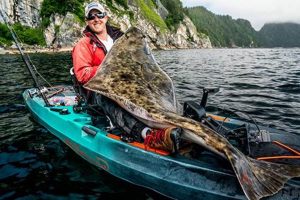
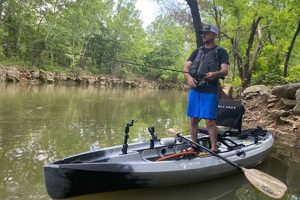
The capture of a shark by an angler fishing from a kayak represents a notable intersection of human ingenuity and the natural world. This activity combines the lightweight maneuverability of a kayak with the thrill of angling for large, powerful fish. A typical scenario might involve an angler using specialized tackle and techniques from a kayak platform to hook, fight, and potentially land a shark.
This specialized form of fishing presents unique challenges and rewards. It offers anglers an intimate, close-to-the-water experience, allowing for greater maneuverability and access to shallower waters than larger vessels. Landing a large fish like a shark from a kayak demands considerable skill and specialized equipment, increasing the sense of accomplishment. Furthermore, it can contribute to scientific understanding through data collection on shark populations and behavior. Historically, smaller watercraft have been used for fishing, but the development of modern, stable kayaks has made this pursuit increasingly popular and accessible.
This intersection of angling and kayaking raises several key considerations, including ethical fishing practices, conservation concerns, required safety precautions, and the specific techniques and equipment necessary for success. These topics will be explored further in the following sections.
Tips for Kayak Shark Fishing
Successfully targeting sharks from a kayak requires careful planning and execution. The following tips offer guidance for a safe and rewarding experience.
Tip 1: Choose appropriate kayak and gear. A stable, sit-on-top kayak designed for offshore fishing is essential. Rods, reels, line, and leader should be specifically chosen for the target species.
Tip 2: Understand local regulations. Regulations regarding shark fishing vary by location. Anglers must be familiar with size limits, permitted species, and reporting requirements.
Tip 3: Prioritize safety. Carry essential safety equipment, including a personal locator beacon (PLB), VHF radio, and a well-stocked first-aid kit. Inform someone of the fishing plan and expected return time.
Tip 4: Utilize appropriate fishing techniques. Employing proper techniques for hooking, fighting, and landing sharks minimizes stress on both the angler and the fish. Consider using circle hooks to reduce injury to the shark.
Tip 5: Practice catch and release responsibly. If releasing a shark, minimize handling time and avoid removing it from the water. Use specialized tools to remove hooks quickly and efficiently.
Tip 6: Be aware of weather conditions. Check the forecast before heading out and be prepared for changing conditions. Avoid fishing in rough seas or strong winds.
Tip 7: Respect the environment. Dispose of fishing line and other waste properly. Minimize disturbance to the marine ecosystem.
Adhering to these guidelines promotes a safe, ethical, and successful experience, ensuring the well-being of both angler and the environment.
By following these tips, anglers can contribute to responsible fishing practices while enjoying the challenges and rewards of this unique sport.
1. Kayak Selection

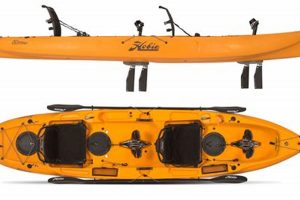
Appropriate kayak selection is paramount for successful and safe shark fishing. The vessel must provide a stable platform capable of handling the stresses of battling large, powerful fish while offering maneuverability in diverse water conditions. An unsuitable kayak compromises both angler safety and fishing effectiveness.
- Stability
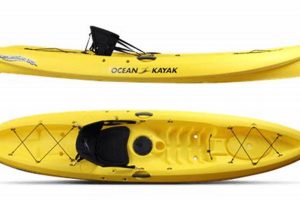
Stability is crucial when fighting a shark from a kayak. A wider, flatter hull design offers greater primary stability, resisting initial tipping. Secondary stability, the ability to recover from a tilted position, is equally important. A kayak with high secondary stability minimizes the risk of capsizing during a fight. For example, a wide sit-on-top kayak with a pronounced hull design provides superior stability compared to a narrow, sit-inside recreational kayak.
- Length and Maneuverability
Longer kayaks track better in open water, while shorter kayaks offer enhanced maneuverability. When targeting sharks in tighter areas, such as near reefs or mangroves, a shorter, more agile kayak may be preferable. Conversely, longer kayaks excel in open ocean environments, offering speed and efficiency when covering larger distances to reach offshore fishing grounds. A 14-foot kayak, for instance, offers a balance between tracking and maneuverability, suitable for a range of environments.
- Weight Capacity
The kayak’s weight capacity must accommodate the angler’s weight, fishing gear, and potential catch. Exceeding the recommended weight capacity compromises stability and performance. A higher weight capacity also allows for carrying additional safety equipment and supplies. A kayak rated for 400 lbs, for example, provides ample capacity for angler, gear, and a potential shark.
- Features for Shark Fishing
Specific features enhance a kayak’s suitability for shark fishing. Rod holders, anchor trolleys, and dedicated storage compartments for tackle and safety gear are valuable additions. Features like outriggers or stabilizers can further enhance stability, especially when fighting larger fish. A kayak specifically designed for fishing will often incorporate these features, optimizing functionality and safety. For example, specialized rod holders allow for hands-free bait presentation while outriggers provide added stability when battling a large shark.
Careful consideration of these factors ensures the chosen kayak aligns with the demands of shark fishing, enhancing both safety and the likelihood of a successful outing. Selecting a kayak specifically designed for offshore fishing or adapted for this purpose contributes significantly to a positive and productive experience. Matching the kayak’s capabilities to the target species and fishing environment is essential for optimizing performance and maximizing safety.
2. Targeted Shark Species
The targeted shark species significantly influences every aspect of kayak fishing for sharks, from equipment selection to angling techniques and safety protocols. Different species exhibit diverse behaviors, habitat preferences, and fighting strengths, necessitating tailored approaches. Understanding the target species is crucial for a successful and safe fishing experience.
For instance, targeting smaller coastal species like bonnethead sharks requires lighter tackle and less robust kayaks compared to pursuing larger offshore species like pelagic sharks. Bonnetheads often inhabit shallower, calmer waters, allowing for the use of smaller, more maneuverable kayaks. Their fighting style is typically less intense than larger sharks, demanding less physically from the angler and the equipment. Conversely, targeting larger pelagic species necessitates heavier tackle, stronger rods and reels, and a more stable, offshore-capable kayak. These sharks inhabit deeper waters and exert considerably greater force during a fight, demanding specialized equipment and advanced angling skills. Furthermore, safety considerations increase substantially when targeting larger, more powerful sharks. The potential for serious injury or equipment failure underscores the need for meticulous planning and robust safety protocols. For example, utilizing a specialized shark fishing harness and employing proper angling techniques to minimize stress on the angler and equipment become essential when battling powerful species.
Matching fishing techniques and equipment to the target species is not just about angling success; it directly impacts conservation efforts. Using appropriate gear minimizes the risk of injury to the fish, promoting healthy catch-and-release practices. Understanding species-specific vulnerabilities, such as sensitivity to air exposure or handling stress, allows anglers to minimize the impact on the captured shark. This knowledge contributes to responsible fishing practices and aids in preserving shark populations. Therefore, comprehensive research on the target species, including habitat preferences, feeding patterns, and physiological limitations, is essential before embarking on a kayak fishing expedition. This preparation enables anglers to select appropriate gear, employ effective techniques, and prioritize shark welfare, contributing to a sustainable and ethical fishing experience.
3. Fishing Techniques
Effective fishing techniques are paramount for successfully catching sharks from a kayak. These techniques encompass a range of skills and strategies, from selecting appropriate bait and tackle to employing specific angling methods that maximize the chances of hooking and landing a shark while minimizing risk to both the angler and the fish. The chosen techniques must align with the target species, environmental conditions, and the limitations of fishing from a kayak.
- Bait and Tackle Selection
Bait selection depends on the target shark species. Live or fresh dead baitfish, such as mackerel or mullet, are common choices. The tackle must be robust enough to handle the power of a shark, including heavy-duty rods, reels, lines, and leaders. Circle hooks are often preferred as they reduce the risk of hooking the shark deeply, facilitating safer release. For example, when targeting larger shark species, wire leaders are essential to prevent line breakage from their abrasive skin and powerful jaws. Using a float rig with live bait can be effective for smaller, more active sharks, while a bottom rig with dead bait may be more suitable for larger, bottom-dwelling species.
- Chumming Techniques
Chumming is a common practice in shark fishing to attract sharks to the kayak. This involves dispersing a mixture of fish parts, oil, and blood into the water to create a scent trail. However, chumming requires careful consideration and adherence to local regulations, as it can alter shark behavior and potentially create safety concerns. Over-chumming can attract unwanted attention from larger, more aggressive sharks, increasing the risk to the angler. It’s essential to use chum responsibly and strategically, dispersing it down-current and away from the kayak to avoid close encounters.
- Hooking and Fighting
Once a shark takes the bait, the angler must set the hook firmly. Fighting a shark from a kayak requires skill and patience. It’s crucial to maintain tension on the line and avoid sudden movements that could destabilize the kayak. Using a fishing harness and employing proper angling techniques, such as pumping and reeling, helps manage the strain and fatigue of a prolonged fight. For example, allowing the shark to run and tire itself out before attempting to bring it closer to the kayak is a crucial tactic in managing the fight effectively. Maintaining proper posture and balance throughout the fight is also essential for stability.
- Landing and Release
Landing a shark from a kayak is challenging and should only be attempted with smaller species. Larger sharks are best fought alongside the kayak and released without bringing them fully onboard. Specialized tools, such as dehookers and bolt cutters, are essential for quickly and safely removing hooks. Minimizing handling time and keeping the shark in the water as much as possible reduces stress on the animal and promotes successful release. When practicing catch and release, reviving the shark alongside the kayak before releasing it ensures its survival.
The interplay of these fishing techniques is crucial for success in kayak shark fishing. Choosing appropriate bait and tackle, employing strategic chumming techniques, employing effective fighting strategies, and prioritizing safe and responsible landing and release practices all contribute to a rewarding and ethical experience. The specific combination of these techniques will vary depending on the target species and environmental conditions, highlighting the importance of adaptability and careful planning in this specialized form of fishing.
4. Safety Precautions
Safety precautions are paramount in kayak fishing for sharks, mitigating inherent risks associated with this activity. The environment presents challenges like changing weather conditions, potential encounters with other marine life, and the physical demands of battling large fish from a small vessel. Neglecting safety protocols can lead to severe consequences, including injury, equipment loss, or even fatality. The combination of open water, powerful predators, and a relatively small, unstable platform necessitates meticulous planning and preparation. For example, encountering unexpected adverse weather conditions far from shore without proper safety gear, like a personal locator beacon (PLB) or VHF radio, can quickly escalate into a life-threatening situation. Similarly, inadequate knowledge of shark behavior or improper handling techniques during catch and release can result in injury to both the angler and the shark. Therefore, a comprehensive understanding of potential hazards and implementation of appropriate safety measures are non-negotiable.
Several key safety precautions should be observed. Wearing a personal flotation device (PFD) is essential, providing buoyancy in case of capsize or accidental overboard entry. Carrying a VHF radio or satellite communication device enables communication in emergencies, particularly when beyond cellular range. A well-stocked first-aid kit equipped to handle potential injuries, including cuts, abrasions, and hook removals, is crucial. Furthermore, informing someone on shore of the fishing plan, including location and expected return time, is a fundamental safety practice. Regularly checking weather forecasts and understanding local marine conditions, including currents and tides, are equally important. For instance, venturing out into strong offshore currents without sufficient experience or appropriate anchoring equipment can quickly lead to a dangerous drift. These precautions contribute significantly to mitigating potential risks, enabling a safer and more enjoyable fishing experience.
In summary, a proactive approach to safety is indispensable in kayak fishing for sharks. Understanding potential dangers, adhering to established safety protocols, and carrying appropriate safety equipment form the cornerstone of a responsible and successful outing. This preparation empowers anglers to manage risks effectively, enhancing the overall experience while prioritizing personal well-being and minimizing potential harm to both angler and the environment. The inherent challenges of this activity underscore the critical importance of safety precautions, transforming potential hazards into manageable risks. A well-prepared angler can focus on the thrill of the sport, confident in their ability to respond effectively to unforeseen circumstances.
5. Conservation Practices

Conservation practices are integral to the sustainability of shark populations and the ethical pursuit of kayak fishing for these apex predators. The act of catching a shark from a kayak, while thrilling, carries a responsibility to minimize the impact on the animal and its environment. This necessitates implementing conservation-minded approaches at every stage, from gear selection to release protocols. For instance, using circle hooks significantly reduces the incidence of deep hooking, which can cause internal injuries and hinder a shark’s ability to feed and survive after release. Similarly, employing proper fighting techniques minimizes exhaustion and stress, increasing the likelihood of a successful release. These practices are not merely suggestions but rather essential components of responsible shark fishing.
The importance of conservation practices extends beyond the immediate impact on individual sharks. Data collected during catch-and-release fishing, such as species identification, size measurements, and tagging information, contributes valuable insights to scientific understanding of shark populations, migration patterns, and overall health. This data informs conservation efforts, enabling researchers and policymakers to implement effective management strategies. For example, tagging studies have revealed critical information about long-range movements of certain shark species, leading to the establishment of protected areas along their migration routes. Furthermore, promoting catch-and-release practices reduces fishing mortality, preserving the ecological balance and ensuring the long-term viability of shark populations within their respective ecosystems. This understanding reinforces the crucial role of recreational anglers in contributing to broader conservation objectives.
Conservation practices are not simply a set of rules but rather a reflection of ethical angling and a commitment to preserving shark populations for future generations. Challenges such as illegal fishing and habitat destruction underscore the ongoing need for vigilant conservation efforts. By integrating conservation practices into every aspect of kayak fishing for sharks, anglers become active stewards of the marine environment, ensuring the sustainability of this unique and exhilarating pursuit. The practical significance of this understanding lies in its capacity to transform a recreational activity into a powerful tool for conservation, demonstrating the positive impact that responsible angling can have on the health and resilience of our oceans.
6. Legal Regulations
Legal regulations governing shark fishing are crucial for maintaining healthy populations, protecting endangered species, and ensuring sustainable fishing practices. These regulations vary significantly by jurisdiction, encompassing aspects such as permitted species, size limits, catch limits, gear restrictions, and reporting requirements. Anglers pursuing sharks from kayaks must be thoroughly familiar with and adhere to all applicable regulations in their fishing area. Ignoring these regulations can result in penalties, fines, and contribute to the decline of shark populations. For example, fishing for protected species like the great white shark or exceeding catch limits for other species can lead to substantial legal repercussions and negatively impact conservation efforts.
- Permitted Species
Regulations often stipulate which shark species can be legally targeted. Some species may be fully protected, while others might have specific seasons or size limits. Anglers must accurately identify their catch to ensure compliance. Misidentification can lead to unintentional violations, even if practicing catch and release. For instance, some areas prohibit the harvest of sandbar sharks due to their slow growth and vulnerability to overfishing, while other species like blacktip sharks might have open seasons with specific size restrictions.
- Size Limits
Size limits are designed to protect juvenile sharks and ensure sufficient breeding populations. Regulations may specify minimum and/or maximum sizes for harvestable sharks. Anglers must possess appropriate measuring tools and accurately measure their catch to ensure compliance. Retaining undersized or oversized sharks can disrupt population dynamics and negatively impact long-term sustainability. For instance, regulations might require releasing any lemon shark under 4 feet in length to protect juveniles, while oversized sharks might also be protected to preserve larger, more reproductively active individuals.
- Gear Restrictions
Certain types of fishing gear may be restricted or prohibited to minimize bycatch and reduce stress on released sharks. Regulations might specify hook types, leader materials, or prohibit the use of certain nets. For example, the use of circle hooks is often mandated to reduce deep hooking and improve post-release survival rates. Similarly, some areas restrict the use of steel leaders except when specifically targeting sharks, minimizing the impact on other fish species.
- Reporting Requirements
Many jurisdictions require anglers to report their shark catches, providing valuable data for fisheries management and conservation efforts. This data helps track population trends, monitor the effectiveness of regulations, and inform future management decisions. For example, anglers might be required to report the species, size, and location of captured sharks, whether they are harvested or released. This data contributes to a broader understanding of shark populations and informs adaptive management strategies.
Understanding and adhering to these legal regulations is fundamental to ethical and sustainable kayak fishing for sharks. Compliance not only avoids legal repercussions but also contributes to the long-term health of shark populations and the marine environment. By actively participating in responsible fishing practices and staying informed about current regulations, anglers can enjoy the thrill of catching sharks while ensuring the preservation of these magnificent creatures for generations to come. This responsible approach strengthens the relationship between recreational fishing and conservation, fostering a sustainable coexistence between humans and the marine ecosystem. The evolving nature of legal regulations requires anglers to remain updated on any changes in their fishing area, ensuring continued compliance and contributing to responsible shark fishing practices.
Frequently Asked Questions
This section addresses common inquiries regarding the practice of catching sharks from a kayak, aiming to provide clear and informative responses.
Question 1: How dangerous is kayak fishing for sharks?
Kayak fishing for sharks presents inherent risks due to the proximity to large predators and the challenges of operating in open water. Meticulous preparation, adherence to safety protocols, and a thorough understanding of shark behavior are crucial for mitigating these risks. The activity requires experience and should not be undertaken lightly.
Question 2: What equipment is essential for kayak shark fishing?
Essential equipment includes a stable, purpose-built kayak, heavy-duty fishing rods and reels, appropriate line and leaders, a fishing harness, safety gear (PFD, VHF radio, PLB, first-aid kit), and specialized tools for hook removal. Proper gear selection is critical for both success and safety.
Question 3: Are there specific regulations regarding shark fishing from a kayak?
Regulations regarding shark fishing vary by location and often include restrictions on permitted species, size limits, bag limits, and gear restrictions. Anglers are responsible for understanding and complying with all applicable regulations in their fishing area.
Question 4: What conservation practices should be followed when kayak fishing for sharks?
Essential conservation practices include using circle hooks, minimizing fight times, employing proper handling techniques during release, and adhering to catch-and-release guidelines whenever possible. These practices minimize stress on the shark and promote survival.
Question 5: What are the recommended techniques for landing a shark from a kayak?
Landing larger sharks directly onto a kayak is generally discouraged due to safety concerns and potential harm to the fish. Smaller sharks can be carefully landed using appropriate techniques and tools, prioritizing the safety of both the angler and the shark. Larger sharks should be fought and released alongside the kayak.
Question 6: How does one choose an appropriate kayak for shark fishing?
Selecting a suitable kayak requires consideration of stability, maneuverability, weight capacity, and specialized features like rod holders and anchor trolleys. A kayak designed for offshore fishing or adapted for this purpose is recommended.
Careful consideration of these questions and answers contributes to a safer and more responsible approach to kayak fishing for sharks, fostering both a rewarding angling experience and the sustainable conservation of these magnificent creatures.
For further information on specific regulations and best practices, consult local fisheries management authorities.
Kayak Fishing Catches Shark
The examination of shark fishing from a kayak reveals a complex interplay of human ingenuity, the thrill of angling, and the imperative of conservation. This activity necessitates specialized knowledge, skills, and equipment to ensure both angler safety and the well-being of the targeted species. Key considerations include appropriate kayak selection, adherence to legal regulations, implementation of best-practice fishing techniques, and a commitment to responsible catch-and-release protocols. The potential risks associated with this pursuit underscore the need for meticulous planning, a proactive approach to safety, and a deep respect for the marine environment.
Ultimately, the sustainability of kayak fishing for sharks rests on a foundation of responsible angling practices. Continued research, data collection, and adaptive management strategies are essential for navigating the evolving challenges facing shark populations and their delicate ecosystems. The future of this exhilarating sport depends on the collective commitment of anglers to prioritize conservation, ensuring that the pursuit of these magnificent predators remains a viable and ethical endeavor for generations to come.