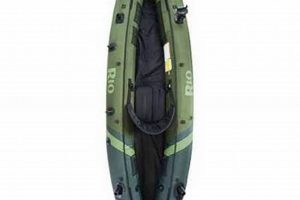
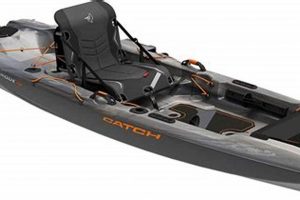
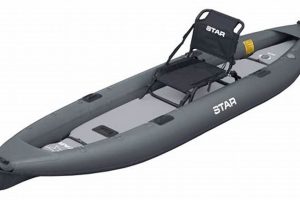
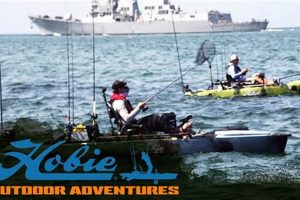
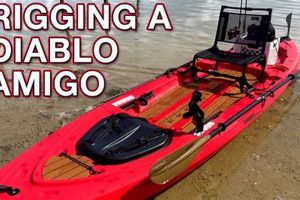
The sport of angling from a small, human-powered watercraft offers a unique and accessible way to experience the diverse aquatic environments of the Pelican State. From the brackish marshes and bayous to the open waters of the Gulf of Mexico, this activity provides anglers with opportunities to pursue a variety of fish species, including redfish, speckled trout, flounder, and largemouth bass.
This method allows for quiet and stealthy navigation through shallow waters, often inaccessible to larger motorized boats, maximizing fishing opportunities and minimizing disturbance to the natural environment. The low impact nature of this approach contributes to the preservation of fragile ecosystems. Its increasing popularity also reflects a growing interest in outdoor recreation and sustainable tourism practices. Historically, small, maneuverable watercraft were integral to fishing practices in the region. Modern iterations build upon this tradition, combining time-honored techniques with contemporary technology and equipment.
This exploration will delve further into various aspects of this pursuit, examining suitable locations, essential equipment, effective techniques, and relevant regulations, empowering enthusiasts to plan their excursions safely and responsibly.
Tips for Louisiana Kayak Angling
Careful planning and preparation are crucial for successful and safe fishing excursions. These guidelines offer practical advice to enhance the experience.
Tip 1: Research and choose appropriate locations. Consider targeted species, water conditions, and accessibility. Explore online resources, consult local fishing reports, and utilize nautical charts.
Tip 2: Prioritize safety equipment. A personal flotation device (PFD) is essential and legally required. Carry a whistle, signaling mirror, and a waterproof communication device. Inform someone of planned fishing locations and estimated return times.
Tip 3: Select suitable tackle and gear. Rod and reel combinations should be appropriate for target species. Pack essential tools, lures, and tackle appropriate for the targeted species and the specific fishing environment.
Tip 4: Understand and respect local regulations. Obtain necessary licenses and familiarize oneself with size and catch limits. Adhere to ethical fishing practices, ensuring the sustainability of fish populations.
Tip 5: Check weather forecasts before embarking. Louisiana weather can change rapidly. Avoid venturing out in hazardous conditions. Be prepared for fluctuating temperatures and potential precipitation.
Tip 6: Practice proper paddling techniques. Efficient paddling conserves energy and maximizes fishing time. Learn basic strokes for maneuvering in various currents and wind conditions.
Tip 7: Consider using a fish finder. This electronic device assists in locating fish and identifying underwater structures, improving fishing efficiency. Portable models designed for kayaks are readily available.
Tip 8: Employ appropriate anchoring techniques. Securing the kayak in a desired location prevents drifting and allows for focused fishing. Anchor placement should consider water depth and current strength.
Adherence to these guidelines promotes safety, maximizes success, and contributes to a positive experience. Planning fosters responsible engagement with the environment, ensuring the preservation of Louisiana’s valuable aquatic resources.
These tips serve as foundational knowledge for planning a memorable and rewarding fishing adventure. Further research and exploration are encouraged for a deeper understanding of specific techniques and locations.
1. Location Selection

Strategic location selection is paramount for successful kayak fishing in Louisiana. The diverse aquatic environments offer a range of opportunities, each presenting unique challenges and rewards. Careful consideration of factors such as target species, water conditions, accessibility, and potential hazards ensures a productive and safe fishing experience.
- Target Species Habitat
Different species inhabit specific areas within Louisiana’s waters. Redfish prefer shallow grassy flats and oyster beds, while speckled trout favor deeper channels and bayous. Understanding the preferred habitat of target species is crucial for choosing productive fishing locations. Prior research into species distribution and seasonal movements significantly increases the likelihood of successful angling.
- Water Conditions and Accessibility
Water clarity, current strength, and tidal influences significantly impact fishing conditions. Calm, clear water is often ideal for sight fishing, while murky water may require alternative techniques. Accessibility considerations include launch points, parking availability, and potential portages. Choosing locations with easy access simplifies logistics and enhances overall enjoyment.
- Potential Hazards and Safety Considerations
Navigational hazards such as shallow reefs, submerged logs, and strong currents pose risks to kayakers. Awareness of these potential dangers and consulting nautical charts before venturing out are essential safety measures. Weather conditions also play a crucial role. Avoiding strong winds, lightning storms, and extreme temperatures prioritizes angler safety.
- Regulations and Restrictions
Certain areas may have specific regulations regarding fishing activities, such as protected zones or seasonal closures. Understanding and adhering to these rules ensures responsible fishing practices and preserves the ecological balance of Louisiana’s waterways. Information on local regulations is available from the Louisiana Department of Wildlife and Fisheries.
By carefully evaluating these factors, anglers can strategically choose locations that maximize their chances of success while ensuring a safe and enjoyable kayak fishing experience in Louisiana. Effective location selection, combined with appropriate gear and techniques, contributes significantly to a rewarding angling adventure in the state’s diverse aquatic environments.
2. Safety Precautions

Safety precautions are paramount in Louisiana kayak fishing due to the inherent risks associated with navigating the state’s diverse and sometimes challenging waterways. The combination of fluctuating weather patterns, strong currents, submerged obstacles, and potential encounters with motorized vessels necessitates a proactive approach to safety. Neglecting these precautions can lead to serious incidents, endangering anglers and potentially impacting the fragile ecosystem. A comprehensive understanding of safety protocols is therefore crucial for responsible and enjoyable kayak fishing in Louisiana.
A prime example of the importance of safety precautions involves the use of personal flotation devices (PFDs). While Louisiana law mandates PFD usage, their significance extends beyond mere legal compliance. In the event of capsizing, a PFD provides essential buoyancy, potentially preventing drowning, especially in challenging conditions such as strong currents or cold water. Furthermore, carrying a waterproof communication device allows anglers to contact emergency services in case of unforeseen circumstances. A real-life scenario could involve a kayaker encountering unexpected rough weather or suffering an injury requiring immediate medical attention. The ability to summon assistance promptly can be life-saving.
Knowledge of weather patterns and water conditions is another critical safety component. Checking marine forecasts before embarking on a fishing trip allows anglers to avoid potentially hazardous conditions such as thunderstorms, high winds, or dense fog. Sudden changes in weather are common in Louisiana, and being prepared for these shifts can prevent dangerous situations. Furthermore, understanding tidal flows and currents helps kayakers navigate safely and avoid being swept into hazardous areas. Careful planning and adherence to established safety guidelines significantly mitigate risks associated with kayak fishing in Louisiana, enabling anglers to enjoy the sport responsibly and safely while preserving the natural environment.
3. Appropriate Gear

Appropriate gear selection significantly impacts the success and safety of kayak fishing in Louisiana. The diverse environments, ranging from shallow marshes to open Gulf waters, demand specialized equipment tailored to specific fishing conditions and target species. Utilizing appropriate gear enhances angling effectiveness, improves comfort and maneuverability, and contributes to a safer experience on the water. Conversely, inadequate or improperly chosen equipment can hinder fishing success, create safety hazards, and detract from the overall enjoyment of the activity. A clear understanding of the relationship between appropriate gear and Louisiana’s unique fishing environment is therefore crucial for a productive and rewarding angling experience.
Consider the choice of fishing rods and reels. Shorter rods, typically in the 6-7 foot range, are ideal for kayak fishing due to their maneuverability in the confined space of a kayak. Longer rods, while suitable for shore fishing, can be cumbersome and difficult to manage within a kayaks limited space. Furthermore, selecting a reel with a suitable drag system capable of handling hard-fighting fish like redfish or speckled trout is crucial. A reel with insufficient drag can lead to line breakage and lost fish, highlighting the direct impact of gear selection on fishing outcomes. Similarly, the choice of fishing line also plays a vital role. Braided line, with its higher strength and sensitivity, is often preferred for Louisiana kayak fishing due to its ability to withstand abrasion from structure and quickly detect bites. Using monofilament line in areas with heavy cover or structure can result in frequent snags and break-offs, illustrating the importance of matching gear to the specific fishing environment.
Beyond rods, reels, and line, other essential gear contributes significantly to a safe and productive kayak fishing experience in Louisiana. A well-chosen personal flotation device (PFD) ensures safety in the event of capsizing, while appropriate clothing protects against the elements and potential hazards such as insects and sun exposure. Carrying essential tools like pliers, clippers, and a knife allows for efficient line management and hook removal. Finally, a waterproof bag or box safeguards valuables like phones and wallets from water damage. Careful consideration of these gear choices demonstrates a commitment to both successful angling and responsible enjoyment of Louisianas diverse aquatic environments.
4. Species Targeting

Species targeting forms an integral component of successful kayak fishing in Louisiana. The state’s diverse aquatic ecosystems host a wide array of fish species, each exhibiting unique behaviors and habitat preferences. Effective targeting requires an understanding of these factors, enabling anglers to select appropriate locations, utilize effective techniques, and maximize catch rates. Without a focused approach, fishing efforts become less efficient, potentially leading to decreased success and diminished enjoyment. Species-specific knowledge allows anglers to tailor their approach, increasing the likelihood of a rewarding experience. This focused approach optimizes resource utilization, minimizes environmental impact, and enhances the overall angling experience.
Consider the pursuit of redfish, a popular target among Louisiana kayak anglers. Redfish often inhabit shallow, grassy flats and oyster beds, requiring anglers to navigate these environments stealthily. Utilizing shallow-draft kayaks and employing quiet paddling techniques minimizes disturbance, increasing the chances of encountering redfish. Furthermore, understanding their feeding habits dictates lure selection and presentation. Employing lures that mimic the redfish’s natural prey, such as crabs or shrimp, enhances the likelihood of eliciting a strike. Conversely, targeting speckled trout, a species often found in deeper channels and bayous, necessitates a different approach. Utilizing techniques such as jigging or trolling with deeper-diving lures proves more effective in these environments. This targeted approach illustrates the direct link between species knowledge and angling success in Louisiana’s diverse waters. Ignoring these specificities reduces the chance of a successful catch.
Strategic species targeting contributes not only to increased catch rates but also to responsible fishing practices. Understanding size and catch limits for specific species ensures compliance with regulations, contributing to the long-term sustainability of fish populations. Practicing catch and release techniques, particularly for non-targeted species, minimizes unintended impacts on the ecosystem. Ultimately, a thorough understanding of species-specific behaviors, habitat preferences, and regulations enhances angling success while promoting responsible stewardship of Louisiana’s valuable aquatic resources.
5. Kayak Stability
Kayak stability plays a crucial role in successful and safe kayak fishing within Louisiana’s diverse waterways. The state’s varied aquatic environments, ranging from calm bayous to open Gulf waters, present distinct challenges to kayak anglers. A stable kayak platform is essential for casting, reeling, landing fish, and navigating potentially challenging conditions. Compromised stability not only hinders fishing effectiveness but also poses safety risks, particularly in rough waters or when handling active fish. Understanding the factors influencing kayak stability is therefore crucial for informed decision-making and responsible angling practices.
- Hull Design and Stability
Different kayak hull designs offer varying degrees of stability. Wider, flatter hulls generally provide greater primary stability, resisting initial tipping, making them suitable for calmer waters and activities like sight fishing. However, they may be less maneuverable. Narrower, V-shaped hulls offer less primary stability but increased secondary stability, the ability to resist capsizing once tilted, crucial for handling rougher conditions. Choosing a hull design appropriate for anticipated water conditions and fishing styles directly impacts stability and overall performance.
- Center of Gravity and Weight Distribution
Maintaining a low center of gravity significantly influences kayak stability. Proper weight distribution within the kayak, achieved by strategically positioning gear and maintaining a balanced posture, enhances stability. Shifting weight too far to one side or standing abruptly compromises stability and increases the risk of capsizing. Consider a scenario where an angler leans over the side to retrieve a dropped lure; the sudden weight shift could lead to instability, emphasizing the importance of deliberate weight management.
- Environmental Factors Affecting Stability
Environmental conditions, including wind, current, and waves, directly impact kayak stability. Strong winds and currents can push a kayak off course and compromise stability, particularly for less experienced paddlers. Waves, especially in open water environments, can destabilize a kayak, requiring skilled handling to maintain balance and avoid capsizing. Adapting paddling techniques and adjusting course in response to changing environmental conditions are crucial for maintaining stability in dynamic environments.
- Impact of Fishing Activities on Stability
The act of fishing itself introduces dynamic forces that can affect kayak stability. Casting, reeling, and fighting fish create shifts in weight and balance, requiring adjustments to maintain stability. Landing a large fish, especially from a seated position, presents a significant challenge to kayak stability. Understanding these dynamic forces and practicing appropriate techniques for managing them is crucial for maintaining balance and avoiding potentially dangerous situations.
Ultimately, kayak stability in Louisiana fishing is a complex interplay of factors. Choosing a kayak with an appropriate hull design, maintaining a low center of gravity, adapting to prevailing environmental conditions, and practicing proper fishing techniques contribute to enhanced stability. Prioritizing stability not only improves fishing effectiveness but also ensures a safer and more enjoyable experience on Louisiana’s diverse waterways.
6. Tidal Influences
Tidal influences exert a profound impact on kayak fishing in Louisiana, shaping fish behavior, determining access to prime fishing locations, and influencing overall angling success. The state’s extensive coastal marshes and estuaries are particularly susceptible to tidal fluctuations, creating dynamic environments where water levels, currents, and salinity levels shift significantly throughout the day. Understanding these tidal rhythms is crucial for maximizing fishing opportunities and ensuring safe navigation. Ignoring tidal influences can lead to unproductive fishing trips, navigational challenges, and potentially hazardous situations. A clear grasp of tidal dynamics empowers anglers to plan effectively, optimize fishing strategies, and enhance overall safety.
Tidal currents play a significant role in determining fish feeding patterns. Incoming tides often bring baitfish and other prey into shallow areas, attracting predatory species such as redfish, speckled trout, and flounder. Positioning a kayak near channels or inlets during an incoming tide allows anglers to intercept these fish as they move in to feed. Conversely, outgoing tides can concentrate fish in deeper pools or channels as water recedes from the flats. Adjusting fishing locations based on tidal stage and current direction maximizes the likelihood of encountering actively feeding fish. For instance, fishing near a bayou mouth during a falling tide can prove highly productive as fish congregate in the outflowing current. This understanding of tidal influences allows anglers to predict fish movement and optimize their fishing approach accordingly. Failure to account for tidal currents can result in fishing unproductive areas, highlighting the practical significance of this knowledge.
Navigating shallow Louisiana waters requires careful consideration of tidal levels. During low tides, certain areas may become inaccessible or present navigational hazards such as exposed oyster beds or shallow mudflats. Attempting to navigate these areas in a kayak can lead to grounding, hull damage, or even capsizing. Conversely, high tides open up access to previously inaccessible areas, expanding fishing opportunities. Consulting tide charts and planning fishing trips around appropriate tidal stages ensures safe and efficient navigation. This knowledge also allows anglers to exploit specific features like flooded marsh grass during high tides, providing ideal ambush points for predatory fish. Integrating tidal predictions into trip planning is therefore essential for both safety and fishing success in Louisiana’s dynamic tidal environments.
7. Environmental Awareness

Environmental awareness constitutes a critical aspect of responsible kayak fishing in Louisiana. The state’s delicate coastal ecosystems, encompassing marshes, estuaries, and coastal waters, are susceptible to human impact. Kayak fishing, while generally a low-impact activity, requires mindful practices to minimize potential negative effects on these valuable natural resources. Understanding the interconnectedness of the aquatic environment and the potential consequences of careless actions fosters a sustainable approach to fishing, ensuring the preservation of these habitats for future generations. This awareness translates into practical actions that safeguard water quality, protect sensitive habitats, and promote the health of fish populations. Ignoring environmental considerations risks long-term damage to these ecosystems, potentially jeopardizing the very resources that support this recreational activity.
Consider the impact of discarded fishing line. Improperly disposed monofilament line poses a significant threat to wildlife, potentially entangling birds, turtles, and marine mammals. Kayak anglers, operating in close proximity to these animals, bear a particular responsibility for proper line disposal. Carrying a small container or utilizing designated receptacles ensures that discarded line does not become an environmental hazard. A real-life example could involve a pelican entangled in discarded fishing line, hindering its ability to fly or feed, ultimately leading to injury or death. Similarly, the use of lead sinkers and jigs poses environmental risks. Lead, a toxic heavy metal, can leach into the water and contaminate sediments, potentially harming aquatic organisms. Opting for environmentally friendly alternatives, such as tungsten or tin sinkers, mitigates these risks, demonstrating a commitment to responsible angling practices. These seemingly small choices collectively contribute to a healthier aquatic environment.
Respect for aquatic vegetation is another crucial element of environmental awareness. Seagrass beds and marsh vegetation provide essential habitat for fish and other aquatic organisms, contributing to the overall health and productivity of the ecosystem. Avoiding paddling directly through these sensitive areas minimizes disturbance and prevents damage to these vital habitats. Furthermore, anchoring responsibly, avoiding dragging anchors through seagrass beds or coral reefs, preserves these fragile structures. Understanding the ecological importance of these habitats underscores the need for mindful navigation and anchoring practices. The cumulative effect of responsible individual actions by kayak anglers contributes significantly to the long-term health and sustainability of Louisiana’s valuable coastal ecosystems. This commitment ensures that future generations can continue to enjoy the recreational and ecological benefits of these unique environments.
Frequently Asked Questions
This section addresses common inquiries regarding kayak fishing in Louisiana, providing concise and informative responses to facilitate informed decision-making and enhance the overall angling experience.
Question 1: What are the licensing requirements for kayak fishing in Louisiana?
A valid Louisiana fishing license is required for anglers over the age of 16. Specific license types and exemptions are detailed on the Louisiana Department of Wildlife and Fisheries website.
Question 2: What essential safety equipment should one carry while kayak fishing in Louisiana?
Essential safety equipment includes a personal flotation device (PFD), a whistle, a visual signaling device (mirror or flare), a waterproof communication device, and a first-aid kit. Informing someone of planned fishing locations and estimated return times is also crucial.
Question 3: Are there specific regulations regarding kayak fishing in certain areas of Louisiana?
Certain areas, such as wildlife refuges or protected zones, may have specific regulations regarding fishing activities. Consulting the Louisiana Department of Wildlife and Fisheries website or contacting local authorities provides information on area-specific regulations.
Question 4: What are the most common target species for kayak anglers in Louisiana?
Common target species include redfish, speckled trout, flounder, largemouth bass, and various other inshore species. Target species often vary based on location and season.
Question 5: What factors should one consider when choosing a kayak for fishing in Louisiana?
Factors to consider include stability, maneuverability, storage capacity, and compatibility with fishing accessories. Specific hull designs are better suited to certain environments and fishing styles. Researching different kayak types helps individuals select appropriate models.
Question 6: What are the potential hazards one should be aware of when kayak fishing in Louisiana?
Potential hazards include changing weather conditions, strong currents, submerged obstacles, boat traffic, and wildlife encounters. Understanding these potential risks and taking appropriate precautions enhances angler safety.
Careful consideration of these frequently asked questions enhances preparedness and contributes to a safer and more rewarding kayak fishing experience in Louisiana. Further research and consultation with experienced anglers or local authorities provide additional valuable insights.
This concludes the frequently asked questions section. The following section will provide further information…
Kayak Fishing Louisiana
This exploration has provided a comprehensive overview of kayak fishing within Louisiana, encompassing key aspects such as location selection, safety precautions, appropriate gear, species targeting, kayak stability, tidal influences, and environmental awareness. Each element contributes significantly to a successful and responsible angling experience within the state’s diverse aquatic environments. Strategic planning, informed decision-making, and adherence to safety guidelines are essential for maximizing enjoyment while minimizing potential risks and environmental impact.
The continued growth and popularity of kayak fishing in Louisiana underscore the allure of this accessible and engaging pursuit. However, responsible engagement requires ongoing education and a commitment to sustainable practices. Through informed participation and a shared commitment to conservation, the unique angling opportunities afforded by Louisiana’s waterways can be preserved and enjoyed for generations to come. Further exploration and a deepening understanding of local ecosystems will undoubtedly enrich the experience and contribute to the long-term health of these valuable natural resources.