Appropriate cold-weather apparel is crucial for safe and comfortable kayak fishing during winter. This involves selecting garments that provide protection from the elements cold air, wind, and water while maintaining flexibility and range of motion necessary for paddling and casting. An example would be layering moisture-wicking base layers, insulating mid-layers, and a waterproof and windproof outer shell, combined with appropriate headwear, gloves, and footwear.
Effective cold-weather gear significantly enhances safety and enjoyment during winter kayak fishing excursions. Hypothermia and other cold-related injuries pose serious threats, and proper clothing mitigates these risks. Historically, anglers relied on natural materials like wool and fur. Advancements in textile technology have introduced synthetic materials that offer superior insulation, breathability, and water resistance, enabling anglers to fish comfortably in even the most challenging winter conditions.
The following sections will explore the key components of a suitable winter kayak fishing wardrobe, including specific recommendations for base layers, mid-layers, outer shells, headwear, gloves, and footwear, along with considerations for varying weather conditions and water temperatures.
Tips for Winter Kayak Fishing Attire
Staying warm and dry is paramount for safe and successful winter kayak fishing. These tips offer guidance on assembling an effective cold-weather wardrobe.
Tip 1: Dress in Layers: Layering allows anglers to adjust to changing weather conditions and activity levels. Start with a moisture-wicking base layer to pull sweat away from the skin. Add an insulating mid-layer like fleece or down for warmth. Finish with a waterproof and windproof outer shell to protect against the elements.
Tip 2: Prioritize Waterproofing and Breathability: Outer layers must be waterproof to prevent rain and spray from soaking through, yet breathable to allow perspiration to escape, preventing chills.
Tip 3: Protect Extremities: Hands and feet are particularly vulnerable to cold. Insulated, waterproof gloves and boots are essential. Consider neoprene gloves for superior dexterity and waterproof socks for added warmth.
Tip 4: Choose Suitable Headwear: A significant amount of body heat is lost through the head. A warm hat that covers the ears is crucial. Consider a balaclava for face protection in extreme cold.
Tip 5: Consider a Dry Suit or Wetsuit: For very cold water or conditions where immersion is a possibility, a dry suit or wetsuit offers additional protection. Dry suits prevent water from entering, while wetsuits provide insulation even when wet.
Tip 6: Avoid Cotton: Cotton absorbs moisture and dries slowly, increasing the risk of hypothermia. Opt for synthetic materials or wool for base and mid-layers.
Tip 7: Check the Weather Forecast: Conditions can change rapidly in winter. Check the forecast before heading out and be prepared for unexpected changes in temperature, wind, and precipitation.
Tip 8: Pack Extra Clothing: Bringing extra layers, gloves, and hats allows for adjustments throughout the day and provides backups in case of unexpected immersion.
By following these tips, anglers can create a clothing system that provides comfort, warmth, and safety, enabling them to enjoy winter kayak fishing to its fullest.
The following section provides a comprehensive gear checklist for winter kayak fishing.
1. Layering System

A layering system is fundamental to effective cold-weather attire for kayak fishing. It provides adaptability to fluctuating temperatures and activity levels, optimizing comfort and safety. Instead of relying on a single heavy garment, layering utilizes multiple thinner layers to trap warm air while allowing moisture to escape. This approach enables anglers to adjust their clothing throughout the day, adding or removing layers as needed to maintain a consistent body temperature. For instance, starting with a moisture-wicking base layer, adding a fleece mid-layer, and finishing with a waterproof/breathable outer shell creates a versatile system adaptable to various conditions. Failure to employ a layering system can lead to overheating during periods of high exertion, followed by rapid cooling and potential hypothermia when activity levels decrease.
The effectiveness of a layering system hinges on the characteristics of each layer. Base layers should wick moisture away from the skin, keeping the angler dry even during strenuous paddling. Mid-layers provide insulation, trapping warm air close to the body. Outer layers should be waterproof and windproof, shielding the angler from the elements while still allowing for breathability. Material selection is crucial. Synthetic fabrics or merino wool are preferred for base and mid-layers due to their moisture-wicking and insulating properties, while durable waterproof/breathable materials are essential for outer shells. Choosing inappropriate materials, like cotton, can compromise the entire system, leading to discomfort and increased risk of hypothermia.
Implementing a proper layering system is essential for safe and comfortable winter kayak fishing. This approach allows for thermoregulation and protection from the elements, mitigating the risks associated with cold-weather exposure. By understanding the function and importance of each layer, anglers can select appropriate garments and create a clothing system optimized for their specific needs and the prevailing conditions. This proactive approach to clothing selection contributes significantly to a positive and safe on-the-water experience.
2. Waterproof Outerwear

Waterproof outerwear forms a critical component of appropriate winter kayak fishing attire. Direct contact with cold water, whether from rain, spray, or accidental immersion, poses a significant risk of hypothermia. Waterproof outerwear serves as the primary defense against this threat, preventing water from reaching inner, insulating layers. This barrier maintains the warmth and effectiveness of the layering system, crucial for preserving core body temperature in cold environments. For example, a high-quality waterproof jacket and bib pants combination can prevent chilling even in persistent rain or significant wave spray. Conversely, wearing non-waterproof outerwear exposes underlying layers to moisture, compromising their insulating properties and increasing the risk of cold-related injuries. The connection between waterproof outerwear and safe winter kayaking is direct and crucial.
Further enhancing the importance of waterproof outerwear are the specific challenges presented by the kayak fishing environment. Anglers are often seated, limiting blood circulation to the extremities, making them even more susceptible to cold. Waterproof outerwear helps mitigate this vulnerability by preventing external moisture from exacerbating the effects of reduced circulation. Furthermore, movement and exertion involved in paddling and casting can generate perspiration, which, if trapped beneath non-breathable outerwear, can lead to dampness and chilling. Therefore, selecting waterproof outerwear that also offers breathability is paramount. This dual functionality allows perspiration vapor to escape while preventing external moisture from entering, maintaining a comfortable and safe microclimate within the layering system. Specialized fishing jackets often incorporate features like adjustable cuffs, hoods, and high collars to further enhance protection and prevent water ingress.
In summary, the role of waterproof outerwear in winter kayak fishing extends beyond simple rain protection. It represents a critical safety element, safeguarding against hypothermia and other cold-related risks. Effective waterproof, breathable outerwear preserves the functionality of the layering system, managing both external elements and internal moisture. Understanding this connection allows anglers to make informed decisions about their attire, prioritizing safety, comfort, and ultimately, a more successful and enjoyable winter fishing experience.
3. Insulated Headwear
Insulated headwear plays a crucial role in maintaining core body temperature during winter kayak fishing excursions. Significant heat loss occurs through the head, making appropriate headwear essential for preventing hypothermia and ensuring angler safety and comfort. Selecting appropriate headwear contributes directly to a more enjoyable and productive cold-weather fishing experience.
- Material Selection
Headwear material significantly impacts its effectiveness in cold and wet conditions. Wool and synthetic fleece offer excellent insulation and moisture-wicking properties, even when damp. These materials trap warm air while allowing perspiration to escape, preventing overheating and chilling. Conversely, materials like cotton absorb and retain moisture, leading to discomfort and increased heat loss. Choosing appropriate materials is fundamental to effective headwear performance.
- Coverage and Fit
Effective headwear should provide ample coverage, extending over the ears and forehead for optimal protection. A snug fit prevents drafts and heat loss while allowing for comfortable movement and integration with other gear, such as sunglasses or eye protection. Overly tight headwear can restrict circulation, while loose-fitting options may not provide adequate protection from wind and cold.
- Water Resistance
While complete waterproofing isn’t always necessary, a degree of water resistance enhances headwear performance in wet conditions, such as rain or spray. Water-resistant materials shed light precipitation, maintaining insulation and preventing discomfort. This feature is particularly important for extended trips or challenging weather conditions.
- Integration with Layering System
Headwear functions as part of the overall layering system. It should integrate seamlessly with other garments, such as neck gaiters or balaclavas, to provide comprehensive protection. Compatibility between headwear and other layers ensures complete coverage and minimizes gaps where heat can escape.
The selection of insulated headwear directly impacts comfort and safety during winter kayak fishing. Considering material properties, coverage, fit, and integration with other layers allows anglers to make informed decisions and choose appropriate headwear for the prevailing conditions. Prioritizing effective headwear contributes significantly to a positive and safe on-the-water experience in cold weather.
4. Neoprene Gloves
Neoprene gloves represent a crucial element within the broader context of appropriate winter kayak fishing attire. Maintaining hand dexterity and warmth in cold, wet conditions is paramount for safe and effective fishing. Neoprene, a synthetic rubber material, offers unique properties that address the specific challenges posed by this environment, making neoprene gloves a valuable asset for winter anglers.
- Insulation and Warmth
Neoprene’s closed-cell structure traps air, providing excellent thermal insulation even when wet. This characteristic is essential for maintaining hand warmth in cold air and water, allowing anglers to comfortably handle fishing gear and maintain dexterity. The thickness of the neoprene directly correlates to the level of insulation, with thicker gloves offering greater protection in colder conditions.
- Water Resistance
Neoprene’s inherent water resistance prevents water from penetrating the glove, keeping hands dry and further enhancing warmth. This barrier against cold water is crucial for preventing discomfort and loss of dexterity, which can compromise safety and fishing effectiveness. While neoprene itself is water-resistant, seams can be a potential point of entry for water. Gloves with sealed or glued seams offer enhanced protection against water ingress.
- Dexterity and Grip
While providing insulation and water resistance, neoprene gloves also allow for a reasonable degree of dexterity, essential for handling fishing rods, reels, and tackle. The flexibility of the material allows for relatively unimpeded hand movements, enabling anglers to tie knots, cast lines, and perform other essential fishing tasks. Textured palms and fingers further enhance grip, providing secure handling of equipment even in wet conditions. The balance between warmth/protection and dexterity is a key consideration when selecting neoprene gloves.
- Durability and Protection
Neoprene’s inherent durability makes it well-suited for the rigors of kayak fishing. The material resists abrasion and tearing, providing protection against hooks, line, and other potential hazards. This durability ensures the gloves’ longevity, making them a worthwhile investment for frequent winter anglers. Reinforced palms and fingertips further enhance durability in high-wear areas.
The combined properties of insulation, water resistance, dexterity, and durability make neoprene gloves a practical and valuable component of a winter kayak fishing wardrobe. Selecting appropriate neoprene gloves enhances angler comfort and safety, allowing for continued dexterity and effective fishing even in challenging cold-weather conditions. The choice of glove thickness and features should be guided by the specific environmental conditions anticipated during the fishing excursion.
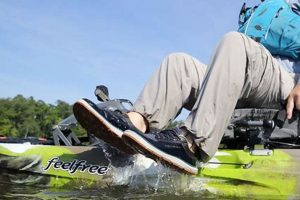
5. Waterproof Footwear
Waterproof footwear constitutes a critical element of appropriate attire for winter kayak fishing. Maintaining foot warmth and dryness in cold, wet conditions is paramount for both comfort and safety. Compromised foot warmth can lead to discomfort, reduced dexterity, and in extreme cases, cold-related injuries like frostbite. Appropriate waterproof footwear mitigates these risks, contributing significantly to a safer and more enjoyable fishing experience. The following facets explore the critical aspects of waterproof footwear in the context of winter kayak fishing.
- Insulation and Protection from the Elements
Waterproof footwear provides a barrier against cold water, rain, and spray, preserving warmth and preventing chilling. Insulated waterproof boots offer additional protection against cold air temperatures. This insulation layer traps warm air, reducing heat loss and maintaining foot comfort even in sub-freezing conditions. Materials like neoprene and Thinsulate are commonly used for insulation in waterproof fishing footwear. The combination of waterproofing and insulation is crucial for maintaining foot warmth throughout the fishing excursion.
- Maintaining Dexterity and Grip
While providing protection from the elements, waterproof footwear must also allow for adequate dexterity and grip. Secure footing is essential when navigating slippery surfaces often encountered in kayak fishing environments, such as wet docks, boat ramps, and the kayak itself. Footwear with non-slip soles provides enhanced traction, reducing the risk of slips and falls. Maintaining dexterity is crucial for operating foot-controlled rudder systems and other kayak features. Overly bulky or stiff footwear can compromise agility and responsiveness, hindering safe kayak operation.
- Breathability and Moisture Management
While waterproofing prevents external moisture from entering the footwear, breathability is essential for managing internal moisture from perspiration. Footwear constructed with breathable membranes allows perspiration vapor to escape, preventing moisture buildup and maintaining foot comfort. Trapped moisture can lead to dampness, chilling, and increased risk of blisters. Balancing waterproofing with breathability is crucial for optimal foot comfort and dryness during extended periods on the water.
- Durability and Support
Waterproof footwear for kayak fishing should be durable enough to withstand the rigors of the environment. Abrasion-resistant materials protect against wear and tear from rocks, gravel, and other potential hazards. Adequate ankle support is also important for stability and injury prevention, especially when navigating uneven terrain or entering and exiting the kayak. Reinforced construction in high-wear areas, such as the toe and heel, enhances durability and extends the lifespan of the footwear.
Selecting appropriate waterproof footwear is essential for safe and comfortable winter kayak fishing. Prioritizing insulation, grip, breathability, and durability ensures optimal performance and protection in cold, wet conditions. Choosing footwear that balances these factors contributes significantly to a positive and productive fishing experience, mitigating risks associated with cold-weather exposure and promoting overall safety on the water.
6. Thermal Underwear

Thermal underwear forms the foundation of a layered clothing system for winter kayak fishing, directly impacting angler comfort and safety. Its primary function lies in trapping warm air close to the skin, creating an insulating layer that mitigates heat loss in cold environments. This foundational layer plays a crucial role in preventing hypothermia, particularly during periods of inactivity or when exposed to cold water or air. Consider a scenario where an angler experiences an unexpected capsize in frigid water. Thermal underwear, even when wet, retains a degree of insulation, providing critical protection against rapid heat loss and increasing the chances of safe recovery. Without this foundational layer, the risk of hypothermia escalates significantly. The cause-and-effect relationship between wearing thermal underwear and mitigating cold-related risks is undeniable in such scenarios.
The effectiveness of thermal underwear hinges on material selection and fit. Moisture-wicking fabrics, such as merino wool or synthetic polypropylene, are essential for transporting perspiration away from the skin. This prevents the chilling effect that occurs when damp clothing comes into contact with cold air or water. A snug fit ensures efficient heat retention while allowing for comfortable movement and layering compatibility with subsequent garments. Loose-fitting thermal underwear can create air gaps that compromise insulation, while overly tight garments can restrict circulation, hindering both comfort and warmth. Choosing appropriate materials and ensuring a proper fit maximizes the effectiveness of this crucial base layer.
In summary, thermal underwear functions as the cornerstone of effective cold-weather attire for kayak fishing. Its insulating properties protect against heat loss, reducing the risk of hypothermia and other cold-related injuries. The material composition and fit directly influence performance, highlighting the importance of selecting appropriate thermal underwear based on individual needs and anticipated conditions. This proactive approach to layering ensures optimal comfort, enhances safety margins, and allows anglers to focus on the fishing experience rather than battling the elements.
Frequently Asked Questions
This section addresses common queries regarding appropriate attire for winter kayak fishing, providing concise and informative responses to facilitate informed decision-making and promote safe angling practices.
Question 1: Is a dry suit necessary for winter kayak fishing?
While not always mandatory, a dry suit offers the highest level of protection against cold water immersion. Its waterproof and airtight construction prevents water from entering, preserving core body temperature even in extremely cold conditions. Dry suits are particularly recommended in environments where the risk of capsizing is elevated or water temperatures are near freezing. Less extreme conditions may allow for alternative attire, such as wetsuits or well-layered waterproof clothing, but a dry suit represents the ultimate safeguard.
Question 2: What type of glove provides the best balance of warmth and dexterity?
Neoprene gloves are generally preferred for their combination of insulation, water resistance, and dexterity. Thickness variations cater to different temperature ranges, allowing anglers to select appropriate levels of warmth and flexibility. Thinner neoprene allows for greater dexterity while thicker neoprene prioritizes insulation in colder conditions. Anglers should consider the expected water and air temperatures when choosing neoprene glove thickness.
Question 3: Can cotton clothing be worn as a base layer?
Cotton is strongly discouraged as a base layer for winter kayak fishing. Cotton absorbs and retains moisture, leading to discomfort, chilling, and increased risk of hypothermia. Moisture-wicking materials, such as merino wool or synthetic fabrics like polypropylene, effectively transport perspiration away from the skin, preserving warmth and dryness even in damp conditions. Prioritizing moisture management through appropriate base layer selection is crucial.
Question 4: What type of footwear is recommended for winter kayak fishing?
Waterproof, insulated boots or shoes are essential for maintaining foot warmth and dryness. Neoprene boots offer excellent insulation and water resistance, while insulated hiking boots provide robust protection in colder, drier environments. Footwear should provide adequate ankle support and feature non-slip soles to enhance stability on wet or icy surfaces. Proper footwear selection is paramount for both comfort and safety.
Question 5: How important is headwear for warmth?
Headwear is crucial for retaining body heat, as significant heat loss occurs through the head. Insulated hats or hoods made from materials like wool or fleece effectively trap warm air and provide protection against wind and cold. Full-face protection, such as a balaclava, may be necessary in extremely cold conditions. Prioritizing headwear selection contributes significantly to overall warmth and comfort.
Question 6: Should I bring extra clothing on a winter kayak fishing trip?
Packing extra layers of clothing, including gloves, hats, and socks, is highly recommended. Conditions can change rapidly, and extra layers allow for adaptability to fluctuating temperatures. Additional clothing also provides essential backup in case of unexpected immersion or other unforeseen circumstances. Preparedness through appropriate packing enhances safety and ensures a more comfortable experience.
Careful consideration of these frequently asked questions and their corresponding answers equips anglers with the knowledge necessary to make informed decisions about their winter kayak fishing attire. Prioritizing safety, comfort, and preparedness through appropriate clothing choices contributes significantly to a positive and successful on-the-water experience.
The next section will offer a comprehensive checklist of essential gear for winter kayak fishing.
Conclusion
Appropriate attire for winter kayak fishing is crucial for safety and comfort. Effective cold-weather gear mitigates risks associated with cold water and air exposure, enabling anglers to enjoy the sport in challenging conditions. Key considerations include layering systems that incorporate moisture-wicking base layers, insulating mid-layers, and waterproof, breathable outer shells. Protecting extremities with neoprene gloves and waterproof, insulated footwear is essential. Proper headwear minimizes heat loss, while thermal underwear provides a foundational layer of warmth. Choosing appropriate materials and prioritizing layering versatility are crucial for adapting to fluctuating weather conditions.
Careful preparation regarding appropriate attire empowers anglers to safely and comfortably extend their fishing season into colder months. Prioritizing safety through proper gear selection ensures a more enjoyable and productive experience, allowing focus to remain on the pursuit of angling rather than battling the elements. Investing in quality cold-weather gear contributes significantly to both immediate and long-term angling enjoyment and safety.