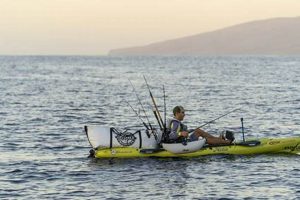
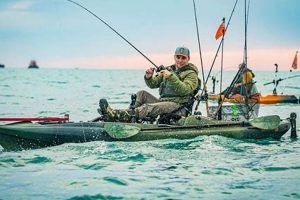
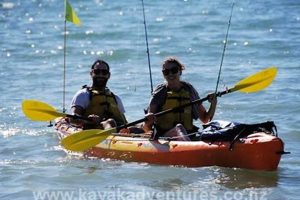
A resource providing information on angling from a kayak within the Chesapeake Bay ecosystem typically offers details on suitable kayak types, launch locations, target species, fishing techniques, necessary gear, regulations, safety precautions, and local tides and currents. Such resources might include maps, charts, seasonal recommendations, and ethical fishing practices. For example, a resource might recommend specific lures for striped bass during the fall run or identify shallow-water areas ideal for targeting speckled trout.
Access to reliable and comprehensive information enhances angler safety and success. Utilizing a well-researched resource helps anglers understand the complex ecosystem, select appropriate equipment, and locate productive fishing spots. This leads to a more rewarding experience and contributes to the preservation of the bay’s natural resources through informed and responsible fishing practices. Historically, knowledge of fishing within the Chesapeake Bay was passed down through generations. Modern resources now compile and disseminate this accumulated knowledge, making it accessible to a wider audience and aiding in the sustainable enjoyment of this valuable resource.
Further exploration might include detailed discussions of specific fish species found in the Chesapeake Bay, recommended kayak fishing gear and techniques, an overview of public access points, and an in-depth analysis of seasonal fishing patterns. Additionally, exploring the impact of conservation efforts and responsible fishing practices on the bay’s health would be beneficial.
Tips for Chesapeake Bay Kayak Fishing
Successful kayak angling in the Chesapeake Bay requires preparation and adherence to best practices. The following tips offer guidance for a safe and productive fishing experience.
Tip 1: Check Weather and Tide Charts: Wind and tidal currents significantly impact kayak handling. Consulting forecasts before departure is crucial for safety and efficient navigation.
Tip 2: Utilize a Reliable Kayak and Appropriate Gear: Selecting a stable kayak designed for fishing and equipping it with essential safety gear like a personal flotation device, a whistle, and navigation lights is paramount.
Tip 3: Employ Species-Specific Tackle and Techniques: Researching target species and utilizing appropriate tackle and lures enhances fishing success. Understanding fish behavior and preferred habitats increases catch rates.
Tip 4: Plan Launch and Retrieval Points Carefully: Choosing accessible launch points with minimal current and considering potential changes in tide and wind conditions during the outing aids in safe and efficient kayak handling.
Tip 5: Practice Ethical Fishing Practices: Adhering to catch and release guidelines, respecting size and creel limits, and properly disposing of fishing line contributes to the bay’s ecological health.
Tip 6: Be Aware of Navigation Markers and Restricted Areas: Understanding navigational aids and respecting designated no-fishing zones ensures safe passage and compliance with regulations.
Tip 7: Pack Essential Supplies: Carrying ample water, sunscreen, insect repellent, and a first-aid kit enhances comfort and safety during extended outings.
Tip 8: File a Float Plan: Informing someone about planned launch and retrieval locations, estimated return time, and emergency contacts promotes safety and timely assistance if needed.
By implementing these strategies, anglers can maximize their chances of a successful and enjoyable fishing experience while minimizing risks and contributing to the long-term health of the Chesapeake Bay ecosystem.
Careful planning, proper equipment selection, and a respect for the environment are key elements for a rewarding kayak fishing adventure in the Chesapeake Bay.
1. Safety Precautions

Safety precautions constitute a critical component of any Chesapeake Bay kayak fishing guide. The inherent risks associated with on-water activities are amplified by the bay’s dynamic environment, characterized by fluctuating tides, unpredictable weather patterns, and vessel traffic. A comprehensive guide must emphasize the importance of safety measures to mitigate these risks and ensure angler well-being. Neglecting safety protocols can lead to serious consequences, ranging from minor injuries to life-threatening situations. For example, failing to wear a personal flotation device (PFD) in the event of capsizing could result in drowning, particularly in cold water conditions. Similarly, ignoring weather advisories and venturing out in stormy conditions could lead to a kayak being swamped or blown offshore.
Further highlighting the crucial link between safety and a quality guide is the inclusion of information on navigation lights, communication devices, and emergency procedures. A guide should advise anglers to carry a VHF radio or a waterproof cell phone in a sealed bag to contact emergency services if necessary. Knowledge of basic first aid and hypothermia prevention is also essential. A practical application of this understanding is demonstrated by experienced kayak anglers who consistently prioritize safety measures. They check weather forecasts before launching, inform someone of their float plan, wear appropriate PFDs, and carry essential safety equipment, demonstrating the direct correlation between preparedness and a positive outcome.
In conclusion, the emphasis on safety precautions within a Chesapeake Bay kayak fishing guide is not merely a suggestion but a fundamental requirement. It underscores the potential hazards of the environment and provides anglers with the necessary knowledge and tools to mitigate these risks. A well-structured guide empowers anglers to make informed decisions, promoting both a safe and enjoyable experience on the bay. Addressing these safety concerns directly contributes to the overall value and credibility of the guide itself.
2. Kayak Selection
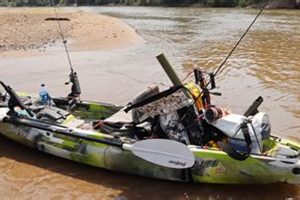
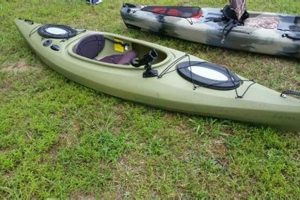
Kayak selection represents a critical component within a Chesapeake Bay kayak fishing guide. Appropriate kayak choice directly influences angler safety, fishing efficacy, and overall enjoyment. Guides must offer detailed selection criteria, considering factors such as hull design, stability, storage capacity, and propulsion systems. A sit-on-top kayak, known for stability and self-bailing capabilities, provides a suitable platform for novice anglers or those fishing in calmer waters. Conversely, a sit-inside kayak offers greater protection from the elements and enhanced paddling efficiency, proving advantageous for experienced anglers venturing into more challenging conditions or covering longer distances. Failure to select an appropriate kayak can lead to instability, discomfort, and reduced fishing success. For instance, attempting to navigate choppy waters in a short, recreational kayak designed for calm lakes could result in capsizing. Similarly, a lack of adequate storage in a kayak limits the amount of gear an angler can carry, potentially hindering fishing effectiveness.
Guides should emphasize the importance of matching kayak features to individual angler needs and the specific fishing environment within the Chesapeake Bay. Anglers targeting shallow-water species might prioritize maneuverability and shallow draft, while those pursuing larger offshore species require a kayak with greater stability and storage for heavier tackle. Specialized fishing kayaks often incorporate features such as rod holders, anchor trolleys, and livewells, further enhancing angling capabilities. Practical application of these selection principles is evident in experienced Chesapeake Bay anglers. They often choose kayaks specifically designed for fishing, equipped with features tailored to their target species and preferred fishing locations. This demonstrates the practical significance of understanding kayak selection criteria within the context of a comprehensive fishing guide. Moreover, selecting the correct kayak length and width contributes significantly to paddling efficiency and stability, impacting the angler’s ability to cover distances and maintain balance in varying water conditions.
In summary, effective kayak selection is integral to a successful Chesapeake Bay fishing experience. A comprehensive guide must provide clear and concise selection criteria, considering factors such as stability, hull design, storage, and propulsion. Matching kayak features to individual needs and the targeted fishing environment optimizes safety, enhances fishing effectiveness, and maximizes enjoyment. Ultimately, informed kayak selection contributes significantly to a positive and productive angling experience within the diverse ecosystem of the Chesapeake Bay. Ignoring the specific needs dictated by the Chesapeake Bay environment can lead to a suboptimal and potentially unsafe experience. Therefore, consulting a dedicated guide is highly recommended for optimal kayak selection.
3. Target Species

Target species identification represents a cornerstone of effective Chesapeake Bay kayak fishing guides. Understanding the diverse fish populations inhabiting the bay and their respective habitats is essential for successful angling. Guides must provide detailed information on prevalent species, including their seasonal distribution, feeding habits, and preferred lures or bait. This knowledge directly influences angler preparation, from tackle selection to fishing location choices. For example, targeting striped bass, a popular game fish in the bay, requires different gear and techniques compared to pursuing smaller species like white perch or spot. A guide lacking specific species information diminishes its practical value, potentially leading to angler frustration and reduced catch rates. Conversely, a guide rich in species-specific details empowers anglers to make informed decisions, maximizing their chances of success. This targeted approach also contributes to conservation efforts by reducing bycatch and minimizing the impact on non-target species.
Further enhancing the connection between target species and guide efficacy is the inclusion of information on fish behavior, preferred water depths, and seasonal migration patterns. Understanding these factors allows anglers to select appropriate fishing locations and adjust their techniques accordingly. For instance, during the spring striped bass run, anglers focusing on areas near river mouths or spawning grounds have a higher probability of encountering these fish. Guides might also recommend specific lures or bait that mimic the prey of target species, further increasing angling success. Practical application of this knowledge is demonstrated by experienced Chesapeake Bay kayak anglers. They often consult tide charts and water temperature data, combining this information with species-specific knowledge to pinpoint productive fishing zones. This exemplifies the practical significance of target species information within a comprehensive guide. Moreover, understanding the legal regulations pertaining to specific species, including size limits and catch restrictions, is essential for responsible and legal angling practices.
In summary, detailed target species information constitutes a critical component of a successful Chesapeake Bay kayak fishing guide. This knowledge empowers anglers to make informed decisions regarding tackle selection, fishing location, and techniques, maximizing catch rates and promoting conservation efforts. A comprehensive understanding of target species, their behavior, and preferred habitats directly contributes to a more rewarding and responsible fishing experience within the complex ecosystem of the Chesapeake Bay. Neglecting this crucial aspect limits the guide’s practical value and potentially jeopardizes angler success. The inclusion of species-specific regulations ensures compliance with existing laws, further contributing to the guide’s credibility and promoting sustainable fishing practices.
4. Fishing Techniques
Fishing techniques represent a crucial element within a Chesapeake Bay kayak fishing guide. The effectiveness of various techniques is directly linked to the unique characteristics of the bay environment, target species behavior, and the inherent limitations of fishing from a kayak. Guides must detail appropriate techniques, considering factors such as water depth, tidal currents, and seasonal fish distribution. Trolling, for instance, proves effective for covering large areas and targeting pelagic species like Spanish mackerel or bluefish. Drift fishing with live bait or lures presents a productive approach for targeting bottom-dwelling species like flounder or croaker. Jigging or casting near structures like oyster reefs or submerged vegetation can entice speckled trout or striped bass. Failure to employ appropriate techniques can lead to reduced catch rates and angler frustration. Conversely, understanding and applying effective techniques tailored to the Chesapeake Bay environment significantly enhances fishing success. An example of practical application involves experienced kayak anglers who adjust their trolling speed and lure selection based on the prevailing current and target species. This demonstrates the direct correlation between technique adaptation and successful outcomes.
Further enhancing the connection between fishing techniques and guide efficacy is the inclusion of information on tackle selection, knot tying, and fish handling practices. A guide should recommend specific rod and reel combinations, line weights, and hook sizes suited for different target species and techniques. Proper knot tying ensures secure connections between line and lure, minimizing lost opportunities due to break-offs. Guidance on ethical fish handling practices, including proper catch-and-release techniques, promotes conservation and ensures the long-term health of fish populations. Practical application of this knowledge is evident in anglers who utilize circle hooks to minimize injury to released fish or employ specialized tools for quick and efficient hook removal. This underscores the practical significance of including comprehensive technique instruction within a guide. Moreover, adapting fishing techniques to the specific conditions encountered on the bay, such as adjusting lure retrieval speed based on current strength or utilizing drift socks to control kayak movement, further refines angling effectiveness.
In summary, the inclusion of detailed and context-specific fishing techniques within a Chesapeake Bay kayak fishing guide is essential for angler success. Understanding appropriate techniques, adapting them to prevailing conditions, and employing ethical fish handling practices contribute significantly to a productive and responsible fishing experience. This knowledge empowers anglers to maximize their chances of success while minimizing environmental impact. Neglecting this critical aspect limits a guide’s practical value and potentially undermines the angler’s overall experience. Comprehensive technique instruction, combined with species-specific knowledge and safety considerations, elevates a guide from a basic informational resource to a valuable tool for successful and sustainable kayak fishing in the Chesapeake Bay. Mastering these techniques, specific to the Chesapeake Bay environment, allows anglers to effectively navigate the challenges and capitalize on the opportunities presented by this dynamic ecosystem.
5. Launch Locations

Launch locations constitute a critical component of a Chesapeake Bay kayak fishing guide. Appropriate launch site selection directly influences angler safety, accessibility, and proximity to productive fishing grounds. Guides must provide detailed information on various launch locations, considering factors such as parking availability, fees, water access, and prevailing conditions. Failing to select an appropriate launch site can lead to logistical challenges, safety concerns, and reduced fishing time. Conversely, careful consideration of launch site characteristics enhances the overall fishing experience.
- Accessibility
Accessibility encompasses factors such as the presence of boat ramps, kayak launches, or suitable shoreline for easy entry and exit. Steep banks or areas with strong currents can pose significant challenges for kayak launching and retrieval. A guide should clearly indicate the accessibility level of each recommended launch site, considering the needs of anglers with varying physical abilities. For example, a site with a dedicated kayak launch and ample parking provides easier access compared to a remote shoreline location requiring a long carry. This directly impacts angler convenience and safety.
- Proximity to Target Species
Launch site proximity to target species habitats is a key consideration. Anglers targeting shallow-water species like speckled trout benefit from launching near grass beds or oyster reefs. Conversely, those pursuing pelagic species like striped bass might choose launch sites closer to deeper channels or drop-offs. Guides should identify the prevalent species near each recommended launch location, allowing anglers to choose sites aligned with their fishing objectives. Launching directly into a productive fishing area minimizes travel time and maximizes fishing opportunities. For example, launching near a known striped bass feeding area increases the likelihood of encountering these fish compared to launching miles away.
- Tidal Currents and Water Conditions
Tidal currents and prevailing water conditions significantly influence launch site suitability. Launching into strong currents or choppy waters can be challenging, particularly for less experienced kayakers. Guides should provide information on typical current patterns and potential hazards at each launch location. This empowers anglers to choose sites with manageable conditions and avoid potentially dangerous situations. For example, launching into a protected cove during an outgoing tide simplifies kayak handling compared to launching directly into a strong tidal flow. Understanding these factors enhances angler safety and enjoyment.
- Regulations and Restrictions
Regulations and restrictions, such as permit requirements, launch fees, or access limitations, can vary significantly between launch locations. Guides must provide clear and up-to-date information on any applicable regulations, ensuring anglers comply with local rules and avoid potential fines or penalties. Some areas may require specific permits for kayak launching, while others may have limited parking or designated launch times. Providing this information upfront ensures a smooth and hassle-free experience. For example, a guide might indicate whether a particular launch site requires a permit or if it has restricted access during certain seasons. This transparency enhances the guide’s credibility and facilitates angler compliance.
Careful consideration of launch location characteristics within a Chesapeake Bay kayak fishing guide optimizes angler safety, accessibility, and fishing effectiveness. By providing detailed information on accessibility, proximity to target species, tidal influences, and applicable regulations, guides empower anglers to make informed decisions. This comprehensive approach enhances the overall fishing experience and promotes responsible use of the bay’s resources. Selecting the correct launch point contributes significantly to a safe, productive, and enjoyable outing, transforming a basic guide into a valuable tool for successful Chesapeake Bay kayak fishing. Understanding these interconnected factors elevates a guide’s practical value, moving beyond basic location information to provide actionable insights crucial for a positive experience.
6. Regulations/Licensing
Regulations and licensing requirements are integral components of any Chesapeake Bay kayak fishing guide. Legal compliance ensures the sustainability of fish populations and the responsible use of the bay’s resources. Guides must provide clear and concise information on licensing procedures, catch limits, size restrictions, and prohibited fishing practices. Failure to comply with these regulations can result in fines, penalties, and contribute to the depletion of fish stocks. Understanding and adhering to these rules is crucial for maintaining a healthy ecosystem and preserving angling opportunities for future generations.
- Fishing Licenses
Fishing licenses are mandatory for anglers in the Chesapeake Bay. Specific license types and associated fees vary depending on residency status, age, and fishing duration. Guides should provide clear guidance on obtaining appropriate licenses, including online resources and authorized vendors. Possessing a valid fishing license allows legal participation in angling activities and supports conservation efforts through funding generated from license sales. Failure to possess a valid license can result in penalties and undermines the sustainable management of fish populations. For example, a non-resident angler planning a week-long fishing trip requires a different license than a resident angler fishing for a single day. Understanding these distinctions is crucial for compliance.
- Catch Limits and Size Restrictions
Catch limits and size restrictions exist for various species within the Chesapeake Bay. These regulations aim to prevent overfishing and protect vulnerable populations. Guides should provide specific information on catch limits and size restrictions for commonly targeted species, including striped bass, speckled trout, and flounder. Adhering to these limits ensures the sustainability of fish stocks and allows for continued recreational fishing opportunities. Exceeding catch limits or harvesting undersized fish can lead to penalties and negatively impacts the bay’s ecosystem. For example, catching and keeping an undersized striped bass deprives the population of future breeding potential and undermines conservation efforts.
- Prohibited Fishing Practices
Certain fishing practices are prohibited in the Chesapeake Bay to protect fish populations and preserve the ecosystem. These might include restrictions on fishing gear, bait usage, or fishing in designated sanctuary areas. Guides should clearly outline prohibited practices, providing examples and explanations for their rationale. Understanding and adhering to these restrictions minimizes environmental impact and ensures fair and sustainable fishing practices. For example, using certain types of nets or fishing in spawning areas during closed seasons can disrupt fish populations and damage sensitive habitats. Compliance with these regulations is crucial for maintaining a healthy and balanced ecosystem. Ignoring these restrictions can have detrimental consequences for the bay’s delicate ecological balance.
- Closed Seasons and Sanctuary Areas
Closed seasons and sanctuary areas exist within the Chesapeake Bay to protect vulnerable species during critical life stages, such as spawning or migration. Guides should provide up-to-date information on closed seasons and the location of sanctuary areas. Respecting these closures allows fish populations to recover and reproduce, ensuring their long-term sustainability. Fishing in closed areas or during prohibited seasons disrupts natural processes and can have severe consequences for fish populations. For example, fishing in a designated spawning area during a closed season can disrupt breeding behavior and negatively impact future fish recruitment. Adherence to these regulations is paramount for preserving the bay’s biodiversity. Guides must provide clear and accessible information regarding closed seasons, ensuring anglers can easily understand and comply with these crucial regulations.
Understanding and complying with regulations and licensing requirements is essential for responsible kayak fishing in the Chesapeake Bay. A comprehensive guide equips anglers with the necessary knowledge to navigate these legal frameworks, promoting sustainable fishing practices and ensuring the long-term health of the bay’s ecosystem. Adherence to regulations not only prevents legal repercussions but also contributes to the preservation of this valuable resource. By incorporating these elements, a guide transitions from a simple informational tool to a resource promoting responsible angling and environmental stewardship. Ultimately, this integration of regulations within a Chesapeake Bay kayak fishing guide strengthens its value and credibility within the angling community.
Frequently Asked Questions
This section addresses common inquiries regarding kayak fishing within the Chesapeake Bay, providing concise and informative responses.
Question 1: What type of kayak is best suited for fishing in the Chesapeake Bay?
Kayak selection depends on individual needs and fishing style. Sit-on-top kayaks offer stability and self-bailing capabilities, suitable for calmer waters and novice anglers. Sit-inside kayaks provide greater protection from the elements and enhanced paddling efficiency, advantageous for experienced anglers or more challenging conditions. Specialized fishing kayaks incorporate features like rod holders and anchor trolleys, further enhancing angling capability.
Question 2: What essential safety equipment is recommended for kayak fishing in the bay?
Essential safety equipment includes a properly fitted personal flotation device (PFD), a whistle, navigation lights, a VHF radio or waterproof cell phone, and a first-aid kit. A float plan filed with a trusted individual detailing planned launch and retrieval locations, estimated return time, and emergency contacts enhances safety preparedness.
Question 3: Where can reliable information on tides and currents within the Chesapeake Bay be obtained?
Reliable tide and current information is available from various sources, including the National Oceanic and Atmospheric Administration (NOAA) website, local marinas, and specialized tide prediction apps. Consulting these resources before embarking on a fishing trip allows for informed decision-making regarding launch locations and navigation routes.
Question 4: What fishing regulations and license requirements apply to kayak anglers within the Chesapeake Bay?
Specific fishing regulations and licensing requirements vary depending on residency status, age, and target species. Consulting the Maryland Department of Natural Resources or the Virginia Department of Wildlife Resources websites provides detailed information on current regulations, license types, catch limits, and prohibited fishing practices. Ensuring compliance with these regulations is crucial for responsible angling.
Question 5: What are some recommended launch locations for kayak fishing access within the Chesapeake Bay?
Recommended launch locations vary depending on targeted fishing areas and desired species. Public boat ramps, designated kayak launch sites, and accessible shoreline areas provide entry points. Factors such as parking availability, water conditions, and proximity to target species habitats should influence launch site selection. Consulting local resources or experienced anglers can provide valuable insights.
Question 6: What are the primary target species for kayak anglers in the Chesapeake Bay?
The Chesapeake Bay offers diverse fishing opportunities, with popular target species including striped bass, speckled trout, flounder, red drum, croaker, and various panfish species. Target species selection often dictates fishing location, tackle choices, and employed techniques. Researching the seasonal distribution and feeding habits of target species enhances fishing success.
Careful consideration of these frequently asked questions equips prospective kayak anglers with essential knowledge for a safe and productive experience within the Chesapeake Bay. Prioritizing safety, understanding regulations, and employing appropriate techniques contribute significantly to a rewarding and responsible fishing outing.
This information serves as a foundation for further exploration of specific techniques, species-specific strategies, and advanced kayak fishing practices within the Chesapeake Bay. Continued learning and adherence to ethical angling principles enhance enjoyment and contribute to the long-term health of this valuable ecosystem.
Chesapeake Bay Kayak Fishing Guide
A Chesapeake Bay kayak fishing guide provides essential information for anglers seeking a safe and productive experience within this dynamic ecosystem. Key aspects explored include safety precautions, kayak selection, target species identification, effective fishing techniques, suitable launch locations, and adherence to regulations and licensing requirements. Understanding these interconnected elements is crucial for maximizing angling success while minimizing environmental impact.
The Chesapeake Bay offers a wealth of angling opportunities for those prepared to navigate its complexities. Responsible fishing practices, informed decision-making, and a respect for the environment ensure the continued health of this valuable resource and preserve its angling potential for future generations. Continued learning and adaptation to the ever-changing conditions within the Chesapeake Bay contribute to a rewarding and sustainable pursuit of kayak fishing within this unique ecosystem.