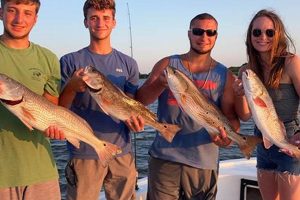
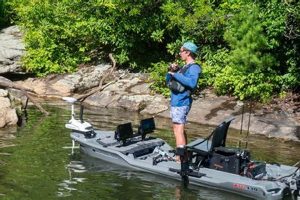
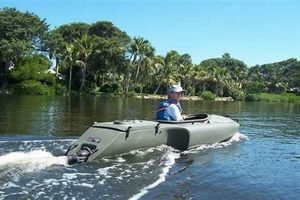
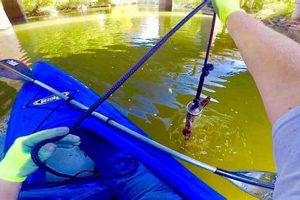
This activity involves angling from a small, human-powered vessel in the marine waters off Florida’s western coast. It offers a unique blend of sport and recreation, allowing close contact with the natural environment while pursuing various fish species. Imagine navigating shallow coastal waters, mangroves, or estuaries, casting a line for snook, redfish, or tarpon, all from the vantage point of a kayak.
The shallow-water access afforded by kayaks opens up fishing grounds often unreachable by larger boats. This method provides a quiet, non-intrusive approach that can be highly effective. Historically, small boats have been utilized for fishing in the Gulf, evolving from simple dugout canoes to the modern, specialized kayaks seen today. This evolution underscores the enduring appeal of a close-to-nature fishing experience. The low environmental impact compared to motorized craft further enhances its appeal to conservation-minded anglers.
Exploring this topic further will reveal insights into appropriate kayak selection, essential fishing gear, effective techniques, suitable locations along the Gulf Coast, and relevant safety regulations. Understanding these aspects can enrich the angling experience and ensure safe and responsible participation.
Tips for Kayak Fishing in Florida’s Gulf
Careful planning and preparation are crucial for a successful and safe fishing trip. These tips offer guidance for anglers of all experience levels.
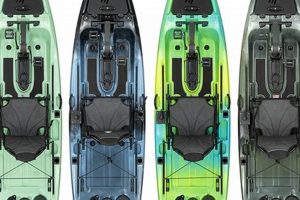
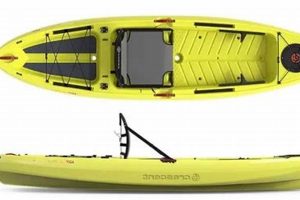
Tip 1: Choose the Right Kayak: Kayak selection depends on individual needs and fishing style. Sit-on-top kayaks offer stability and ease of re-entry, while sit-inside kayaks provide better protection from the elements. Pedal-driven kayaks allow hands-free fishing and cover greater distances.
Tip 2: Prioritize Safety Equipment: A personal flotation device (PFD) is mandatory. Essential safety gear also includes a whistle, visual distress signals, and a first-aid kit. A VHF radio enables communication in emergencies.
Tip 3: Understand Weather Conditions: Checking marine weather forecasts is paramount. Wind, tides, and currents significantly impact kayak handling and safety. Postponing trips during inclement weather is advised.
Tip 4: Plan Fishing Locations Carefully: Research potential fishing spots beforehand, considering factors like water depth, structure, and species presence. Local fishing regulations and access points should be understood.
Tip 5: Pack Essential Gear: Fishing rods, reels, appropriate tackle, and bait are crucial. A dry bag protects electronics and valuables. Tools like pliers and a knife are also recommended.
Tip 6: Practice Kayak Handling: Gaining familiarity with kayak control and maneuvering techniques before venturing into open water enhances safety and confidence.
Tip 7: Respect the Environment: Proper disposal of fishing line and other waste is essential. Adhering to catch-and-release guidelines helps conserve fish populations.
By following these tips, anglers can increase their chances of a productive and enjoyable experience while minimizing risks. Preparation is key to maximizing time on the water and enjoying the unique opportunities offered by this style of fishing.
These foundational insights will provide a solid basis for a rewarding fishing excursion.
1. Stable Kayak Selection

Kayak stability is paramount for successful fishing in the Gulf of Mexico. The inherent challenges of angling from a small vessel are amplified by the Gulf’s often unpredictable conditions. Selecting a stable platform minimizes risks and maximizes fishing effectiveness, contributing significantly to a positive experience.
- Hull Design and Stability:
Wider, flatter hulls generally offer greater primary stability (initial resistance to tipping), ideal for calm waters and stationary fishing. Longer, narrower hulls provide superior secondary stability (resistance to capsizing once tipped), crucial for rougher conditions and open water paddling. Pontoon hulls offer exceptional stability but may sacrifice maneuverability. Choosing a hull design suited to the intended fishing environment is critical.
- Kayak Length and Weight Capacity:
Longer kayaks track better in open water and offer more storage space. Weight capacity should accommodate the angler, gear, and potential catch. Exceeding the manufacturer’s specified capacity compromises stability and safety. Matching kayak dimensions to individual needs and anticipated loads is essential.
- Center of Gravity and Balance:
Maintaining a low center of gravity enhances stability. Proper weight distribution within the kayak is crucial. Avoid overloading the stern or bow, which can negatively impact balance and maneuverability. Understanding weight management principles contributes to a safer and more controlled experience.
- Seat Position and Adjustability:
A comfortable and adjustable seat allows anglers to maintain proper posture and balance. Lower seating positions contribute to stability. Adjustability enables customization based on individual preferences and fishing styles. Proper seating ergonomics enhance both comfort and control.
Ultimately, stable kayak selection directly impacts safety and fishing success in the dynamic Gulf environment. Considering these factors during the selection process ensures anglers choose a vessel appropriate for their individual needs and the prevailing conditions. A stable platform allows anglers to focus on fishing rather than constantly managing balance, ultimately creating a more enjoyable and productive experience.
2. Effective Fishing Gear

Effective fishing gear is intrinsically linked to successful kayak angling in the Florida Gulf. The unique demands of this fishing style necessitate specialized equipment choices. Tackle selection must consider target species, fishing environment, and the limitations imposed by fishing from a kayak. For example, targeting inshore species like redfish or snook may require medium-weight spinning rods and reels spooled with braided line for navigating mangrove roots and submerged structure. Offshore pursuits of pelagic fish like king mackerel or cobia necessitate heavier tackle, including conventional reels and high-strength monofilament or fluorocarbon lines.
Rod length is a crucial factor. Shorter rods, typically between 6 and 7 feet, offer better maneuverability within the confined space of a kayak. Longer rods, while offering increased casting distance, can be cumbersome and difficult to manage. Rod action, the degree of bend under pressure, influences hook-setting power and fish-fighting ability. A fast-action rod offers greater sensitivity for detecting subtle bites, while a slower action provides more flexibility for battling larger fish. Tackle selection should align with the specific challenges and opportunities presented by the Florida Gulf environment.
Beyond rods and reels, other gear contributes significantly to fishing success. A well-stocked tackle box should contain a variety of lures, hooks, weights, and other terminal tackle suitable for the target species. A fish finder enhances locational awareness and identifies promising fishing spots. Essential accessories include a landing net, pliers for removing hooks, and a knife for cutting lines. Appropriate gear selection is essential for optimizing catch rates and ensuring a productive fishing experience. Understanding the interplay between equipment choices and fishing success is fundamental to effective kayak angling in the Florida Gulf.
3. Appropriate Location Scouting
Appropriate location scouting is fundamental to successful kayak fishing in the Florida Gulf. The vastness and diversity of this marine environment necessitate careful planning and consideration of various factors. Effective scouting maximizes fishing opportunities and ensures angler safety, contributing significantly to a productive and enjoyable experience.
- Species-Specific Habitats:
Different fish species inhabit specific habitats within the Gulf. Redfish, for example, frequent shallow grass flats and oyster bars, while snook prefer mangrove shorelines and inlets. Cobia and king mackerel are often found near offshore structures like reefs and wrecks. Understanding the preferred habitats of target species is crucial for effective location scouting. Resources such as nautical charts, fishing maps, and local fishing reports provide valuable insights into species distribution and habitat preferences. Utilizing this information allows anglers to focus their efforts on areas with higher probabilities of encountering desired fish.
- Tides and Currents:
Tidal fluctuations and currents significantly influence fish behavior and feeding patterns. Incoming tides often bring baitfish and predatory species into shallow areas, creating prime fishing opportunities. Outgoing tides can concentrate fish in channels and deeper holes. Understanding tidal cycles and current patterns is crucial for predicting fish movement and selecting optimal fishing locations. Tide charts and current prediction tools are essential resources for planning fishing trips. Accounting for these dynamic factors enhances the likelihood of successful angling.
- Water Depth and Structure:
Water depth and underwater structure play critical roles in fish distribution. Submerged reefs, wrecks, grass beds, and drop-offs provide shelter, feeding grounds, and ambush points for various species. Identifying these structural features is essential for effective location scouting. Fish finders and depth sounders are valuable tools for mapping underwater terrain and locating potential fishing hotspots. Understanding the relationship between water depth, structure, and fish behavior allows anglers to target specific areas with higher probabilities of success.
- Accessibility and Safety:
Accessibility and safety are paramount considerations in location scouting. Launch sites should offer convenient access to the water and ample parking. Consider prevailing wind and weather conditions when choosing fishing locations. Avoid areas with strong currents, heavy boat traffic, or hazardous navigation obstacles. Prioritizing safety ensures a positive and incident-free fishing experience. Consulting local resources, such as boating guides and nautical charts, provides valuable information on safe navigation and access points. Thorough planning and risk assessment are essential for safe and enjoyable kayak fishing in the Florida Gulf.
Effective location scouting is intrinsically linked to successful kayak fishing in the Florida Gulf. By considering these facets, anglers can significantly increase their chances of encountering target species while ensuring a safe and rewarding experience. Informed decision-making in location selection transforms a simple fishing trip into a strategic pursuit, maximizing the opportunities presented by this diverse and dynamic marine environment.
4. Safe Paddling Techniques

Safe paddling techniques are essential for kayak fishing in the Florida Gulf. This environment presents unique challenges, including varying weather conditions, strong currents, and potential encounters with motorized vessels. Proficient paddling skills enhance safety, improve fishing effectiveness, and contribute to a more enjoyable experience. Mastering these techniques allows anglers to navigate efficiently, conserve energy, and maintain stability while fishing.
- Paddle Grip and Stroke Mechanics:
A proper paddle grip, with hands slightly wider than shoulder-width apart, maximizes leverage and control. Efficient stroke mechanics involve using core muscles for power, minimizing reliance on arm strength. A smooth, controlled stroke conserves energy and reduces fatigue during long paddling sessions. Proper technique enhances boat control and maneuverability, crucial for navigating the often-complex waterways of the Florida Gulf.
- Wind and Current Management:
Wind and currents significantly impact kayak handling. Paddling into the wind requires adjusting stroke angle and power to maintain course. Utilizing current patterns can assist with navigation and conserve energy. Understanding and compensating for these environmental factors enhances safety and efficiency. Drifting with the current while fishing can present unique opportunities for covering larger areas and targeting specific structures.
- Navigation and Situational Awareness:
Navigational skills are crucial for safe kayak fishing. Understanding nautical charts, compass headings, and GPS coordinates aids in route planning and avoiding hazards. Maintaining situational awareness of surrounding boat traffic, weather changes, and potential obstacles enhances safety. Awareness of one’s position and the surrounding environment minimizes the risk of collisions and other incidents.
- Balance and Stability Techniques:
Maintaining balance and stability is paramount when fishing from a kayak. Keeping a low center of gravity and distributing weight evenly enhances stability. Learning bracing techniques, quick paddle movements to prevent capsizing, improves recovery from unexpected shifts or waves. Practicing these techniques in calm water builds confidence and prepares anglers for challenging conditions encountered in the Gulf.
Proficient paddling skills are intrinsically linked to successful and safe kayak fishing in the Florida Gulf. Mastering these techniques enhances angler safety, improves fishing effectiveness, and allows for greater enjoyment of the unique opportunities offered by this dynamic environment. Effective paddling contributes to a more controlled and confident experience, allowing anglers to focus on fishing rather than constantly managing the kayak.
5. Respectful Fishing Practices
Respectful fishing practices are integral to the sustainability of kayak fishing in the Florida Gulf. This delicate ecosystem thrives on responsible angling behavior. Preserving the marine environment ensures continued enjoyment of this activity for future generations. Ethical considerations extend beyond mere compliance with regulations, encompassing a deeper understanding of the interconnectedness of the Gulf’s flora and fauna.
- Minimizing Environmental Impact:
Kayak fishing offers a low-impact approach compared to motorized vessels. However, minimizing disturbance to marine habitats remains crucial. Avoiding shallow seagrass beds and sensitive coral reefs prevents damage. Proper disposal of fishing line and other waste materials keeps the environment clean and protects wildlife. Utilizing biodegradable fishing line further reduces environmental impact. These practices contribute to the long-term health of the Gulf’s ecosystem.
- Selective Harvesting and Catch-and-Release:
Selective harvesting, keeping only fish within legal size and bag limits, helps maintain healthy fish populations. Practicing catch-and-release, carefully handling and quickly returning fish to the water, minimizes stress and mortality. Utilizing proper catch-and-release techniques, such as supporting the fish horizontally and avoiding contact with gills, increases survival rates. These practices contribute to the sustainability of fish stocks and preserve the ecological balance.
- Respecting Other Anglers and Wildlife:
Maintaining a respectful distance from other anglers allows everyone to enjoy the experience without interference. Avoiding excessive noise and disruptive behavior minimizes disturbance to both fish and fellow anglers. Respecting wildlife encounters, observing marine animals from a distance and refraining from harassment, contributes to a harmonious coexistence. These practices enhance the overall fishing experience and promote responsible use of shared resources.
- Adhering to Regulations and Guidelines:
Familiarization with and adherence to local fishing regulations, including licensing requirements, size and bag limits, and seasonal closures, are essential. Staying informed about current regulations ensures legal compliance and contributes to conservation efforts. Consulting official resources, such as the Florida Fish and Wildlife Conservation Commission website, provides up-to-date information on rules and regulations. Responsible anglers prioritize compliance to protect fish populations and maintain the integrity of the fishery.
Respectful fishing practices are not merely optional but essential for the long-term health and sustainability of kayak fishing in the Florida Gulf. These practices contribute to the preservation of this valuable resource, ensuring its continued enjoyment for generations to come. Integrating ethical considerations into every aspect of the fishing experience enhances not only the ecological well-being of the Gulf but also the personal satisfaction derived from participating in this unique and rewarding activity.
6. Essential Safety Precautions

Safety is paramount in the dynamic environment of kayak fishing in the Florida Gulf. The inherent risks associated with open water activities are amplified by variable weather conditions, strong currents, and potential interactions with motorized vessels. Essential safety precautions are not merely recommendations but critical components of responsible angling practice. Understanding and implementing these precautions mitigates risks, enhances angler confidence, and contributes to a positive experience.
- Personal Flotation Devices (PFDs):
Wearing a properly fitted PFD is non-negotiable. This essential piece of safety equipment provides buoyancy in the event of capsizing or accidental immersion. PFDs designed specifically for paddling offer greater comfort and freedom of movement while fishing. Selecting a brightly colored PFD enhances visibility in open water, crucial for rescue situations. Regular inspection and maintenance ensure proper functionality. A PFD is the single most important piece of safety equipment for any kayak angler.
- Communication and Signaling Devices:
Reliable communication is vital in emergencies. A waterproof VHF radio enables direct contact with the Coast Guard and other vessels. Carrying a whistle allows for audible signaling in close proximity. Visual distress signals, such as flares or a signal mirror, provide additional means of attracting attention. A fully charged mobile phone in a waterproof case offers a backup communication method. Ensuring these devices are readily accessible and functional is essential for prompt response in emergency situations.
- Weather Awareness and Trip Planning:
Checking marine weather forecasts before embarking on a fishing trip is crucial. Wind speed, wave height, and potential storms significantly impact kayak handling and safety. Planning trips during favorable weather windows minimizes risks. Monitoring weather conditions throughout the excursion allows for early detection of changing conditions and informed decisions regarding return to shore. Awareness of potential weather hazards is paramount for safe kayak fishing in the Gulf.
- Navigation and Emergency Preparedness:
Carrying navigational tools, including a compass, nautical charts, and a GPS device, enhances situational awareness and aids in route planning. Familiarization with local waterways and potential hazards, such as shallow areas, strong currents, and shipping channels, improves safe navigation. Developing an emergency plan, including designated contact persons and pre-determined return times, prepares anglers for unforeseen circumstances. Thorough planning and preparation contribute significantly to a safe and successful kayak fishing experience.
These essential safety precautions are intrinsically linked to responsible kayak fishing in the Florida Gulf. Integrating these practices into every fishing excursion mitigates inherent risks and promotes a culture of safety consciousness. Prioritizing safety enhances not only personal well-being but also the overall enjoyment and sustainability of this rewarding outdoor activity.
Frequently Asked Questions
This section addresses common inquiries regarding kayak fishing in the Florida Gulf, providing concise and informative responses to enhance understanding and promote safe angling practices.
Question 1: What are the essential safety precautions for kayak fishing in the Gulf?
Essential precautions include wearing a personal flotation device (PFD), carrying communication devices (VHF radio, whistle, signaling devices), checking marine weather forecasts, and having a float plan. Knowledge of basic navigation and self-rescue techniques is also highly recommended.
Question 2: What type of kayak is best suited for fishing in the Gulf?
Kayak selection depends on individual needs and fishing style. Sit-on-top kayaks offer stability and ease of re-entry. Sit-inside kayaks provide better protection from the elements. Pedal-driven kayaks allow hands-free fishing. Hull design, length, and weight capacity should be considered based on anticipated conditions and target species.
Question 3: What fishing gear is recommended for Gulf kayak fishing?
Recommended gear includes medium to heavy-weight rods and reels spooled with appropriate line, a selection of lures and terminal tackle suitable for target species, a fish finder, and essential tools like pliers, knife, and landing net. Gear choices should align with target species and fishing locations.
Question 4: Where are good locations for kayak fishing in the Florida Gulf?
Suitable locations vary depending on target species. Inshore areas include shallow grass flats, mangrove shorelines, oyster bars, and inlets. Offshore locations may include reefs, wrecks, and artificial structures. Consulting local fishing reports and nautical charts aids in identifying productive areas.
Question 5: What are the licensing requirements for fishing from a kayak in Florida?
Anglers fishing from kayaks are required to possess a valid Florida saltwater fishing license unless exempt. Specific license requirements vary based on residency status and fishing activities (shore-based, vessel-based). Information on licensing can be found on the Florida Fish and Wildlife Conservation Commission (FWC) website.
Question 6: What are common fish species targeted by kayak anglers in the Gulf?
Commonly targeted species include redfish, snook, trout, tarpon, snapper, grouper, king mackerel, and cobia. Species availability varies depending on location, season, and prevailing environmental conditions.
Careful planning and preparation, combined with adherence to safety guidelines and respectful fishing practices, are crucial for a successful and enjoyable kayak fishing experience in the Florida Gulf. Prioritizing safety and environmental stewardship ensures the continued health and accessibility of this valuable resource.
For further information and detailed guidance, consult local fishing charters, kayak outfitters, and the Florida Fish and Wildlife Conservation Commission.
Kayak Fishing Florida Gulf
This exploration of kayak fishing in the Florida Gulf has highlighted key aspects essential for a successful and rewarding experience. From selecting a suitable kayak and assembling effective fishing gear to scouting appropriate locations and practicing safe paddling techniques, preparation is paramount. Respectful fishing practices and adherence to essential safety precautions underscore the importance of responsible angling. Understanding these interconnected elements contributes not only to individual success but also to the long-term sustainability of this valuable resource.
The Florida Gulf offers exceptional opportunities for anglers seeking a close-to-nature fishing experience. However, the dynamic nature of this environment demands careful planning, informed decision-making, and a commitment to ethical angling practices. By embracing these principles, individuals can contribute to the preservation of the Gulf’s diverse ecosystem while enjoying the unique challenges and rewards of kayak fishing. The future of this activity rests on the collective responsibility of all who participate to ensure its continued viability and enjoyment for generations to come.