The sport of angling from small, human-powered vessels offers unique access to Michigan’s abundant freshwater resources. This method allows exploration of diverse environments, from inland lakes and rivers to the Great Lakes’ vast shorelines, providing opportunities to target a variety of fish species.
This approach to angling provides numerous advantages, including affordability, portability, and a stealthy approach that minimizes disturbance to aquatic life. It promotes a close connection with nature and offers excellent exercise. Historically, small boats have played a vital role in fishing traditions, and their modern counterparts continue this legacy by opening up new avenues for recreational and competitive fishing.
Further exploration will cover essential equipment, suitable locations, species commonly targeted, best practices, safety considerations, and the role of conservation in preserving Michigan’s aquatic ecosystems for future generations.
Tips for Successful Outings
Careful planning and preparation contribute significantly to productive and enjoyable fishing experiences from a kayak. The following tips offer guidance for maximizing success and safety on Michigan’s waters.
Tip 1: Research and Choose Appropriate Locations: Match the chosen waterway to skill level and desired fishing experience. Calm inland lakes are ideal for beginners, while experienced paddlers might explore larger lakes or rivers. Consider factors like wind, currents, and potential boat traffic.
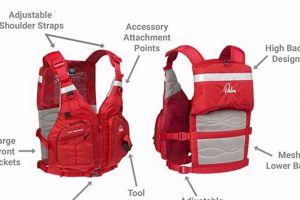
Tip 2: Prioritize Safety Equipment: A properly fitted personal flotation device (PFD) is essential. Carry a whistle, signaling device, and a first-aid kit. Inform someone of the planned fishing location and estimated return time.
Tip 3: Select Suitable Gear and Tackle: Opt for rods and reels designed for smaller spaces and target species. Organize tackle efficiently within easy reach. Consider a fish finder and appropriate anchoring systems.
Tip 4: Understand Weather Conditions: Check forecasts before departing and be prepared for changing conditions. Avoid venturing out in strong winds, lightning storms, or extreme temperatures. Dress in layers and carry waterproof gear.
Tip 5: Practice Proper Kayak Handling: Learn basic paddling techniques and practice maneuvering the kayak effectively. Develop skills for entering and exiting the vessel safely, especially in deeper water.
Tip 6: Respect Aquatic Ecosystems: Adhere to catch-and-release guidelines when appropriate. Avoid disturbing sensitive habitats like spawning beds. Properly dispose of fishing line and other waste.
Tip 7: Check Regulations and Licensing Requirements: Obtain the necessary fishing licenses and familiarize oneself with state and local regulations regarding fishing seasons, size limits, and permitted methods.
By adhering to these guidelines, anglers can enhance their enjoyment and safety while contributing to the preservation of Michigan’s valuable natural resources.
Following these recommendations allows for a safe, ethical, and successful experience, contributing to the continued enjoyment of Michigan’s diverse fisheries.
1. Diverse Locations

Michigan’s extensive network of waterways offers a diverse range of environments suitable for kayak angling. From the vast expanse of the Great Lakes to the intricate web of inland rivers and lakes, the state presents opportunities for anglers of all skill levels and preferences. Understanding the characteristics of these different locations is crucial for a successful and enjoyable fishing experience.
- Great Lakes Fisheries
The Great Lakes offer challenging yet rewarding kayak fishing experiences. These vast bodies of water require careful planning and consideration of weather patterns and water conditions. Nearshore areas and protected bays provide access to species like salmon, trout, and walleye. Specialized equipment and advanced paddling skills are often necessary.
- Inland Lakes
Michigans numerous inland lakes provide diverse habitats ranging from shallow, weedy areas ideal for bass and panfish to deeper, cooler waters supporting trout and other cold-water species. These locations are often more accessible for beginners and offer calmer conditions than the Great Lakes.
- Rivers and Streams
Rivers and streams present a unique set of opportunities and challenges for kayak anglers. Navigating currents and maneuvering around obstacles requires skillful paddling. These flowing waters hold species like trout, salmon, and smallmouth bass. Access points and river characteristics vary significantly across the state.
- Urban Waterways
Certain urban areas offer surprisingly productive fishing opportunities. Canals, harbors, and park ponds can hold a variety of fish species and provide convenient access for urban anglers. Regulations and access restrictions may apply in these environments.
The diversity of aquatic environments within Michigan provides ample opportunities for kayak anglers to explore different fishing styles and target a variety of species. Careful consideration of location characteristics, such as water depth, current flow, and prevalent species, allows anglers to optimize their chances of success while enjoying the unique qualities of each waterway.
2. Specialized Equipment

Optimal performance and safety in this activity depend significantly on selecting appropriate gear. Equipment choices influence maneuverability, fishing effectiveness, and overall comfort on the water. The following categories represent key considerations for anglers outfitting their kayaks.
- Kayak Selection
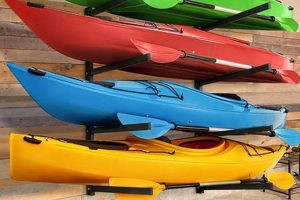
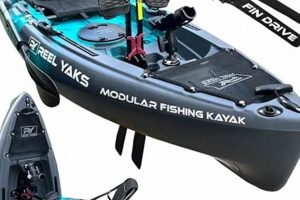
Vessel choice hinges on factors such as intended fishing locations, angler experience, and storage capacity. Shorter kayaks offer enhanced maneuverability in tight spaces, while longer models provide increased speed and stability in open water. Sit-on-top kayaks are popular for their self-bailing design and ease of entry and exit, while sit-in kayaks offer greater protection from the elements. Specialized fishing kayaks often feature integrated rod holders, storage compartments, and anchor trolleys.
- Paddles and Propulsion
Paddle selection affects paddling efficiency and fatigue levels. Lightweight paddles with adjustable blade angles optimize performance. Some anglers utilize pedal-powered kayaks, offering hands-free fishing and increased speed. Electric motors are also gaining popularity, particularly for covering larger distances or battling strong currents.
- Fishing Rods and Reels
Shorter, more maneuverable rods are well-suited for kayak fishing. Spinning and baitcasting reels are common choices. Rod and reel selection depends on the target species and fishing techniques employed. A variety of line weights and lures cater to different fish and fishing conditions.
- Safety and Navigation Gear
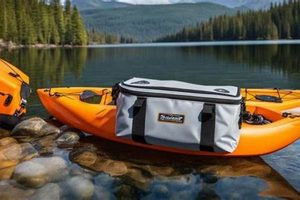
Essential safety equipment includes a personal flotation device (PFD), a whistle, and a visual distress signal. Navigation tools like GPS units and fish finders enhance angling success and situational awareness. Anchor systems, including drift socks and stake-out poles, are valuable for maintaining position in specific fishing areas. Dry bags or waterproof containers protect essential gear from moisture.
Strategic equipment selection significantly enhances the kayak fishing experience in Michigan’s diverse waters. Carefully chosen gear contributes to angler safety, fishing effectiveness, and overall enjoyment on the water. Matching equipment to the specific environment and target species maximizes opportunities for a successful and rewarding outing.
3. Targeted Species
The diverse aquatic ecosystems in Michigan support a wide range of fish species, creating varied targets for kayak anglers. Understanding the habitat preferences, feeding behaviors, and seasonal patterns of these species is crucial for successful angling. Selecting appropriate tackle and techniques based on the target species enhances fishing effectiveness and promotes responsible angling practices.
- Largemouth and Smallmouth Bass
These popular game fish inhabit many of Michigan’s lakes and rivers. Largemouth bass prefer shallower, vegetated areas, while smallmouth bass favor rocky structures and deeper water. Anglers target them using a variety of lures and techniques, including topwater baits, crankbaits, and soft plastics.
- Northern Pike
Pike are ambush predators found in weedy bays and shallow areas of lakes and rivers. Their aggressive nature makes them a thrilling target for kayak anglers. Large lures, spinnerbaits, and spoons are effective for attracting these voracious fish.
- Walleye and Sauger
These prized sportfish inhabit deeper waters of the Great Lakes and larger inland lakes. Anglers often target them using jigs tipped with live bait or trolling crankbaits along drop-offs and structure. Low-light conditions often provide the best fishing opportunities.
- Trout and Salmon
Michigan’s cold-water streams and lakes, including the Great Lakes, support various trout and salmon species. Anglers pursue these fish using techniques like fly fishing, trolling with downriggers, and casting spoons or spinners.
The variety of fish species available to kayak anglers in Michigan provides diverse and exciting angling opportunities. Matching fishing techniques and tackle to the specific target species increases the likelihood of success and contributes to a more rewarding experience on the water. Understanding the unique characteristics and habitat preferences of each species enhances both fishing effectiveness and conservation efforts.
4. Safety Procedures
Safe practices are paramount for an enjoyable and incident-free experience on Michigan’s waters. The inherent risks associated with navigating waterways in a small vessel necessitate careful planning and adherence to established safety guidelines. Understanding and implementing these procedures significantly mitigates potential hazards.
- Personal Flotation Devices (PFDs)
Wearing a properly fitted PFD is non-negotiable. PFDs provide essential buoyancy in the event of capsizing or accidental immersion, significantly increasing chances of survival. Michigan law requires readily accessible PFDs for each person on board a kayak. Regular inspection and proper maintenance ensure PFD effectiveness.
- Weather Awareness and Monitoring
Checking weather forecasts before embarking and continuously monitoring conditions throughout the outing are crucial. Sudden changes in wind speed, precipitation, or temperature can create hazardous situations. Avoiding strong winds, lightning storms, and extreme temperatures minimizes risks. Portable weather radios and smartphone apps provide real-time updates.
- Communication and Emergency Preparedness
Carrying a waterproof communication device, such as a VHF radio or a charged cell phone in a waterproof case, enables communication in emergencies. Informing someone of the planned fishing location, route, and estimated return time allows for timely assistance if needed. Carrying a signaling device, like a whistle or flare, aids in attracting attention in distress situations. A basic first aid kit addresses minor injuries.
- Navigation and Situational Awareness
Carrying navigational tools like charts, GPS units, or compass assists in maintaining orientation and avoiding hazards. Familiarity with local regulations, water depths, and potential obstacles enhances situational awareness. Maintaining a safe distance from motorized vessels and other watercraft reduces collision risks. Understanding and adhering to navigational rules and waterway markers promotes safe passage.
Prioritizing safety procedures creates a foundation for responsible enjoyment of Michigans diverse kayaking opportunities. Implementing these practices allows anglers to focus on the sport while minimizing potential risks associated with navigating the state’s waterways.
5. Conservation Ethics
Sustainable angling practices ensure the long-term health of Michigan’s aquatic ecosystems and the continued enjoyment of kayak fishing opportunities. Ethical considerations extend beyond adherence to regulations, encompassing a proactive approach to minimizing environmental impact and preserving fish populations for future generations. Integrating these principles into fishing practices safeguards the natural resources that underpin this recreational activity.
- Catch-and-Release Practices
Proper catch-and-release techniques minimize stress and injury to fish, maximizing their chances of survival upon release. Using barbless hooks, handling fish with wet hands, and minimizing air exposure contribute to successful catch and release. Quickly reviving fish in the water before release is crucial, particularly in warmer temperatures. This practice contributes to maintaining healthy fish populations and preserving the quality of the fishery.
- Respecting Aquatic Habitats
Minimizing disturbance to sensitive habitats, such as spawning beds, vegetation, and submerged structures, preserves the ecological integrity of waterways. Avoiding anchoring in these areas and refraining from disturbing the bottom substrate protects essential fish habitat. Proper disposal of fishing line and other debris prevents entanglement and pollution, safeguarding aquatic life and water quality. Careful kayak handling minimizes erosion and disturbance of shoreline vegetation.
- Invasive Species Awareness
Preventing the spread of invasive species is critical for maintaining the balance of aquatic ecosystems. Thoroughly cleaning kayaks, paddles, and fishing gear after each outing removes any attached plant fragments or organisms. Draining bilge water and live wells before leaving a water body prevents the transfer of invasive species to new locations. Educating oneself about identifying and reporting invasive species aids in early detection and management efforts.
- Responsible Resource Utilization
Adhering to fishing regulations, including size limits, creel limits, and season closures, contributes to sustainable fish populations. Harvesting only what is needed for consumption and avoiding wasteful practices demonstrate responsible resource utilization. Supporting conservation initiatives and organizations dedicated to protecting Michigan’s waterways further contributes to the long-term health of the fishery.
Integrating conservation ethics into kayak fishing practices in Michigan ensures the sustainability of this valued recreational activity and preserves the health of the state’s aquatic ecosystems. By embracing these principles, anglers contribute to the long-term well-being of fish populations and the continued enjoyment of Michigan’s waters for generations to come. The interconnectedness of these principles highlights the importance of responsible angling in preserving the natural resources that support this activity.
6. Accessibility Advantages

The accessibility of kayak fishing distinguishes it from other angling methods, contributing significantly to its popularity in Michigan. Lower financial barriers to entry represent a key advantage. Kayak fishing requires less investment compared to motorized boating, expanding participation opportunities. The relatively low cost of kayaks, combined with the absence of fuel expenses and complex maintenance, makes it an attractive option for anglers with budget constraints. Numerous launch sites throughout the state, including small lakes, rivers, and even urban waterways, further enhance accessibility. This widespread availability of suitable locations eliminates the need for extensive travel or access to private boat ramps, broadening participation across diverse communities. Furthermore, the portability of kayaks allows anglers to explore remote or less-frequented areas inaccessible to larger vessels. Transporting kayaks on vehicle roof racks or trailers expands the range of fishing destinations, offering unique angling experiences.
Consider, for example, an individual seeking an affordable entry point into angling. Kayak fishing offers a viable pathway, requiring significantly less capital outlay compared to purchasing and maintaining a motorized boat. Similarly, anglers residing in urban areas can readily access local waterways via kayak, circumventing the challenges of boat ownership and storage. The ability to transport a kayak to remote locations expands fishing possibilities for those seeking solitude and pristine natural environments. These real-world examples illustrate the practical significance of kayak fishing’s accessibility advantages in Michigan.
In summary, the lower financial barriers, diverse launch locations, and portability inherent in kayak fishing contribute significantly to its accessibility in Michigan. These advantages broaden participation opportunities, promoting inclusivity and fostering greater engagement with the states rich aquatic resources. Addressing potential challenges, such as ensuring equitable access to launch sites and promoting responsible use of waterways, will further enhance the accessibility and sustainability of this popular recreational activity. This consideration reinforces the overall importance of accessible angling opportunities within the broader context of outdoor recreation and resource management.
Frequently Asked Questions
Addressing common inquiries regarding this activity clarifies potential uncertainties and provides practical insights for prospective anglers. The following responses aim to offer concise and informative guidance.
Question 1: What are the licensing requirements for kayak fishing in Michigan?
A valid Michigan fishing license is required for individuals 17 years of age and older. Specific license types and regulations vary based on residency, fishing location (e.g., Great Lakes vs. inland waters), and targeted species. Consulting the Michigan Department of Natural Resources (DNR) website provides comprehensive information on licensing requirements.
Question 2: Where are suitable launch sites for kayaks?
Numerous public access sites exist throughout the state, including boat ramps, state parks, and designated kayak launch areas. The Michigan DNR website offers resources for locating public access points. Local regulations may restrict access in certain areas, so it’s essential to consult relevant authorities.
Question 3: What safety precautions are essential for kayak anglers?
Wearing a properly fitted personal flotation device (PFD) is paramount. Checking weather forecasts before departure and monitoring conditions throughout the outing are crucial. Informing someone of the planned fishing location and estimated return time enhances safety. Carrying a communication device, whistle, and basic first-aid kit are also recommended.
Question 4: What essential equipment is recommended for beginners?
Essential equipment includes a stable kayak, paddle, PFD, fishing rod and reel, basic tackle, and appropriate fishing line. A small anchor, landing net, and pliers are also helpful. Optional additions include a fish finder, GPS unit, and storage containers.
Question 5: What fish species are commonly targeted by kayak anglers?
Popular targets include largemouth and smallmouth bass, northern pike, walleye, panfish, and various trout and salmon species. The specific species available depends on the chosen fishing location and time of year. Consulting local fishing reports and resources from the Michigan DNR provides insights into prevalent species and effective fishing techniques.
Question 6: Are there specific regulations regarding kayak fishing in Michigan?
Regulations regarding fishing seasons, size limits, creel limits, and permitted fishing methods apply to all anglers, including those fishing from kayaks. Specific regulations vary depending on the target species and fishing location. The Michigan DNR website provides detailed information on current fishing regulations and ethical angling practices.
Understanding these commonly addressed topics enhances angler preparedness and promotes responsible fishing practices within Michigan’s diverse aquatic environments. Further exploration of specific topics relevant to individual needs and interests can be conducted via the Michigan DNR website or through consultation with local angling experts. This proactive approach strengthens responsible angling practices and contributes to the continued health of Michigans fisheries.
This concludes the frequently asked questions section. The subsequent section will delve into advanced techniques for experienced kayak anglers seeking to refine their skills and maximize their success on Michigan’s waters.
Kayak Fishing in Michigan
This exploration has provided a comprehensive overview of kayak fishing within Michigan, encompassing diverse aspects ranging from suitable locations and specialized equipment to targeted species and essential safety procedures. Emphasis has been placed on ethical angling practices and the importance of conservation in preserving the state’s valuable aquatic ecosystems. The accessibility advantages inherent in this activity have been highlighted, underscoring its potential to broaden participation and foster a deeper connection with Michigan’s natural resources.
The future of kayak fishing in Michigan rests on the continued commitment to responsible angling practices and the preservation of healthy aquatic environments. Anglers are encouraged to actively engage in conservation efforts, promote ethical fishing behavior, and contribute to the stewardship of these valuable resources for the benefit of current and future generations. Continued exploration of Michigan’s diverse waterways by kayak offers not only an engaging recreational pursuit but also an opportunity to contribute to the long-term health and sustainability of the state’s aquatic ecosystems.