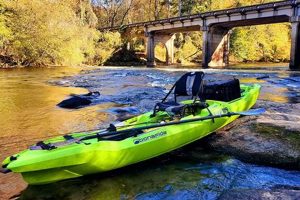
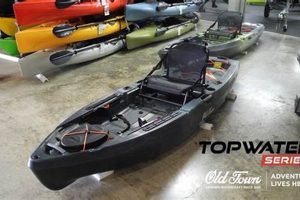
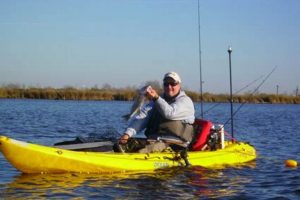
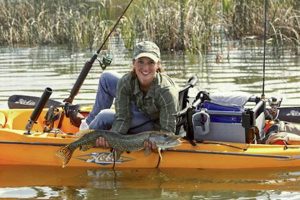
The practice of temporarily acquiring kayaks specifically designed for angling provides an accessible entry point into the sport of kayak fishing. This approach eliminates the significant upfront investment associated with kayak ownership, along with the logistical challenges of storage and transportation. For instance, vacationers can readily obtain suitable watercraft for a few hours or several days, allowing them to explore local waterways and enjoy the sport without long-term commitment.
Offering numerous advantages, this service allows anglers to experience various fishing locations without the constraints of boat ramps or large vessels. The relatively low cost and ease of access make it an appealing option for both novice and seasoned anglers. Historically, fishing from small, human-powered watercraft has been a common practice across cultures. Modern iterations, leveraging specialized kayak designs and lightweight materials, have broadened the appeal and accessibility of this traditional fishing method.
The subsequent sections will delve into crucial aspects of this service, including factors influencing pricing, essential equipment considerations, and selecting appropriate locations. Further discussion will cover safety guidelines, responsible angling practices, and tips for maximizing the fishing experience.
Tips for Kayak Fishing Rentals
Careful planning ensures a successful and enjoyable kayak fishing excursion. The following tips offer valuable insights for maximizing the experience.
Tip 1: Research Rental Providers Thoroughly: Reputable providers maintain well-maintained equipment and offer transparent pricing. Review online customer feedback and compare services offered, such as delivery or guided tours.
Tip 2: Consider Kayak Features: Select a kayak suited to the intended fishing environment and personal preferences. Longer kayaks offer better tracking in open water, while shorter models provide maneuverability in tighter spaces. Features like rod holders and anchor trolleys enhance fishing functionality.
Tip 3: Check Safety Equipment: Ensure the rental includes essential safety gear, such as a personal flotation device (PFD), a whistle, and a signaling device. Familiarize oneself with their proper use before embarking.
Tip 4: Plan the Fishing Location: Research potential fishing spots and consider factors like water conditions, accessibility, and local regulations. Consult maps and tide charts to optimize fishing time.
Tip 5: Pack Essential Gear: Bring appropriate fishing tackle, including rods, reels, lines, lures, and bait suitable for the target species. Additional items like sunscreen, a hat, polarized sunglasses, and a dry bag for personal belongings are recommended.
Tip 6: Practice Kayak Handling: If new to kayaking, consider a brief practice session in calm water before venturing into more challenging environments. Understanding basic paddling techniques and maneuvering skills enhances safety and confidence on the water.
Tip 7: Respect Local Regulations: Obtain any necessary fishing licenses and familiarize oneself with local fishing regulations, including catch limits and size restrictions. Adhere to responsible angling practices to preserve the environment.
By following these recommendations, anglers can optimize their kayak fishing rental experience, ensuring both safety and enjoyment on the water. Preparation and mindful consideration contribute significantly to a successful outing.
This information provides a solid foundation for planning a rewarding kayak fishing trip. The concluding section will reiterate key takeaways and offer additional resources for continued learning.
1. Rental Locations

The geographic placement of rental operations significantly influences the accessibility and overall experience associated with fishing kayak rentals. Proximity to desirable fishing grounds is a primary factor. Locations situated directly on lakeshores, near river access points, or within coastal marinas offer immediate access to the water, minimizing transportation challenges. Conversely, locations requiring significant travel to reach suitable fishing areas may diminish convenience and increase overall trip duration.
Furthermore, the characteristics of the surrounding environment impact location suitability. Calm, sheltered bays or slow-moving rivers provide ideal conditions for novice kayakers, while more experienced anglers might seek locations offering access to open water or challenging currents. For example, a rental business operating near a protected estuary might attract beginners targeting smaller fish species, whereas a provider situated near a coastal inlet known for strong currents might cater to experienced anglers pursuing larger game fish. Understanding the interplay between rental location and target fishing environment is crucial for angler satisfaction.
In conclusion, the strategic placement of rental operations plays a critical role in determining the success and convenience of fishing kayak rentals. Careful consideration of factors such as proximity to fishing grounds, environmental conditions, and target audience needs ensures optimal alignment between service provision and angler expectations. Selecting a location that balances accessibility with the desired fishing experience is essential for a positive outcome.
2. Kayak Selection
Appropriate kayak selection significantly influences the overall success and enjoyment of a fishing kayak rental experience. Choosing a kayak suited to the intended fishing environment, target species, and individual angler needs enhances comfort, stability, and fishing efficacy. Understanding key kayak characteristics and their impact on performance is essential for informed decision-making.
- Hull Design
Hull design dictates a kayak’s stability, maneuverability, and tracking ability. Sit-on-top kayaks, characterized by open decks, offer superior stability and ease of re-entry after a water landing, making them suitable for calmer waters and novice anglers. Sit-inside kayaks, featuring enclosed cockpits, provide better protection from the elements and enhanced paddling efficiency in rougher conditions, appealing to more experienced kayakers. Choosing a hull design aligned with the anticipated water conditions and angler experience level is paramount.
- Length and Width
Kayak dimensions directly impact performance characteristics. Longer kayaks generally track straighter and glide more efficiently, making them suitable for covering larger distances in open water. Shorter kayaks offer enhanced maneuverability in tight spaces, such as narrow creeks or mangrove tunnels. Wider kayaks provide greater stability, while narrower kayaks offer increased speed. Selecting appropriate dimensions based on the intended fishing environment and personal preferences is crucial.
- Storage and Features
Adequate storage capacity and specialized features enhance fishing functionality. Kayaks equipped with dedicated rod holders, tackle storage compartments, and anchor trolleys streamline fishing operations and improve angler efficiency. The presence of features such as adjustable seats, footrests, and paddle holders further enhances comfort and reduces fatigue during extended fishing trips.
- Weight Capacity
Weight capacity determines the maximum load a kayak can safely carry, encompassing the angler’s weight, fishing gear, and any additional equipment. Exceeding the specified weight capacity compromises stability and increases the risk of capsizing. Accurate assessment of total anticipated weight and selection of a kayak with sufficient capacity is critical for safety and performance.
Careful consideration of these factors ensures a kayak well-suited to the specific demands of a fishing excursion. Aligning kayak characteristics with individual needs and the intended fishing environment contributes significantly to overall comfort, stability, and fishing success. Prioritizing informed kayak selection optimizes the rental experience and maximizes enjoyment on the water.
3. Pricing and Duration

Pricing structures for fishing kayak rentals typically correlate with rental duration, influencing budgeting decisions and overall affordability. Rental providers commonly offer various pricing tiers based on hourly, half-day, full-day, or multi-day periods. Shorter durations, such as hourly rentals, generally incur higher hourly rates but provide flexibility for shorter outings. Longer durations, such as multi-day rentals, often benefit from lower daily rates, making them more economical for extended fishing trips. For instance, a provider might charge $25 per hour, $50 for a half-day, $75 for a full day, or $200 for a three-day rental. Understanding these tiered pricing structures allows anglers to optimize cost-effectiveness based on their planned fishing duration.
Several factors influence rental pricing, including kayak type, included equipment, and location. Specialized fishing kayaks equipped with features like rod holders, fish finders, and live wells often command higher prices compared to basic recreational kayaks. Rentals including essential safety gear, such as personal flotation devices (PFDs) and paddles, may also influence pricing. Furthermore, rental locations situated in prime fishing areas or popular tourist destinations might reflect higher prices due to increased demand. Analyzing the interplay between these factors and rental duration allows anglers to make informed decisions that align with their budget and desired experience. A weekend angler seeking a basic kayak for a few hours might prioritize hourly rates, whereas an angler planning a week-long fishing expedition might prioritize multi-day rentals with specialized equipment.
Understanding the relationship between pricing and duration is crucial for effective planning and maximizing value. Careful consideration of rental duration needs, desired kayak features, and budgetary constraints allows anglers to select the most suitable and cost-effective rental option. Evaluating pricing structures and comparing offerings from different providers empowers informed decision-making and ensures a positive rental experience. This knowledge allows anglers to focus on the enjoyment of fishing without unexpected financial burdens, facilitating access to the sport and promoting responsible resource management.
4. Safety Gear

Safety gear stands as a critical component of responsible fishing kayak rentals, inextricably linked to angler well-being and successful excursions. Prioritizing safety equipment ensures preparedness for unforeseen circumstances, mitigating potential risks associated with on-water activities. Understanding the function and proper utilization of essential safety gear is paramount for a safe and enjoyable experience.
- Personal Flotation Devices (PFDs)
PFDs, commonly known as life jackets, are fundamental safety devices designed to keep individuals afloat in the event of capsizing or accidental immersion. Properly fitted and worn PFDs significantly increase survival chances. For example, an angler unexpectedly encountering rough water or experiencing a kayak malfunction relies on their PFD for immediate buoyancy and support. Rental providers typically include PFDs with kayak rentals; however, verifying proper fit and condition before embarking is crucial.
- Whistles and Signaling Devices
Whistles and signaling devices, such as air horns or flares, serve as essential communication tools in emergency situations. A whistle’s sharp, piercing sound effectively attracts attention over distances, signaling distress or alerting nearby boaters to potential hazards. Visual signaling devices, like flares, provide additional means of communication, especially in low-visibility conditions. An angler experiencing disorientation due to fog or requiring assistance after capsizing can effectively utilize signaling devices to alert rescuers.
- Bilge Pumps and Sponges
Bilge pumps and sponges address water accumulation within the kayak, maintaining stability and preventing potential swamping. Sit-on-top kayaks, while inherently buoyant, can accumulate water from splashing waves or rain. A bilge pump efficiently removes excess water, restoring stability and preventing submersion. Sponges serve as supplementary tools for removing smaller amounts of water. Regularly checking for and removing accumulated water enhances safety and prevents performance degradation.
- First-Aid Kit and Emergency Supplies
A compact, waterproof first-aid kit containing essential medical supplies addresses minor injuries or ailments that may occur during a fishing trip. Items like bandages, antiseptic wipes, pain relievers, and insect repellent provide immediate care for cuts, scrapes, or insect bites. Additional emergency supplies, such as a waterproof flashlight, a multi-tool, and a small repair kit, prove invaluable in addressing unexpected equipment malfunctions or other unforeseen circumstances.
These safety precautions contribute significantly to a secure and enjoyable kayak fishing experience. Understanding the importance of each piece of safety gear and its proper usage empowers anglers to mitigate potential risks and respond effectively to unexpected situations. Prioritizing safety enhances confidence on the water, allowing anglers to fully appreciate the recreational and sporting aspects of kayak fishing. Responsible engagement with safety protocols benefits individual anglers and fosters a culture of safety within the broader kayaking community.
5. Fishing Regulations

Adherence to fishing regulations constitutes a critical aspect of responsible fishing kayak rentals, directly impacting the sustainability of aquatic ecosystems and the longevity of the sport. Regulations, established by local governing bodies, define parameters for legal fishing practices, including licensing requirements, catch limits, size restrictions, and permitted fishing seasons. These regulations aim to prevent overfishing, protect vulnerable species, and maintain balanced fish populations. For instance, size restrictions ensure juvenile fish reach maturity and contribute to reproductive cycles, while catch limits prevent depletion of specific fish stocks. Ignoring these regulations can lead to fines, legal repercussions, and ultimately, damage to the aquatic environment.
The connection between fishing regulations and kayak rentals manifests practically through the angler’s responsibility. Rental providers often inform customers of relevant regulations, but the onus ultimately rests on the angler to understand and comply with these rules. This responsibility extends beyond simply possessing a valid fishing license. An angler renting a kayak in a designated trout stream, for example, must adhere to specific regulations regarding trout fishing in that particular area, such as bait restrictions or catch-and-release policies. Practical application involves understanding which species are in season, adhering to size and catch limits, employing legal fishing methods, and respecting closed fishing areas. This informed approach contributes to resource conservation and ensures future generations can enjoy the sport.
In summary, integrating knowledge and adherence to fishing regulations into the practice of fishing kayak rentals fosters responsible angling practices. Understanding the rationale behind these regulations and their practical implications ensures compliance, contributing to the long-term health of aquatic ecosystems. This responsible approach reinforces the sustainability of fishing, ensuring its continued enjoyment while safeguarding the environment for future generations. Disregarding regulations undermines conservation efforts and jeopardizes the future of the sport itself. Responsible angling practices, therefore, serve as a cornerstone of ethical and sustainable fishing kayak rentals.
Frequently Asked Questions about Fishing Kayak Rentals
This section addresses common inquiries regarding fishing kayak rentals, providing clarity and facilitating informed decision-making.
Question 1: What are typical rental rates for fishing kayaks?
Rental rates vary based on factors such as kayak type, rental duration, location, and included equipment. Hourly rates typically range from $15 to $30, while full-day rentals can range from $50 to $100. Multi-day rentals often offer discounted daily rates. Specialized fishing kayaks with advanced features may command higher prices.
Question 2: What is included with a typical fishing kayak rental?
Most rentals include the kayak, a paddle, and a personal flotation device (PFD). Some rentals may also include basic fishing equipment such as rod holders and anchor trolleys. Premium rentals might offer additional features like fish finders or live wells. Clarifying inclusions with the rental provider beforehand is recommended.
Question 3: Do I need prior kayaking experience to rent a fishing kayak?
Prior kayaking experience is not always required. Sit-on-top kayaks offer inherent stability, making them suitable for beginners. Rental providers often offer brief instructional sessions on basic paddling techniques and safety procedures. Communicating experience level with the provider ensures appropriate kayak selection and guidance.
Question 4: What safety precautions should one take when renting a fishing kayak?
Essential safety precautions include wearing a properly fitted PFD, carrying a whistle or signaling device, checking weather conditions before embarking, informing someone of the planned fishing location and return time, and adhering to recommended weight capacity limits.
Question 5: Are there any specific fishing regulations related to kayak fishing?
Fishing regulations vary by location and may include licensing requirements, catch limits, size restrictions, and permitted fishing seasons. Anglers are responsible for understanding and complying with all applicable regulations in their chosen fishing area.
Question 6: What should one consider when choosing a location for kayak fishing?
Location selection should consider factors such as water conditions, accessibility, target species, and local regulations. Researching potential fishing spots beforehand and consulting maps or local fishing guides can optimize the fishing experience.
Understanding these commonly addressed concerns ensures a well-prepared and enjoyable fishing kayak rental experience. Careful planning and consideration of these factors contribute to safety, maximize fishing success, and promote responsible angling practices.
The subsequent section offers concluding remarks and additional resources.
Fishing Kayak Rentals
This exploration of fishing kayak rentals has highlighted key aspects, from selecting appropriate watercraft and locations to emphasizing safety and regulatory compliance. Careful consideration of kayak features, including hull design and storage capacity, ensures optimal performance and angler comfort. Understanding pricing structures and rental durations facilitates informed budgetary decisions. Prioritizing safety gear, such as personal flotation devices and signaling devices, mitigates potential risks associated with on-water activities. Adherence to local fishing regulations ensures responsible angling practices, contributing to the long-term health of aquatic ecosystems.
The accessibility and adaptability offered by fishing kayak rentals signify a growing trend within recreational fishing. This approach provides a versatile entry point for novice anglers while offering seasoned fishing enthusiasts opportunities to explore diverse waterways. Continued growth in this sector necessitates a parallel focus on responsible angling practices and environmental stewardship. The future of fishing, particularly from human-powered watercraft, hinges upon the collective commitment to preserving aquatic resources for future generations.