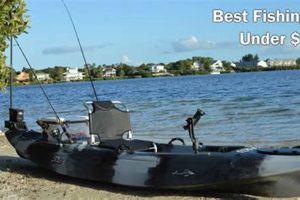
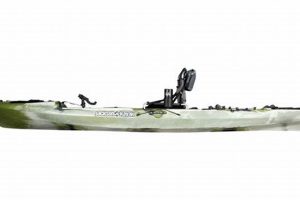
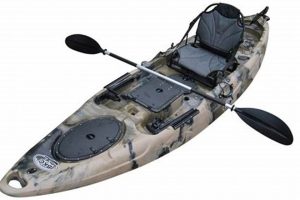
A sit-on-top (SOT) fishing kayak represents a specialized watercraft designed for angling. These kayaks provide an open deck, offering anglers enhanced stability, ease of entry and exit, and ample space for gear storage. This design contrasts with sit-inside kayaks, where the user’s lower body is enclosed within the hull. A premium SOT fishing kayak typically incorporates features like rod holders, tackle storage compartments, and even livewells for keeping catches fresh.
The popularity of SOT kayaks for fishing stems from several key advantages. The open design allows for greater freedom of movement, facilitating casting and reeling. Their inherent stability makes them ideal for standing and sight fishing, while the self-draining scupper holes prevent water accumulation on the deck. The evolution of these kayaks has seen continuous improvement in hull designs, materials, and integrated features, catering specifically to the needs of anglers. This has resulted in craft optimized for various fishing environments, from calm lakes and rivers to challenging offshore conditions.
This discussion will further explore critical aspects of selecting a suitable SOT fishing kayak. Topics will include considerations of hull design, material selection, essential features, and popular manufacturers. Understanding these factors will empower anglers to make informed decisions when choosing a kayak that aligns with their fishing style, skill level, and budgetary constraints.
Tips for Choosing a Sit-on-Top Fishing Kayak
Selecting a suitable sit-on-top fishing kayak requires careful consideration of several factors. These tips offer guidance for navigating the selection process.
Tip 1: Consider Hull Design: Hull design significantly impacts stability and maneuverability. Wider, flatter hulls offer superior stability, while longer, narrower hulls provide better tracking and speed. Shorter hulls are generally more maneuverable in tight spaces.
Tip 2: Evaluate Materials: Common kayak materials include polyethylene, fiberglass, and composites. Polyethylene offers durability and affordability, while fiberglass and composites provide lighter weight and enhanced performance, often at a higher price point.
Tip 3: Prioritize Essential Features: Focus on features like rod holders, tackle storage, comfortable seating, and rudder or pedal-driven propulsion systems. Consider the type of fishing pursued and prioritize features accordingly.
Tip 4: Factor in Weight Capacity: Ensure the kayak’s weight capacity accommodates the angler’s weight, plus gear and potential catches. Exceeding the capacity can compromise stability and performance.
Tip 5: Research Reputable Manufacturers: Opt for established manufacturers known for quality construction, durable materials, and reliable customer support. Research reviews and compare models.
Tip 6: Test Before Purchasing (If Possible): Testing different kayak models provides invaluable firsthand experience. Consider renting or demoing kayaks before making a final decision. This allows assessment of comfort, stability, and maneuverability.
Tip 7: Factor in Transportation and Storage: Consider how the kayak will be transported and stored. Roof racks, trailers, or even inflatable options might be necessary, depending on the kayak’s size and the angler’s circumstances.
Careful consideration of these factors ensures selection of a kayak optimized for individual needs and fishing style. A well-chosen vessel significantly enhances the overall fishing experience.
These considerations provide a solid foundation for selecting the right kayak. The next section offers a concluding perspective.
1. Stability
Stability is a paramount consideration when selecting a sit-on-top fishing kayak. A stable platform is essential for casting, reeling, landing fish, and even standing to sight fish. Compromised stability can lead to capsizing, jeopardizing both angler safety and equipment. This section explores key facets contributing to kayak stability.
- Hull Design:
Hull design significantly influences stability. Wider, flatter hulls provide greater initial stability, resisting tipping. Pontoon-style hulls offer exceptional stability, while narrower hulls are less stable but offer increased speed and maneuverability. Understanding the trade-off between stability and performance is crucial for selecting an appropriate hull design. For example, a wide, flat hull is ideal for calm lakes, while a narrower hull might suit rivers or open water where speed is more important. The specific fishing environment should dictate hull choice.
- Center of Gravity:
A lower center of gravity enhances stability. Sitting closer to the waterline improves stability, while standing elevates the center of gravity, making the kayak more prone to tipping. Proper weight distribution within the kayak is essential. Evenly distributing gear and avoiding excessive weight in one area contributes to a balanced and stable platform. Considerations like seat height and positioning further impact the overall center of gravity.
- Kayak Width and Length:
Wider kayaks inherently offer more stability than narrower models. Increased width provides a larger base of support, resisting tipping forces. Longer kayaks generally track straighter, but shorter kayaks are more maneuverable. The interplay between width and length impacts both stability and performance characteristics. Anglers prioritizing stability often opt for wider kayaks, even at the expense of some speed or maneuverability.
- Water Conditions:
Calm, flat water presents fewer stability challenges compared to choppy or turbulent conditions. Wind, waves, and currents can significantly impact stability. Kayaks designed for rougher water often feature enhanced stability features. Understanding the intended fishing environment is crucial for choosing a kayak with appropriate stability characteristics. Anglers frequently fishing in rough conditions should prioritize maximum stability.
Considering these facets of stability is crucial for selecting a sit-on-top fishing kayak suitable for individual needs and the intended fishing environment. Prioritizing stability ensures angler safety, enhances fishing performance, and ultimately contributes to a more enjoyable experience on the water.
2. Maneuverability

Maneuverability is a critical factor influencing the effectiveness and enjoyment of a sit-on-top fishing kayak. Efficient navigation through various water conditions, including tight spaces, swift currents, and obstacle-laden areas, requires a kayak responsive to angler input. This responsiveness directly impacts the ability to reach desired fishing spots and position the kayak optimally for casting and landing fish. This section explores key facets contributing to kayak maneuverability.
- Hull Design:
Hull design plays a pivotal role in maneuverability. Shorter kayaks with a more rounded or rockered hull are generally more agile and responsive, allowing for quick turns and adjustments in direction. Longer kayaks, particularly those with a flatter hull, excel in tracking and speed but may sacrifice maneuverability in tight spaces. For example, a shorter kayak with a rockered hull is ideal for navigating mangrove tunnels or narrow creeks, whereas a longer, flatter hull is better suited for open water paddling.
- Length and Width:
Shorter kayaks are inherently more maneuverable than longer kayaks, offering greater agility in confined areas. Wider kayaks tend to be more stable but can be slower to turn. The relationship between length and width influences both maneuverability and stability, requiring a balanced approach based on fishing conditions and angler preferences. A shorter, narrower kayak is typically easier to turn, while a longer, wider kayak prioritizes stability over maneuverability.
- Rudder or Skeg:
Rudders and skegs enhance tracking and directional control, particularly in windy or current-prone environments. A rudder provides active control, allowing for adjustments in direction, while a skeg improves straight-line tracking. These features can significantly improve maneuverability by reducing the need for constant paddle adjustments to maintain course. In challenging conditions, a rudder can be invaluable for precise maneuvering and maintaining desired positioning.
- Propulsion System:
Paddle propulsion provides direct control and maneuverability, but pedal or motor-driven systems can enhance efficiency, particularly over longer distances or against currents. These systems free the angler’s hands for fishing, while offering improved maneuverability in certain situations. For example, a pedal-driven kayak allows hands-free fishing while maintaining precise positioning, even in moving water. The choice of propulsion system significantly impacts the overall maneuverability and fishing experience.
Understanding these facets of maneuverability is essential for selecting a sit-on-top fishing kayak tailored to specific fishing styles and environments. A maneuverable kayak allows anglers to navigate efficiently, position themselves effectively for fishing, and ultimately maximize their time on the water.
3. Storage Capacity
Ample and well-designed storage is a defining characteristic of a high-quality sit-on-top fishing kayak. Effective storage solutions directly impact organization, accessibility, and overall fishing efficiency. Insufficient or poorly planned storage can lead to cluttered decks, tangled lines, and difficulty locating essential gear, hindering the fishing experience. This section explores key facets of storage capacity in relation to selecting a premium fishing kayak.
- Types of Storage:
Storage options vary widely, from open deck wells and bungee cord systems to dedicated compartments for tackle boxes, rods, and other equipment. Some kayaks feature specialized storage for live bait or dry storage for electronics and personal items. Anglers should consider their specific gear needs and fishing style when evaluating storage options. For example, a fly fisherman might prioritize open deck space and line management systems, while a bass angler might prefer dedicated tackle storage compartments.
- Capacity and Accessibility:
Storage capacity should align with the intended fishing duration and gear requirements. Longer trips or specialized fishing techniques necessitate greater storage volume. Equally important is accessibility. Well-placed hatches, readily accessible compartments, and strategically positioned bungee systems contribute to efficient gear management. Easy access to essential items minimizes disruption and maximizes fishing time.
- Weight Distribution and Stability:
Proper weight distribution within storage compartments is crucial for maintaining kayak stability. Unevenly distributed weight can compromise balance and maneuverability. Anglers should distribute gear evenly throughout the kayak, avoiding overloading any single area. Consideration should be given to the weight of stored items and their impact on the kayak’s center of gravity.
- Material and Durability:
Storage compartments should be constructed from durable, weather-resistant materials capable of withstanding the rigors of the marine environment. Hatches and closures should provide a secure seal, protecting stored items from water damage. The overall durability of storage components contributes to the longevity and performance of the fishing kayak.
Careful evaluation of storage capacity is essential for selecting a sit-on-top fishing kayak optimized for individual needs and fishing styles. A well-designed storage system enhances organization, accessibility, and overall fishing efficiency, contributing to a more productive and enjoyable experience on the water.
4. Comfort and Ergonomics

Comfort and ergonomics are paramount considerations when selecting a sit-on-top fishing kayak, directly impacting endurance, focus, and overall enjoyment on the water. Extended fishing trips can become arduous if the kayak lacks proper support and adjustability. Discomfort can detract from the fishing experience, leading to fatigue and decreased performance. This section explores key facets contributing to comfort and ergonomic design in fishing kayaks.
- Seat Design and Adjustability:
A comfortable and supportive seat is essential, particularly for long hours on the water. Features like adjustable backrests, padded cushions, and breathable fabrics contribute to enhanced comfort. High-quality seating systems provide crucial support, reducing strain and fatigue. Adjustable features allow anglers to customize the seat to their individual body shape and preferences, maximizing comfort and minimizing pressure points. A well-designed seat allows for changes in position, promoting circulation and reducing stiffness.
- Footrests and Leg Support:
Proper leg support and adjustable footrests contribute to both comfort and paddling efficiency. Adjustable footrests allow anglers to maintain a comfortable and biomechanically sound paddling position, regardless of height or leg length. Secure foot bracing enhances stability and power transfer during paddling strokes. Adequate legroom and strategically placed footrests prevent cramping and discomfort, allowing for extended periods on the water.
- Deck Design and Layout:
A well-designed deck layout contributes to both comfort and functionality. Ample deck space provides room for movement and gear storage. Recessed areas for seating and strategically placed footwells maximize comfort and stability. A clutter-free deck enhances safety and allows for easy access to essential equipment. The layout should facilitate efficient movement and minimize awkward reaching or bending.
- Paddle Ergonomics and Length:
Selecting the appropriate paddle length and ergonomic design is crucial for efficient paddling and injury prevention. Paddles designed with ergonomic grips and lightweight materials reduce strain on wrists and forearms. Proper paddle length ensures efficient power transfer and minimizes fatigue. A comfortable and efficient paddling stroke contributes to a more enjoyable and less strenuous kayaking experience.
Prioritizing comfort and ergonomics in kayak selection significantly enhances the overall fishing experience. A comfortable and well-designed kayak allows anglers to focus on fishing, rather than discomfort, maximizing enjoyment and time on the water. Investing in a kayak with superior ergonomics contributes to long-term comfort and injury prevention, ensuring many productive and enjoyable fishing trips.
5. Durability and Materials

Durability is a critical factor in determining the lifespan and overall value of a sit-on-top fishing kayak. The materials used in construction directly influence a kayak’s ability to withstand impacts, abrasion, UV exposure, and the corrosive effects of saltwater environments. A durable kayak requires less maintenance and repair, ensuring more time on the water and a greater return on investment. Material selection influences not only durability but also weight, performance, and cost. Understanding the properties of various kayak materials is essential for informed decision-making.
Common kayak construction materials include polyethylene, fiberglass, and composites. Polyethylene is known for its impact resistance and affordability, making it a popular choice for recreational kayaks. Fiberglass offers a balance of durability, performance, and lighter weight, often preferred by anglers seeking enhanced speed and efficiency. Composite materials, typically involving blends of carbon fiber, Kevlar, and other high-performance fibers, provide the ultimate in lightweight construction and stiffness, but often come at a premium price. The intended use and fishing environment should dictate the most appropriate material. For example, a polyethylene kayak might suffice for calm lakes and rivers, while a fiberglass or composite kayak may be better suited for challenging offshore conditions.
The construction process also plays a significant role in overall durability. Rotational molding, a common technique for polyethylene kayaks, produces a seamless, highly durable hull. Fiberglass kayaks are typically constructed using a layered approach, with the quality of resin and fiber layup influencing strength and stiffness. Composite kayaks often involve vacuum bagging or other advanced techniques to minimize weight and maximize material properties. Examining construction details, such as weld quality in polyethylene kayaks or the layering and finish of fiberglass kayaks, can provide insights into a kayak’s long-term durability. Investing in a kayak constructed with high-quality materials and robust manufacturing techniques ensures long-term performance and minimizes the risk of costly repairs or premature replacement.
6. Features and Accessories

Features and accessories differentiate a standard sit-on-top kayak from a purpose-built fishing platform. These additions enhance functionality, angler comfort, and overall fishing success. Careful consideration of available features and accessories is crucial for selecting a kayak optimized for individual fishing styles and target species.
- Rod Holders:
Rod holders are fundamental accessories, securing rods while paddling, trolling, or rigging. Flush-mounted rod holders minimize interference with casting, while adjustable rod holders accommodate various rod lengths and fishing techniques. Multiple rod holders allow anglers to carry a selection of rods rigged for different target species or fishing presentations. The number, type, and placement of rod holders should align with specific fishing needs.
- Tackle Storage:
Dedicated tackle storage facilitates organization and efficient access to lures, hooks, and other essential gear. Tackle storage options range from simple open compartments to sealed, waterproof boxes designed to protect sensitive electronics and tackle from the elements. Well-designed tackle storage systems minimize clutter and maximize fishing efficiency. Ample storage space allows anglers to carry a diverse selection of tackle, adapting to changing fishing conditions and target species.
- Fish Finders and Electronics:
Integrating electronics like fish finders and GPS units significantly enhances fishing success. Fish finders provide crucial insights into underwater structure, fish location, and depth, enabling informed decisions about where to fish. GPS units aid in navigation, marking waypoints, and tracking fishing routes. Mounting systems for these electronics should be integrated into the kayak’s design for secure and convenient access. Power sources, such as rechargeable batteries, should also be considered when incorporating electronics.
- Anchoring and Drift Control Systems:
Maintaining position in current or wind requires effective anchoring or drift control systems. Anchor trolleys allow controlled deployment and retrieval of anchors from the seated position, while drift chutes or sea anchors slow drift speed, keeping the kayak positioned optimally for fishing. These systems are crucial for fishing specific areas or maintaining a desired presentation in moving water. Selecting appropriate anchoring and drift control systems depends on the fishing environment and target species.
The selection of features and accessories contributes significantly to the overall performance and enjoyment of a sit-on-top fishing kayak. A well-equipped kayak enhances fishing efficiency, comfort, and ultimately, success on the water. By carefully considering individual fishing needs and target species, anglers can select a kayak equipped with the optimal combination of features and accessories to maximize their fishing experience.
Frequently Asked Questions
This section addresses common inquiries regarding the selection and use of sit-on-top fishing kayaks.
Question 1: What are the primary advantages of a sit-on-top kayak for fishing?
Sit-on-top kayaks offer enhanced stability, ease of entry and exit, superior maneuverability in tight spaces, and self-draining capabilities, making them ideal for fishing. The open design provides ample storage for gear and facilitates casting and reeling.
Question 2: How does hull design impact fishing kayak performance?
Hull design significantly influences stability, maneuverability, and tracking. Wider hulls offer increased stability, while longer, narrower hulls provide better speed and tracking in open water. Shorter hulls enhance maneuverability in tight spaces like creeks or mangroves.
Question 3: What materials are commonly used in fishing kayak construction, and what are their respective benefits?
Polyethylene offers durability and affordability, fiberglass provides a balance of performance and lighter weight, while composite materials offer superior strength and reduced weight, often at a higher cost. Material selection impacts durability, performance, and price.
Question 4: What essential features should one consider when choosing a fishing kayak?
Essential features include rod holders, tackle storage, comfortable seating, and rudder or pedal-driven propulsion systems. Consider the type of fishing pursued and prioritize features accordingly. Additional features like anchor trolleys and fish finders enhance fishing functionality.
Question 5: How does one determine the appropriate weight capacity for a fishing kayak?
Weight capacity should accommodate the angler’s weight plus all gear, equipment, and potential catches. Exceeding the specified weight capacity can compromise stability and performance, potentially leading to unsafe conditions.
Question 6: What are the key considerations for transporting and storing a fishing kayak?
Transportation options include roof racks, trailers, and inflatable designs. Storage requires adequate space, protection from the elements, and secure storage to prevent theft or damage. Consider the kayak’s size and available storage options when making a purchase.
Careful consideration of these frequently asked questions empowers informed decisions regarding the selection and use of a sit-on-top fishing kayak, ensuring an optimal fishing experience.
Further research into specific models and manufacturers is recommended based on individual needs and preferences.
Finding the Best SOT Fishing Kayak
Selecting a premium sit-on-top fishing kayak requires careful evaluation of various factors influencing performance, comfort, and overall fishing experience. Hull design dictates stability and maneuverability, impacting performance in diverse water conditions. Material selection influences durability, weight, and cost, with options ranging from durable polyethylene to lightweight composites. Ample, well-designed storage accommodates essential gear and tackle, while ergonomic features like adjustable seating and footrests ensure comfort during extended fishing trips. Integrated features, such as rod holders, fish finders, and anchoring systems, enhance fishing functionality and success. Careful consideration of these elements ensures selection of a kayak optimized for individual needs and fishing styles.
The ideal sit-on-top fishing kayak represents a significant investment, enhancing angling opportunities and overall enjoyment on the water. Thorough research, consideration of individual needs, and a focus on quality construction ensure a rewarding and productive fishing experience for years to come. A well-chosen kayak becomes an extension of the angler, facilitating access to prime fishing locations and enabling a deeper connection with the aquatic environment.