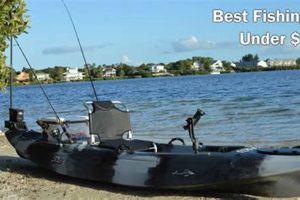
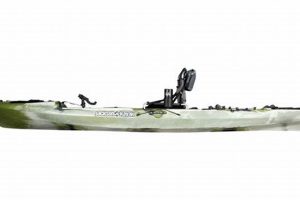
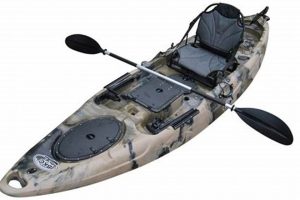
A high-quality, age-appropriate watercraft designed for angling activities offers stability, comfort, and ease of use for older individuals. Such vessels typically incorporate features like adjustable seating, ample storage for fishing gear, and simplified propulsion systems. An example would be a sit-on-top kayak with a wide, stable hull, a comfortable backrest, and easily accessible rod holders.
Choosing an appropriate vessel enhances safety and accessibility for older anglers, allowing them to continue enjoying the sport they love. This can contribute to physical and mental well-being by providing low-impact exercise and opportunities for relaxation and connection with nature. Historically, fishing kayaks were not designed with specific age groups in mind. However, the growing popularity of kayaking among seniors has led to the development of specialized designs that cater to their needs and preferences.
The following sections will delve into key factors to consider when selecting a suitable watercraft for older anglers, including stability, comfort, propulsion, and essential safety features. Specific models and manufacturers known for their senior-friendly designs will also be examined.
Tips for Selecting an Appropriate Fishing Kayak
Choosing a suitable fishing kayak is essential for ensuring a safe and enjoyable experience on the water. The following tips offer guidance for selecting a vessel tailored to individual needs and preferences.
Tip 1: Prioritize Stability: A wider hull and lower center of gravity offer greater stability, reducing the risk of capsizing. Look for designs specifically engineered for stability, such as pontoon-style hulls or those with outriggers.
Tip 2: Consider Comfort and Accessibility: Adjustable seating with ample back support is crucial for longer fishing trips. Features like elevated seats and easy-entry designs can significantly improve comfort and accessibility.
Tip 3: Evaluate Propulsion Systems: Pedal-powered kayaks offer a hands-free fishing experience and can be less physically demanding than paddling. Electric motors provide an effortless way to cover larger distances and navigate against currents.
Tip 4: Assess Storage Capacity: Ample storage space is essential for carrying fishing gear, tackle boxes, and personal items. Look for kayaks with dedicated storage compartments and bungee systems for securing equipment.
Tip 5: Factor in Weight Capacity: Ensure the kayak’s weight capacity comfortably accommodates the angler’s weight, plus the weight of all gear and equipment.
Tip 6: Choose the Right Length and Width: Longer kayaks track better in a straight line, while shorter kayaks are more maneuverable. Wider kayaks offer greater stability, while narrower kayaks are faster.
Tip 7: Don’t Overlook Safety Features: Essential safety features include reflective elements for visibility, multiple grab handles for easy re-entry, and a well-designed drainage system.
By carefully considering these factors, individuals can select a fishing kayak that enhances safety, comfort, and overall enjoyment on the water. An appropriate vessel allows for a more focused and productive fishing experience.
In conclusion, selecting the right fishing kayak requires careful consideration of individual needs and preferences. The information provided in this article offers a comprehensive guide to making an informed decision and enjoying a safe and rewarding fishing experience.
1. Stability

Stability is a paramount concern when selecting a fishing kayak for seniors. A stable platform ensures safety and reduces the risk of capsizing, allowing older anglers to focus on the fishing experience rather than constantly battling to maintain balance. This factor becomes particularly crucial given potential age-related decreases in balance and agility. Compromised stability can lead to falls, injuries, and a general sense of unease on the water, detracting significantly from the enjoyment of the activity.
- Hull Design
Hull design significantly impacts stability. Wider, flatter hulls generally offer greater initial stability, resisting tipping from side to side. A kayak with a shallow-V hull or a pontoon-style hull provides enhanced primary stability, making it ideal for calm waters and activities like casting and reeling. Conversely, a deeper-V hull, while offering greater speed and tracking, sacrifices some initial stability.
- Center of Gravity
A lower center of gravity contributes significantly to a kayak’s stability. Sit-on-top kayaks generally have a lower center of gravity compared to sit-inside kayaks, making them less prone to tipping. Additionally, the distribution of weight within the kayak plays a role. Keeping heavier items lower in the hull further enhances stability. For seniors, this is particularly important, as a lower center of gravity allows for more comfortable movement and less likelihood of an accidental upset.
- Secondary Stability
While initial stability is crucial, secondary stability the kayak’s ability to resist capsizing when leaned is equally important. Kayaks with rounded or flared hulls tend to have better secondary stability, allowing the angler to lean further without capsizing. This feature becomes relevant in situations involving unexpected waves or leaning to reach for a fish. For seniors, enhanced secondary stability provides an additional layer of security and confidence on the water.
- Environmental Factors
Environmental conditions such as wind, waves, and currents can significantly impact stability. Choosing a kayak with appropriate stability characteristics for the intended fishing environment is crucial. For calm lakes and ponds, a wider, more stable hull is ideal. For rougher waters, a kayak with greater secondary stability may be preferable. Seniors should carefully assess the prevailing conditions and choose a kayak that provides ample stability for the anticipated environment.
Prioritizing stability in kayak selection for seniors contributes directly to safety and confidence on the water. A stable platform allows anglers to focus on their fishing experience and fully enjoy the therapeutic benefits of being in nature, minimizing anxiety related to balance and potential falls. By considering factors such as hull design, center of gravity, and secondary stability, seniors can select a kayak that meets their specific needs and enhances their overall fishing experience.
2. Comfort

Comfort plays a pivotal role in the overall fishing experience, particularly for seniors. Extended periods on the water can exacerbate existing physical discomfort or create new challenges. A comfortable kayak enables prolonged fishing trips, enhancing enjoyment and minimizing physical strain. Proper ergonomic design and adjustable features are crucial for supporting joints, minimizing pressure points, and promoting proper posture, allowing senior anglers to focus on the activity rather than physical discomfort.
- Seat Design
Seat design is paramount for comfort. Look for adjustable seating systems with ample padding and lumbar support. Features like breathable mesh fabric and adjustable backrests can significantly enhance comfort during long hours on the water. A well-designed seat minimizes pressure points and promotes proper posture, reducing fatigue and discomfort. High-back seats offer additional support, while adjustable straps allow customization based on individual preferences and physical conditions.
- Footrests
Adjustable footrests are essential for maintaining proper posture and providing leg support, which contributes significantly to overall comfort, especially during long paddling sessions. Proper leg positioning improves blood circulation and reduces fatigue. Adjustable footrests accommodate varying leg lengths and allow for customization based on individual needs. This feature enhances comfort and control, enabling anglers to maintain a stable and comfortable position while paddling or casting.
- Cockpit Design
The cockpit design significantly influences comfort and accessibility. A wider cockpit allows for easier entry and exit, particularly beneficial for individuals with limited mobility. Ample legroom within the cockpit reduces cramping and allows for comfortable changes in position. Sit-on-top kayaks generally offer greater freedom of movement and easier access compared to sit-inside kayaks, a significant advantage for seniors. Consideration of cockpit dimensions and configuration is crucial for ensuring ease of movement and overall comfort.
- Padding and Accessories
Additional padding and accessories can further enhance comfort. Thigh braces offer support and control, while padded armrests reduce pressure on elbows and wrists. Backrests with adjustable lumbar support provide customized comfort and promote proper posture. Accessories like seat cushions and back supports can be added to existing kayaks to improve comfort and reduce pressure points. These additions can significantly improve the overall fishing experience, particularly for individuals with pre-existing back or joint issues.
Prioritizing comfort in kayak selection contributes significantly to the overall enjoyment and accessibility of fishing for seniors. A comfortable kayak enables longer fishing trips, reduces physical strain, and enhances the therapeutic benefits of being on the water. By carefully considering seat design, footrests, cockpit design, and additional padding, senior anglers can choose a kayak that maximizes comfort and allows them to fully appreciate their time on the water.
3. Ease of Entry/Exit
Ease of entry and exit is a critical factor when considering a fishing kayak for seniors. Physical limitations, such as decreased flexibility, balance issues, or joint pain, can make entering and exiting a traditional kayak challenging and potentially hazardous. A kayak designed for easy access minimizes strain and reduces the risk of falls, promoting safe and independent participation in the sport. For example, a sit-on-top kayak with a wide, open cockpit allows for easier entry and exit compared to a sit-inside kayak. Additionally, features like strategically placed grab handles and wider seating areas further assist with maneuvering into and out of the kayak. The lack of a confined cockpit in sit-on-top models simplifies the process considerably, reducing the need for awkward twisting or lifting motions.
The practical significance of easy entry and exit extends beyond mere convenience. It directly impacts a senior angler’s ability to enjoy the sport safely and independently. Difficulties entering or exiting a kayak can lead to frustration, anxiety, and even physical injury. This can discourage participation and limit access to the physical and mental health benefits of kayaking. Furthermore, an easy entry/exit system allows seniors to maintain their independence and dignity on the water, fostering a sense of self-reliance and enjoyment. Consider a scenario where an angler experiences an unexpected wave or needs to quickly exit the kayak due to changing weather conditions; easy access becomes crucial for safety and peace of mind.
In summary, ease of entry and exit is a fundamental component of a suitable fishing kayak for seniors. It directly influences safety, independence, and overall enjoyment of the sport. Prioritizing this feature empowers older individuals to continue participating in activities they love, promoting both physical and mental well-being. Overlooking this aspect can lead to unnecessary challenges and potentially discourage engagement, highlighting its importance in the overall selection process. Choosing a kayak with features that simplify entry and exit allows seniors to focus on the pleasure of fishing rather than the physical challenges of accessing the water.
4. Lightweight Design

Lightweight design is a critical consideration in selecting the best fishing kayak for seniors. Reduced weight directly impacts transportability and maneuverability, two key factors influencing accessibility and ease of use. A lighter kayak simplifies launching and landing, reduces strain during transport, and enhances overall maneuverability on the water. This is particularly relevant for older individuals who may have decreased strength or mobility. Choosing a lightweight model allows them to handle their kayak more easily and independently, expanding their access to fishing locations and enhancing their overall experience.
- Reduced Physical Strain
Lighter kayaks require less physical exertion to lift, carry, and load, minimizing strain on joints and muscles. This is particularly beneficial for seniors who may have age-related limitations in strength or mobility. The reduced physical demand associated with a lighter kayak makes transport and handling less strenuous, promoting greater independence and reducing the risk of injury. For example, a senior angler can more easily load a lighter kayak onto a car roof rack or carry it from storage to the water’s edge.
- Enhanced Maneuverability
A lighter kayak is generally easier to maneuver on the water, requiring less effort to paddle, steer, and control. This enhanced maneuverability is particularly advantageous in challenging conditions such as wind or current. For seniors, this translates to greater control and responsiveness on the water, enhancing safety and reducing fatigue. Navigating tight turns or shallow areas becomes less demanding, allowing for a more relaxed and enjoyable fishing experience. This ease of maneuverability also contributes to a greater sense of confidence and independence on the water.
- Simplified Transportation
Transporting a lighter kayak is significantly easier, whether loading it onto a vehicle, carrying it short distances, or maneuvering it on a cart. This simplified transport opens up more fishing opportunities for seniors, allowing them to access remote locations or easily transport their kayak from storage to the water. For instance, a lighter kayak can be more easily managed on a kayak cart across uneven terrain or loaded onto a small trailer without requiring assistance. This independence enhances access and expands fishing possibilities.
- Improved Launching and Landing
A lighter kayak simplifies both launching and landing, reducing the physical demands associated with these processes. This is particularly relevant for seniors who may find it challenging to maneuver a heavier kayak in shallow water or onto a dock. The reduced weight makes it easier to control the kayak during these critical phases, minimizing the risk of slips, falls, and potential damage to the kayak itself. This increased ease of launching and landing contributes to a smoother and less stressful start and finish to the fishing trip.
In conclusion, a lightweight design is a key element in determining the suitability of a fishing kayak for seniors. By reducing physical strain, enhancing maneuverability, and simplifying transportation and launching, a lightweight kayak significantly improves accessibility, safety, and overall enjoyment. These factors empower older individuals to maintain an active lifestyle and continue enjoying the sport of fishing with greater independence and confidence. Choosing a lightweight design contributes directly to a more positive and rewarding fishing experience for senior anglers.
5. Storage Capacity
Adequate storage capacity is a crucial factor when selecting a fishing kayak for seniors. The ability to safely and conveniently store essential gear, including fishing tackle, safety equipment, and personal items, directly impacts both the practicality and enjoyment of fishing trips. Insufficient storage can lead to a cluttered cockpit, hindering movement and potentially compromising safety. Conversely, ample and well-designed storage allows for organized gear, easy access to essentials, and a more comfortable and productive fishing experience. This is particularly important for seniors, who may benefit from having readily available supplies and equipment within easy reach.
- Tackle Organization
Dedicated compartments and storage solutions for fishing tackle, such as lures, lines, and hooks, contribute significantly to an organized and efficient fishing experience. Features like tackle boxes, trays, and rod holders keep equipment secure, prevent tangling, and allow for quick access to necessary items. This level of organization is particularly beneficial for seniors, as it minimizes the need for excessive reaching or bending, enhancing both comfort and safety.
- Safety Equipment Storage
Secure and accessible storage for safety equipment, including life jackets, whistles, and first-aid kits, is paramount. Designated compartments ensure these essential items are readily available in case of emergencies. Dry storage compartments protect sensitive electronic devices and important documents from water damage, further enhancing safety and peace of mind. This is particularly crucial for seniors, as quick access to safety equipment can be vital in unexpected situations.
- Personal Item Storage
Sufficient space for personal items like water bottles, sunscreen, and extra clothing enhances comfort and preparedness on the water. Dry storage compartments protect valuables from water damage, while readily accessible storage areas allow for convenient retrieval of frequently used items. This is particularly relevant for seniors, who may require more frequent access to personal items like medications or hydration.
- Weight Distribution and Stability
Proper weight distribution within the kayak influences stability and performance. Well-designed storage compartments facilitate balanced loading, preventing the kayak from becoming unstable due to uneven weight distribution. This is particularly crucial for seniors, as maintaining balance and stability on the water is essential for safety and comfort. Distributing gear evenly across designated storage areas contributes to a more stable and predictable paddling experience.
In summary, ample and well-organized storage contributes significantly to a safe, comfortable, and enjoyable fishing experience for seniors. By facilitating efficient tackle organization, ensuring accessibility of safety equipment, accommodating personal items, and promoting balanced weight distribution, adequate storage capacity enhances both practicality and pleasure on the water. This allows senior anglers to focus on the enjoyment of fishing, minimizing distractions and maximizing their time on the water.
6. Propulsion System

Propulsion systems play a crucial role in determining the suitability of a fishing kayak for seniors. The choice of propulsion directly impacts physical exertion, range, and overall enjoyment on the water. Traditional paddle kayaks require upper body strength and endurance, which may be challenging for some older individuals. Alternative propulsion systems, such as pedal drives and electric motors, offer significant advantages in terms of reduced physical strain, increased range, and enhanced fishing opportunities. Careful consideration of propulsion options is essential for selecting a kayak that aligns with individual physical capabilities and desired fishing experiences.
- Paddle Propulsion
Traditional paddle kayaks offer a classic kayaking experience, relying on upper body strength and paddling technique for propulsion. While offering a good workout and direct connection with the water, paddle kayaks may present challenges for seniors with limited upper body strength or pre-existing shoulder or back conditions. The repetitive paddling motion can exacerbate these conditions and lead to fatigue, potentially limiting fishing time and enjoyment. However, for those in good physical condition, paddling offers excellent exercise and control over the kayak’s movement.
- Pedal Drive Propulsion
Pedal-powered kayaks utilize a foot-pedal system similar to a bicycle, allowing anglers to propel the kayak using leg muscles rather than arms. This system significantly reduces strain on the upper body, making it an attractive option for seniors with shoulder or back issues. Pedal drives also offer greater speed and efficiency compared to paddling, enabling anglers to cover larger distances and fish wider areas. The hands-free nature of pedal propulsion allows for continuous fishing while underway, a significant advantage for anglers targeting specific locations or species.
- Electric Motor Propulsion
Electric motors offer effortless propulsion, allowing anglers to navigate with minimal physical exertion. This option is ideal for seniors with limited mobility or those seeking to conserve energy for fishing. Electric motors provide a significant advantage in challenging conditions such as strong currents or wind, enabling anglers to maintain position and focus on fishing rather than battling the elements. Furthermore, electric motors allow for quick and easy navigation across larger bodies of water, expanding fishing opportunities and reducing travel time.
- Hybrid Propulsion Systems
Hybrid systems combine the benefits of different propulsion methods, offering versatility and adaptability. For example, a kayak equipped with both a pedal drive and an electric motor provides options for varying conditions and preferences. Anglers can utilize the pedal drive for exercise and efficient cruising, while the electric motor offers assistance in challenging conditions or when navigating long distances. This versatility allows seniors to customize their propulsion based on their physical capabilities and the specific fishing environment.
Selecting the appropriate propulsion system is a critical decision for senior anglers. The choice directly impacts accessibility, comfort, and overall fishing experience. By carefully evaluating individual physical capabilities and desired fishing styles, seniors can choose a propulsion system that enhances their enjoyment and independence on the water. Whether prioritizing reduced physical strain, increased range, or effortless navigation, the optimal propulsion system empowers seniors to fully appreciate the therapeutic and recreational benefits of fishing from a kayak.
7. Accessibility Features

Accessibility features are integral to the design of a fishing kayak optimized for seniors. These features address age-related physical limitations and enhance both comfort and safety, promoting independent participation in the sport. Considerations include ease of entry and exit, adjustable seating systems, adaptive paddling options, and strategically placed grab handles. These features facilitate a more enjoyable and less strenuous experience, allowing older anglers to focus on fishing rather than physical challenges.
- Adaptive Seating Systems
Adaptive seating systems accommodate diverse physical needs and preferences. Adjustable backrests, elevated seat positions, and customizable padding provide crucial support and comfort, reducing strain on joints and muscles during extended fishing trips. These adjustments allow for personalized comfort and proper posture, minimizing fatigue and discomfort. Examples include seats with adjustable lumbar support, inflatable backrests, and elevated seating platforms that facilitate easier entry and exit. Such adaptations significantly enhance comfort and reduce physical strain, allowing seniors to enjoy longer outings on the water.
- Modified Entry and Exit Points
Wider cockpits and strategically placed grab handles facilitate easier entry and exit. Sit-on-top kayaks, with their open design, generally offer superior accessibility compared to sit-inside models. Features like sliding seats and step-in designs further simplify entry and exit, minimizing the risk of falls and enhancing independence. For example, some kayaks feature retractable side handles and wider, flatter decks that provide secure footing during entry and exit. These design considerations are crucial for seniors with limited mobility or balance issues.
- Adaptive Paddling Options
Adaptive paddling options cater to varying levels of upper body strength and mobility. Lightweight paddles with ergonomic grips reduce strain on wrists and hands. Specialized paddle holders and leashes keep paddles secure and within easy reach. Furthermore, alternative propulsion systems, like pedal drives or electric motors, eliminate the need for paddling altogether, providing accessible options for individuals with limited upper body strength or pre-existing conditions. These adaptations expand possibilities for seniors with diverse physical capabilities, promoting inclusivity and enjoyment of the sport.
- Enhanced Stability Features
Enhanced stability features contribute significantly to safety and confidence on the water. Wider hulls, outriggers, and pontoon-style designs minimize the risk of tipping, providing a secure and stable platform for fishing. This added stability is particularly crucial for seniors, as it reduces anxiety related to balance and allows for more comfortable movement within the kayak. For example, kayaks with built-in outriggers offer exceptional stability, even in choppy conditions. This increased stability allows seniors to focus on fishing rather than maintaining balance, enhancing both safety and enjoyment.
In conclusion, accessibility features are essential considerations in selecting a fishing kayak for seniors. These features address diverse physical needs and promote independence, safety, and enjoyment on the water. By carefully evaluating these features, senior anglers can choose a kayak that maximizes comfort, minimizes physical strain, and enhances their overall fishing experience. This empowers older individuals to continue participating in a rewarding recreational activity, promoting both physical and mental well-being.
Frequently Asked Questions
This section addresses common inquiries regarding the selection and use of fishing kayaks suitable for older individuals.
Question 1: What type of kayak is generally recommended for seniors?
Sit-on-top kayaks are generally recommended due to their stability, ease of entry and exit, and comfortable seating positions.
Question 2: What features should be prioritized for enhanced stability?
Prioritize kayaks with wider hulls, lower centers of gravity, and features like outriggers or pontoon-style designs for maximum stability.
Question 3: How important is seat comfort for senior anglers?
Seat comfort is paramount for longer fishing trips. Look for adjustable seating with ample back support, lumbar support, and breathable materials.
Question 4: What propulsion systems are best suited for seniors?
Pedal-powered or electric motor kayaks minimize physical exertion, while traditional paddles offer a more active experience. Consider individual physical capabilities and preferences.
Question 5: What safety features should be considered?
Essential safety features include high visibility colors, reflective elements, multiple grab handles, and a reliable drainage system.
Question 6: How does weight capacity affect kayak selection?
Ensure the kayak’s weight capacity accommodates the angler’s weight plus all gear and equipment for safe and optimal performance.
Careful consideration of these factors ensures selection of a safe, comfortable, and enjoyable fishing kayak tailored to individual needs.
For further information on specific kayak models and manufacturers, consult the subsequent section.
Best Fishing Kayak for Seniors
Careful selection of a fishing kayak optimized for the needs of senior anglers ensures safety, comfort, and continued enjoyment of the sport. Key factors include stability, provided by wider hulls and lower centers of gravity; comfort, enhanced by adjustable seating and ample storage; and ease of entry and exit, facilitated by wider cockpits and strategically placed grab handles. Propulsion choices, from traditional paddles to pedal drives and electric motors, should align with individual physical capabilities. Prioritizing accessibility features like adaptive seating and modified entry points further enhances the fishing experience for older individuals.
Investing in an appropriate fishing kayak empowers senior anglers to maintain an active lifestyle, connect with nature, and experience the therapeutic benefits of fishing. This thoughtful approach to kayak selection promotes continued participation in a cherished pastime, fostering both physical and mental well-being for years to come. The right equipment unlocks continued access to the rewarding pursuit of angling, ensuring enjoyment and fulfillment on the water.