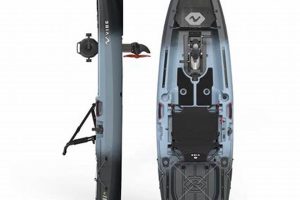
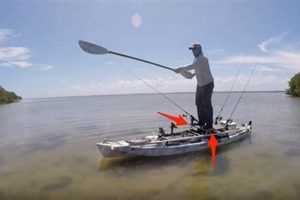
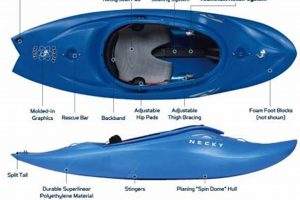
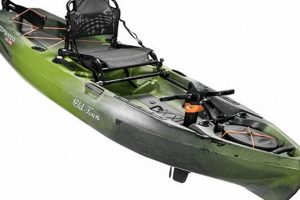
Affordable, entry-level watercraft designed for angling typically fall within this price range. These may include inflatable kayaks, compact recreational kayaks, or used, older-model kayaks. Often constructed from durable materials like PVC or high-density polyethylene, such vessels can provide basic functionality for fishing in calm waters.
Access to recreational fishing can be significantly enhanced through lower-cost options. Budget-friendly options enable more individuals to experience the outdoors and engage with this popular pastime. While specialized fishing kayaks often feature advanced designs and accessories, basic models still offer a platform for angling, promoting an active lifestyle and connection with nature. The development of affordable, mass-produced kayaks has broadened participation in the sport considerably over recent decades.
The subsequent sections will explore various aspects of selecting and using affordable watercraft for angling. Topics covered will include essential safety equipment, suitable fishing locations for beginners, and basic fishing techniques for these types of vessels.
Tips for Utilizing Budget-Friendly Fishing Kayaks
Careful consideration and preparation are essential for maximizing the utility of budget-friendly fishing kayaks while ensuring safety and enjoyment. The following tips offer guidance for leveraging the potential of these affordable watercraft.
Tip 1: Prioritize Safety Equipment. A personal flotation device (PFD) is non-negotiable. A whistle, signaling devices, and a first-aid kit are also highly recommended. These safety measures are particularly important when using less stable or smaller watercraft.
Tip 2: Select Calm, Shallow Waters. Smaller, less expensive kayaks are best suited for sheltered areas like ponds, lakes, and slow-moving rivers. Avoid open water, strong currents, and challenging weather conditions.
Tip 3: Conduct Thorough Pre-Trip Inspections. Inflatable kayaks should be checked for leaks and proper inflation. Rigid kayaks should be examined for cracks or damage. Paddles and other equipment should be inspected for wear and tear.
Tip 4: Minimize Gear and Weight. Less expensive kayaks often have lower weight capacities. Packing light enhances stability and maneuverability. Focus on essential fishing gear and avoid unnecessary items.
Tip 5: Learn Basic Paddling and Maneuvering Techniques. Practice paddling in a controlled environment before venturing into open water. Understanding basic kayak control enhances safety and fishing effectiveness.
Tip 6: Respect Wildlife and the Environment. Practice catch-and-release whenever possible. Avoid disturbing nesting areas or sensitive habitats. Properly dispose of any fishing line or trash.
Tip 7: Consider Used or Rental Options. Exploring the used market or rental options can provide access to higher-quality kayaks at a reduced cost.
Adherence to these guidelines can significantly enhance safety and enjoyment when utilizing budget-friendly fishing kayaks. Responsible preparation and informed decision-making are crucial for a positive on-the-water experience.
The concluding section will summarize key findings and reiterate the importance of safe and responsible kayaking practices.
1. Inflatable Kayaks

Inflatable kayaks represent a significant portion of the “fishing kayaks under $100” market. Their affordability often makes them the primary option for budget-conscious anglers. Understanding their characteristics and limitations is essential for informed purchasing decisions.
- Affordability
Inflatable kayaks frequently fall within this lower price bracket due to simpler construction and materials. This allows individuals with limited budgets to access kayak fishing. However, significantly lower prices may indicate reduced quality and durability.
- Portability and Storage
Deflated inflatable kayaks are compact and easy to transport and store, requiring minimal space. This is a significant advantage for individuals with limited storage or those relying on public transport. However, inflation and deflation require time and effort.
- Durability and Performance
Inflatable kayaks constructed from durable materials like PVC can withstand regular use in calm waters. However, they are generally less durable than hard-shell kayaks and more susceptible to punctures. Their performance in terms of tracking and speed is also often compromised.
- Suitability for Fishing
Certain inflatable kayak models incorporate features like rod holders and storage compartments suitable for fishing. While they might not offer the same stability and specialized features as higher-end fishing kayaks, they provide a functional platform for casual angling in sheltered waters. Stability in these kayaks can be affected by wind and waves, limiting their suitability for more challenging conditions.
While inflatable kayaks offer an entry point into kayak fishing due to their lower cost, compromises must be considered. Careful evaluation of materials, features, and intended use ensures a safe and satisfactory experience within the constraints of a limited budget. The potential trade-offs between cost, durability, and performance highlight the importance of thorough research before purchasing an inflatable kayak for fishing.
2. Used Kayaks

The used kayak market offers a potential avenue for acquiring a fishing kayak within a limited budget. While finding a suitable vessel under $100 requires diligent searching and careful evaluation, the possibility of accessing higher-quality kayaks at reduced prices makes this a viable option.
- Condition Assessment
Thorough inspection is crucial when considering a used kayak. Assessing the hull for cracks, damage, or repairs is essential. Examining the condition of seats, hatches, and other hardware provides insights into overall wear and tear. Signs of significant damage or neglect should be considered red flags, particularly with lower-priced options. A well-maintained used kayak can offer superior performance and durability compared to a new, budget-priced model.
- Type and Features
Used kayaks encompass a wider range of types and features compared to new kayaks within a strict budget. Sit-on-top kayaks offer inherent stability, while sit-inside kayaks provide better protection from the elements. Evaluating existing features like rod holders, storage compartments, and rudder systems allows for selection based on specific fishing needs. Securing a used fishing kayak with desirable features might be more feasible than finding a similarly equipped new model under $100.
- Material and Construction
Used kayaks may utilize higher-quality materials and construction techniques than new kayaks at the lowest price points. Identifying the kayak’s material, such as polyethylene or fiberglass, informs potential durability and performance characteristics. Understanding the construction method, like rotomolding or thermoforming, provides further insights into the kayak’s structural integrity. A used kayak made from durable materials may offer a longer lifespan and better performance than a new, inexpensive model.
- Market Research and Negotiation
Effective market research is essential for identifying suitable used kayaks within the desired price range. Online marketplaces, classified ads, and local paddling communities can provide valuable leads. Negotiating the price is often possible, especially for kayaks with minor cosmetic imperfections. Careful research and negotiation can maximize the value proposition of purchasing a used kayak, potentially providing access to higher-quality options within the $100 budget.
Successfully navigating the used kayak market requires patience, research, and a discerning eye. Prioritizing condition assessment, evaluating type and features, understanding materials and construction, and conducting thorough market research increases the likelihood of finding a functional and safe fishing kayak within a limited budget. The potential benefits of acquiring a higher-quality used kayak compared to a new, inexpensive model make this approach a worthwhile consideration for budget-conscious anglers.
3. Pond Fishing

Pond fishing presents an ideal environment for utilizing fishing kayaks under $100. Calm, shallow waters minimize the demands placed on less expensive, often less robust, watercraft. Smaller, inflatable kayaks, readily available within this price range, prove sufficient for navigating and fishing smaller bodies of water. Maneuverability requirements are reduced, making them suitable even for less experienced paddlers. For example, a lightweight, inflatable kayak purchased for under $100 can provide adequate functionality for fishing in a local pond, eliminating the need for a more expensive, feature-rich vessel designed for larger or more challenging waters.
The limited range inherent in pond fishing aligns well with the capabilities of budget-friendly kayaks. Shorter distances reduce the impact of lower speeds and tracking issues often associated with less expensive kayaks. The focus shifts from extensive paddling and open-water navigation to strategic positioning within a confined area. This allows anglers to prioritize fishing rather than contending with challenging paddling conditions. Concentrated fish populations in ponds further enhance the suitability of this environment for budget-conscious anglers. The ability to efficiently target fish within a smaller area maximizes fishing time and minimizes the reliance on advanced kayak features often absent in lower-priced models. For instance, an angler using a basic, inflatable kayak can effectively target panfish in a small pond without requiring the speed and stability of a higher-end touring kayak.
Pond fishing offers an accessible and cost-effective entry point to kayak angling, particularly when utilizing budget-friendly equipment. The compatibility of calm waters, limited range, and concentrated fish populations with the capabilities of less expensive kayaks makes this combination particularly attractive for novice anglers or those seeking a simplified fishing experience. Understanding this connection allows individuals to prioritize essential equipment and location selection, maximizing their fishing potential while managing costs effectively. Focusing on pond fishing as a starting point enables skill development and enjoyment of the sport without significant financial investment, paving the way for exploration of more challenging waters and advanced kayak options as experience and budget allow.
4. Safety Gear

Safety gear remains paramount regardless of kayak price. Budget constraints should never compromise personal safety on the water. While a less expensive kayak might restrict fishing locations and techniques, essential safety equipment remains non-negotiable. A personal flotation device (PFD), for example, is crucial even when fishing from a basic inflatable kayak on a small pond. Its importance stems from the inherent risks associated with any water activity, regardless of perceived skill level or environmental conditions. A sudden change in weather, an unexpected capsize, or an encounter with underwater obstacles can create hazardous situations where a PFD becomes a life-saving device.
Further emphasizing the connection between safety gear and budget-friendly kayaks is the potential for less stable platforms. Inflatable kayaks, often the most accessible option under $100, can be more susceptible to tipping or capsizing than higher-end, more stable designs. This increased risk necessitates even greater attention to safety precautions. A whistle, for example, becomes invaluable for signaling for help in case of an emergency, particularly in areas with limited visibility or cell phone reception. Carrying a waterproof first-aid kit allows for immediate treatment of minor injuries, preventing complications and ensuring a safe return to shore. Real-life examples abound where seemingly benign fishing trips in calm waters have turned perilous due to unforeseen circumstances, highlighting the crucial role of basic safety equipment even in less challenging environments.
Investing in essential safety gear complements the use of fishing kayaks under $100 by mitigating inherent risks and promoting responsible angling practices. Prioritizing safety allows individuals to enjoy the sport while minimizing potential hazards. This understanding underscores the importance of allocating a portion of the overall budget to safety equipment, regardless of kayak cost. A well-equipped angler operating a basic kayak demonstrates a commitment to responsible boating, fostering a culture of safety within the angling community. Challenges remain in educating newcomers about the importance of safety gear, particularly when cost is a primary concern. Emphasizing the potentially life-saving role of these items through public awareness campaigns and educational resources strengthens the connection between safety and enjoyment, ensuring a positive and secure experience for all kayak anglers, regardless of budget.
5. Weight Capacity

Weight capacity is a critical consideration for fishing kayaks under $100, directly impacting safety and performance. Kayaks in this price range, often smaller and constructed from lighter materials, typically have lower weight limits than more expensive models. Understanding these limitations is crucial for preventing instability, ensuring efficient paddling, and maximizing the lifespan of the kayak. Exceeding the specified weight capacity can lead to capsizing, reduced maneuverability, and structural damage. Careful consideration of angler weight, gear weight, and potential catch weight is essential for informed decision-making.
- Combined Weight Considerations
Calculating the combined weight of the angler, essential fishing gear, and any potential catch is crucial. This total weight must remain within the kayak’s specified capacity. For example, an angler weighing 175 pounds carrying 30 pounds of gear should choose a kayak with a capacity exceeding 205 pounds. Overlooking this calculation can compromise stability and create unsafe conditions on the water.
- Impact on Stability and Performance
Weight distribution significantly impacts kayak stability and performance. Evenly distributing weight within the kayak enhances balance and reduces the risk of tipping. Overloading the stern or bow can hinder maneuverability and create an unsafe paddling experience. For instance, concentrating heavy gear at the back of a smaller kayak can submerge the stern, increasing drag and reducing responsiveness.
- Material and Construction Influence
Kayak materials and construction methods influence weight capacity. Lower-priced kayaks often utilize lighter materials, potentially impacting overall capacity. Understanding the material’s inherent strength and the construction techniques employed provides insights into the kayak’s ability to handle weight effectively. For example, an inflatable kayak made from thin PVC will likely have a lower weight capacity than a rotomolded polyethylene kayak, even if similar in size.
- Importance in Different Water Conditions
Weight capacity considerations are amplified in varying water conditions. Calm, flat water allows for greater flexibility with weight distribution, while rough or choppy conditions necessitate staying well within capacity limits to maintain stability. For instance, exceeding the weight capacity in windy conditions significantly increases the risk of capsizing. Understanding these dynamic influences on stability is paramount for safe kayak operation.
Weight capacity considerations are integral to selecting and safely operating fishing kayaks under $100. Careful evaluation of combined weight, understanding its impact on stability and performance, considering the influence of materials and construction, and acknowledging the varying demands of different water conditions allows for informed decision-making and responsible kayak usage. Prioritizing weight capacity ensures a safe and enjoyable fishing experience within the limitations of budget-friendly watercraft. Overlooking this crucial factor compromises safety and undermines the potential benefits of affordable kayak fishing.
6. Basic Features

Fishing kayaks under $100 necessitate a focus on basic functionality due to inherent budget constraints. Features considered standard in higher-priced models are often absent or simplified. This emphasizes the need for realistic expectations regarding performance and specialized capabilities. For example, adjustable seating systems, advanced rudder controls, and integrated fish finders are typically unavailable in this price range. Instead, basic seating, rudimentary steering mechanisms, and reliance on personal accessories represent the norm. Understanding these limitations allows for informed purchasing decisions and appropriate adaptation of fishing techniques. Anglers operating within this budget often prioritize core functionalityflotation, basic propulsion, and minimal storageover specialized features. This prioritization necessitates adaptability and resourcefulness.
The emphasis on basic features necessitates a shift in focus towards technique and location selection. Anglers utilizing these kayaks often compensate for limited features through strategic choices. Fishing in calm, protected waters minimizes the need for advanced stability and maneuverability features. Employing simpler fishing techniques, such as still fishing or trolling with basic tackle, reduces reliance on specialized rod holders and gear storage. For instance, an angler using a basic inflatable kayak might focus on fishing small ponds or slow-moving rivers, employing a simple hand-held fishing rod and relying on a small tackle box for storage. This resourceful approach maximizes fishing potential within the constraints of basic equipment.
Acceptance of basic features fosters an appreciation for the core elements of kayak fishing. Focusing on fundamental skills like paddling, casting, and fish handling enhances the overall experience, irrespective of equipment limitations. This understanding underscores the accessibility of the sport, demonstrating that enjoyment doesn’t necessitate expensive, feature-rich kayaks. Challenges arise in managing expectations and ensuring safe operation within the constraints of basic equipment. Educating newcomers about these limitations and promoting responsible angling practices are crucial for fostering a positive and sustainable approach to budget-friendly kayak fishing. This emphasizes the importance of safety gear, appropriate location selection, and adherence to ethical fishing guidelines, regardless of kayak cost or features.
Frequently Asked Questions
Addressing common inquiries regarding fishing kayaks under $100 provides clarity and manages expectations. This section aims to offer practical insights for budget-conscious anglers.
Question 1: Are fishing kayaks under $100 suitable for ocean use?
Generally, kayaks within this price range are not recommended for ocean use due to potential safety concerns. They often lack the stability, durability, and performance characteristics required for open water conditions. Sheltered bays or estuaries might be suitable in calm conditions, but extreme caution is advised.
Question 2: What essential safety gear is recommended for use with budget kayaks?
A personal flotation device (PFD) is paramount. A whistle, signaling devices, and a basic first-aid kit are also highly recommended. Checking weather conditions before embarking on any kayaking trip is essential.
Question 3: What type of fishing is best suited for kayaks under $100?
Calm water fishing in ponds, lakes, and slow-moving rivers aligns well with the capabilities of these kayaks. Techniques like still fishing, basic trolling, and casting from a stationary position are generally suitable. Challenging fishing styles requiring extensive maneuvering or open water navigation are not recommended.
Question 4: How does weight capacity affect the performance of inexpensive kayaks?
Weight capacity significantly impacts stability and maneuverability. Exceeding the specified limit compromises performance and increases the risk of capsizing. Careful consideration of angler weight, gear, and potential catch is crucial.
Question 5: Are there viable alternatives to purchasing a new kayak under $100?
Exploring the used kayak market or considering rental options can provide access to higher-quality kayaks or alternative watercraft within a limited budget. Thorough inspection and evaluation of used kayaks are crucial for ensuring safety and functionality.
Question 6: What maintenance is required for budget-friendly fishing kayaks?
Regular cleaning and proper storage are essential for maintaining the condition of these kayaks. Inflatable kayaks require careful inspection for leaks and proper inflation before each use. Hard-shell kayaks should be checked for damage and stored protected from the elements.
Careful consideration of these frequently asked questions empowers informed decision-making and promotes safe, responsible kayak fishing practices, regardless of budget.
The next section will offer concluding remarks and summarize key considerations for maximizing the enjoyment and safety of budget-friendly kayak fishing.
Fishing Kayaks Under $100
Exploration of the “fishing kayaks under $100” market reveals both opportunities and limitations. Affordability provides an entry point to kayak angling, enabling broader participation in the sport. However, inherent compromises require careful consideration of safety, functionality, and appropriate usage. Inflatable kayaks offer portability and cost-effectiveness for calm water fishing, while the used market presents opportunities for acquiring more robust vessels within a limited budget. Prioritizing safety equipment remains paramount, regardless of kayak cost. Understanding weight capacity limitations and accepting basic features ensures realistic expectations and promotes responsible angling practices. Focusing on pond fishing maximizes the utility of budget-friendly kayaks by aligning capabilities with suitable environments.
Successful navigation of the “fishing kayaks under $100” market requires informed decision-making and prioritization of safety. Accepting inherent limitations allows for a rewarding fishing experience while minimizing potential risks. Continued exploration of affordable options and responsible angling practices promotes accessibility and sustainability within the sport. Focusing on core principles of safety, functionality, and environmental stewardship ensures a positive impact on the angling community and the natural world.