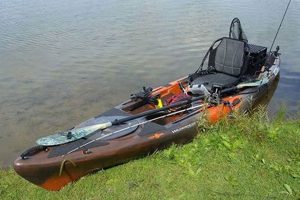
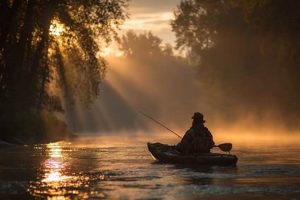
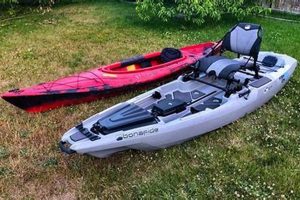
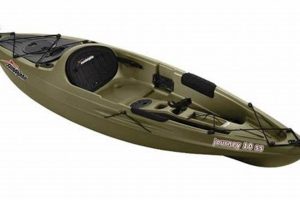
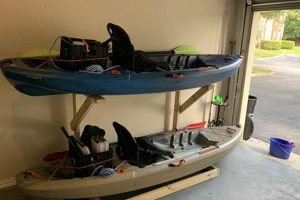
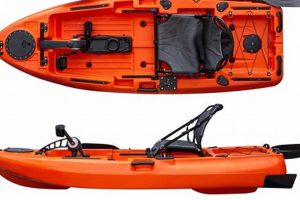
This specialized vessel combines the maneuverability of a kayak with features designed for angling in offshore waters. Imagine a small, human-powered watercraft equipped with rod holders, storage for tackle, and often a rudder system for enhanced control in currents and wind. This type of craft allows anglers to access shallow waters and navigate tight spaces unreachable by larger boats, offering a unique and intimate connection with the marine environment.
The stability and specialized design of these vessels provide a platform for pursuing a diverse range of saltwater species. Historically, smaller, human-powered watercraft have been used for fishing across cultures, but the modern iteration offers advanced materials, improved designs, and specific features tailored to the needs of the contemporary angler. This affords greater safety and efficiency compared to traditional methods, enabling longer excursions and improved catch rates. The low profile allows for stealthy approaches, minimizing disturbance to fish and maximizing angling success.
This foundational understanding of the vessel’s purpose and advantages will enable a deeper exploration of key aspects, including appropriate safety precautions, essential equipment considerations, popular fishing techniques, and responsible environmental practices for anglers.
Sea Kayak Fishing Tips
Successful angling from a kayak in open water requires careful planning and execution. The following tips offer guidance for a safe and productive experience.
Tip 1: Stability is Paramount: Prioritize stability when selecting a vessel. Wider hulls generally offer greater stability than narrower designs. Consider personal comfort and experience levels when choosing a kayak’s width and length.
Tip 2: Essential Safety Gear: Always wear a personal flotation device (PFD). Carry a signaling device, such as a whistle or flare, and a communication device like a VHF radio or waterproofed mobile phone. A first-aid kit and appropriate navigation tools are also crucial.
Tip 3: Check Weather Conditions: Before embarking on any trip, thoroughly assess marine weather forecasts. Wind speed, wave height, and tidal currents significantly impact safety and fishing conditions. Postpone trips if conditions are unfavorable.
Tip 4: Plan Your Route: Map out intended fishing locations and identify potential hazards, including reefs, shallows, and shipping lanes. Share this plan with someone onshore.
Tip 5: Efficient Tackle Management: Organize tackle boxes for easy access to essential gear. Utilize rod holders and leashes to prevent equipment loss. Minimize clutter to maintain stability and maneuverability.
Tip 6: Practice Paddle Techniques: Develop proficient paddling skills to navigate efficiently and maintain control in various conditions. Practice maneuvering in calm waters before venturing into more challenging environments.
Tip 7: Respect the Environment: Adhere to local fishing regulations and practice catch-and-release whenever possible. Minimize environmental impact by properly disposing of waste and avoiding sensitive habitats.
By adhering to these guidelines, anglers can significantly enhance safety, improve fishing success, and foster a responsible approach to enjoying the sport.
These preparatory steps contribute to a more rewarding and safer experience on the water, setting the stage for a successful fishing excursion.
1. Vessel Selection

Appropriate vessel selection is paramount for successful and safe sea kayak fishing. The chosen craft directly impacts stability, maneuverability, and overall fishing effectiveness in the challenging offshore environment. Factors such as hull design, length, width, and storage capacity must be carefully considered in relation to the intended fishing locations and target species. For example, a longer, narrower kayak might offer greater speed and tracking in open water, making it suitable for trolling or covering larger distances. Conversely, a shorter, wider kayak provides enhanced stability, crucial for sight casting in calmer, shallower waters. Specialized features like rod holders, anchor trolleys, and rudder systems further enhance the vessel’s fishing capabilities.
The connection between vessel selection and sea kayak fishing extends beyond mere functionality. Choosing the right kayak influences angler comfort and confidence, which are crucial for extended trips in potentially challenging conditions. An unstable or poorly equipped kayak can detract from the experience, hindering performance and potentially compromising safety. Consider the practical implications: a stable platform allows for easier casting and fighting fish, while ample storage accommodates necessary gear and potential catches. A well-designed kayak tailored to the specific fishing style and environment contributes significantly to a positive and productive experience. For instance, an angler targeting large pelagic species might opt for a sit-on-top kayak with increased stability and specialized features for battling powerful fish, whereas an angler fishing in sheltered bays might choose a sit-inside kayak for its efficiency and protection from the elements.
Ultimately, careful vessel selection is an integral part of successful sea kayak fishing. It represents an investment in safety, efficiency, and overall enjoyment. Matching the kayak’s characteristics to the specific needs and conditions of the angler and the target environment is essential for maximizing performance and ensuring a rewarding experience. Neglecting this critical aspect can negatively impact not only fishing success but also angler safety and comfort. Therefore, thorough research and consideration of individual needs and the intended fishing environment are crucial for selecting the optimal vessel for sea kayak fishing.
2. Safety Equipment

Safety equipment is paramount for sea kayak fishing, mitigating inherent risks associated with open-water environments. Appropriate gear extends beyond basic necessities, encompassing specialized items crucial for angler well-being and successful emergency response. Understanding and utilizing suitable safety equipment significantly enhances preparedness and reduces potential hazards.
- Personal Flotation Device (PFD)
A properly fitted PFD is non-negotiable. It provides essential buoyancy in the event of capsizing or unexpected immersion, increasing survival chances in cold water. Choose a PFD designed for paddling, allowing unrestricted arm movement for casting and paddling. Inflatable PFDs offer increased comfort but require regular maintenance and inspection.
- Communication Devices
Reliable communication is crucial for summoning assistance in emergencies. A VHF radio allows direct contact with coast guard and other vessels, providing a dedicated channel for distress calls. Waterproofed mobile phones offer a secondary communication option, enabling contact with emergency services or onshore contacts. Ensure devices are fully charged and stored in waterproof cases.
- Signaling Devices
Visual and auditory signaling devices are essential for attracting attention in emergency situations. Flares, whistles, and signal mirrors increase visibility and audibility, aiding in location and rescue. Understanding the proper use of each device is vital for maximizing effectiveness. Regular checks ensure functionality when needed.
- Navigation and Safety Essentials
Navigation tools, including a compass, chart, and GPS device, aid in maintaining course and identifying location, especially in fog or reduced visibility. A first-aid kit equipped for marine-specific injuries, along with a knife, bilge pump, and paddle leash, further enhances preparedness for various on-the-water challenges. Regularly inspect and replenish essential supplies.
These safety measures are intrinsically linked to the responsible practice of sea kayak fishing. Neglecting these precautions increases risks and jeopardizes angler safety. Proper preparation contributes not only to a safer experience but also instills confidence, enabling a more focused and enjoyable fishing excursion. Investing in and understanding the use of appropriate safety equipment underscores a commitment to responsible angling practices.
3. Location Planning

Effective location planning is integral to successful and safe sea kayak fishing. Choosing appropriate fishing grounds involves careful consideration of environmental factors, target species, and potential hazards. Thorough pre-trip planning maximizes fishing opportunities while minimizing risks associated with the dynamic offshore environment.
- Tidal Currents and Water Movement
Understanding tidal flows and currents is crucial for kayak anglers. Currents influence fish behavior and dictate optimal fishing locations. Strong currents can impact kayak control and necessitate adjustments in paddling technique and anchor placement. Slack tides, periods of minimal water movement, often present ideal fishing windows. Consulting tide charts and local knowledge enhances awareness of current patterns and their impact on fishing strategies. For instance, fishing near structure during an incoming tide can concentrate baitfish and attract predatory species.
- Weather Patterns and Wind Conditions
Weather conditions significantly affect sea kayak fishing safety and success. Wind speed and direction influence wave height and kayak maneuverability. Strong winds create challenging paddling conditions and increase the risk of capsizing. Monitoring weather forecasts before and during trips is crucial. Adapting fishing locations based on prevailing wind and weather patterns optimizes safety and fishing effectiveness. For example, seeking sheltered coves or bays provides refuge from strong winds and rough seas.
- Navigational Hazards and Marine Traffic
Identifying potential hazards is essential for safe navigation. Reefs, shallows, and submerged obstacles pose risks to kayak hulls and angler safety. Awareness of shipping lanes and boat traffic minimizes the potential for collisions. Utilizing nautical charts, GPS devices, and local knowledge helps identify and avoid hazardous areas. Staying informed about temporary restrictions or closures, such as areas designated for aquaculture or marine conservation, is crucial for responsible angling.
- Accessibility and Launch Points
Choosing accessible launch points simplifies kayak deployment and retrieval. Consider factors such as parking availability, beach conditions, and potential obstacles like rocks or vegetation. Evaluating launch site conditions relative to prevailing wind and currents ensures safe and efficient entry and exit from the water. Planning alternative launch points provides flexibility in case of unforeseen circumstances, such as changes in weather or unexpected closures.
These elements of location planning are interconnected and contribute to a holistic approach to sea kayak fishing. Careful consideration of each factor enhances safety, maximizes fishing success, and fosters responsible engagement with the marine environment. Thorough pre-trip planning empowers anglers to make informed decisions, adapt to changing conditions, and enjoy a rewarding and safe experience on the water.
4. Fishing Techniques

Specialized fishing techniques are essential for maximizing success and enjoyment in sea kayak angling. The inherent limitations and advantages of a kayak platform necessitate adaptations to traditional methods, emphasizing finesse and precision. Understanding these specialized techniques allows anglers to effectively target a variety of species while maintaining stability and maneuverability in the challenging offshore environment.
Drift fishing, a popular technique, involves allowing the kayak to drift naturally with currents or wind, presenting bait or lures to cover a wider area. This method effectively targets pelagic species like mackerel or tuna. Trolling, another productive technique, involves dragging lures or bait behind the moving kayak. This method requires precise speed control and careful monitoring of fishing lines. Jigging, a more active technique, involves vertically dropping and retrieving weighted lures to attract bottom-dwelling species like cod or grouper. The kayak’s stability enhances jigging effectiveness, allowing for controlled presentations in deeper water. Casting from a kayak demands balance and precision. Anglers must maintain stability while casting lures or bait towards target areas, such as structure or feeding zones. Using lighter tackle and shorter rods improves cast control and maneuverability within the confines of the kayak. For instance, targeting reef-dwelling fish necessitates accurate casts into tight pockets of structure.
Adapting fishing techniques to the unique characteristics of a sea kayak elevates the angling experience. These specialized approaches enable access to otherwise unreachable areas, offering a distinct advantage over traditional boat fishing. Mastery of these techniques not only increases catch rates but also enhances angler skill and appreciation for the nuances of sea kayak fishing. The connection between technique and vessel underscores the importance of a holistic approach, integrating specialized equipment and adapted methods for optimal performance in the dynamic marine environment. Recognizing these interconnected elements allows anglers to fully exploit the potential of sea kayak fishing while prioritizing safety and enjoyment.
5. Environmental Awareness

Environmental awareness represents a crucial aspect of responsible sea kayak fishing. Minimizing environmental impact ensures the preservation of marine ecosystems and the sustainability of the sport. Anglers operating in close proximity to the marine environment bear a particular responsibility to understand and mitigate their potential impact. Practicing environmentally conscious angling fosters a sustainable approach that benefits both the ecosystem and future fishing opportunities.
- Leave No Trace Principles
Adhering to Leave No Trace principles minimizes human impact on natural environments. In the context of sea kayak fishing, this involves packing out all trash and fishing line, avoiding disturbing wildlife and sensitive habitats, and minimizing disturbance to shorelines and vegetation. Proper disposal of fishing line is particularly crucial, as discarded line can entangle marine animals and pollute waterways. For example, carrying a reusable bag for trash and a dedicated container for used fishing line demonstrates a commitment to Leave No Trace practices.
- Respect for Marine Habitats
Sea kayak fishing provides access to diverse and often fragile marine habitats. Respecting these environments involves avoiding anchoring in sensitive areas like coral reefs or seagrass beds, minimizing disturbance to breeding grounds or nesting sites, and adhering to designated protected areas. Understanding the ecological significance of different habitats fosters responsible angling practices. For instance, avoiding shallow areas during bird nesting season minimizes disturbance to vulnerable populations.
- Sustainable Fishing Practices
Practicing sustainable fishing ensures the long-term health of fish populations. Adhering to catch and release guidelines, using appropriate fishing gear, and respecting size and bag limits contribute to responsible resource management. Supporting sustainable fisheries management practices helps maintain healthy fish stocks for future generations. For example, utilizing circle hooks minimizes injury to released fish, promoting higher survival rates.
- Minimizing Pollution
Preventing pollution from fuel, oil, and other chemicals is crucial for maintaining water quality. Ensuring proper kayak maintenance, avoiding spills, and properly disposing of waste materials minimizes the introduction of pollutants into the marine environment. Utilizing biodegradable and non-toxic cleaning products further reduces environmental impact. For instance, regularly inspecting and maintaining the kayak’s hull prevents the spread of invasive species.
These facets of environmental awareness are interconnected and collectively contribute to responsible sea kayak fishing practices. Integrating these principles into angling habits ensures the sustainability of the sport and the preservation of the marine ecosystems that support it. By embracing environmentally conscious angling, sea kayak anglers contribute to the long-term health and enjoyment of the sport for future generations. This commitment strengthens the connection between angler and environment, fostering a deeper appreciation for the natural world and the resources it provides.
Frequently Asked Questions
Addressing common inquiries regarding specialized kayak angling provides clarity for prospective enthusiasts and enhances understanding for experienced practitioners. The following responses offer practical insights and address potential concerns.
Question 1: What are the key differences between recreational kayaks and those designed specifically for sea fishing?
Vessels designed for offshore angling prioritize stability, incorporating wider hulls and specialized features. These features often include rod holders, anchor trolleys, and increased storage capacity for tackle and safety equipment. Recreational kayaks generally prioritize speed and maneuverability over stability and specialized fishing features.
Question 2: What safety precautions are essential for sea kayak fishing?
Essential safety measures encompass wearing a personal flotation device (PFD), carrying communication devices (VHF radio, waterproofed mobile phone), utilizing signaling devices (flares, whistle), and possessing navigation tools (compass, chart, GPS). Checking weather forecasts prior to departure and informing someone of the intended route are crucial precautionary steps.
Question 3: What essential equipment is required for sea kayak fishing?
Beyond safety gear, essential equipment includes appropriate fishing rods and reels, tackle suited to target species, a landing net or gripper, and appropriate storage solutions for gear and potential catches. A paddle leash and bilge pump are also recommended.
Question 4: How does one choose an appropriate fishing location?
Location selection involves analyzing factors such as tidal currents, water depth, the presence of structure (reefs, wrecks), and proximity to target species. Weather conditions, accessibility, and potential hazards also influence location choice. Consulting local charts and seeking advice from experienced anglers provides valuable insights.
Question 5: What are the common challenges encountered in sea kayak fishing, and how can they be addressed?
Challenges can include managing fishing gear in a confined space, maintaining stability in rough conditions, and effectively landing fish from a kayak. Practicing techniques in calm water, utilizing specialized equipment like rod holders and anchor trolleys, and employing appropriate fish-handling strategies mitigates these challenges.
Question 6: How can anglers minimize their environmental impact while sea kayak fishing?
Minimizing impact involves adhering to Leave No Trace principles, respecting marine habitats, and practicing sustainable fishing techniques. Proper waste disposal, avoidance of sensitive areas, and adherence to catch and release guidelines contribute to responsible environmental stewardship.
Understanding these aspects contributes to a safer, more enjoyable, and environmentally responsible approach to specialized kayak angling. Thorough preparation and adherence to established best practices are essential for maximizing success and promoting the sustainability of the sport.
This comprehensive overview sets the stage for informed decision-making and fosters a deeper appreciation for the unique demands and rewards inherent in this specialized pursuit. Further exploration of specific techniques, regional considerations, and advanced topics can enhance proficiency and enjoyment.
Conclusion
Specialized kayak angling presents a unique blend of challenge and reward, demanding careful preparation and execution. Vessel selection, safety equipment, location planning, specialized fishing techniques, and environmental awareness constitute fundamental elements of successful practice. Understanding the interplay of these components enables anglers to effectively navigate the offshore environment, maximize fishing success, and minimize potential risks.
The pursuit offers a distinctive connection with the marine environment, demanding respect and responsible stewardship. Continued learning, adaptation to evolving conditions, and a commitment to sustainable practices ensure the enduring appeal and viability of this specialized form of angling.